Who Owns Perdue Chicken? The Complete Guide to the Family-Owned Poultry Giant
Quick Navigation
- The Perdue Story: From Egg Deliveries to a Poultry Empire
- Leadership vs. Ownership: Who Actually Runs Perdue Farms?
- What Does "Family-Owned" Actually Mean for the Chicken?
- Perdue's Product Universe: It's Not Just Chicken Anymore
- Your Perdue Ownership Questions, Answered
- The Challenges of Staying Family-Owned
- So, What's the Bottom Line on Perdue Ownership?
You see the logo everywhere. That bright blue and yellow packaging in the meat aisle, the ads talking about "no antibiotics ever." It's Perdue. But have you ever stopped mid-shop, package in hand, and actually wondered, who is Perdue chicken owned by? I know I have. Is it some massive faceless conglomerate? Or is there still a family behind the name? The answer, it turns out, is a fascinating story of American business, family succession, and adapting to a changing world. It's more than just a name on a chicken.
Let's cut straight to the chase, because that's probably why you're here.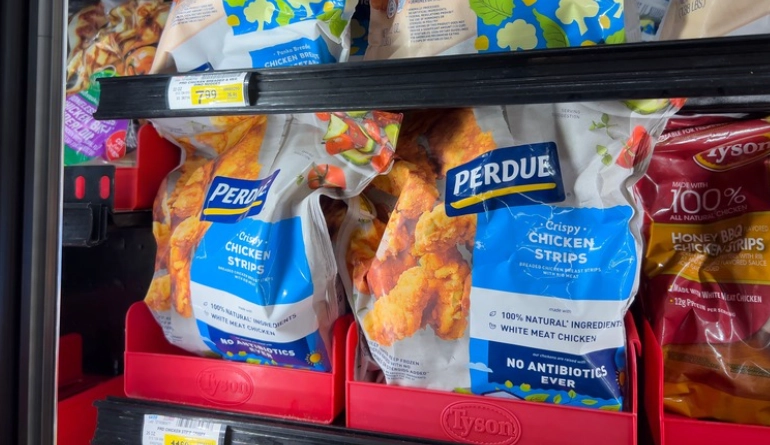
The Direct Answer: As of my latest research, Perdue Farms is a privately held, family-owned company. It is owned by the Perdue family. The current Chairman is Jim Perdue, the grandson of the company's founder, Arthur W. Perdue. The company is not publicly traded on the stock market, meaning the Perdue family maintains control over its operations and direction. So, to answer the core question "who is Perdue chicken owned by?"—it's still the Perdue family.
But that's just the headline. If you're like me, that simple answer leads to a bunch of other questions. How did it stay family-owned in an era of mega-mergers? Who runs the day-to-day show? What does this ownership structure actually mean for the chicken you buy? Let's dig into the layers.
The Perdue Story: From Egg Deliveries to a Poultry Empire
To understand who owns Perdue chicken today, you have to know where it started. It's a classic American tale, but with its own unique twists.
It all began in 1920 with Arthur W. Perdue. He wasn't even in the chicken meat business at first. He ran a table-egg delivery service in Salisbury, Maryland. Think about that for a second. A hundred years ago, it was just a guy with some chickens and a route. The shift to selling chickens for meat didn't happen until 1950, when his son, Frank Perdue, really started pushing the business in that direction.
Frank is the face most people remember. He was the one who went on TV in the 1970s with those now-iconic (and kind of awkward, in a charming way) commercials. "It takes a tough man to make a tender chicken," he'd say with his distinctive voice. That marketing genius put the Perdue name in millions of households. Frank didn't just sell chicken; he sold the idea of a better, yellower, more tender chicken from a family farm. It worked incredibly well.
Ownership passed from Frank to his son, Jim Perdue, in 1991. That's three generations right there. Jim had a PhD in fisheries science, which seemed like an odd fit at first, but it actually signaled a shift. The company was starting to think more broadly about protein and sustainability. Under Jim's leadership as Chairman, the company has navigated the crazy complexities of modern food production—animal welfare concerns, antibiotic use, organic demand. It's a far cry from Arthur's egg wagon.
Here’s a quick timeline to visualize the ownership and leadership transition, which is core to understanding who Perdue chicken is owned by:
| Era | Key Figure | Role & Contribution | Ownership Context |
|---|---|---|---|
| 1920-1950 | Arthur W. Perdue | Founder. Started as an egg delivery business. | Sole founder, family ownership established. |
| 1950-1991 | Frank Perdue | Son of Arthur. Expanded into meat chickens, revolutionized marketing with TV ads. | Second-generation leadership. Family-owned and operated. |
| 1991-Present | Jim Perdue | Grandson of Arthur, son of Frank. Chairman of the Board. Emphasized sustainability and product diversification. | Third-generation Chairman. Company remains privately held by the Perdue family. |
| 2010s-Present | Randy Day | CEO (not a family member). A former Perdue plant manager who rose through the ranks. | Day-to-day operations led by a professional CEO, while ultimate ownership rests with the Perdue family. |
That last row is crucial. It answers a follow-up question many have: if it's family-owned, does a Perdue run everything? Not exactly on the daily operations side.
Leadership vs. Ownership: Who Actually Runs Perdue Farms?
This is where it gets interesting for a modern family business. The Perdue family owns the company, but they've brought in professional management. Think of it like this: the family owns the house (the company), but they hire a very experienced property manager (the CEO) to handle the day-to-day upkeep and tenant issues.
Jim Perduce, as Chairman, sets the overall vision, values, and long-term strategy. He's the keeper of the family legacy. But the CEO since 2017 has been Randy Day. Day isn't a Perdue family member. He started on the factory floor over 40 years ago and worked his way up. This is a pretty common model for large, successful family businesses that want to stay competitive. You keep the family's guiding principles and ownership, but you bring in top-tier operational talent who might not share your last name.
So when you ask who Perdue chicken is owned by, the answer is the Perdue family. When you ask who runs the complex operations of slaughtering, processing, marketing, and distributing millions of pounds of chicken weekly, the answer is a team of professional executives led by Randy Day. This separation can be a strength, allowing for stability in ownership and agility in management.
What Does "Family-Owned" Actually Mean for the Chicken?
This isn't just a feel-good marketing term (though they certainly use it in marketing). In theory, a family-owned structure allows for longer-term thinking. They don't have to chase quarterly earnings reports to please Wall Street analysts. They can make investments in animal welfare or sustainability that might cost more upfront but align with family values or long-term brand health.
For example, Perdue's big move to "No Antibiotics Ever" across its chicken line in 2016 was a huge, costly shift. A publicly-traded company under immense pressure for quarterly profits might have hesitated longer or done it more gradually. A family-owned company, with the Chairman's personal reputation tied to the brand, might be more willing to take that leap if they believe it's the right thing to do for the future. Jim Perdue has spoken about this decision extensively, framing it as a responsibility.
On the flip side, critics argue that being private means less transparency. You don't get the detailed financial filings that a public company must provide. Some of the company's practices, especially concerning contract farmers, have faced scrutiny and lawsuits over the years. Being family-owned doesn't automatically make a company saintly; it just means the pressures and incentives are different from those of a public corporation like Tyson.
A Reality Check: While the "family-owned" narrative is central to Perdue's image, it's wise to remember the scale. Perdue Farms is a behemoth. It's the fourth-largest poultry producer in the U.S., processing billions of pounds of meat annually. It employs tens of thousands. The experience of a contract farmer growing chickens for Perdue might feel very different from the warm, family-focused TV ads. The ownership structure is one piece of a much larger and more complex picture.
Perdue's Product Universe: It's Not Just Chicken Anymore
Another clue to understanding the company's direction under its current ownership is its expansion. They're not just the "chicken guys" anymore.
- Perdue Chicken: The core. This includes everything from whole birds to cut-up parts, nuggets, and their premium lines like Organic and HARVESTLAND.
- Perdue Pork: They got into pork in the 1980s. A logical diversification within the meat space.
- Perdue Turkey: Through acquisitions, they've become a major player in turkey too (think brands like Coleman Natural).
- Perdue Aquaculture: Remember Jim's PhD in fisheries? This is where that comes in. They have a division, Perdue Aqua, focused on sustainable shrimp and salmon. It's a bet on the future of protein.
- Plant-Based: They dipped a toe into this market with the Perdue Chicken Plus line (chicken blended with veggies) and have explored other alternatives, showing they're aware of shifting consumer trends.
This diversification shows a company that, while rooted in chicken, is thinking like a modern protein supplier. The ownership, under Jim Perdue's chairmanship, has supported this broader "protein portfolio" vision.
Let's tackle some of the specific, nitty-gritty questions people have when they're trying to figure out who is Perdue chicken owned by and what it implies.
Your Perdue Ownership Questions, Answered
Is Perdue owned by Tyson, Pilgrim's Pride, or another big competitor?
No, absolutely not. This is a common confusion because the poultry industry is concentrated. Perdue is a major competitor to Tyson Foods (publicly traded), Pilgrim's Pride (owned by JBS, a Brazilian giant), and Sanderson Farms (now part of Cargill and Continental Grain). Perdue remains an independent, privately-held company owned by the Perdue family. It has not been acquired by any of these larger rivals.
Did Perdue get bought out by a Chinese company or a foreign corporation?
No. There is no evidence or credible reporting to suggest Perdue Farms has been sold to any foreign entity, Chinese or otherwise. Rumors like this sometimes swirl around large food companies. Perdue's ownership structure, as confirmed by the company itself, remains with the Perdue family. You can find their official corporate information page which states their family-owned nature, though it doesn't list detailed ownership percentages (which is typical for a private firm).
Is Perdue a publicly traded stock? Can I buy shares?
You cannot buy shares of Perdue Farms on the stock market (NYSE, NASDAQ, etc.). It is a private company. If you want to invest in the poultry industry, you would look at publicly-traded competitors like Tyson Foods (TSN). The decision to remain private is a key part of the Perdue family's control.
What about Perdue's animal welfare claims? Does ownership affect that?
This is a hot-button issue. Perdue, under Jim Perdue, has made significant public commitments to improving animal welfare, like providing more space and enrichment for chickens. They have published annual sustainability reports detailing progress. Supporters say the family ownership allows them to prioritize these changes beyond pure profit. Critics and animal rights groups argue the changes don't go far enough and that the industrial scale of production inherently causes welfare problems. The U.S. Department of Agriculture (USDA) oversees basic humane slaughter standards, but many practices are industry-led. The ownership structure gives the Perdue family more direct control over these policies than the board of a public company might have, for better or worse.
How can I verify this information? It sounds like a mix of facts and opinion.
A fair question. For factual claims about ownership and history, I've drawn from a mix of reputable business reporting (like Forbes profiles on Jim Perdue), the company's own official history page, and agricultural business publications. For information on their "No Antibiotics Ever" policy, you can cross-reference with official announcements and even regulatory frameworks from the Food and Drug Administration (FDA) which oversees antibiotic use in livestock. For their product lines, their own consumer website is the source. A good rule of thumb: be wary of any single source. I've tried to synthesize information that is consistently reported across multiple credible outlets.
The Challenges of Staying Family-Owned
It's not all easy sailing. Remaining a large, private, family-owned business in the 21st century comes with massive challenges.
The capital needs are enormous. Building a new processing plant can cost hundreds of millions. Public companies can raise money by issuing new stock. Private companies have to rely on debt financing or their own profits, which can limit how fast they can grow or modernize compared to deep-pocketed rivals.
Succession planning is the eternal question for any family business. Jim Perdue is in his 70s. The fourth generation is involved in the business to varying degrees, but will they want to and be able to take the helm? Will the family decide to eventually sell, or bring in a non-family CEO permanently? The future of who owns Perdue chicken in 20 or 30 years is an open question. Many great family businesses don't make it past the third generation.
Then there's the market pressure. The protein industry is brutally competitive, with razor-thin margins. Retailers like Walmart have tremendous power to squeeze suppliers on price. Competing against Tyson and the JBS/Pilgrim's Pride combo is a constant fight. The family ownership doesn't shield them from these harsh market realities; it just defines the toolbox they have to fight with.
It's a high-stakes balancing act.
So, What's the Bottom Line on Perdue Ownership?
Let's wrap this up. When you Google "who is perdue chicken owned by" or "Perdue Farms ownership," you're looking for clarity in a confusing food system.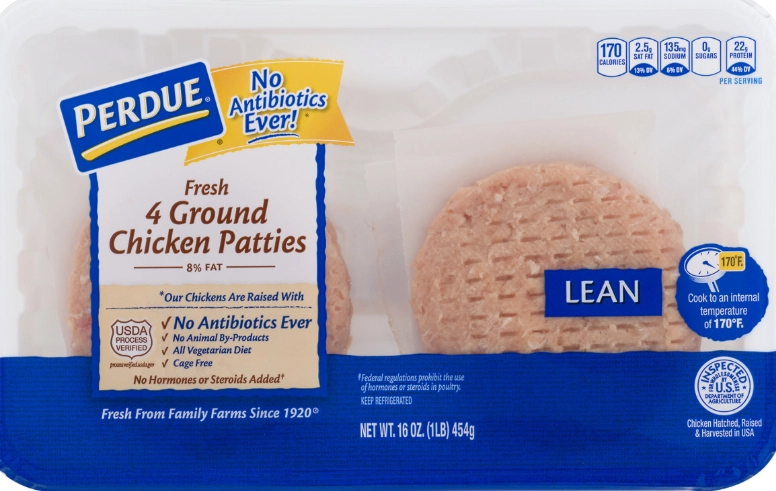
The clearest answer is that Perdue Farms is a private, family-owned company, currently chaired by the third-generation Jim Perdue, with day-to-day operations led by a longtime company veteran, CEO Randy Day. It has not been bought by a competitor or a foreign corporation. It is not publicly traded.
This ownership structure is a defining feature. It's the reason the company can lean so heavily into its "family-owned" marketing heritage. It theoretically allows for a long-term vision, as seen in big bets like going antibiotic-free. But it also operates in the same tough, industrialized agricultural landscape as its publicly-traded rivals, facing the same criticisms about environmental impact, farmer relations, and animal welfare.
Understanding who owns Perdue chicken gives you context. It tells you about the decision-making structure behind the brand. But it doesn't automatically tell you if the chicken is "better" or more ethical—that's a personal judgment based on your own values and research into their practices.
The next time you see that blue and yellow package, you'll know there's a century of family history behind it, along with all the complexities of modern food production. Whether that makes you more or less likely to put it in your cart is, ultimately, your call.
Related Articles