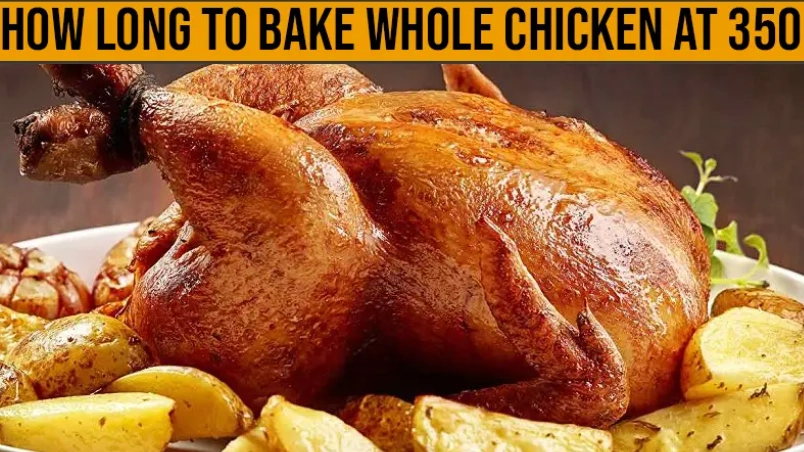
The Ultimate Guide to Roasting a Whole Chicken in Your Oven
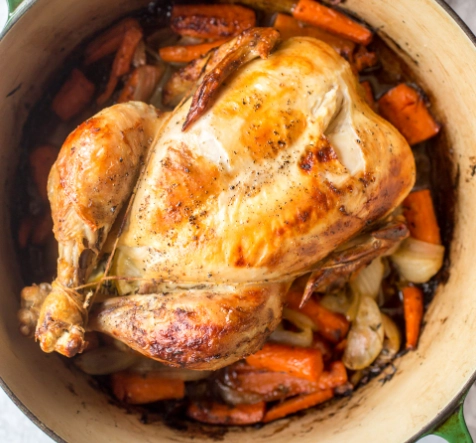
Let's be honest. The idea of roasting a whole chicken can feel intimidating. You picture a dry, bland bird, or worse, one that's pink near the bone. But I'm here to tell you that a perfectly juicy, flavorful roast chicken is one of the simplest, most rewarding things you can make in your home oven. It's a skill that pays off for years—a centerpiece for Sunday dinner, the secret to incredible leftovers, and a trick that impresses every time. Forget the fear. With a few non-negotiable steps (and one tool you absolutely need), you'll nail it.
What You'll Learn
- Why a Whole Chicken Beats Pieces Every Time
- The 5-Minute Prep That Makes All the Difference
- My Foolproof Step-by-Step Roasting Method
- The Truth About Time & Temperature
- Beyond Salt & Pepper: Flavor Combinations That Work
- How to Carve It Right & Use Every Last Bit
- Your Roast Chicken Questions, Answered
Why Roasting a Whole Chicken Beats Buying Pieces Every Time
It's cheaper, for one. Per pound, a whole chicken almost always costs less than pre-cut parts. You also get control. When you roast the whole bird, you decide the seasoning, the cooking fat, and the level of doneness. But the biggest win? Flavor and moisture. Cooking the bird intact means the bones and connective tissue work their magic, basting the meat from the inside out with rich, savory juices. The breast meat stays protected and moist, while the dark meat gets perfectly tender. It's a self-basting system that chicken parts on a tray just can't replicate.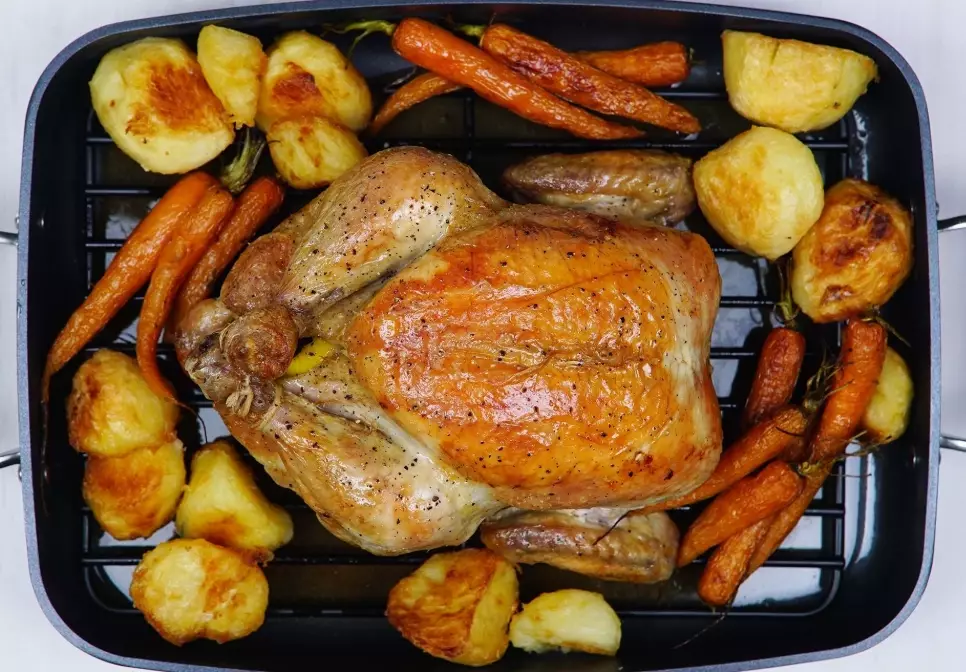
The 5-Minute Prep That Makes All the Difference
Most recipes skip the single most important step: drying the skin. If your chicken skin is wet, it steams instead of crisps. You'll get a rubbery, pale layer. The fix is simple. As soon as you take the chicken from its packaging, pat it intensely dry inside and out with paper towels. I mean, get aggressive with it. Leave it uncovered on a plate in the fridge for an hour if you have time. This air-dries the skin further, which is the secret to that crackling, golden-brown finish everyone wants.
Pro Move: Gently loosen the skin over the breast by sliding your fingers between the skin and the meat. This creates a pocket where you can smear softened butter or herb paste directly onto the flesh. The fat renders through the skin, basting the breast continuously and infusing it with flavor from the inside.
My Foolproof Step-by-Step Roasting Method
Here’s exactly what I do, every single time. No brining required (though it's an option), just straightforward technique.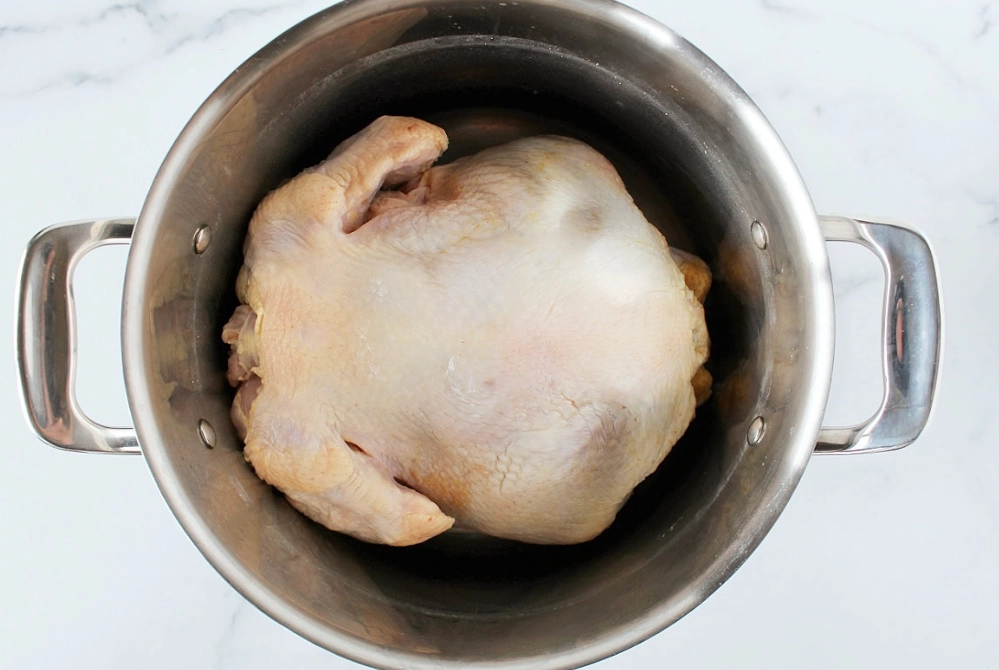
1. Truss or Not to Truss?
Trussing—tying the legs and wings close to the body—makes for a prettier, more compact bird that cooks evenly. But if you're in a rush, just tuck the wingtips behind the shoulders and leave the legs loose. The key is to make sure no limbs are flopping out, as they'll burn.
2. Season Liberally, Everywhere
Salt and pepper are the foundation. Don't be shy. Season the cavity generously, and make sure to get seasoning under the legs and wings. This seasons the meat, not just the skin. For a 4-5 lb chicken, I use at least 1.5 teaspoons of kosher salt total.
3. Choose Your Vessel Wisely
A heavy-duty roasting pan or even a large cast-iron skillet is ideal. Don't use a flimsy baking sheet; it can warp. If you're adding vegetables (like potatoes, carrots, onions), toss them in oil and salt and scatter them around the chicken. They'll cook in the drippings.
4. The First (and Last) Bast
Rub the entire outside of the chicken with a high-heat oil—avocado or grapeseed oil works great, as does plain old vegetable oil. Butter has milk solids that can burn, so if you use it, mix it with oil. This initial coat is all the basting you need. Opening the oven to baste repeatedly just lets heat escape and slows cooking.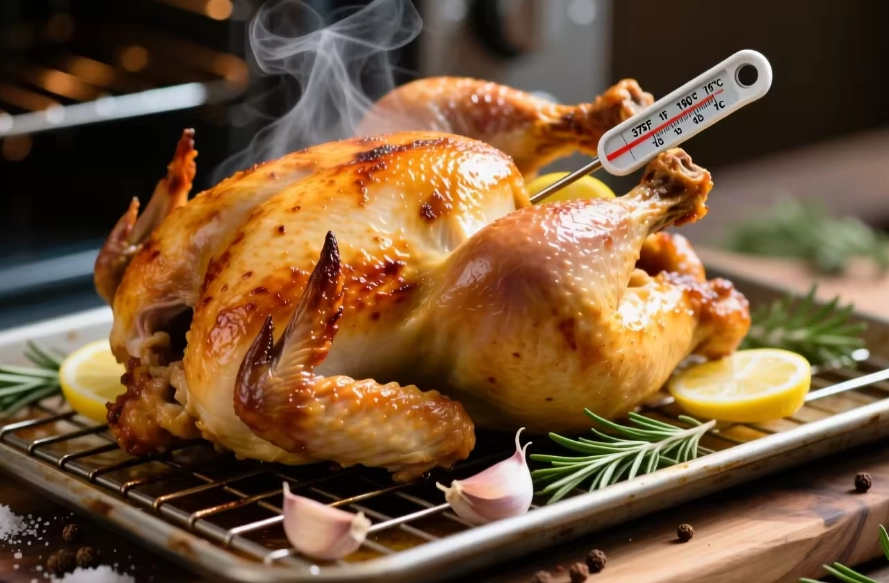
The Truth About Time & Temperature: Ditch the Clock
This is where most home cooks go wrong. They rely on a fixed time per pound. Ovens vary, chicken sizes vary, starting temperatures vary. Following a rigid timeline is a recipe for over- or under-cooking.
The only reliable method is using a good-quality instant-read meat thermometer. Insert it into the thickest part of the thigh, without touching the bone. You're aiming for 165°F (74°C). The breast should read about 155-160°F (68-71°C) as the chicken rests—the temperature will carry over. Pulling it at 165°F in the thigh guarantees safe, juicy meat.
| Chicken Weight | Approximate Roast Time at 425°F (220°C)* | Key Checkpoint |
|---|---|---|
| 3.5 - 4 lbs | 70 - 80 minutes | Start checking temp at 65 mins. |
| 4.5 - 5 lbs | 80 - 90 minutes | Start checking temp at 75 mins. |
| 5.5 - 6 lbs | 90 - 105 minutes | Start checking temp at 85 mins. |
*Times are estimates. Always use a thermometer for the final call.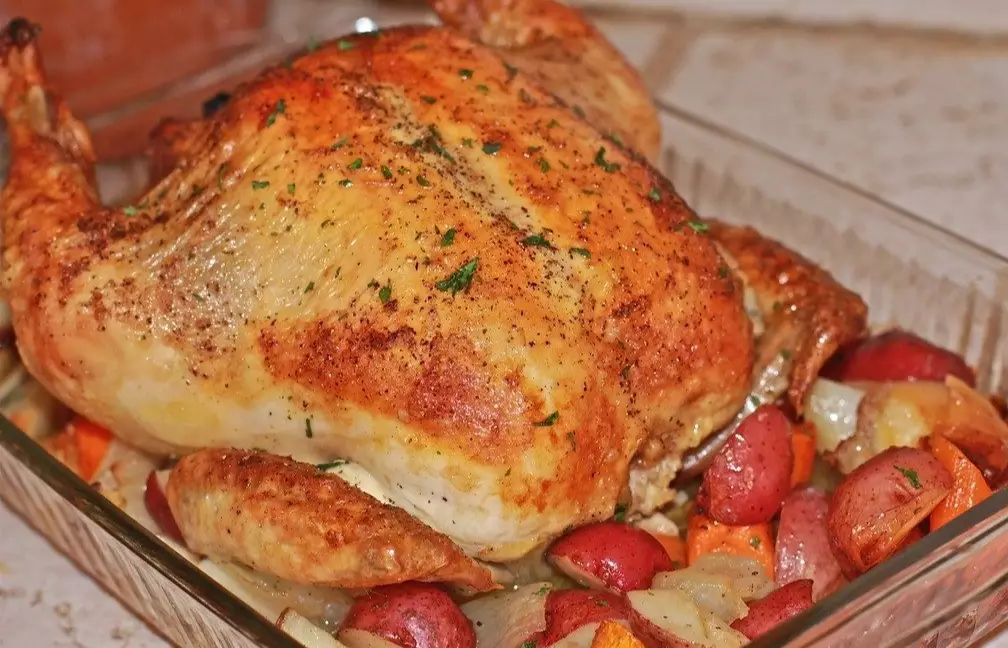
Common Mistake Alert: Poking the chicken with a fork to "see if the juices run clear." Every time you pierce the skin, precious juices escape, leading to a drier bird. Put the fork down and use the thermometer.
Beyond Salt & Pepper: Flavor Combinations That Work
A classic roast chicken is glorious, but playing with flavors keeps it exciting. The formula is simple: fat + aromatics + herbs.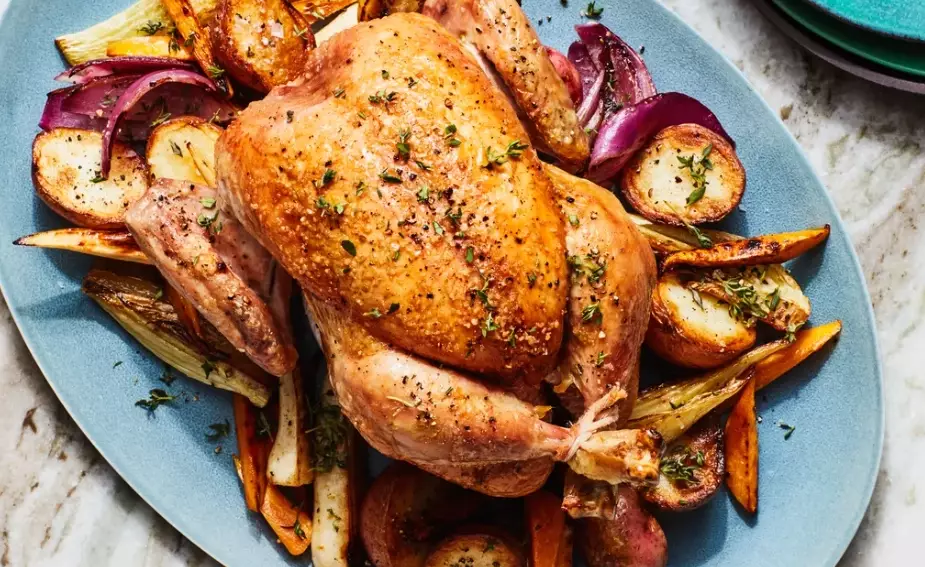
- The Lemon-Herb Classic: Smear butter under the skin with thyme, rosemary, and sage. Halve a lemon and an onion, stuff them in the cavity.
- Mediterranean Twist: Use olive oil, minced garlic, lemon zest, and a big spoonful of dried oregano or Italian seasoning. Stuff the cavity with lemon and a handful of olives.
- Spice-Rubbed: Mix smoked paprika, brown sugar, garlic powder, onion powder, salt, and a touch of cayenne with oil to form a paste. Rub it all over the skin for a sticky, flavorful crust.
Honestly, I find brining (soaking in saltwater) can make the meat a bit too salty and the texture almost too uniform. A good dry-brine (salting ahead of time) or just proper seasoning right before cooking gives you more control over the final flavor.
How to Carve It Right & Use Every Last Bit
Let it rest. I can't stress this enough. When the chicken hits temp, take it out, transfer it to a cutting board, and tent it loosely with foil. Wait 15-20 minutes. This allows the frantic juices to redistribute back into the muscle fibers. If you cut immediately, all those juices will flood your board, leaving the meat dry.
Carving is simpler than it looks. Remove the legs/thighs by cutting through the joint connecting them to the body. Separate the thigh from the drumstick if you like. Slice down either side of the breastbone to remove each breast whole, then slice them crosswise. You'll get clean, presentable pieces.
The leftovers are the real prize. Strip the carcass clean. Use the meat for chicken salad, soups, pot pies, or tacos. Don't throw the bones away! Simmer them with onion, carrot, and celery for a few hours to make the most flavorful homemade chicken stock you've ever tasted. It freezes beautifully.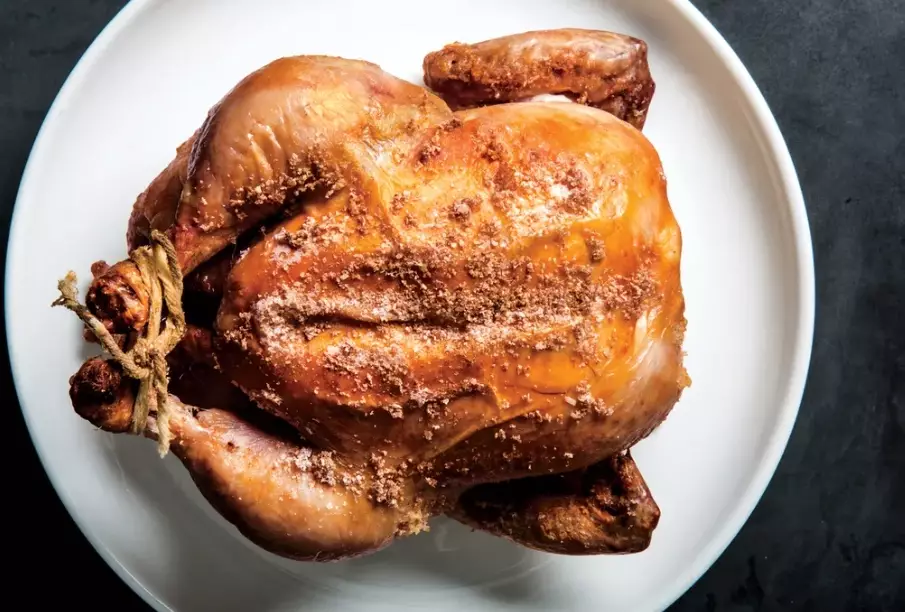
Your Roast Chicken Questions, Answered
Around it. If you put them directly under the bird, they'll steam in the pooled fat and juices and never get crispy or properly roasted. Toss your chopped veggies (potatoes, carrots, parsnips) in oil, season them, and scatter them in a single layer around the chicken in the pan. They'll roast in the oven's heat and soak up the flavorful drippings that fall off the chicken.
The most likely culprit is not starting with a dry-enough skin, or your oven temperature is off. Many home ovens run cooler than their display says. Invest in an inexpensive oven thermometer to check. If the skin is pale and soft near the end of cooking, you can try blasting it under the broiler for 2-3 minutes, watching it like a hawk to prevent burning. Also, ensure you're using enough oil—a thin, even coating is crucial for conduction and browning.
You can, but I don't recommend it for food safety and texture reasons. To get the stuffing to a safe temperature (165°F), you often have to overcook the breast meat, drying it out. The stuffing also gets soggy from the chicken's internal steam. It's far better to cook your stuffing separately in a baking dish. You can still flavor the chicken by stuffing the cavity with aromatic, non-porous items like lemon halves, onion quarters, garlic heads, and fresh herb sprigs—they impart flavor without the safety risk.
I'm a fan of the high-heat, single-temperature method (around 425°F/220°C). It renders the fat quickly for crisp skin, sets the exterior, and cooks the bird relatively fast, preserving moisture. The low-and-slow method (starting at 350°F/175°C) can yield tender meat but often sacrifices that perfect, crackling skin. For a beginner wanting guaranteed results—crispy skin and juicy meat—sticking with a consistently hot oven is simpler and more reliable.
Related Articles