Ultimate Guide: How Long to Cook a Whole Chicken in the Oven for Perfect Roast Chicken
Let's be honest. You searched for "how long to cook a whole chicken in the oven" because you want a straight answer. But here's the thing I learned the hard way, after a few too many dry birds and one slightly terrifying undercooked incident: there isn't just one magic number. Asking how long to roast a chicken is like asking how long it takes to drive somewhere. It depends on the size of your car (the chicken), the speed limit (your oven temperature), and if you've got a trailer hitch (stuffing).
I remember my first attempt. I bought a beautiful 4-pound chicken, got excited, cranked the oven to 425°F, and pulled it out after an hour because a recipe said so. The breast meat was like sawdust, the legs were still waving hello. Not great. So I dove deep, talked to butchers, tested endlessly, and now I'm going to save you all that trouble.
This guide is going to give you the simple answer first, then all the nuance you need to make it perfect every single time. Because a perfectly roasted chicken? It's a weeknight lifesaver and a Sunday showstopper all in one.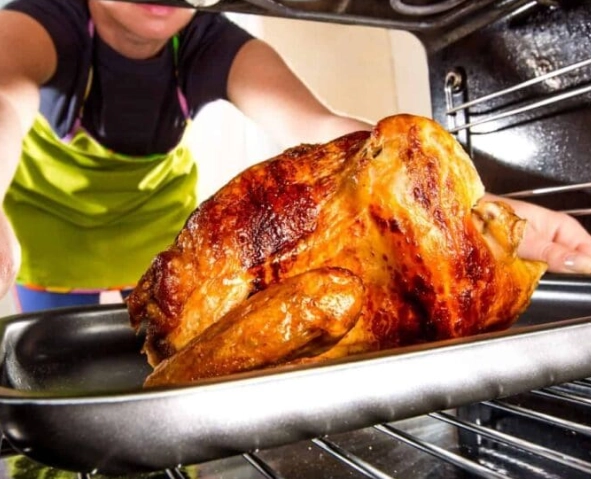
In This Guide
- What REALLY Determines How Long to Cook a Whole Chicken in the Oven?
- The Master Chart: How Long to Cook a Whole Chicken in the Oven by Weight & Temperature
- Step-by-Step: From Fridge to Perfect Table Centerpiece
- Answers to Your Burning Questions (Besides the Oven)
- Troubleshooting Common Roast Chicken Problems
What REALLY Determines How Long to Cook a Whole Chicken in the Oven?
Forget the clock for a second. Relying solely on time is the biggest mistake home cooks make. These are the real bosses of your cook time:
- The Chicken's Weight: This is the big one. More mass = more time. A petite 3-pounder and a hefty 7-pounder live in different time zones.
- Your Oven's Actual Temperature: Is your oven running hot or cold? That 350°F on the dial might be 325°F or 375°F in reality. An oven thermometer is a $10 game-changer.
- Starting Temperature: Are you putting a fridge-cold chicken straight in, or did you let it sit out for 30 minutes? A room-temp bird cooks more evenly and slightly faster.
- To Stuff or Not to Stuff: Putting stuffing inside the cavity acts like an insulator. It can add a solid 15-30 minutes to your total cook time, and it's tricky to get the stuffing safe without overcooking the breast. I usually cook stuffing separately.
- Your Roasting Pan: A heavy, dark metal pan conducts heat better than a thin, shiny one. A rack that lifts the chicken promotes airflow and even cooking.
See? It's not just a timer. It's a conversation between you, your chicken, and your oven.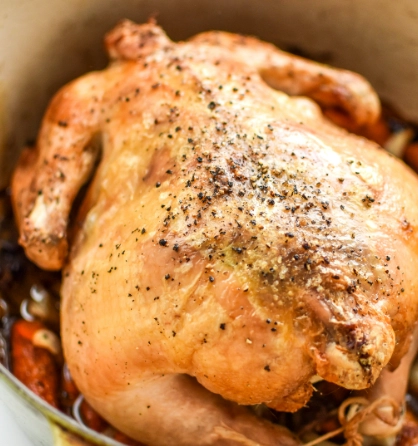
The Master Chart: How Long to Cook a Whole Chicken in the Oven by Weight & Temperature
Okay, here's the practical stuff. This table is your best starting point. These times are for an unstuffed chicken, placed on a rack in a roasting pan, brought to room temp for about 30 minutes first. Remember, the thermometer is the final judge.
| Chicken Weight | Oven Temperature | Approximate Cook Time | Key Visual & Temp Check |
|---|---|---|---|
| 3 lbs (1.4 kg) | 375°F (190°C) | 1 hr – 1 hr 15 min | Juices run clear. Thigh temp 165°F. |
| 4 lbs (1.8 kg) | 375°F (190°C) | 1 hr 20 min – 1 hr 45 min | Legs wiggle easily in joints. Thigh temp 165°F. |
| 5 lbs (2.3 kg) | 375°F (190°C) | 1 hr 45 min – 2 hrs 10 min | Skin is golden brown and crisp. Thigh temp 165°F. |
| 6 lbs (2.7 kg) | 375°F (190°C) | 2 hrs – 2 hrs 30 min | Meat pulls away from bone ends. Thigh temp 165°F. |
| 4-5 lbs (1.8-2.3 kg) | 425°F (220°C) (High-Heat Method) | 50 min – 1 hr 15 min | Skin is super crisp. Watch closely to avoid burning. Thigh temp 165°F. |
| 4-5 lbs (1.8-2.3 kg) | 325°F (165°C) (Low & Slow) | 2 hrs 30 min – 3 hrs+ | Incredibly tender, less crispy skin. Thigh temp 165°F. |
Notice the time ranges? That's where the other factors (your specific oven, the pan) come into play. The 5-pound bird at 375°F is your classic benchmark for how long to cook a whole chicken in the oven.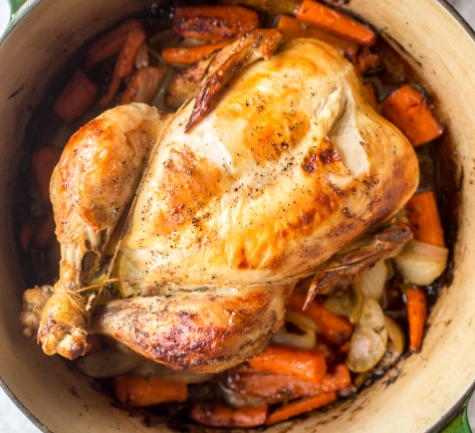
Step-by-Step: From Fridge to Perfect Table Centerpiece
Preparation is 80% of the Battle
Don't just shove it in the oven. What you do beforehand makes all the difference in flavor and juiciness.
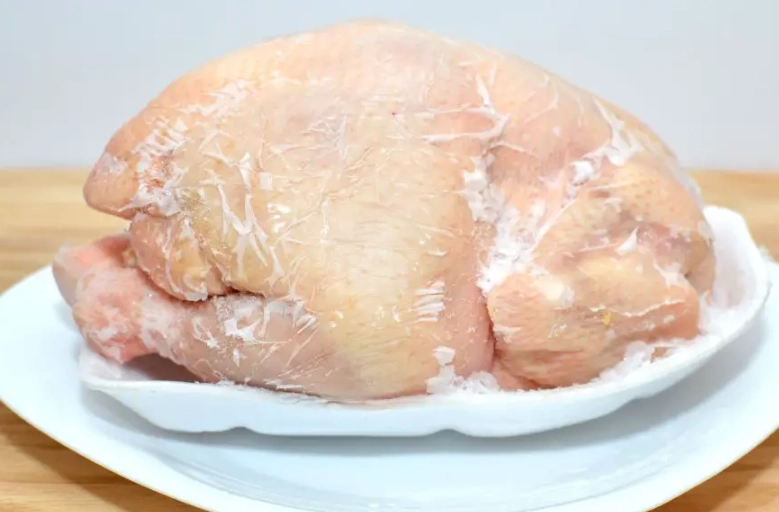
- Dry the Skin Thoroughly. This is non-negotiable. Pat that chicken dry inside and out with paper towels. Wet skin = steamed, rubbery skin. Dry skin = crispy, glorious skin.
- Season Liberally and Under the Skin. Salt and pepper are your friends. For next-level flavor, gently loosen the skin over the breast and thighs with your fingers and rub seasoning or softened butter directly on the meat. It seasons from the inside out.
- Truss It or Don't. Tying the legs together helps it cook evenly and looks pretty. But honestly? If I'm in a rush, I just tuck the wingtips under and call it a day. It still tastes amazing.
- Let It Sit. Give your seasoned chicken 30 minutes on the counter. Taking the chill off promotes even cooking.
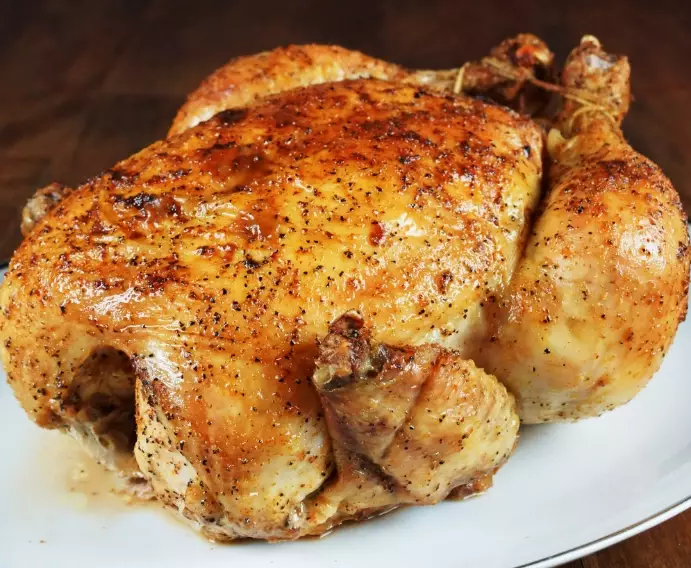
The Cooking Process Itself
Now, for the main event: how long to cook a whole chicken in the oven.
Preheat your oven. Really. Don't skip this. Place the chicken breast-side up on a rack in a roasting pan. Some people swear by starting breast-side down to protect the white meat, then flipping. I've done it. It's messy, and I don't think the result is better enough to justify the hassle and lost crispy skin on top.
Put it in the middle of the oven. Don't open the door for at least the first 45 minutes. Let the heat do its work.
The Only Way to Know for Sure: The Thermometer Test
When your timer gets close to the lower end of the estimate, it's thermometer time.
Forget the "juices run clear" test alone. It's unreliable.
Insert a good digital meat thermometer into the thickest part of the thigh, making sure not to touch the bone. The target temperature is 165°F (74°C). This is the safety standard recommended by food safety authorities like the USDA. The breast meat should read about 160-165°F. If it's not there yet, give it more time in 5-10 minute increments.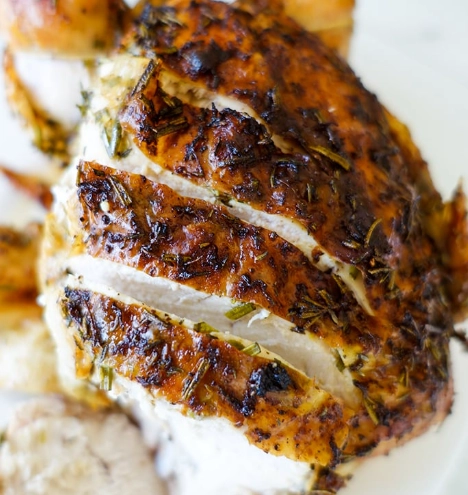
The Most Important Step You Might Skip: Resting
You hit 165°F! Don't carve it yet. I know, it smells incredible.
Tent the chicken loosely with foil and let it rest on a cutting board for 15-20 minutes. This allows the frantic, hot juices inside the meat to relax and redistribute. If you cut in immediately, all those juices will flood your cutting board, leaving you with a drier bird. Resting is what makes it juicy.
Answers to Your Burning Questions (Besides the Oven)
Here are the things people really want to know after they figure out the basic time.
Should I wash the chicken before roasting?
No. Full stop. The CDC and other food safety experts advise against washing raw chicken. Why? Water splatter can spread bacteria like Campylobacter and Salmonella up to 3 feet around your sink, contaminating surfaces. Cooking it to 165°F kills all the bacteria safely. Just pat it dry.
How do I get the skin super crispy?
Dry skin + high heat + fat + time. Pat it dry thoroughly. Rub it with a little oil or butter. Start with a high oven temp (425°F+) or use the combo method I mentioned. Also, for the last 10 minutes, you can brush on a tiny bit of honey or maple syrup mixed with soy sauce – it caramelizes and crisps up beautifully (just watch it doesn't burn).
Can I stuff the chicken?
You can, but you need to be careful. The stuffing must also reach 165°F in the center, which often means the breast meat overcooks waiting for it. To do it safely: stuff loosely right before going in the oven (don't pre-stuff), use only cooked ingredients in your stuffing (like cooked sausage, sautéed veggies), and check the stuffing's temp with a thermometer in the very center. Personally, I bake stuffing in a separate dish. It's easier and safer.
What's the best way to carve it?
Let it rest first. Remove the twine. Use a sharp knife. Remove the legs/thighs by cutting through the skin between the leg and body, then pop the joint and cut through. Separate the thigh from the drumstick if you want. For the breast, make a long cut along the center breastbone, then slide your knife along the rib cage to remove each breast whole. You can then slice them. Don't forget the "oysters" on the back—two little nuggets of dark meat; they're the cook's treat!
How long do leftovers last?
Once cooled, store leftover meat in airtight containers in the fridge. It's good for 3-4 days. The carcass? That's gold. Throw it in a pot with water, onion, carrot, and celery, and simmer for a few hours for the best homemade chicken stock you've ever had.
Troubleshooting Common Roast Chicken Problems
- Skin is pale and rubbery: Oven temp was too low, or the skin was wet. Next time, dry thoroughly and/or start hotter.
- Skin is burnt but meat is underdone: Temperature was way too high. Lower the temp next time, or tent the breast with foil if it's browning too fast.
- Breast is dry, legs are perfect: This is the classic problem. Try the high-then-low heat method. Or, next time, separate the dark and white meat? Spatchcocking (butterflying) the chicken is the ultimate solution for even cooking.
- It took WAY longer than the chart said: Your oven probably runs cold. Get an oven thermometer. Or the chicken was stuffed or straight from the fridge.
Figuring out how long to cook a whole chicken in the oven is the first step in a beautiful relationship with a foundational dish. It teaches you about heat, patience, and the simple magic of salt, pepper, and time.
So grab a chicken, trust the thermometer more than the clock, and don't stress. Even a slightly imperfect homemade roast chicken beats most things. And once you get it down? You'll have a skill that feeds you for days, impresses friends, and makes your house smell like a home.
Now go preheat that oven.
Related Articles