Unlock the Entire Chicken: Your Ultimate Guide to Buying, Cooking & Carving
In This Guide
- Navigating the Meat Counter: How to Pick the Perfect Whole Bird
- Before the Heat: The Essential Prep Work Nobody Talks About
- Your Cooking Method Roadmap: From Oven to Instant Pot
- What To Do With All That Cooked Chicken? (The Best Part)
- Carving Like You Know What You're Doing
- Your Entire Chicken Questions, Answered
- Wrapping It All Up
Let's be honest. That whole chicken sitting in the cooler at the grocery store can be intimidating. It looks like a project. You might think it's only for Sunday dinners at grandma's house or for expert chefs. I thought the same thing for years. I'd stick to boneless, skinless breasts because they were easy. Predictable. Safe.
But then I actually bought one on a whim. And you know what? It completely changed how I cook, save money, and even think about meals for the week.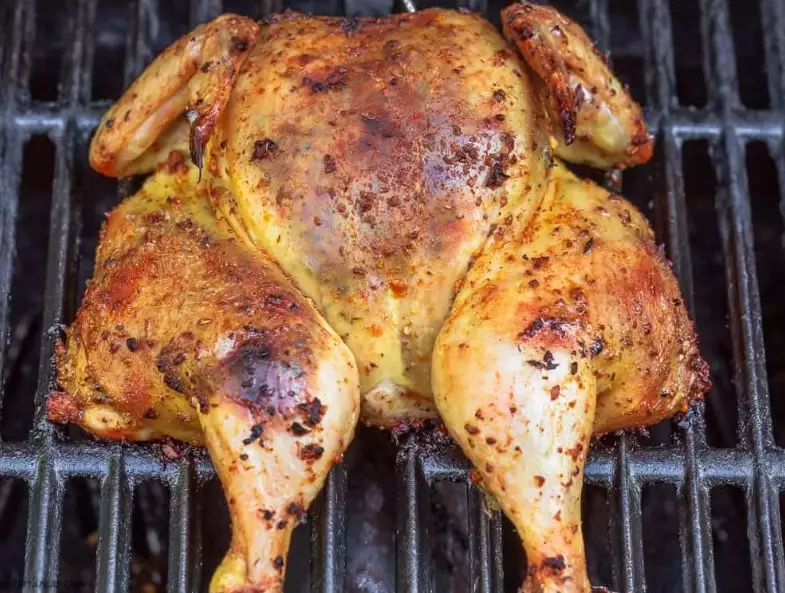
Turns out, it's not a project. It's an opportunity.
This guide is everything I wish I'd known back then. We're going to strip away the mystery of the entire chicken, from the moment you see it in the store to the moment you're picking the last bits of meat off the carcass for an incredible soup. No fluff, no complicated chef techniques (unless you want them), just clear, actionable steps. Whether you're trying to stretch your grocery budget, want more flavorful meals, or are just tired of the same old chicken parts, starting with a whole bird is the smartest move you can make.
Why bother with a whole chicken? The math is simple. Pound for pound, an entire chicken almost always costs significantly less than buying the parts separately. You're also getting a built-in variety pack: tender breasts, juicy thighs, flavorful legs, and wings. And the bones? They're liquid gold for making stock. It's the definition of getting more for your money.
Navigating the Meat Counter: How to Pick the Perfect Whole Bird
You walk up to the case and see a dozen plastic-wrapped chickens. They all look...similar. What's the real difference? It's not just about size.
The labels matter, but they can be confusing. Here’s a breakdown of what you’re actually looking at.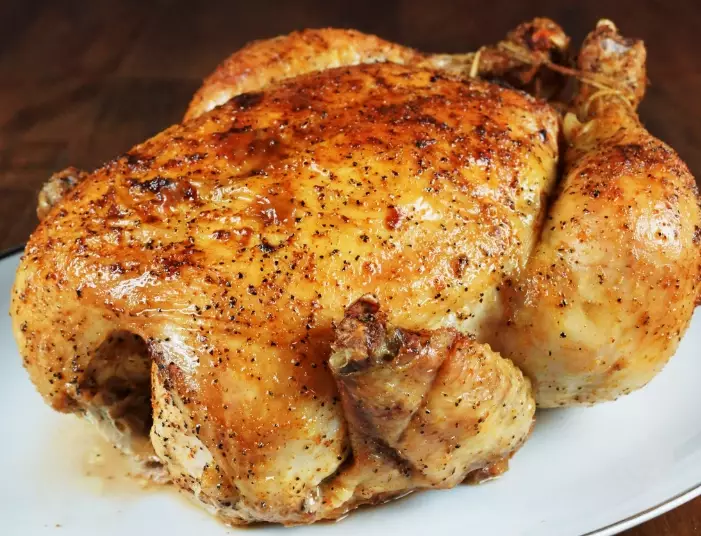
| Label Term | What It Actually Means | My Take & Best Use |
|---|---|---|
| Conventional | The standard, most common option. Raised in large barns, fed a standard diet. It's your affordable, everyday chicken. | Perfect for weeknight roasts, soups, or any recipe where the chicken is heavily seasoned. It's reliable and consistent. |
| Air-Chilled | The chicken is cooled with cold air after processing, not submerged in a cold-water bath. This results in less water absorption. | The skin gets much crispier when you roast it. The flavor is often more concentrated because you're not paying for water weight. Worth the small upcharge for a special roast. |
| Organic | Certified by the USDA. Must be fed 100% organic feed, have outdoor access, and not be given antibiotics or hormones (note: hormones are already banned in all poultry). | You're paying for the farming practices. The flavor can be richer, but the main benefit is supporting that specific agricultural method. Great if it fits your budget and values. |
| Free-Range | The birds have some degree of outdoor access. The specifics (how much time, space) aren't tightly regulated. | The term is a bit fuzzy. It might mean a small door in a barn. I don't pay a big premium for this label alone unless it's coupled with something else like Organic. |
| Pasture-Raised | A stronger standard than free-range. Birds spend a significant portion of their lives on pasture, foraging. Often verified by third parties. | This is where you'll notice a distinct difference in flavor and texture—darker meat, more robust taste. Treat it like a special occasion chicken. Roast it simply to let the flavor shine. |
My personal go-to? An air-chilled bird, usually in the 4 to 5-pound range. It's the sweet spot for a family meal with leftovers, and the air-chilling makes a world of difference for that perfect, crackly skin. I find the organic ones at my local warehouse club are often a great value, too.
Pro Tip: Feel the package. You want the chicken to feel firm and cold, with no tears in the plastic. Check the "sell-by" date and pick the one with the furthest date out—it's your best indicator of freshness. A little pinkish juice is normal, but avoid packages swimming in liquid.
And what about size? A 3 to 4-pounder is great for 2-3 people with some leftovers. A 5 to 6-pounder will feed a family of four comfortably, maybe with a fight over the crispy wings. Don't be afraid of a bigger bird—the leftovers are the best part.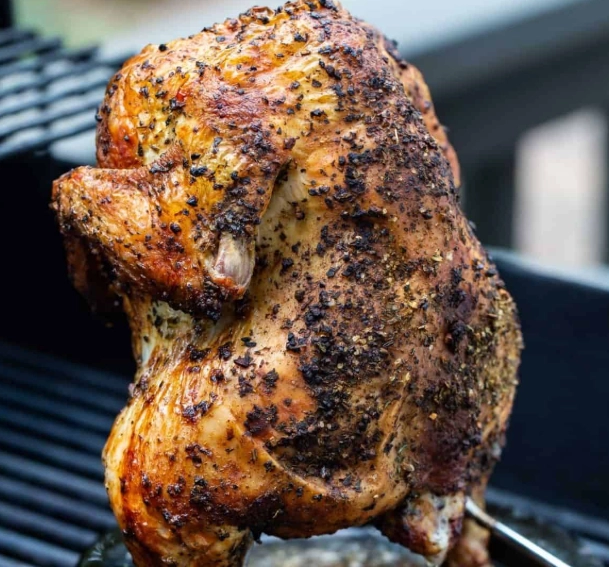
Before the Heat: The Essential Prep Work Nobody Talks About
This is the step most people rush or skip, and it's the number one reason their roast chicken is just okay instead of amazing. Good prep is non-negotiable.
Thawing Safely (This is Important)
If your entire chicken is frozen, please, for the love of food safety, do not leave it on the counter. The USDA is very clear on this: the only safe ways to thaw are in the refrigerator, in cold water, or in the microwave. The fridge method is best—it takes about 24 hours for every 5 pounds. Plan ahead. If you're in a pinch, submerge the sealed package in a bowl of cold water, changing the water every 30 minutes. It'll take a few hours.
A partially frozen chicken cooks unevenly. You'll have dry overcooked parts and dangerous undercooked parts. Just don't.
To Rinse or Not to Rinse?
This is a hot debate. For decades, everyone rinsed their chicken. Now, the USDA and most food safety experts say don't do it. Why? Rinsing under your kitchen tap does little to remove bacteria, but it can splash raw chicken juices up to 3 feet away, contaminating your sink, counter, and anything nearby. The high heat of your oven or pot will kill any surface bacteria far more effectively than your faucet ever could.
My method? I take the chicken out of its package over the sink, let any juices from the package drain, then pat the bird extremely dry with a huge wad of paper towels. I mean, dry it like you're trying to erase moisture from existence. This is the single best thing you can do for crispy skin. I toss the paper towels immediately and give the sink a quick spray with disinfectant.
Seasoning: Simple is Genius
You don't need 15 spices. For your first few times, stick with the holy trinity: Salt, Pepper, and Oil. Kosher salt and freshly ground black pepper. A neutral oil like avocado or a light olive oil. That's it. Be generous. Get the salt under the skin on the breasts and thighs—just gently loosen the skin with your fingers and slide some in there. This seasons the meat directly and helps the skin pull away and crisp up.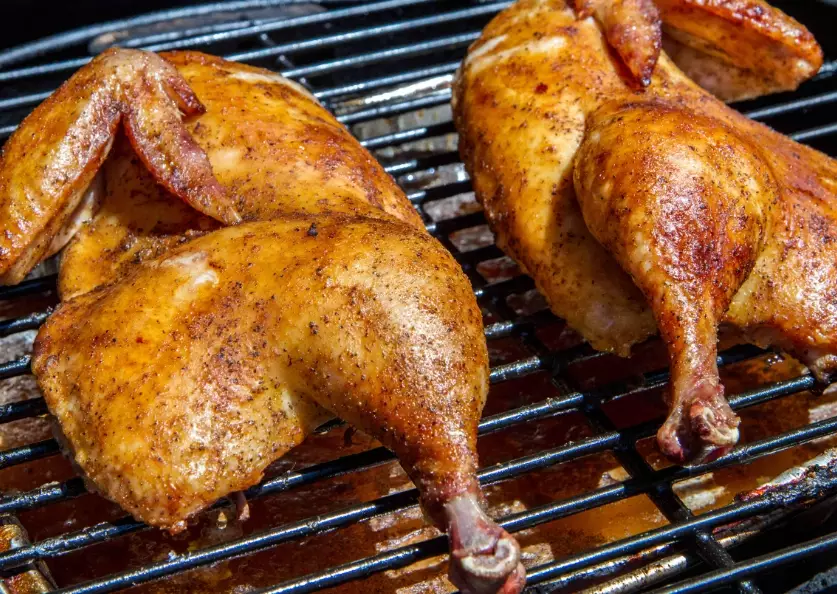
From there, the world is yours. A halved lemon and some garlic cloves in the cavity. A sprinkle of smoked paprika or thyme on the outside. A compound butter with herbs under the skin. But master the basic salt-and-oil method first. It's a revelation.
Let it rest! After you pat it dry, if you have time, place the chicken on a rack over a plate or baking sheet and leave it uncovered in the fridge for a few hours or even overnight. This "dry-brining" allows the skin to dry out further, leading to skin so crisp it shatters. It also lets the salt season deep into the meat.
Your Cooking Method Roadmap: From Oven to Instant Pot
Here's where the fun begins. An entire chicken isn't a one-trick pony. You can cook it in so many ways, and each method gives you a totally different result. Think of it as your versatile kitchen canvas.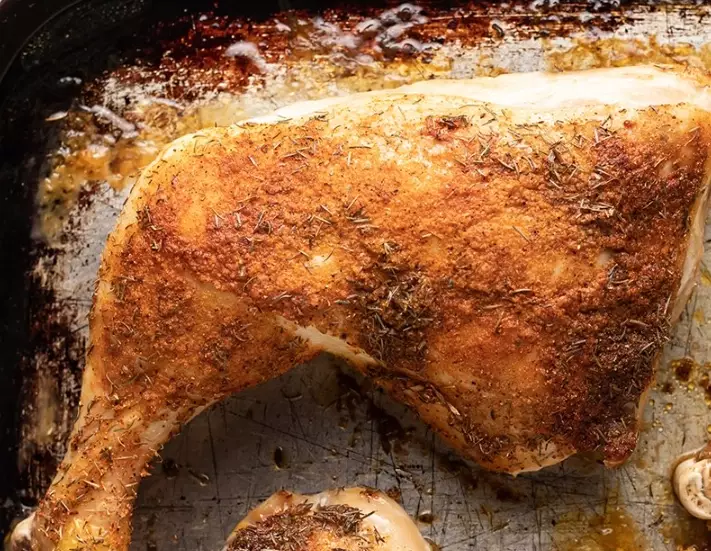
The Classic Roast: The Gold Standard
This is the method that feels like an accomplishment. Preheat your oven hot—I start at 425°F (220°C). Place your seasoned, dry bird on a rack in a roasting pan or even a cast-iron skillet (breast-side up). The rack is key for air circulation. Roast at the high heat for about 20-30 minutes to jump-start the browning, then reduce the heat to 375°F (190°C) until it's done.
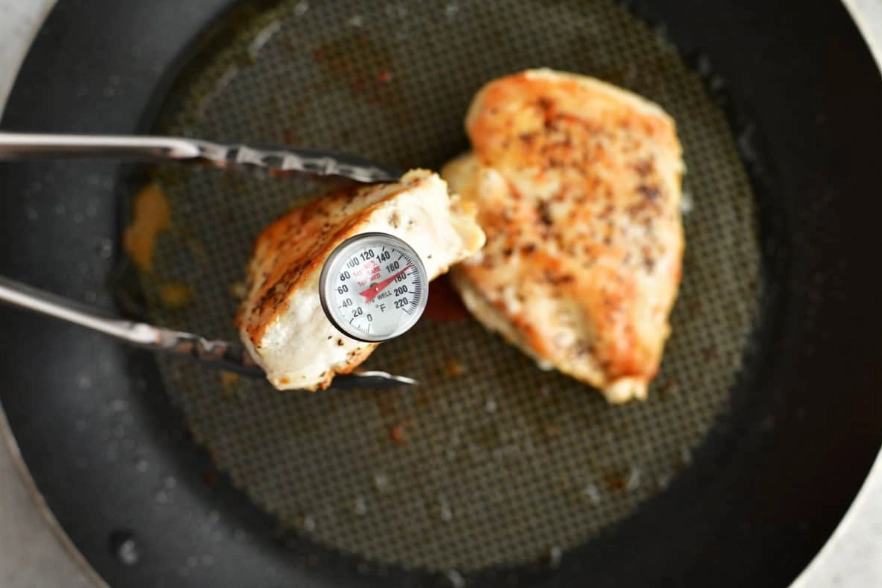
How do you know it's done? A meat thermometer is your best friend. Forget wiggling legs or clear juices—they're unreliable. Insert the thermometer into the thickest part of the thigh, not touching bone. It should read 165°F (74°C). The breast will be around 155-160°F, which is perfect—it'll carry over to a safe, juicy temperature as it rests. The Institute of Culinary Education has great resources on target temperatures for different meats.
Once out of the oven, let it rest for at least 15-20 minutes on a cutting board, loosely tented with foil. This lets the juices redistribute. If you cut in immediately, all those precious juices will run out onto the board, leaving you with dry meat.
Slow Cooker / Braising: The Hands-Off Miracle
This is my secret for "set it and forget it" meals and the most fall-off-the-bone tender meat. You don't even need to truss the bird. Just plop the seasoned entire chicken into your slow cooker. You can add a cup of broth, wine, or even just some chopped onions and garlic for moisture. Cook on LOW for 6-8 hours.
The downside? The skin will be pale and flabby. I hate that. So, I take the cooked chicken out, carefully place it on a baking sheet (it's very tender), and blast it under the broiler for 3-5 minutes to crisp up the skin. It’s an extra step, but it transforms the dish.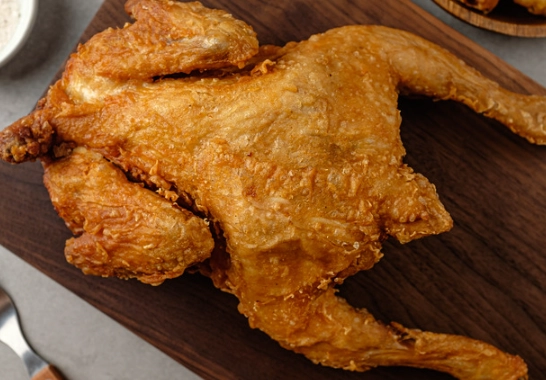
Spatchcocking (Butterflying): The Game-Changer
This sounds fancy but takes 2 minutes with kitchen shears. You cut out the backbone and press the chicken flat. Why bother? It cooks in about half the time (a 4-pound bird roasts in 45 minutes!), and everything—breast, thighs, legs—cooks evenly. No more dry breast while you wait for the thighs to cook. The entire surface area gets crispy skin. It's brilliant. Just search "how to spatchcock a chicken" on YouTube—it's easier to watch once than read about.
Breaking It Down Before Cooking
Sometimes, you don't want to cook the whole thing as one unit. Learning to cut a raw entire chicken into parts is a fundamental skill. You get two breasts, two thighs, two drumsticks, two wings, and a carcass for stock—all for that one low price. It feels empowering. Again, a quick video tutorial is worth a thousand words here. A sharp knife and knowing where the joints are is all it takes.
What To Do With All That Cooked Chicken? (The Best Part)
You've roasted your entire chicken. You had a fantastic dinner. Now you have a plate of leftover meat and a carcass with bits still clinging to it. This is where the real magic happens and your effort pays off triple.
First, pick all the meat. Get every last shred. Store it in a container in the fridge. That meat is now your meal-prep gold for the next 3-4 days. Here’s what I make, almost like clockwork:
- Day 1: Roast chicken dinner with veggies and potatoes.
- Day 2: Chicken salad sandwiches or a big chopped salad with chicken on top.
- Day 3: Chicken quesadillas, fried rice, or a quick pasta with chicken, garlic, and broccoli.
- Day 4: The last bits go into a pot of soup, a white chili, or a chicken pot pie filling.
Now, the carcass. Don't you dare throw it away. Making stock is not a fancy chef thing. It's throwing scraps in a pot and forgetting about it.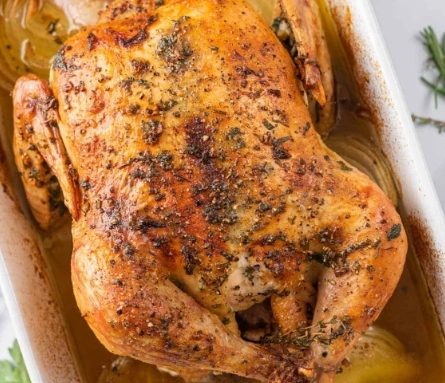
Easy Stock Recipe: Put the picked-over carcass in a large pot. Add any leftover onion skins, carrot ends, celery tops, a bay leaf, and a tablespoon of apple cider vinegar (the vinegar helps pull minerals from the bones). Cover with cold water. Bring to a bare simmer (tiny bubbles, not a boil) and let it go for 4-12 hours. Strain. You now have several quarts of rich, flavorful, nutrient-dense chicken stock that's better than anything in a box. Freeze it in jars or containers. Use it for soups, risotto, cooking grains, or sipping when you're sick.
Carving Like You Know What You're Doing
Carving intimidates people. They see a chef on TV do it in 30 seconds and think they can't. Forget the showmanship. Here's a practical, messy, effective way to do it.
- Let it rest. I know, I said it before. It's that important.
- Remove the legs. Hold the end of the drumstick, pull it gently away from the body, and cut through the skin and joint connecting it. Separate the thigh and drumstick at their joint if you want.
- Remove the wings. Similar process—pull away, find the joint, cut.
- Remove the breasts. Make a long cut along the center breastbone. Then, sliding your knife along the rib cage, cut one entire breast off in one piece. Repeat. You can then slice these breasts crosswise on a slight angle for nice servings.
That's it. You don't need to make it perfect. The goal is to get the meat off the bone and onto plates. You'll get better every time. I still make a bit of a mess, but the food tastes just as good.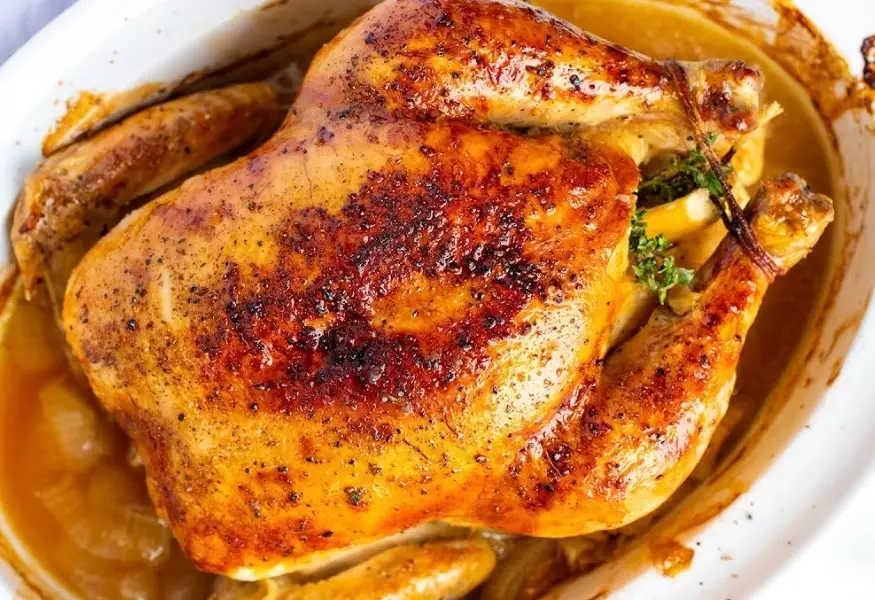
Your Entire Chicken Questions, Answered
I get a lot of questions from friends after they try this. Here are the big ones.
Food Safety Reminder: Always use a meat thermometer to ensure your entire chicken has reached a safe internal temperature of 165°F (74°C) in the thickest part of the thigh. Wash hands, utensils, and surfaces that touch raw chicken thoroughly with hot, soapy water. This isn't just a suggestion—it's critical for preventing foodborne illness.
Wrapping It All Up
So there you have it. The entire chicken isn't a relic or a chef's challenge. It's a simple, economical, and deeply satisfying way to feed yourself and your family. It teaches you fundamental cooking skills, reduces waste to almost zero, and gives you multiple meals from one purchase.
My advice? Start simple. Buy a 4-pound air-chilled chicken. Pat it dry. Rub it with salt, pepper, and oil. Roast it at 425°F for 20 minutes, then 375°F until the thigh hits 165°F. Let it rest. Carve it clumsily. Enjoy an amazing dinner.
Then, you'll see. The next time you're at the store, you'll look past the trays of parts and go straight for the whole bird. You'll know exactly what to do.
It becomes less of a recipe and more of a rhythm. A rhythm that saves money, reduces packaging waste, and fills your kitchen with the kind of smell that just feels like home. That's the real power of learning to cook an entire chicken.
Related Articles