Ultimate Guide to Boneless Chicken: Selection, Prep & Recipes
Let's be honest. Boneless chicken is the workhorse of the modern kitchen. It's fast, versatile, and seems simple enough. Yet, for something so common, it's surprisingly easy to mess up. I've lost count of the dry, rubbery chicken breasts I've endured—and served—before figuring it out. This isn't just another list of recipes. It's a deep dive into the why and how, pulling from years of trial, error, and conversations with butchers. We're going beyond "cook until done" to make sure your boneless chicken is never boring or tough again.
What's Inside This Guide
Choosing the Right Cut: It's Not All Breast
Your first decision is the most important. Grabbing the wrong cut for your recipe is the root of half the problems people have. Think of boneless cuts as tools, each with a specific job.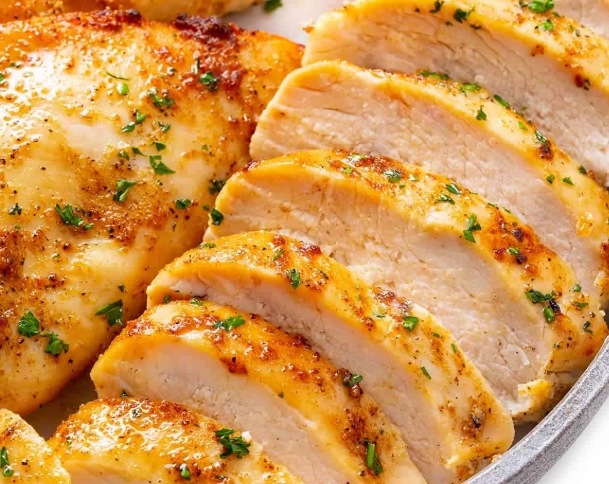
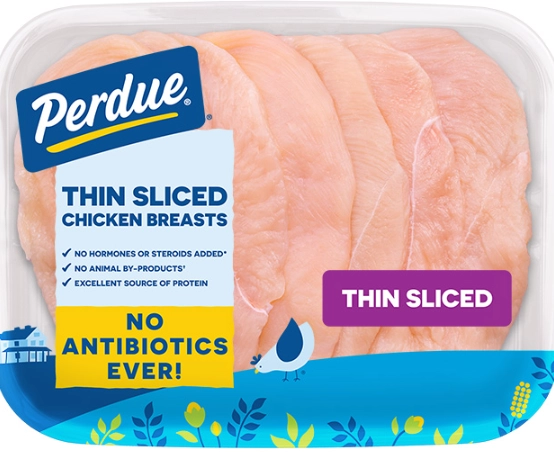
Boneless, Skinless Chicken Breast: The popular choice. It's lean, cooks quickly, and has a mild flavor. That mildness is its strength (great for absorbing marinades) and its weakness (it has no fat to bail it out if you overcook it). Perfect for: quick pan-searing, grilling, baking with a sauce, or slicing for stir-fries.
Boneless Chicken Thighs: My personal favorite for guaranteed juiciness. They have more fat and connective tissue than breasts, which means more flavor and a much more forgiving texture. They stay moist even if you leave them on the heat a few minutes too long. Perfect for: braising, curries, sheet-pan dinners, grilling, and any dish where you want a richer, more "chickeny" taste.
Boneless Chicken Tenders: These are the little strips attached to the underside of the breast. They're incredibly tender and cook in minutes. Great for: quick sautés, salads, kids' meals, or where you want uniform, bite-sized pieces.
| Cut | Best For | Key Characteristic | Watch Out For |
|---|---|---|---|
| Breast | Fast, lean meals, meal prep | Low fat, mild flavor | Dries out easily if overcooked |
| Thigh | Flavorful, juicy dishes, slow cooking | Higher fat, rich flavor | Can be greasy if skin is left on |
| Tender | Super quick cooking, finger foods | Extremely tender, small size | More expensive per pound |
A quick note on labels: "Natural" doesn't mean much. Look for air-chilled chicken if you can find it—it absorbs less water, so it sears better and tastes more concentrated. I find it at my local butcher or higher-end grocery.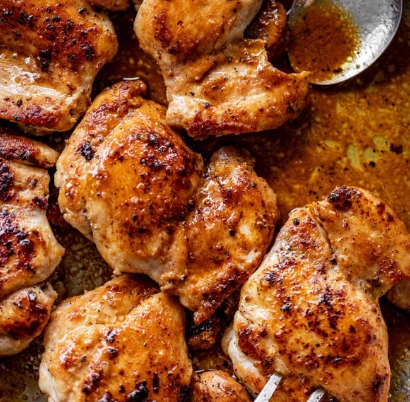
Prep Secrets You Probably Skip (But Shouldn't)
This is where the magic happens. Rushing prep is the silent killer of good chicken.
Pat it Dry. Seriously.
This might be the single most ignored tip. Moisture on the surface of the chicken steams instead of browns. Take two minutes to thoroughly pat the pieces dry with paper towels. You'll get a gorgeous, flavorful sear instead of a pale, soggy exterior.
To Pound or Not to Pound?
For breasts, almost always pound. Place them between two sheets of plastic wrap and use a rolling pin or pan to gently flatten them to an even thickness—about ½ inch is ideal. Why? It ensures the chicken cooks evenly. No more dry edges and raw centers. For thighs, it's less critical as they're already fairly even.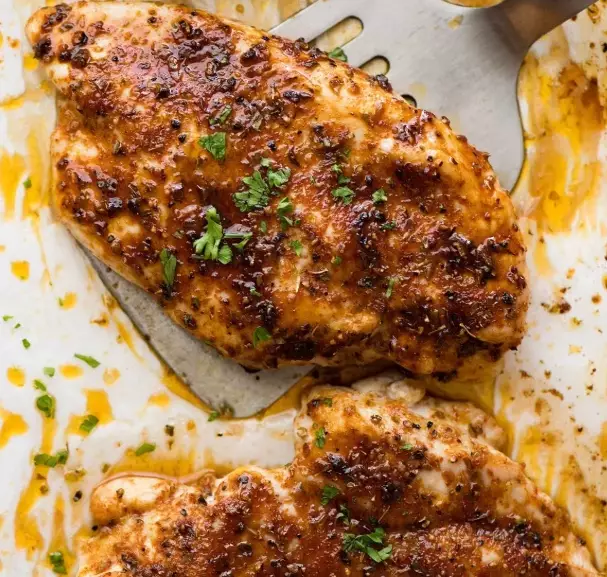
The Brining & Marinating Divide
People use these terms interchangeably, but they do different things.
Brine (salt + water): This is about moisture and seasoning from the inside out. A quick 30-minute soak in a ¼ cup salt to 4 cups water solution makes chicken remarkably juicier and well-seasoned throughout. Essential for lean breast meat.
Marinade (acid/oil/herbs): This is about surface flavor and tenderizing. The acid (lemon juice, vinegar, yogurt) breaks down surface proteins slightly. For boneless chicken, 30 minutes to 2 hours is plenty. Overnight in a strong acid can turn the outer layer mushy—a common mistake.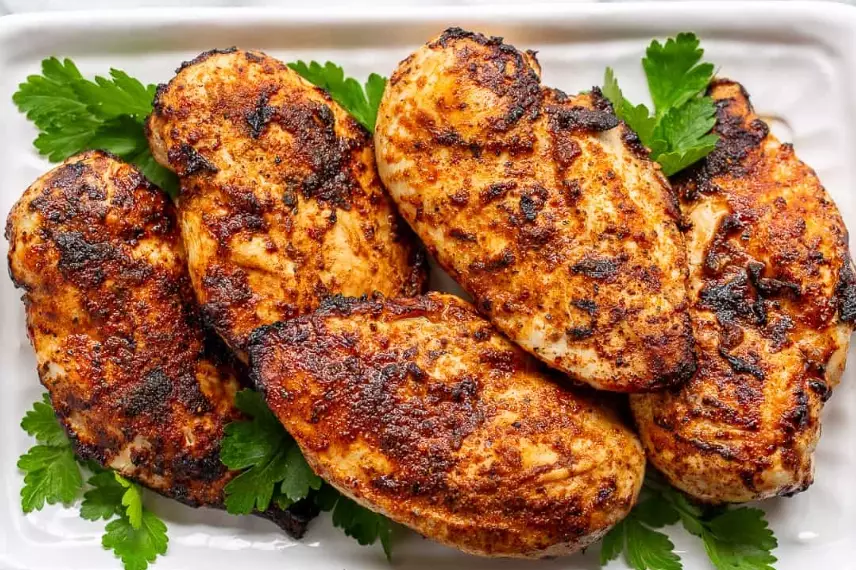
Cooking Methods Decoded: Heat & Time
Throwing boneless chicken into a pan on high heat and hoping for the best is a recipe for disappointment. Match the method to the cut.
Pan-Searing (The Weeknight Hero)
High heat, a heavy skillet (cast iron is king), and a little oil. Get the pan screaming hot before adding your dried, seasoned chicken. Don't move it! Let it form a crust for 5-7 minutes, then flip. For breasts, finish in a 375°F (190°C) oven if they're thick. For thighs, they can usually finish on the stovetop over slightly lower heat.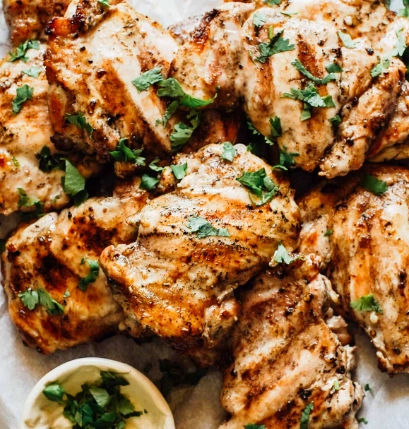
Baking & Roasting
Consistent, hands-off heat. For breasts, I bake at 425°F (220°C). The high heat encourages browning and cooks them fast, minimizing dryness. Thighs are more flexible; 375°F to 400°F (190°C to 200°C) works great. Always use a probe thermometer. Trusting "20 minutes per pound" is a gamble.
Grilling
Direct high heat for marks and flavor. The biggest trick? Clean and oil your grates well to prevent sticking. For breasts, keep them over direct heat for marks, then move to indirect heat to finish cooking through without charring. Thighs can handle more direct heat.
The Non-Negotiables: 1) Use a thermometer. Pull breast at 160°F (71°C), thigh at 165°F (74°C). Carryover cooking will do the rest. 2) Let it rest. For 5-10 minutes after cooking. This allows the juices, which have rushed to the surface, to redistribute throughout the meat. Cutting immediately sends all those juices onto your cutting board.
3 Foolproof Recipes to Start Tonight
Let's apply this. Here are three templates that work every time.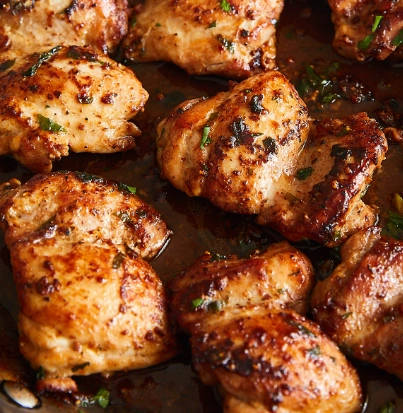
1. Pan-Seared Lemon Herb Chicken Breast
Pound two breasts even. Pat dry, season with salt and pepper. Sear in hot olive oil for 6 minutes per side until golden and 160°F internally. Remove, add 2 minced garlic cloves and ½ cup chicken broth to the pan, scraping up bits. Juice half a lemon, throw in some thyme, simmer for 2 minutes. Pour over rested chicken. Simple, bright, and foolproof.
2. One-Pan Honey Garlic Chicken Thighs
Season 4-6 thighs. Sear skin-side down (if skin-on) in an ovenproof skillet until crispy, flip. Remove excess fat. Add ⅓ cup honey, ¼ cup soy sauce, 3 garlic cloves (minced), 1 tbsp grated ginger. Stir, then place thighs back in sauce. Bake at 375°F (190°C) for 15-20 minutes until glazed and cooked. The fat from the thighs balances the sweet-salty sauce perfectly.
3. "Meal Prep" Italian Chicken
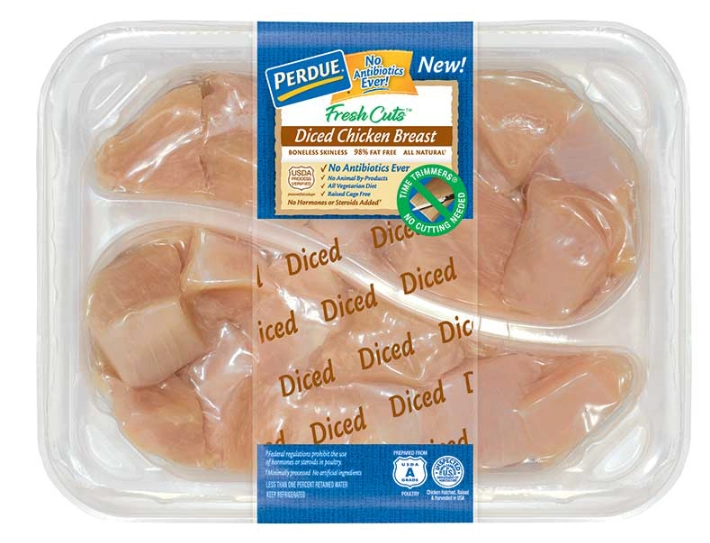
Cut 1.5 lbs of boneless breast or thigh into 1-inch cubes. Toss with 2 tbsp olive oil, 1 tbsp Italian seasoning, 1 tsp garlic powder, salt, pepper. Spread on a parchment-lined sheet pan. Roast at 400°F (200°C) for 12-15 minutes until cooked through. Cool and store. Use in salads, pasta, grain bowls, or wraps all week.
Storing & Freezing Like a Pro
Raw boneless chicken lasts 1-2 days in the fridge. Store it on a plate or tray on the bottom shelf to prevent drips. Cooked chicken is good for 3-4 days.
For freezing, don't just toss the store package in. Portion it out. Place individual breasts or thighs in a single layer on a baking sheet, freeze until solid (1-2 hours), then transfer to a heavy-duty freezer bag, squeezing out all the air. This "flash freezing" prevents a giant, icy block. Label with the date. Use within 9 months for best quality. Thaw safely in the fridge overnight.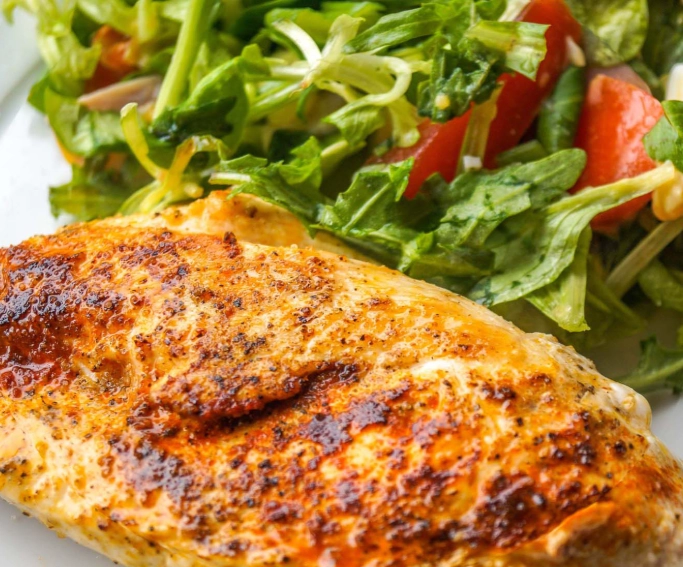
Your Top Boneless Chicken Questions
Mastering boneless chicken isn't about fancy techniques. It's about understanding a few core principles: choosing the right cut for the job, preparing it with purpose, cooking it to the right temperature, and letting it rest. Start with one recipe, focus on the thermometer and the rest time, and you'll immediately see a difference. From there, the possibilities are endless.
Related Articles