Chicken Wingettes Nutrition: Calories, Protein, and Healthy Cooking Tips
In This Guide
Let's be honest, when you grab a plate of chicken wingettes at a party or order them at a restaurant, you're probably not thinking about their nutritional profile. You're thinking about flavor, sauce, and maybe a little bit of guilt later. I get it. I used to be the same way. But after diving deep into the world of chicken wingettes nutrition, I realized there's a lot more to these little drumette and wingette pieces than just being a game-day snack. The truth is, they can be a decent source of protein, but the devil is in the details—specifically, how they're cooked and what you put on them.
I remember trying to eat "healthier" a few years back and completely cutting out wings, thinking they were just empty calories. Boy, was I wrong. I ended up missing out on a convenient protein source because I didn't understand the breakdown. So, let's clear the air. This isn't about telling you to never eat a crispy, saucy wing again. It's about giving you the facts so you can make informed choices, whether you're meal prepping, watching your macros, or just curious about what you're putting in your body.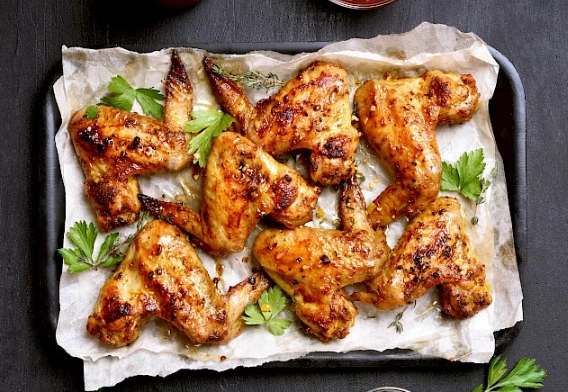
Breaking Down the Basic Chicken Wingettes Nutrition Facts
First things first, what exactly are we talking about? A "wingette" or "flat" is the middle section of the chicken wing, with two thin bones running parallel. It's got more skin-to-meat ratio than the drumette, which changes the nutrition game slightly. To get the most accurate data, we should look at trusted sources. The gold standard for food composition data in the US is the USDA FoodData Central database. According to their entry for chicken wing, meat and skin, raw, we can build a solid baseline.
Now, these numbers are for raw wingettes with skin on. That's crucial. The skin holds most of the fat, but it's also where a lot of the flavor lives. Removing it changes everything, but we'll get to that. For a typical serving—let's say about 3 wingettes, which is roughly 85 grams (3 ounces) raw—here's what you're looking at.
| Nutrient | Amount per 85g (3 raw wingettes) | % Daily Value (Based on 2000 cal diet) |
|---|---|---|
| Calories | ~220 calories | 11% |
| Total Fat | ~16 grams | 21% |
| Saturated Fat | ~4.5 grams | 23% |
| Protein | ~18 grams | 36% |
| Total Carbohydrates | 0 grams | 0% |
| Cholesterol | ~75 mg | 25% |
| Sodium | ~65 mg (raw, no seasoning) | 3% |
Right off the bat, the most striking part of chicken wingettes nutrition is the protein-to-calorie ratio. Getting 18 grams of protein for 220 calories is actually pretty good. That protein is complete, meaning it has all nine essential amino acids your body needs to build and repair tissue. For anyone active, that's valuable.
But then you see the fat. Sixteen grams is significant. About a third of that is saturated fat. This is where people often panic. However, not all dietary fat is the enemy. It provides energy, helps absorb vitamins, and that skin? It contains both saturated and unsaturated fats. The key, as always, is context within your overall diet.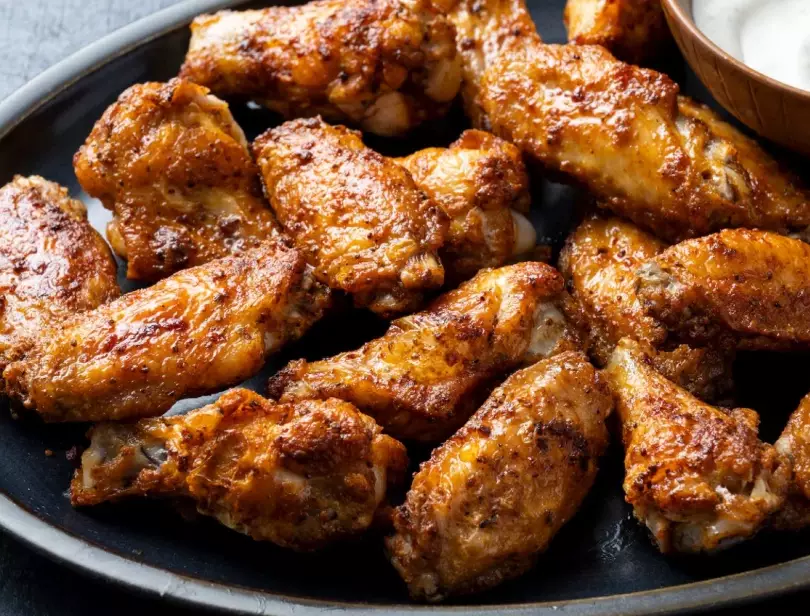
Interesting Fact: The fat content in chicken skin is about 50% monounsaturated fat (the same heart-healthy type found in olive oil), about 40% saturated fat, and 10% polyunsaturated fat. Removing the skin cuts the total fat and calories by more than half, but you also lose some of that beneficial monounsaturated fat and, let's face it, a ton of texture and flavor.
Protein: The MVP of Chicken Wingettes Nutrition
Let's talk about that protein number. Eighteen grams. To put that in perspective, it's roughly equivalent to the protein in 2.5 large eggs or a 3-ounce serving of lean sirloin steak. For a cut of meat that's often dismissed as "junk," that's a solid contribution to your daily needs. Protein is essential for feeling full and satisfied (satiety), which can actually help with weight management by preventing overeating later.
I've found that including a good protein source like wingettes (prepared sensibly) in my lunch keeps me from raiding the snack cupboard at 3 PM. The protein in chicken wingettes also supports muscle maintenance, which becomes increasingly important as we age to keep our metabolism humming.
Fat, Cholesterol, and The Big Misconception
The fat content is the elephant in the room. Yes, 16 grams is a lot if you're comparing it to a skinless chicken breast (which has about 3 grams for the same weight). But dietary cholesterol's impact on blood cholesterol isn't as direct as we once thought. For most people, saturated and trans fats have a bigger influence. The current Dietary Guidelines for Americans focus more on limiting saturated fats to less than 10% of daily calories rather than strictly limiting dietary cholesterol.
So, for our 220-calorie serving of wingettes, the 4.5g of saturated fat is about 20% of a 2,000-calorie diet's recommended max (22g). It's a meaningful amount, so you wouldn't want to make deep-fried, heavily sauced wingettes a daily staple. But having them as an occasional part of a balanced diet? That's a different story.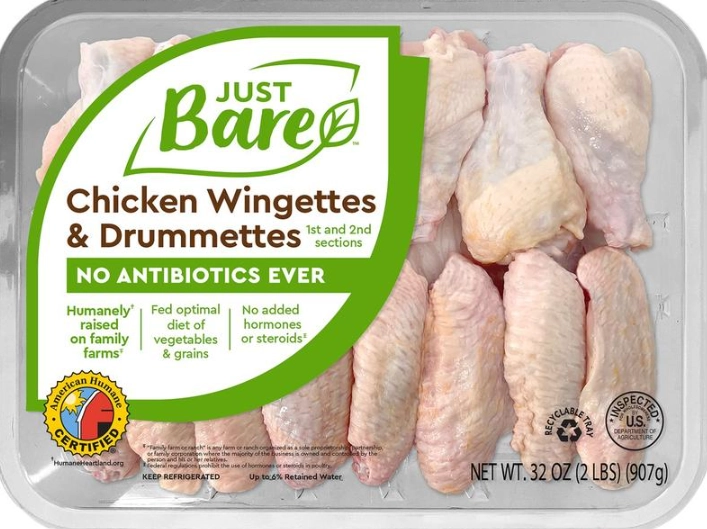
Watch Out: These numbers are for plain, raw wingettes. The sodium number (65mg) is practically zero. This is the most deceptive part of the raw nutrition facts. Once you add seasoning, brine, marinade, sauce, or fry them in salted oil, the sodium content can skyrocket to over 500mg per serving easily. That's the real hidden culprit in many prepared wingettes, not just the fat.
How Cooking Method Transforms Chicken Wingettes Nutrition
This is where the rubber meets the road. The raw nutrition facts are just a starting point. How you cook wingettes has a dramatic, and I mean dramatic, effect on the final calorie, fat, and sodium count. It's the difference between a moderately healthy protein snack and a calorie-dense indulgence.
Let's compare the big four methods: baking/roasting, deep-frying, air-frying, and grilling. I've tried them all in my own kitchen, and the results (and clean-up) vary wildly.
| Cooking Method | Effect on Calories/Fat | Effect on Health Profile | My Personal Take on Taste & Texture |
|---|---|---|---|
| Baking/Roasting | Fat renders out. Calories stay close to raw or decrease slightly. Using a rack lets fat drip away. | Best method for minimizing added fat. You control all seasoning, so sodium can be managed. | Can be fantastic if done right (high heat, 400°F+). Skin gets crispy but not as uniformly as frying. My go-to for a "healthier" feel. |
| Deep-Frying (The classic way) | Absorbs cooking oil. Can add 50-100+ extra calories and 5-10g+ of fat per serving. Total fat can jump to 25g+. | Worst profile. High in added unhealthy fats (if oil is reused) and often high sodium from batter/seasoning. | Unbeatable texture—super crispy skin, juicy inside. The gold standard for taste, but I feel sluggish after eating more than a few. A sometimes food. |
| Air-Frying | Uses minimal to no added oil. Fat content and calories are very close to baking, maybe even lower as it's efficient at rendering fat. | Excellent profile. Similar benefits to baking. A great compromise for getting a fried-like texture. | Surprisingly good crispiness with just a light spray of oil. The skin gets nicely rendered. My favorite method for weeknights—fast and less mess. |
| Grilling | Fat drips into the fire. Can have a similar or slightly lower fat content than baking. | Excellent profile. Adds smoky flavor without needing extra fat. Watch for charring, which can create potentially harmful compounds. | Amazing flavor. Can be tricky to keep them from sticking or burning due to high sugar content in many sauces. Best for dry rubs in my experience. |
See what I mean? The cooking method is arguably more important than the raw ingredient itself when evaluating chicken wingettes nutrition. A deep-fried wingette's nutrition label is a totally different beast from a baked one.
And then there are the sauces. A plain baked wingette is one thing. Drench it in a traditional butter-based buffalo sauce or a sweet, sticky Asian glaze, and you're adding significant amounts of fat, sugar, and sodium. A tablespoon of a typical buffalo sauce can add 70 calories, 7g of fat, and 400mg of sodium. A sweet BBQ sauce might add 60 calories and 12g of sugar per tablespoon. These additions can double the calorie impact of the wing itself.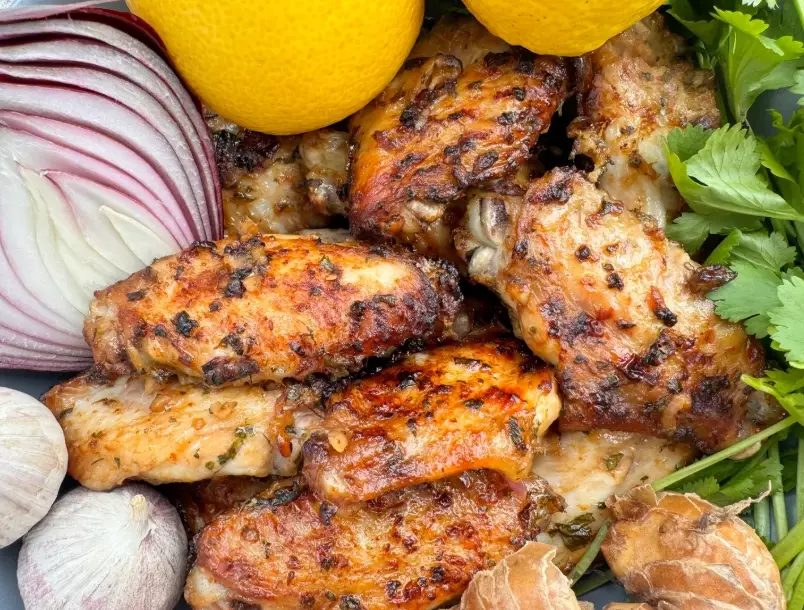
The Air Fryer Revolution: A Game Changer?
I was skeptical of air fryers for a long time. Just a small convection oven, right? But for wingettes, it's been a revelation. You get that crispy, blistered skin that feels indulgent with just a fraction of the oil. From a chicken wingettes nutrition perspective, it lets you keep the skin (and its flavor/fat) while letting much of the subcutaneous fat underneath render out and drip away. The final product is less greasy, still flavorful, and the nutrition facts are much closer to the optimistic raw numbers we started with.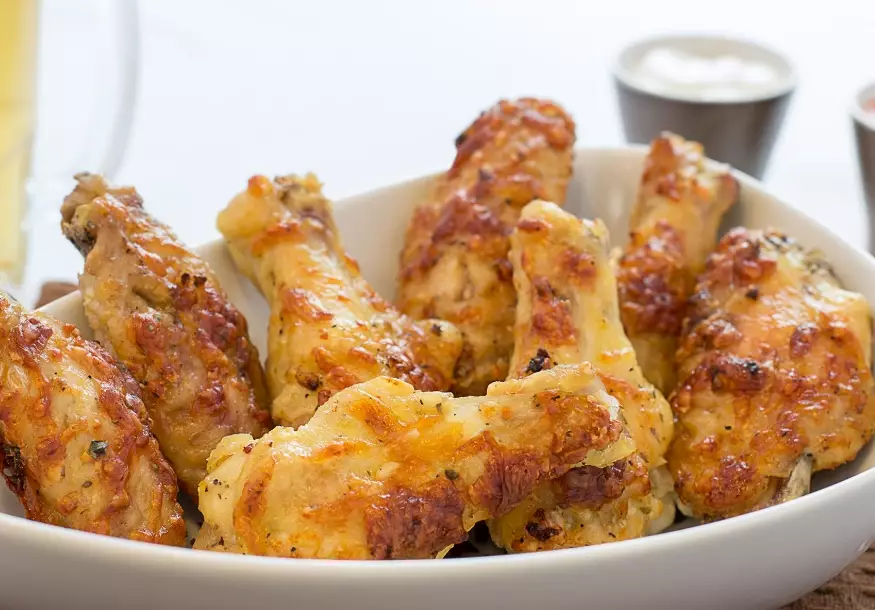
Vitamins and Minerals: The Unsung Heroes
While we obsess over macros (protein, fat, carbs), the micronutrient profile of chicken wingettes is nothing to sneeze at. They provide a useful mix of B vitamins and minerals. Based on that same USDA data, a serving provides:
- Niacin (Vitamin B3): About 25% of the Daily Value (DV). Crucial for energy metabolism and nervous system function.
- Vitamin B6: About 15% of the DV. Important for protein metabolism and brain health.
- Phosphorus: About 15% of the DV. Works with calcium for bone health.
- Selenium: A whopping 20-25% of the DV. This is a big one. Selenium is a powerful antioxidant that supports thyroid function and the immune system.
- Zinc: About 10% of the DV. Essential for immune function, wound healing, and taste/smell.

These aren't trivial amounts. They contribute to making chicken wingettes a nutritionally dense food, not just "empty" calories. The selenium content, in particular, is a standout benefit that doesn't get enough attention in discussions about chicken wingettes nutrition.
So, are chicken wingettes "healthy"? It's the wrong question. A better question is: "Can chicken wingettes fit into a healthy eating pattern?" And the answer is yes, absolutely—if you're mindful of how they're prepared and how often you eat them. They offer high-quality protein and important nutrients. The potential downsides (saturated fat, sodium) are primarily tied to preparation, not the wingette itself.
Your Burning Questions About Chicken Wingettes Nutrition, Answered
Putting It All Together: A Realistic Approach
After all this, what's the verdict? Chicken wingettes are neither a superfood nor a forbidden food. They're a source of good nutrition that requires a bit of strategy to enjoy optimally.
Here's my personal framework, born from trial and error:
- Prioritize Cooking Method: Air-fry or bake 90% of the time. Save deep-frying for rare, special occasions. The texture difference isn't worth the regular nutritional hit.
- Master the Dry Rub: Find 2-3 dry rub combinations you love. It eliminates the added fat and sugar of liquid sauces and creates a delicious, crispy crust.
- Balance Your Plate: Never make wingettes the whole meal. They are a component. Load at least half your plate with non-starchy vegetables (celery and carrot sticks are classic for a reason!). Add a sensible portion of a whole grain or starchy veg for fiber.
- Listen to Your Body: The high fat and protein content means they are satiating. Eat slowly. Stop when you're satisfied, not when the plate is empty. I often find 3-4 well-prepared wingettes are more than enough when paired with sides.
- Check Restaurant Menus: If you're ordering out, don't be shy about asking how they're prepared. "Are they breaded?" "Can I get them grilled or baked with a dry rub?" Many places offer these options now.
The goal isn't perfection. It's making a better choice most of the time. Understanding chicken wingettes nutrition gives you the power to do that. You can enjoy the social fun, the finger-licking goodness, and the protein boost without derailing your health goals. That, to me, is the real win.
So next time you're eyeing that platter, you'll know exactly what you're getting into. You can appreciate the 18 grams of protein, the selenium boost, and decide if the cooking method fits your day. That's a far better place to be than just feeling guilty. Now, if you'll excuse me, I have some paprika-and-garlic rubbed wingettes waiting in my air fryer.
Related Articles