What Part of the Chicken is White Meat? A Complete Guide to Cuts & Nutrition
Quick Guide
Okay, let's cut right to the chase. You're probably here because a recipe called for "white meat chicken," you're trying to make a healthier choice at the grocery store, or you're just plain curious why your chicken breast is pale and your thigh is dark. It seems like a simple question—what part of the chicken is white meat?—but the answer touches on biology, nutrition, and even cooking science. I remember staring at a whole chicken the first time I tried to roast one, utterly confused about which part was which. Let's clear that up for good.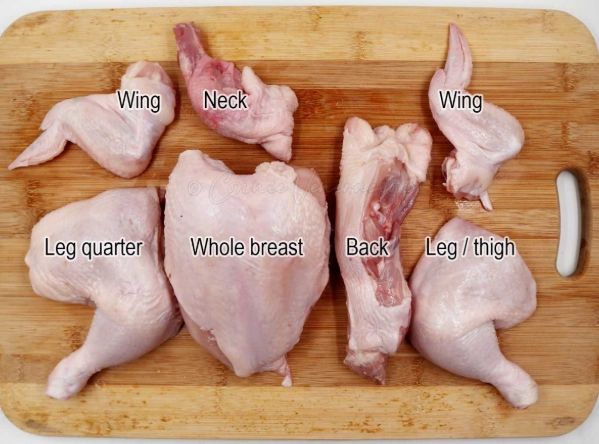
The Quick Answer: The white meat on a chicken comes from muscles that are used less frequently for sustained activity. These muscles get their energy primarily through short, anaerobic bursts and contain fewer blood vessels and less of a protein called myoglobin, which is what gives dark meat its color. In practical terms, for the home cook, the white meat cuts are:
- The Breast: The whole breast, including the main breast filet and the smaller, more tender tenderloin attached underneath.
- The Wings: Specifically, the two upper portions—the drumette and the wingette (or flat). The wingtip is mostly skin and bone.
That's it. The legs (thighs and drumsticks) are definitively dark meat. It's a binary based on muscle function, not some arbitrary decision by butchers.
But if we stopped there, this guide wouldn't be much help, would it? Knowing what part of the chicken is white meat is step one. The real value comes from understanding why it matters for your cooking, your health goals, and your wallet. We're going to dive deep into each cut, bust some myths, and I'll even share a few hard-learned lessons from my own kitchen disasters (yes, I've turned many a breast into a dry, flavorless puck).
The White Meat Lineup: A Cut-by-Cut Breakdown
Not all white meat is created equal. Even within the category, texture, flavor, and best uses vary dramatically. Let's meet the players.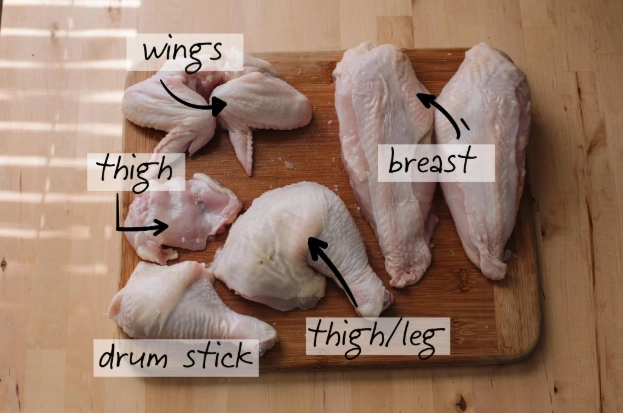
1. The Chicken Breast: The Main Event
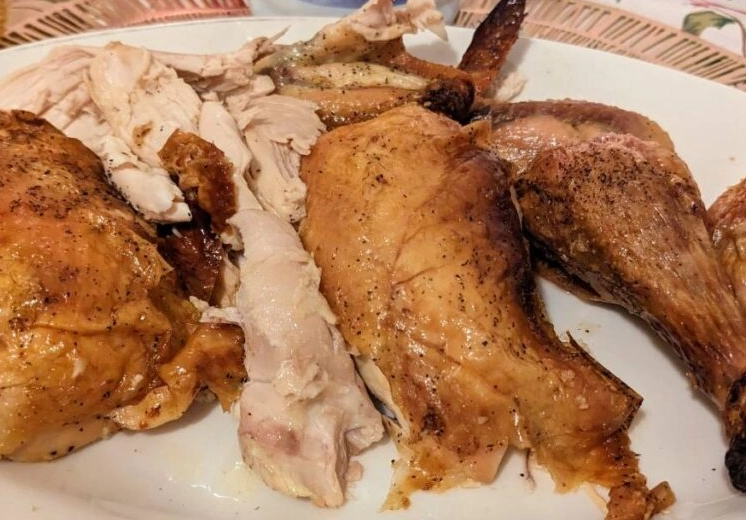
This is the poster child for white meat. It's the large, lean, double-lobed muscle from the chest of the bird. Because chickens don't use their pectoral muscles for flying (at least not sustained flight), these muscles are pale and low in fat.
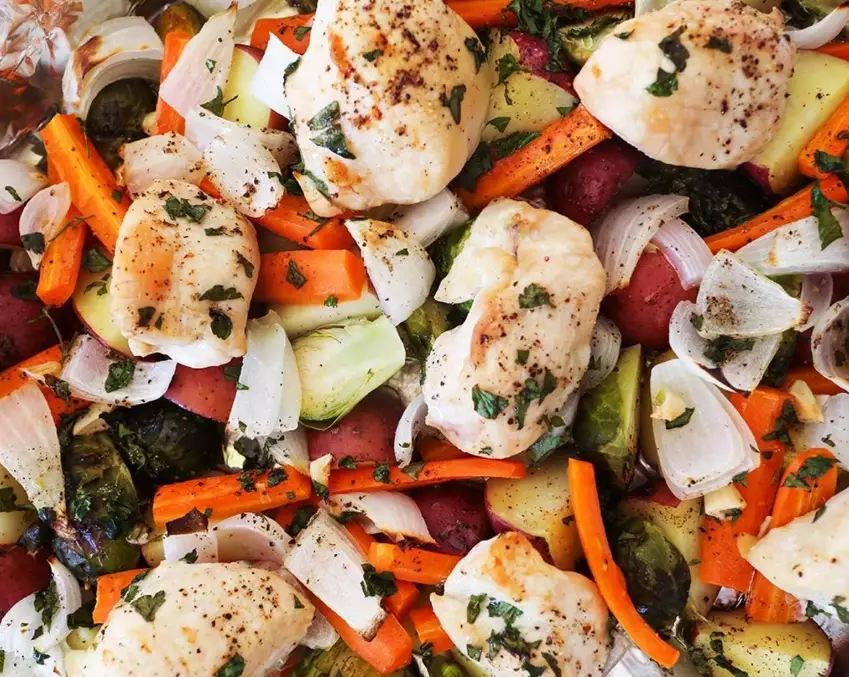
What you need to know: Breasts are incredibly versatile but notoriously easy to overcook due to their low fat content. A perfectly cooked breast is juicy and tender; an overcooked one is tough and stringy. You can buy them bone-in, skin-on, boneless, or skinless. The bone and skin add a ton of flavor during cooking and help protect the lean meat from drying out. Personally, I almost always cook bone-in, skin-on breasts for roasting or grilling and then remove the skin after cooking if I want to save on calories. It's a cheat code for flavor.
The Tenderloin: That little strip of meat tucked under the main breast. It's the most tender part of the entire bird because it's the least worked muscle. It cooks in a fraction of the time of the main breast filet, so if you're cooking a whole breast with the tenderloin attached, consider cutting it off and cooking it separately to avoid overcooking it. They're fantastic for quick stir-fries or chicken fingers.
2. The Chicken Wings: The Surprising Member
This trips a lot of people up. When you think of buffalo wings, you might think "greasy" and assume dark meat. Nope. The meat in the two main, meaty parts of the wing—the drumette (looks like a mini drumstick) and the wingette or flat (the two-boned middle section)—is white meat. The wingtip is just for stock.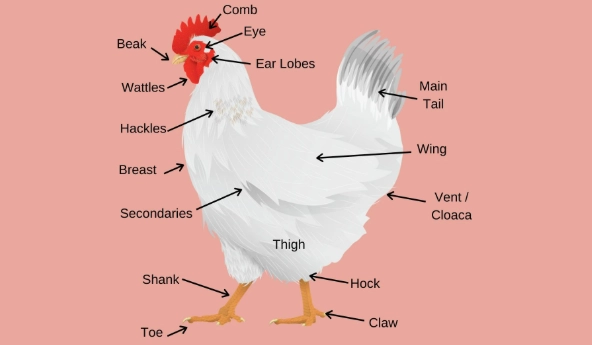
Why are wings white meat? Chickens don't use their wings for long-distance flight. The muscles are designed for quick, flapping bursts (like escaping a predator or getting up to a roost), which aligns with the white muscle fiber profile. The high fat content associated with wings comes almost entirely from the skin, which is famously plentiful and crisps up beautifully.
So, when you're wondering what part of the chicken is white meat, don't forget the wings. They're the outlier in terms of fat content but biologically fit the bill.
White Meat vs. Dark Meat: The Head-to-Head
This is where things get practical. The difference between white and dark meat isn't just color. It affects everything in your kitchen. Let's look at the data, pulling from the USDA FoodData Central for standardized nutrition. The following is for a 100-gram (3.5 oz) cooked portion, skinless.
| Nutrient / Characteristic | Chicken Breast (White Meat) | Chicken Thigh (Dark Meat) |
|---|---|---|
| Calories | 165 kcal | 209 kcal |
| Total Fat | 3.6 g | 10.9 g |
| Saturated Fat | 1.0 g | 3.0 g |
| Protein | 31.0 g | 26.0 g |
| Iron | 0.9 mg (5% DV) | 1.3 mg (7% DV) |
| Zinc | 1.0 mg (9% DV) | 2.4 mg (22% DV) |
| Flavor Profile | Milder, cleaner | Richer, more "chicken-y" |
| Texture (Cooked) | Firm, can be dry if overcooked | Juicy, tender, forgiving |
| Best Cooking Methods | Quick-cook: Grilling, pan-searing, baking (with care) | Slower, moist methods: Braising, stewing, roasting (forgiving) |
The takeaway? White meat wins on lean protein and lower calories/fat. Dark meat wins on micronutrients like iron and zinc (thanks to the higher myoglobin and blood supply), flavor, and juiciness. There's no "better" option—only what's better for your specific goal tonight.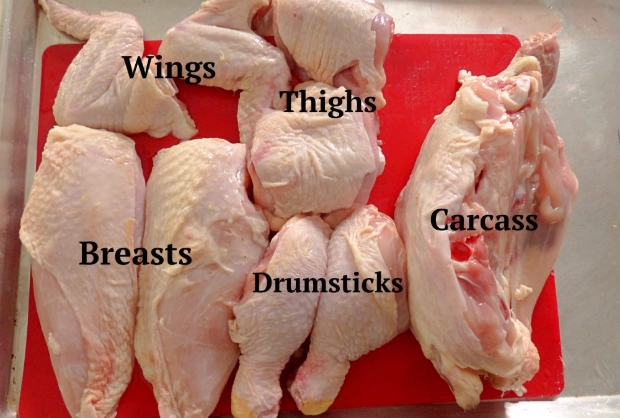
Why Does Knowing Your White Meat Matter?
Beyond trivia, correctly identifying what part of the chicken is white meat has real-world implications.
For Health & Diet: If you're on a strict low-fat or high-protein diet (think bodybuilding or certain medical diets), skinless chicken breast is your go-to. It's the leanest source of animal protein widely available. The CDC's guidelines on healthy eating emphasize lean proteins, and this is exactly what they're talking about. But if you're just generally health-conscious, don't fear the thigh. The fat difference isn't monstrous, and the extra nutrients and satisfaction factor can prevent overeating later.
For Cooking Success: This is huge. You wouldn't braise a chicken breast for two hours or quickly grill a chicken thigh for three minutes per side and expect good results. White meat, with its low fat, has less margin for error. It's done at an internal temperature of 165°F (74°C). A good digital thermometer is non-negotiable here. Pull it off the heat at 160°F—it'll carry over to 165°F as it rests. Dark meat, with more connective tissue and fat, can and often should be cooked to a higher temperature (175-185°F) to break down that tissue and become fall-apart tender.
For Cost: Generally, boneless, skinless chicken breast is the most expensive cut per pound. Why? It's the most in-demand for its perceived health benefits. But you can often find whole chickens or bone-in, skin-on parts for much less. Learning to break down a whole chicken or cook bone-in parts is a massive money saver. The National Chicken Council's consumption data shows breast meat's popularity, which directly drives its price.
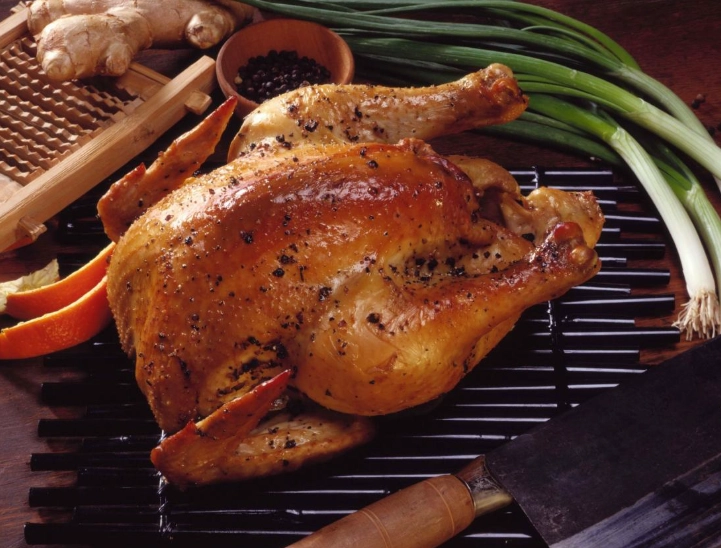
Here's a confession: For years, I only bought boneless, skinless breasts because I thought they were the "healthy" option. I struggled with dry, bland chicken. Then I tried a simple roast chicken with crispy skin. The breast meat, cooked on the bone with the skin protecting it, was a revelation—juicy and full of flavor. I realized I was sacrificing enjoyment and cooking success for a marginal fat difference. Now I choose based on the meal, not a rigid rule.
How to Cook White Meat Chicken So It's Actually Good
Let's get practical. The biggest complaint about chicken breast is that it's boring and dry. It doesn't have to be. Here's the mindset shift: treat white meat as a delicate, lean canvas, not a bulletproof piece of meat.
- Brine or Dry-Brine: A simple soak in saltwater (a brine) for 30 minutes to a few hours, or just salting it heavily an hour before cooking (dry brine), works wonders. The salt helps the muscle fibers retain moisture during cooking. This is my number-one tip for preventing dry breast meat.
- Pound to Even Thickness: Breasts are often lumpy. Place them between plastic wrap and gently pound the thicker end so the whole cutlet is an even ½ to ¾ inch thick. This ensures everything cooks at the same rate.
- Embrace High Heat & Fast Cooking: Sear it in a screaming hot pan to get a golden crust, then finish in a hot oven, or grill it over direct heat. You want to cook it quickly to minimize moisture loss.
- Stop When It's Done! I can't stress the thermometer enough. Visual cues fail. 165°F internal. Period.
- Let it Rest: After cooking, let the meat rest on a cutting board for 5-10 minutes. The juices, which have been driven to the center by the heat, will redistribute throughout the meat. If you cut it open immediately, all those juices just run out onto your plate.
For wings, the game is all about rendering the fat in the skin to achieve crispiness. Baking powder in your dry rub (not baking soda!) can help dehydrate the skin for an extra-crispy oven-baked wing. For frying, double-frying (fry once at a lower temp to cook through, rest, then fry again at high heat to crisp) is the professional secret.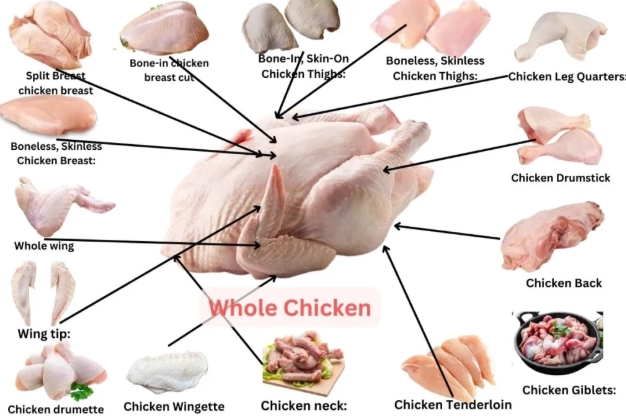
Think of it this way: Dark meat is forgiving. White meat is precise. Knowing what part of the chicken is white meat means knowing you need to pay a bit more attention to the clock and the thermometer.
Your Questions, Answered (The FAQ)
See? The question of what part of the chicken is white meat opens the door to so many other practical cooking questions. It's never just about color.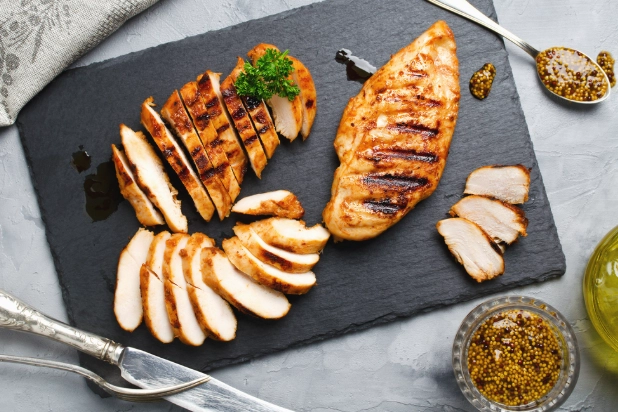
The Final Verdict
So, let's circle back. What part of the chicken is white meat? The breast (including the tenderloin) and the wings. It's defined by biology, not opinion.
But knowing this is just the first step. The real power is in applying that knowledge. Choose the breast when you want a lean, mild canvas for flavors or are counting every gram of fat. Choose the wing when you want crispy, party-friendly food (remembering the white meat is underneath all that skin). And don't write off dark meat—it's often more flavorful, nutritious, and forgiving, making it a better choice for weeknight dinners where you don't want to babysit the thermometer.
The best cooks aren't dogmatic. They understand the tools in their toolbox. Now you know exactly what the white meat tool is, how it works, and when to use it. That means you're already ahead of the game.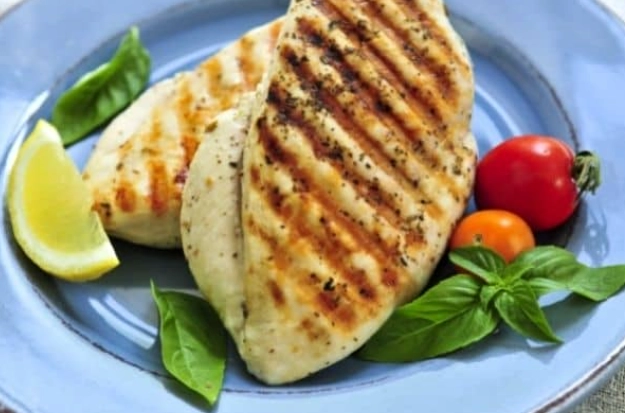
Go grab a chicken. Look at it. You know what you're looking at now. That confidence is what makes cooking fun, not a chore. And hey, if you accidentally overcook a breast once in a while? We've all been there. Just drown it in a good sauce and try again next time.
Related Articles