What Is Dark Meat Chicken? Cuts, Nutrition & Cooking Guide
Quick Navigation
- Breaking Down the Cuts: Your Dark Meat Map
- Dark Meat vs. White Meat: It's More Than Just Color
- The Real Deal on Nutrition: Is Dark Meat Unhealthy?
- How to Cook Dark Meat Chicken Like a Pro (No More Dry Chicken!)
- Answering Your Burning Questions (FAQ)
- Wrapping It Up: Why You Should Give Dark Meat a Chance
You've probably heard the terms tossed around at the grocery store or on a menu: dark meat versus white meat. Maybe you have a strong preference, or maybe you've always wondered what the actual difference is. Is it a different type of chicken? A different muscle? Let's clear this up once and for all.
When we talk about what is the dark meat of a chicken, we're referring to specific cuts that come from the parts of the bird that get more exercise. It's not a breed thing. It's an anatomy and biology thing. Think about it. A chicken spends most of its life walking around. Which muscles are working constantly? The legs and thighs. Wings get used for flapping (though less so in commercial farms). The breast? That just sits up top, mostly for show and the occasional burst of energy.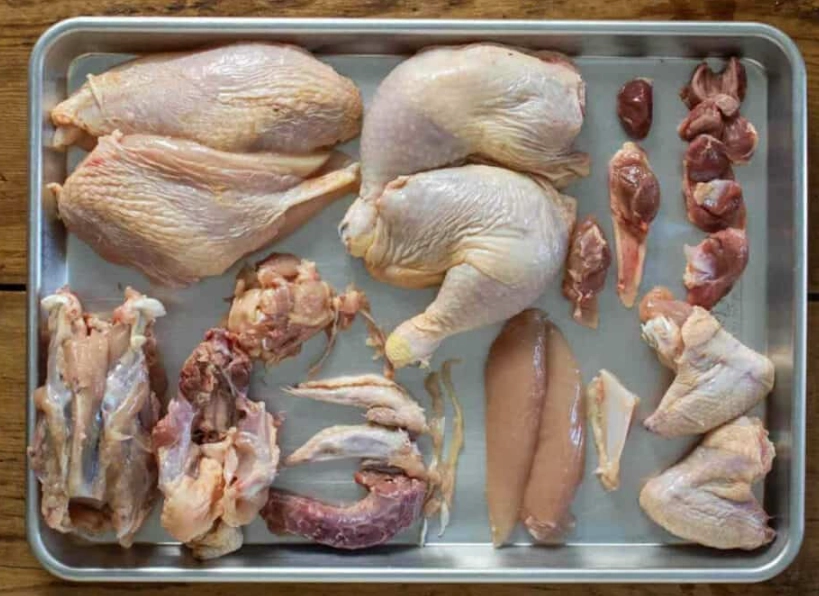
This isn't just chicken trivia. Knowing what dark meat on a chicken is changes how you shop, cook, and eat. It explains why a chicken thigh stays juicy under the broiler while a breast can turn into a dry hockey puck. It's the secret to more flavorful, forgiving, and often more economical meals.
I used to be a breast-meat-only person. I bought into the idea that it was the "cleaner," healthier choice. Then I actually cooked a proper chicken thigh. The flavor was deeper, richer, almost nutty compared to the mild breast. It was a game-changer. Now, my freezer is stocked with them.
Breaking Down the Cuts: Your Dark Meat Map
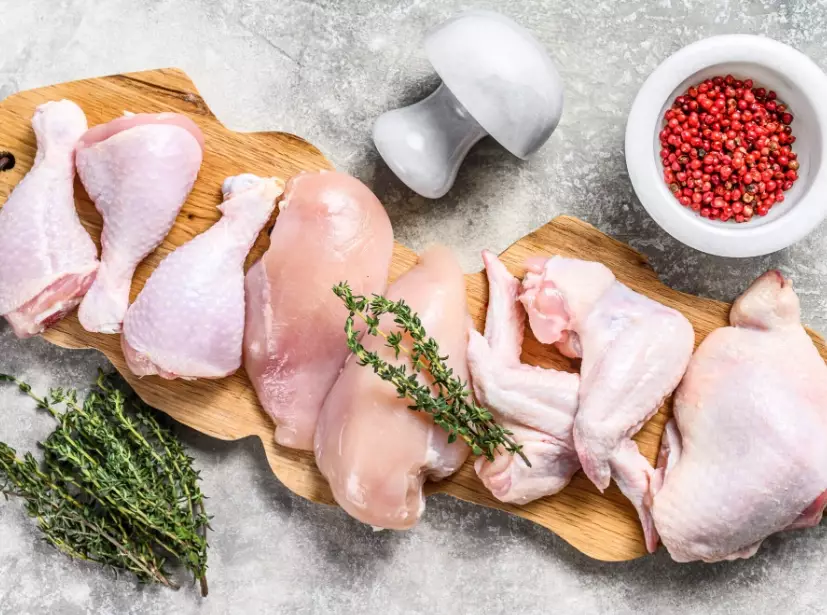
Let's get specific. When you ask what is the dark meat of a chicken, you're usually talking about three main areas. It's not just one thing.
Thighs: The Flavor Powerhouse
This is the upper part of the leg. It's a single, large, oval-shaped muscle with a bone running through it (bone-in) or removed (boneless). Thigh meat is marbled with fat, which is the source of its incredible juiciness and rich taste. It's my absolute go-to for almost everything. Grilling, baking, braising—thighs can handle it all without drying out. You can find them with the skin on or off. Personally, I think the skin, when cooked to crispiness, is one of life's great pleasures, though I don't always eat it.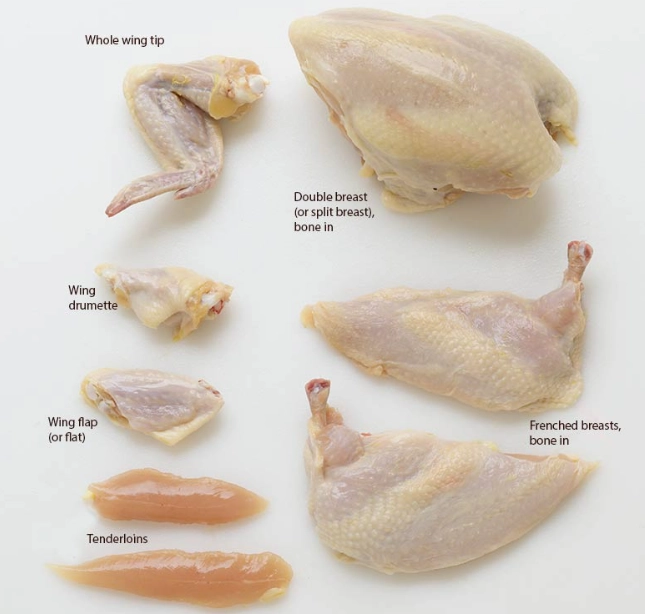
Drumsticks: The Classic Comfort Food
The lower part of the leg. It's attached to the thigh and has a signature shape everyone recognizes. Drumsticks are a bit trickier to eat neatly, but they're fun, especially for kids. The meat is slightly firmer in texture than the thigh because the muscle fibers work a bit differently. They're perfect for roasting whole, frying, or throwing into a slow cooker for stews. The connective tissue around the bone melts into the cooking liquid, creating incredible body and flavor.
Wings: The Surprising Entry
This one sometimes causes debate. Technically, the wing is considered dark meat because those muscles are used for flapping. However, the meat yield is much lower, and it's divided into three sections: the drumette (which looks like a mini drumstick), the flat or wingette, and the tip (usually discarded). Most of what you eat on a buffalo wing is dark meat. It's not as intensely dark or fatty as the thigh, but it's not white meat either. It's in its own category, really, perfect for high-heat cooking where the skin gets super crispy.
Dark Meat vs. White Meat: It's More Than Just Color
This is the big comparison everyone wants. It's not about one being better than the other; it's about them being different tools for different jobs. Understanding the chicken dark meat vs white meat debate helps you make better choices in the kitchen.
White meat, from the breast and wings (the outer part, controversially), is lean. It's low in fat and calories, which is why it's been the darling of diet plans for decades. But that lack of fat is a double-edged sword. It has less flavor on its own and has a very narrow window of being perfectly cooked. A few minutes too long, and you're chewing on dry, stringy fibers. It needs help—brines, marinades, sauces, careful temperature monitoring.
Dark meat, on the other hand, is inherently forgiving. The higher fat content (both within the muscle and under the skin) acts as a built-in basting system. It keeps the meat moist over a wider range of temperatures. The flavor is more pronounced, more "chicken-y," and it stands up beautifully to strong spices, marinades, and global flavors.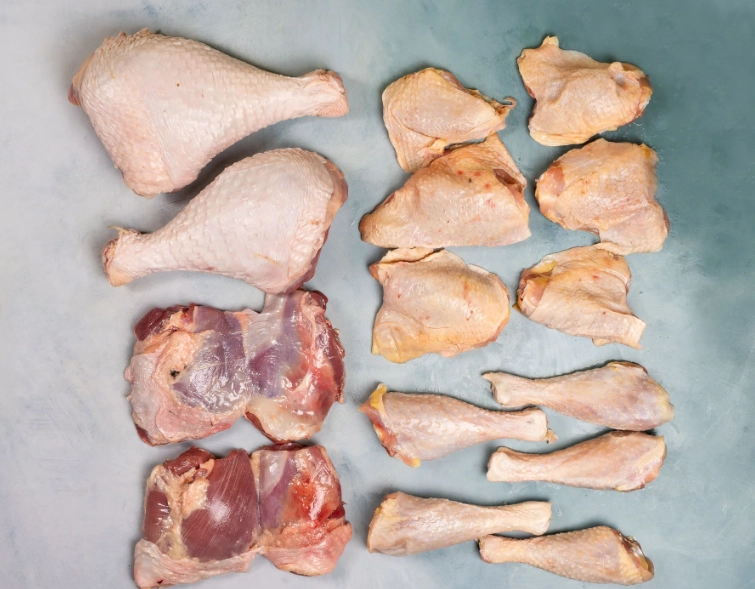
Here’s a quick side-by-side to visualize the core differences:
| Aspect | Dark Meat (Thigh/Leg) | White Meat (Breast) |
|---|---|---|
| Primary Source | Legs, Thighs | Breast |
| Key Protein | High Myoglobin | Low Myoglobin |
| Fat Content | Higher (~10-15g per 100g cooked, skinless) | Lower (~3g per 100g cooked, skinless) |
| Flavor Profile | Rich, robust, savory, juicy | Mild, delicate, lean |
| Cooking Forgiveness | High - hard to overcook | Low - easy to overcook |
| Best Cooking Methods | Braising, roasting, grilling, frying, slow-cooking | Quick pan-searing, baking at precise temps, poaching |
| Texture | Tender, moist, slightly firmer bite | Soft, can become dry/stringy if overcooked |
See? Different tools. Want a quick, lean protein for a salad? Go for breast. Want a hearty, satisfying centerpiece for a family dinner that won't stress you out about timing? Dark meat all the way.
The whole "white meat is healthier" narrative is also due for a refresh.
The Real Deal on Nutrition: Is Dark Meat Unhealthy?
This is a huge misconception. For years, dark meat was villainized because of its higher fat content. But context matters. We're not talking about the fat in a doughnut.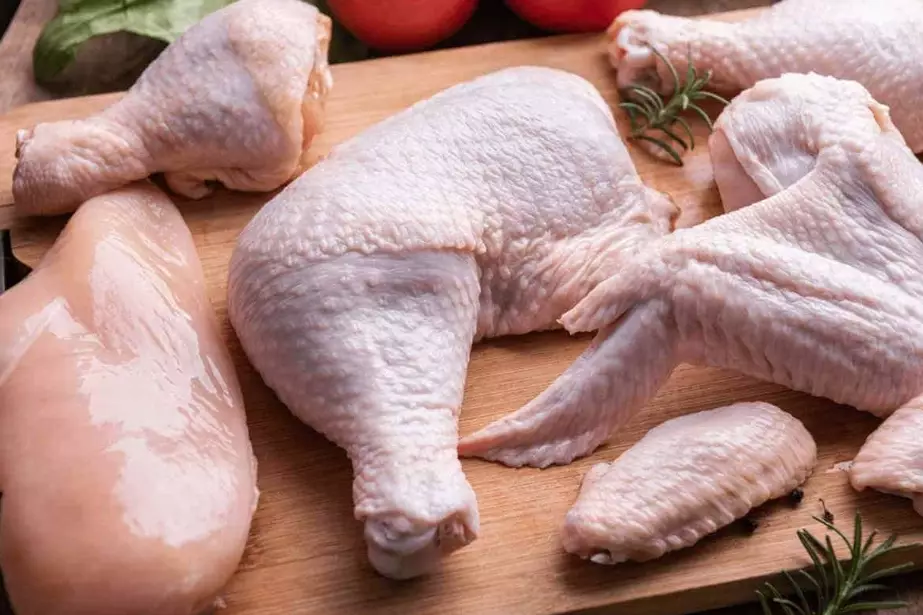
The fat in chicken dark meat is a mix of saturated and unsaturated fats. A significant portion of it is monounsaturated fat—the same type celebrated in olive oil. This fat carries flavor and helps your body absorb fat-soluble vitamins from the food you eat with it. It also contributes to that feeling of satisfaction after a meal.
Yes, calorie for calorie, a skinless chicken breast has fewer calories and less fat than a skinless thigh. But the difference isn't as apocalyptic as some would have you believe. A 100-gram serving of cooked, skinless chicken thigh has about 180 calories and 10 grams of fat. The same amount of skinless breast has about 165 calories and 3.5 grams of fat. We're talking a difference of 15 calories. Is that worth sacrificing all that flavor and juiciness? For me, often not.
Where dark meat really shines is in its micronutrient content. Because it's a more active muscle and has more blood supply, it's packed with more iron and zinc than white meat. Iron is crucial for carrying oxygen in your blood, and zinc is vital for immune function and metabolism. It also has higher levels of B vitamins like riboflavin, thiamine, and vitamins B6 and B12.
So, is it unhealthy? Not at all. It's nutrient-dense. It's about portion size and balance, like everything else. Choosing dark meat chicken means you're getting a more flavorful, satisfying, and nutritionally complex protein.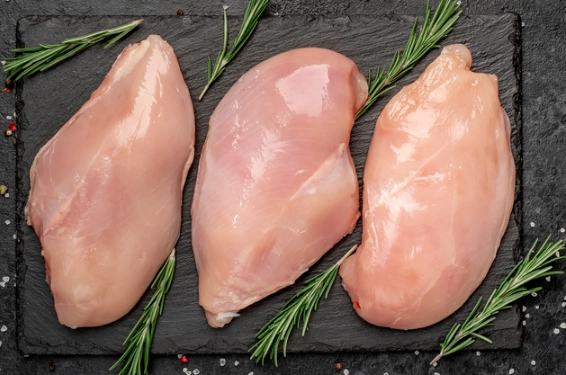
How to Cook Dark Meat Chicken Like a Pro (No More Dry Chicken!)
This is where knowing what the dark meat of a chicken is pays off on your plate. Its forgiving nature opens up a world of cooking methods. The goal is almost always to render the fat, soften the connective tissue, and get that skin (if using) crackling crisp.
Rule #1: Embrace Higher Heat or Longer Time
Dark meat loves two extremes: a hard sear or a long, slow cook. There's not much in-between. You want to either brown it quickly over high heat to develop flavor and crisp the skin, or you want to braise or slow-roast it to break down all the connective tissue into gelatin, which makes the sauce unbelievably silky.
Rule #2: Don't Fear the Fat
You often don't need much added oil. Place skin-side down in a cold pan, then turn the heat to medium. The fat will render out, frying the skin in its own fat to perfect crispiness. It's a beautiful thing.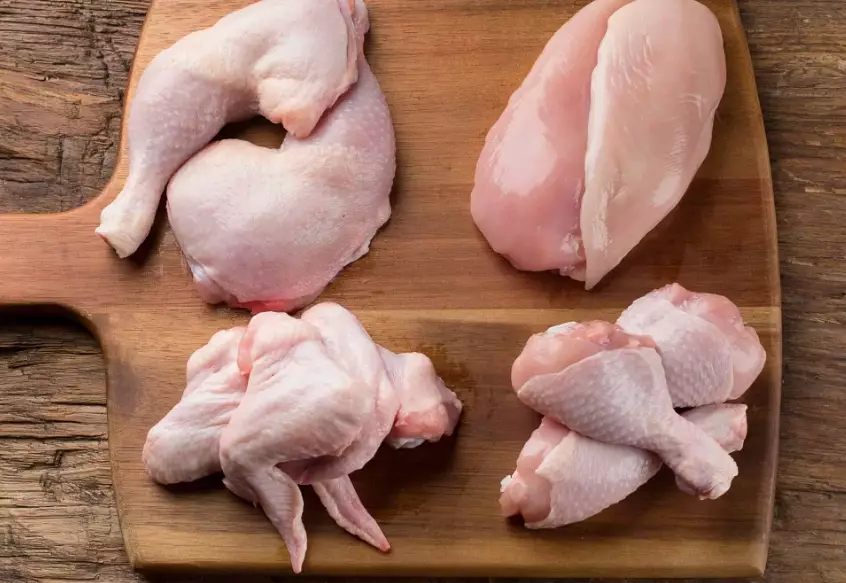
Top Cooking Methods, Ranked:
- Braising/Stewing: The undisputed champion. Submerge thighs or legs in liquid (wine, stock, tomatoes) and cook low and slow. Impossible to mess up. The result is fall-off-the-bone tender meat and a luxurious sauce.
- Roasting/Baking: High heat (400°F / 200°C+) to get the skin crispy. I like to start high and then lower the temp to finish cooking through. A sheet pan with veggies tossed in the chicken fat? Dinner heaven.
- Grilling: Fantastic for boneless thighs. They won't dry out if you get distracted. The fat drips, causes flare-ups, and creates that amazing charred, smoky flavor. Just move them away from direct flames if it gets too crazy.
- Pan-Frying/Sautéing: Perfect for quick weeknight meals. Cube boneless thighs, sear them hard, then build a pan sauce with the fond (those browned bits) left behind. Dinner in 20 minutes.
My Go-To Weeknight Thigh Recipe (Simplified)
Pat 4-6 bone-in, skin-on thighs dry. Season aggressively with salt, pepper, and paprika. Place them skin-side down in a cold oven-safe skillet. Turn heat to medium and cook without moving for 10-12 minutes until the skin is deep golden and crispy. Flip, throw in some smashed garlic cloves and thyme sprigs, then transfer the whole skillet to a 400°F (200°C) oven for 15 more minutes. Rest for 5. That's it. The skin is like glass, the meat is juicy, and the pan drippings are gold.
See? Understanding what is dark meat on a chicken makes cooking less stressful and more delicious.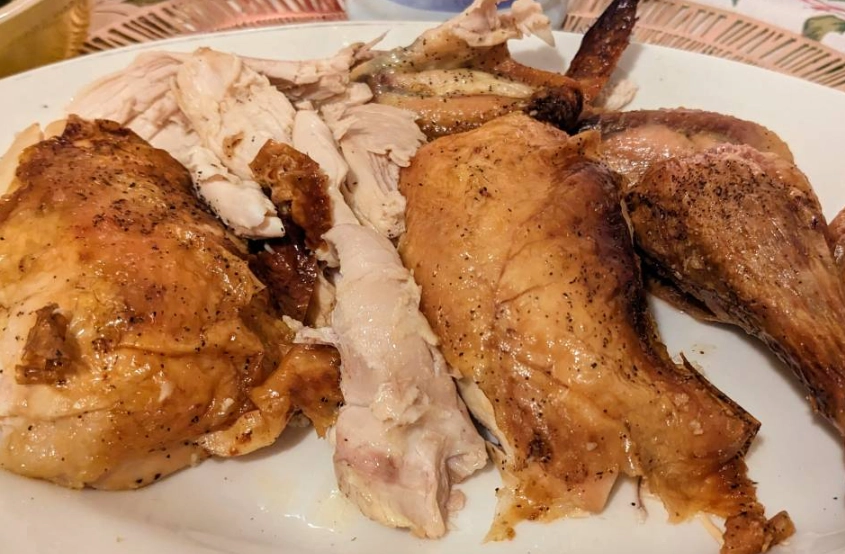
Answering Your Burning Questions (FAQ)
It's usually the opposite! Because dietary trends have favored white meat for so long, dark meat cuts like thighs and legs are often less expensive per pound. It's one of the best values in the meat aisle. Whole legs or leg quarters are especially budget-friendly.
That "gamey" or richer flavor is the myoglobin and iron content. If you're used to the very mild taste of breast meat, the deeper flavor of dark meat can be surprising. It's not gamey in a spoiled sense; it's just more intense. Some people love it immediately (like I did), others might need to get used to it. Try it in a strongly flavored dish like a curry or adobo first.
Most of the time, yes, but you need to adjust the cooking time. Dark meat takes longer to cook through to its ideal tenderness. If a breast recipe says 20 minutes in the oven, plan for 25-30 minutes for thighs. Also, be prepared for a richer, more pronounced chicken flavor in the final dish, which is usually a good thing.
This is a common worry. Because dark meat has more myoglobin (that red pigment), it can retain a pinkish hue even when fully cooked to a safe temperature. This is especially true near the bones. Do not rely on color. Always use a meat thermometer. If the thickest part of the meat reads 175°F (79°C) or above, it is safe to eat, even if it looks a little pink.
Ground chicken or turkey often uses dark meat because it's more flavorful and moist. If you're buying ground chicken for burgers or meatballs, check the label. "Ground chicken breast" will be very lean and can be dry. "Ground chicken" (often a mix) or specifically "ground chicken thigh" will make for a much juicier, tastier result. It's my secret for the best chicken burgers.
Wrapping It Up: Why You Should Give Dark Meat a Chance
Look, I'm not here to tell you to never eat a chicken breast again. There's a place for it. But if you've been avoiding dark meat because you thought it was inferior, unhealthy, or tricky to cook, I hope this deep dive into what is the dark meat of a chicken has changed your mind.
It's the flavorful, forgiving, nutritious, and economical part of the bird. It turns simple dinners into something special without requiring chef-level skills. It’s the answer to dry, bland chicken disappointments.
Next time you're at the store, walk past the trays of breasts and grab a package of bone-in, skin-on chicken thighs.
Try that simple pan-to-oven method I mentioned. Taste the difference that fat, myoglobin, and a more active muscle life makes. I think you'll find yourself asking a new question: not "what is dark meat?" but "why haven't I been cooking this all along?"
It might just become your new kitchen staple, just like it did for me. And honestly, that's a win for your taste buds, your wallet, and your weeknight dinner sanity.
Related Articles