Perdue Chicken in Bag: Your Complete Guide to Buying & Cooking
Quick Guide
So you're standing in the meat section, and you see it. A package of Perdue chicken in a bag. It looks neat, maybe a little futuristic compared to the trays of raw chicken next to it. Your brain starts firing questions. What is this, exactly? Is it pre-cooked? Is it safe? Does it taste good, or is it just another soggy, over-processed letdown? And most importantly, is it worth my money?
I've been there. I've picked up that bag, turned it over, squinted at the fine print, and put it back more times than I can count. Eventually, curiosity (and a serious need for a quick weeknight dinner) got the better of me. I've bought, cooked, and served more bags of this stuff than I'd like to admit. Some were home runs, others... well, let's just say my dog looked at me with pity.
This guide is everything I wish I'd known before my first purchase. We're not just talking surface-level stuff. We're diving deep into what "Perdue chicken in bag" means, how to use it without ruining dinner, and whether it should have a permanent spot in your fridge. Let's get into it.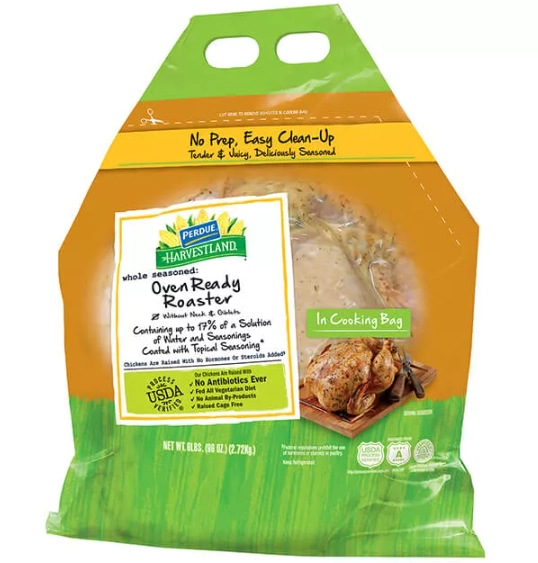
What Exactly Is Perdue Chicken in a Bag?
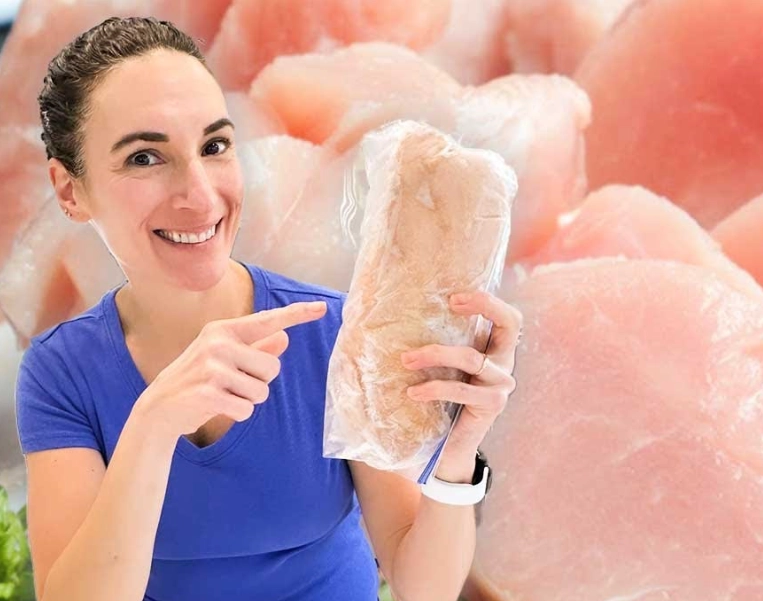
This is the first big point of confusion. It's not one single product. When people search for "Perdue chicken in bag," they could be talking about a few different things. The term mostly refers to chicken that comes in a sealed, often vacuum-packed or tightly sealed plastic pouch, but the state of the chicken inside can vary.
Primarily, you're looking at two main categories:
- Fully Cooked, Ready-to-Eat: This is chicken that's been cooked, seasoned, and sealed. You're meant to heat it and eat it, often straight from the bag after warming. Think of it as a major time-saver.
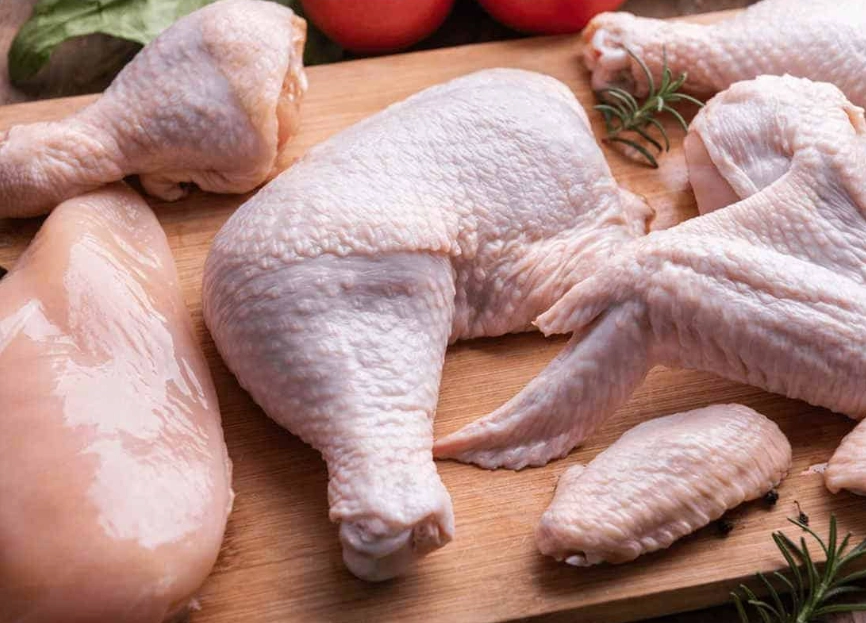
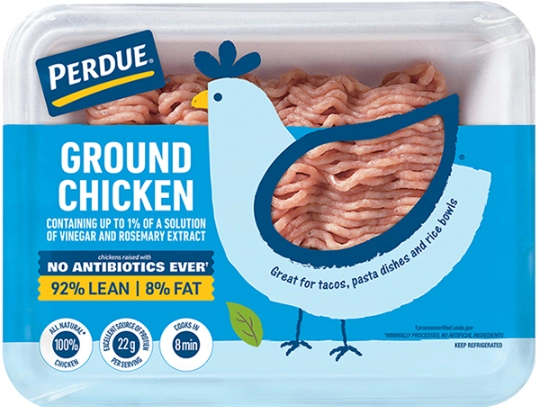
- Raw, Individually Frozen or Chilled: This is raw chicken (like breasts or thighs) that's been vacuum-sealed in a bag, usually individually. It's not cooked. The bag is for freshness and sometimes for cooking (like sous vide). This is a different beast altogether.
The Perdue brand has offered products in both styles over the years. Their frozen products section often features bagged items, while their fresh innovations sometimes use specialized packaging. You absolutely must check the label. Don't assume it's cooked because it's in a fancy bag.
Trust me, that mistake leads to a very tense dinner.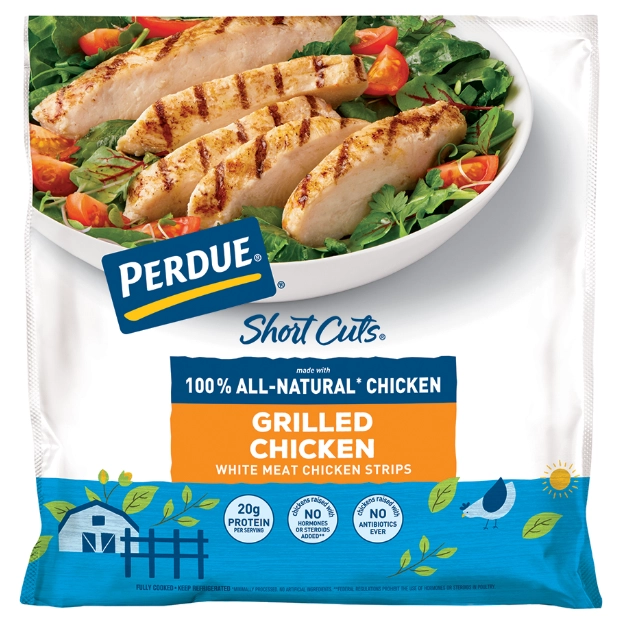
The Perdue Bagged Chicken Product Line-Up
It's helpful to break down what you might actually find on shelves. Availability changes, but here's a snapshot of the type of "bagged chicken" products Perdue has been known for.
| Product Type | Typical Description | State (Raw/Cooked) | Common Use Case |
|---|---|---|---|
| Perdue Short Cuts | Diced, grilled, fully cooked chicken pieces. | Fully Cooked | Salads, wraps, quick pasta additions. |
| Frozen Bagged Chicken Breasts | Individually wrapped raw chicken breasts. | Raw (Frozen) | Portion control, easy thawing, sous vide. |
| Flavor-Infused/Roasted Bags | Whole parts or pieces in sauce/seasoning, ready to heat. | Fully Cooked or Oven-Ready | Complete main dish with minimal effort. |
| Refrigerated Meal Kits | Chicken + sides/sauce in a single bag/box. | Raw or Par-Cooked | Complete meal solution in one package. |
See what I mean? The term "Perdue chicken in bag" is an umbrella. Your cooking method, food safety steps, and expectations depend entirely on which one you've got in your cart.
Pro Tip: The most common "bag" search is probably for Perdue Short Cuts. Those are the little diced pieces of cooked chicken in a resealable bag in the refrigerated meat section. They're a huge time-saver, but the texture can be a bit... rubbery if you overheat them. More on that later.
How to Cook Perdue Bagged Chicken (The Right Way)
This is where people go wrong and end up hating the product. Cooking a Perdue chicken in a bag isn't hard, but it's different from handling a raw chicken breast. You can't treat them the same.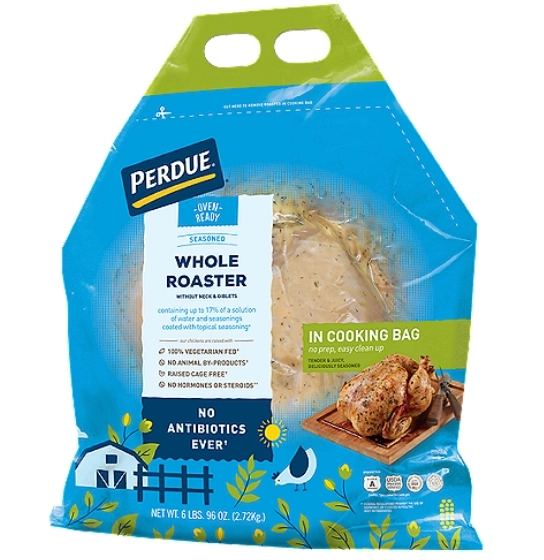
If It's Fully Cooked (Like Short Cuts):
The goal here is warming, not cooking. You're trying to take the chill off and maybe get a little color without turning the chicken into shoe leather.
- Stovetop (Best for texture): My preferred method. Throw the chicken pieces into a non-stick skillet over medium heat. No oil needed—they usually have some. Toss them for 2-4 minutes, just until hot. Maybe get a slight sear. Any longer and they start to dry out.
- Microwave (Fastest): It works. Put the chicken in a microwave-safe bowl, cover it loosely, and zap it for 30-60 seconds. Stir. The downside? It can get steamy and a bit soggy. I only do this for chicken going into a saucy dish like a casserole.
- Oven (For larger quantities): Spread on a baking sheet at 350°F for 5-8 minutes. It's fine, but easy to overdo.
The biggest mistake? Boiling it in the bag or overheating it into toughness.
If It's Raw in a Bag (Frozen or Chilled):
Here, the bag might be part of the cooking process, or just the packaging.
- Thawing First: If it's frozen raw chicken in a vacuum bag, thaw it safely in the fridge overnight. Never thaw at room temperature, bag or no bag. The USDA's thawing guidelines are clear on this.
- Sous Vide: Some vacuum-sealed raw chicken is perfect for sous vide cooking. You drop the sealed bag into a temperature-controlled water bath. If the bag is intended for this, it will say so (and be made of food-safe, heat-stable plastic). Don't just toss any plastic bag in hot water.
- Standard Cooking: Most often, you'll remove the raw chicken from the bag, pat it dry, and cook it as you normally would—grill, bake, pan-fry. The bag was just for storage.
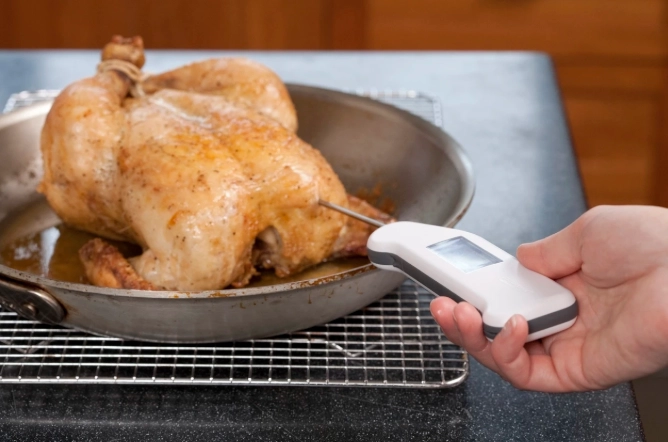
Safety First: Always, always check the internal temperature with a meat thermometer. For raw chicken, that's 165°F (74°C) at the thickest part, as verified by the FSIS safe temperature chart. For pre-cooked chicken you're reheating, aim for 165°F to ensure any potential bacteria are killed. Don't guess.
The Honest Pros and Cons
Let's cut through the marketing. Is a Perdue chicken in a bag a kitchen miracle or a compromise? It's both, depending on your day.
Why You Might Love It (The Pros)
- Time is everything. On a busy Tuesday, dumping pre-cooked Perdue chicken in a bag into a pan for two minutes is the difference between takeout and a home-cooked meal. The convenience is unreal.
- Portion control and less mess. Individually bagged raw breasts mean you grab one, not deal with a whole tray. No cross-contamination from repackaging. Pre-cooked means no raw chicken juices to worry about.
- Consistent results (sometimes). The pre-cooked stuff is always... cooked. You won't undercook it. For novice cooks, that's a safety net.
- Longer shelf life. Vacuum sealing can extend the freshness of raw chicken in your fridge.
Where It Might Let You Down (The Cons)
- Texture can be off. This is my biggest gripe. Pre-cooked, diced chicken like Short Cuts has a distinct texture. It's firmer, sometimes springier than chicken you cook from raw. If you're expecting a juicy, fresh-off-the-grill bite, you'll be disappointed. It's a trade-off for speed.
- Flavor can be bland or salty. Some are seasoned perfectly. Others taste like they were seasoned by someone who's never tasted food. Read the flavor label carefully. "Rotisserie Seasoned" can mean a lot of salt.
- Price per pound. You pay for the convenience. A bag of pre-cooked Perdue chicken will almost always cost more per serving than raw chicken you cook yourself.
- Plastic packaging. It's a lot of plastic. If you're trying to reduce waste, this stings.
- The "too easy" factor. Sounds silly, but sometimes cooking feels good. Relying on a bag for every meal can feel a bit... joyless.
I keep both in my house. Raw chicken for when I have time and want a perfect result. A bag of Perdue Short Cuts for those "oh crap, it's 6 PM" emergencies. It's a tool, not a replacement.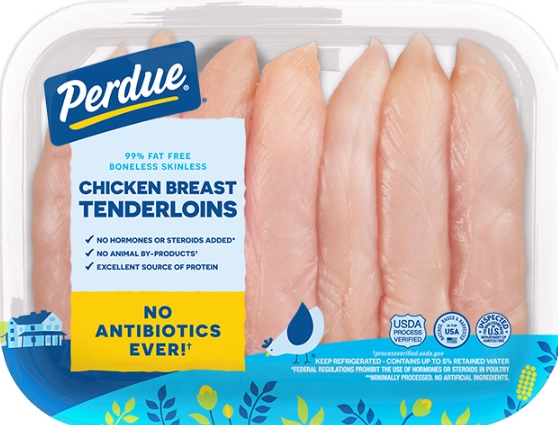
Buying Guide: What to Look For in the Store
Don't just grab the first bag you see. A quick 30-second check can save you from a bad meal.
- Read the Front & Back Like a Detective: Is it "Fully Cooked" or "Ready to Cook"? Check the net weight—bags can look deceptively large. Look for words like "Grilled," "Diced," "Whole."
- Inspect the Ingredients: For pre-cooked, the ingredient list should be short. Chicken, water, seasoning, maybe a preservative. The longer the list, the more processed it is. If you see a bunch of chemicals you can't pronounce, maybe put it back.
- Check Dates Religiously: Look for the "Use By" or "Sell By" date. For refrigerated pre-cooked chicken, this is critical. Don't buy it if it's close.
- Feel the Bag: For refrigerated items, make sure the bag is firm and sealed. No leaks, no excessive air (unless it's meant to have air). For frozen, make sure it's solid, not partially thawed and refrozen (no ice crystals stuck together).
- Compare Cost: Do the quick math. Price / weight = cost per ounce. Compare it to the raw chicken nearby. Is the convenience premium worth it to you today?
My Personal Rule: I only buy the pre-cooked Perdue chicken in a bag when it's on sale. It makes the convenience fee easier to swallow. I stock up on one or two and toss them in the freezer if the "use by" date is far off.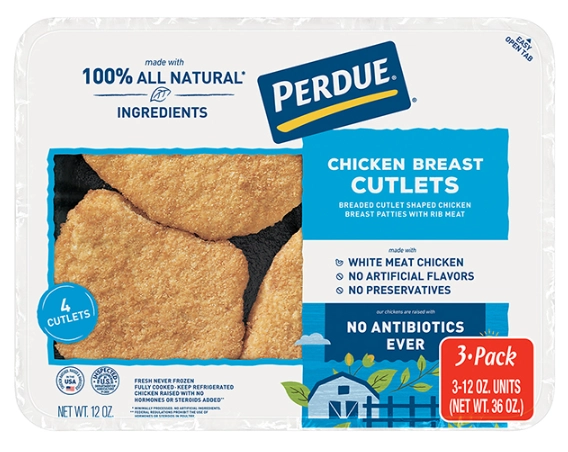
Answering Your Burning Questions (FAQ)
It depends entirely on the product. Perdue Short Cuts are fully cooked. Many frozen, vacuum-sealed breasts are raw. The package will scream "FULLY COOKED" if it is. If you're unsure, assume it's raw and handle it with full food safety precautions.
For pre-cooked, refrigerated chicken like Short Cuts, you have about 3-4 days after opening if kept sealed in the fridge. For raw chicken removed from its bag, use it within 1-2 days. When in doubt, smell it and look at it. If it's slimy or has a sour odor, toss it.
Yes, but with strategy. If it's already frozen raw, keep it frozen. If it's refrigerated and pre-cooked, you can freeze it to extend its life. Portion it out, squeeze out excess air, and seal it well. The texture may suffer a bit upon thawing—it's best used in soups, stews, or casseroles after freezing.
It's chicken, so it's a good source of protein. The health factor hinges on the added stuff. Plain grilled Perdue chicken in a bag will have minimal additives. Flavored versions (like Italian or Salsa) can have added sugar, salt, and preservatives. Always check the nutrition label for sodium content—that's where they often get you.
For pre-cooked diced chicken, the stovetop is your friend. Use a non-stick or well-seasoned cast-iron skillet over medium-high heat. Don't crowd the pan. Let the pieces sit for a minute without stirring to develop a sear. A tiny splash of oil can help. You won't get fried-chicken crisp, but you can get a nice browned exterior.
Let's be real. A perfectly seasoned, pan-seared chicken breast you cooked yourself will almost always taste better and have a superior texture. The Perdue chicken in a bag is about trading a bit of that optimal quality for a huge chunk of your time and effort back. It's not a loser; it's a different tool for a different job (a hectic weeknight).
And no, you can't air fry it straight from the bag unless you want tiny chicken pieces flying everywhere. Use a basket liner or an oven-safe dish.
Final Verdict: Who Should Buy It?
After all this, who is the Perdue chicken in a bag customer? It's not for everyone.
You'll probably love it if: You're constantly short on time. You hate handling raw meat. You need easy protein for salads, wraps, or kids' lunches. You're a single person who wants to avoid waste. You're not a picky texture person.
You might want to skip it if: You're a purist about taste and texture. You're on a very tight budget. You're cooking a special meal or for guests. You're trying to avoid processed foods or sodium.
For me, it's a pantry staple—not a star, but a reliable supporting actor. It has saved dinner more times than I can count. But I also know its limits. I wouldn't serve it at a dinner party, but I'll gladly toss it in my lunch salad.
The bottom line? Don't be afraid of the bag. Just go in with your eyes open. Know what you're buying, know how to handle it, and manage your expectations. That Perdue chicken in bag can be a lifesaver, as long as you don't expect it to be a gourmet miracle.
Now, go check your fridge. Maybe you've got the makings of a quick stir-fry after all.
Related Articles