How to Cook a Whole Chicken in the Oven: The Ultimate Guide
Roasting a whole chicken feels like a culinary rite of passage. It's a simple act that yields something greater than the sum of its parts: crispy, golden skin, impossibly juicy meat, and the kind of aroma that makes a house feel like a home. Yet, for something so fundamental, it's easy to end up with dry breast meat, rubbery skin, or uneven cooking. After roasting more chickens than I can count—some triumphs, some learning experiences—I've nailed down a system that works every single time. Forget the anxiety. Let's walk through it.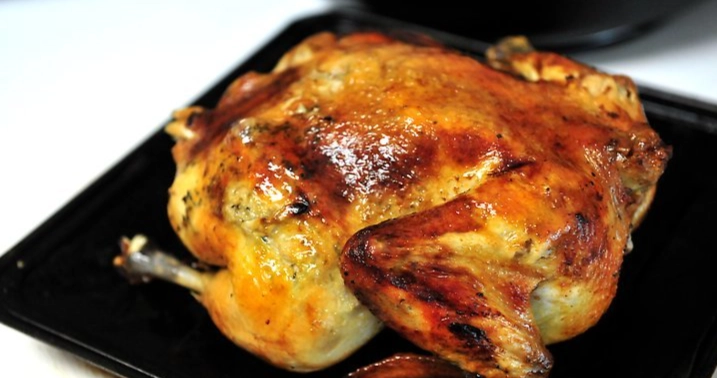
What You'll Learn in This Guide
- Why a Whole Roast Chicken is a Kitchen Superpower
- The Non-Negotiable Prep Steps (The Secret is Dry Skin)
- Seasoning Mastery: From Simple Salt to Flavor Bombs
- The Two Best Roasting Methods: High Heat vs. Low & Slow
- The Critical Rest & How to Carve Without a Fuss
- Pro Tips & Common Pitfalls to Avoid
- Your Roast Chicken Questions, Answered
Why Mastering a Whole Roast Chicken is a Kitchen Superpower
It's more than just a meal. A 4-5 pound chicken feeds a family with leftovers for sandwiches, salads, or soup. It's often cheaper per pound than buying parts. Most importantly, it teaches you fundamental cooking skills: heat management, seasoning, and patience. The process itself is meditative. And the result? Pure, unadulterated comfort food that impresses without pretense.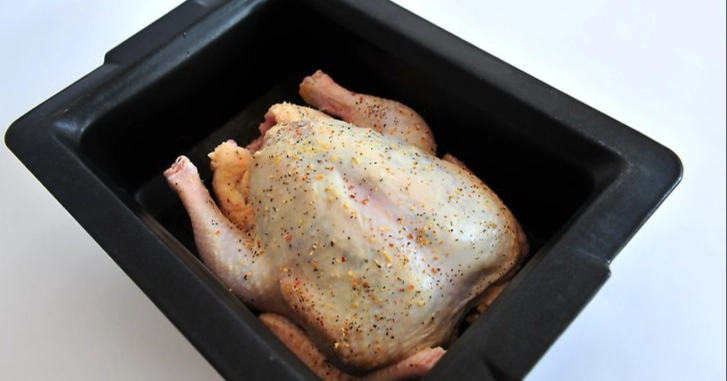
The Non-Negotiable Prep Steps
Great roast chicken starts long before the oven beeps. Rushing prep is the number one mistake.
1. Dry the Bird. Seriously.
Take the chicken out of its packaging. Remove any giblets (usually in a bag in the cavity). Now, pat it completely dry inside and out with a mountain of paper towels. I mean, get in there. Moisture is the enemy of crisp skin. A dry surface allows the skin to render and brown, not steam. This step alone improves your results by 50%.
2. To Truss or Not to Truss?
Trussing—tying the legs and wings close to the body—creates a compact shape for even cooking. It's not just for looks. Untrussed, the skinny legs and wings can overcook. If you have kitchen twine, it takes 30 seconds. If not, just tuck the wingtips behind the shoulders and press the legs together. Good enough.
Seasoning Mastery: From Simple to Sublime
Seasoning isn't just a sprinkle on the outside. It's a layered approach.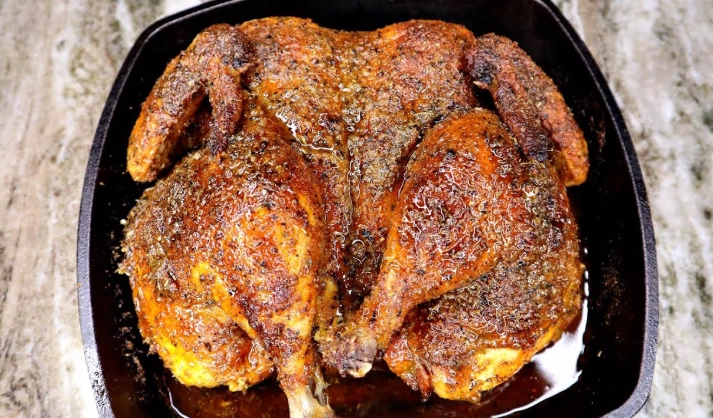
The Foundation: Salt and pepper. Generously. Inside the cavity, all over the skin. Do this at least an hour before cooking, or up to a day before (keep it in the fridge). Salting ahead (dry-brining) seasons the meat deeply, not just the surface.
The Flavor Boost: This is where you get creative. My absolute favorite is a compound butter. Soften a stick of butter, mix in minced garlic, lemon zest, chopped rosemary, thyme, and a pinch of salt. Gently lift the skin over the breast and thighs and smear this butter directly onto the meat. Then rub more all over the outside. As it melts, it bastes the chicken from the inside out.
Other ideas? Slide thin lemon slices and whole herb sprigs into the cavity. Or use a spice rub with paprika, garlic powder, and onion powder. Keep it simple, but be generous.
The Two Best Roasting Methods
You have two excellent paths. Choose based on your time and texture preference.
Method 1: High Heat (425°F / 220°C) – For Crispy Skin & Speed
This is my weekday warrior method. High heat renders fat quickly, crisps the skin beautifully, and cooks the chicken in about 50-75 minutes for a 4-5 lb bird. Place the chicken on a rack in a roasting pan or on a bed of chopped vegetables (potatoes, carrots, onions). The rack promotes air circulation.
Roast until the thickest part of the breast registers 160°F (71°C) and the thigh reaches 175°F (79°C) on an instant-read thermometer. The temperature will rise 5 degrees as it rests. The skin will be deep golden brown and crackling.
Method 2: Low & Slow (325°F / 165°C) – For Fall-Apart Tenderness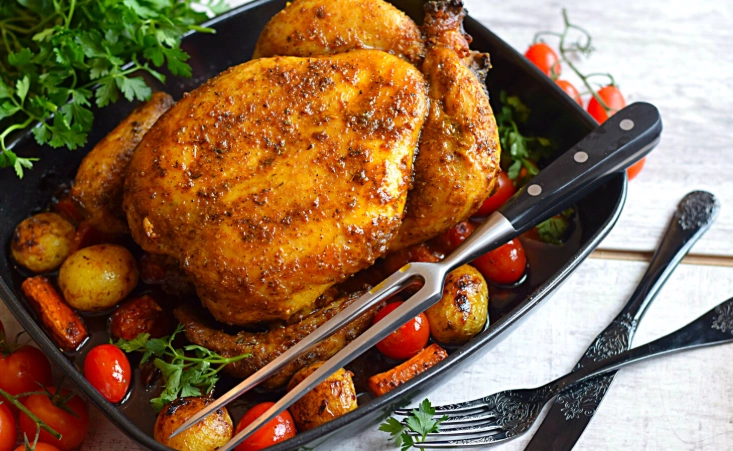
This method takes longer—1.5 to 2.5 hours—but yields incredibly tender, almost braised-like meat. The skin won't get as shatteringly crisp, but the juiciness is unparalleled. It's perfect for a lazy Sunday. Follow the same prep, but cook at the lower temperature until the same internal temperatures are reached.
| Method | Oven Temp | Approx. Time (4-5 lb) | Best For | Skin Texture |
|---|---|---|---|---|
| High Heat | 425°F (220°C) | 50-75 mins | Weeknights, crispy skin lovers | Crispy, crackling |
| Low & Slow | 325°F (165°C) | 90-150 mins | Weekends, ultimate juiciness | Softer, golden |
The Critical Rest & Simple Carving
You've waited patiently. Now, wait a little more. When the chicken hits temp, take it out and let it rest on a cutting board for at least 15 minutes, loosely tented with foil. I aim for 20. This allows the frantic meat juices to redistribute. If you carve immediately, all those flavorful juices will run out onto the board, leaving you with dry meat.
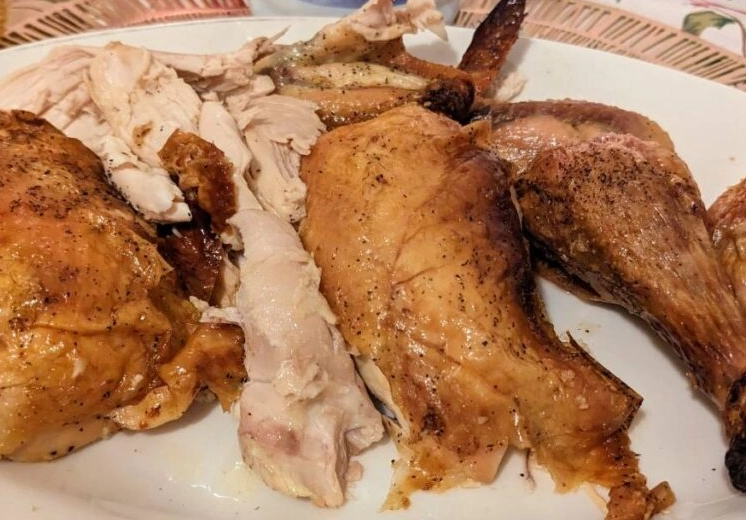
Carving isn't surgery. Remove the twine if you used it. First, cut through the skin between the leg and body, pop the leg joint, and remove the whole leg (thigh and drumstick). Separate the thigh from the drumstick if you like. Next, make a horizontal cut along the top of the breastbone, then slice downward along the rib cage to remove the breast in one large piece. Slice it crosswise. Finally, don't forget the "oysters"—two succulent nuggets of dark meat on the back, near the thighs. The cook's reward.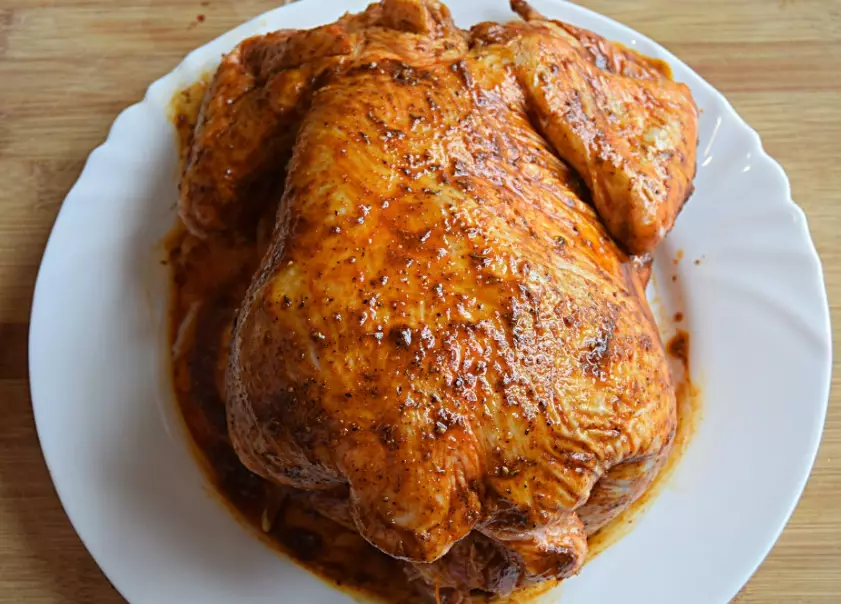
Pro Tips & Common Pitfalls to Avoid
Here are the nuances that separate a good roast chicken from a great one.
Use a V-Rack or Vegetables: Elevating the chicken ensures heat circulates evenly, browning all sides. No rack? A bed of hearty chopped vegetables works as a natural rack and becomes a delicious side.
Baste? Maybe Not. Opening the oven door repeatedly to baste loses heat and steam, which can prevent crisping. With the butter-under-the-skin trick and sufficient fat, basting is often unnecessary. If you must, do it once towards the end.
Save the Drippings: The golden fat and juices in the bottom of the pan are liquid gold. Skim off some fat, add a splash of wine or broth, scrape up the browned bits (fond), and simmer for a simple, incredible gravy.
The Leftover Game: Pick every bit of meat from the carcass. Use it for chicken salad, pot pie, or tacos. Then, throw the bones, skin, and any vegetable scraps into a pot, cover with water, and simmer for a few hours. You've just made homemade chicken stock.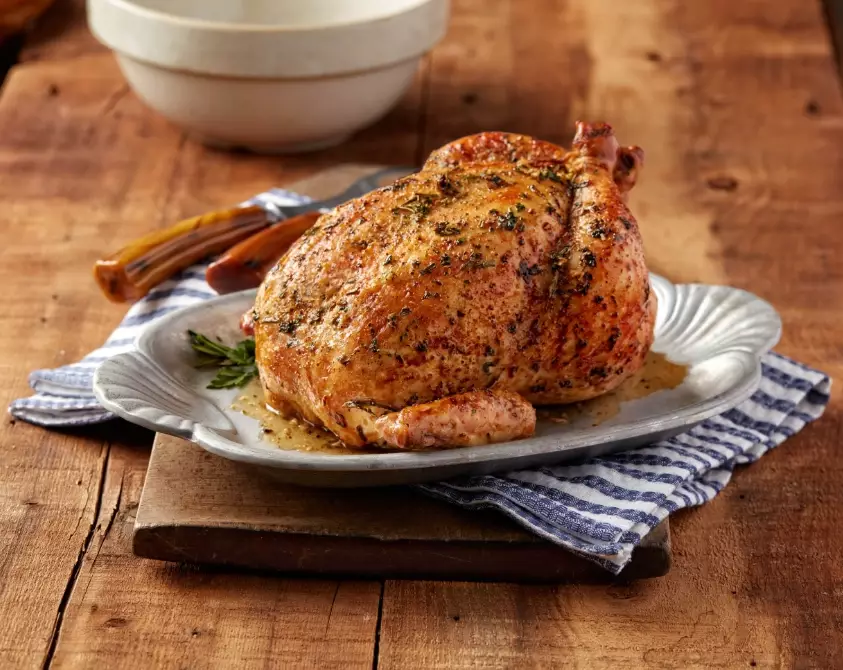
Your Roast Chicken Questions, Answered
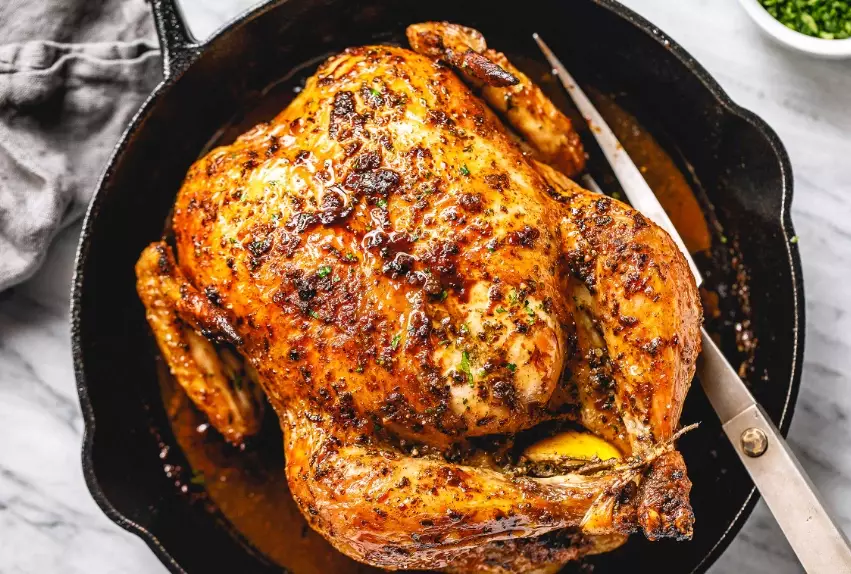 Roasting a whole chicken shouldn't be saved for special occasions. It's a practical, economical, and deeply satisfying skill. Start with a dry bird, season it well, choose your temperature, and let the thermometer guide you. The rest is just enjoying the process—and the incredible results.
Related Articles