How Long to Defrost Chicken? Safe Thawing Times & Methods
Quick Navigation
Let's be real. You've stood there, freezer door open, a rock-solid package of chicken in your hand, dinner plans forming and crumbling in the same instant. The big question hangs in the chilly air: how long to defrost chicken? Is it a few hours? Overnight? Can you speed it up without poisoning everyone? I've been there too, and I've made every mistake in the book so you don't have to. This isn't about fancy cooking tricks; it's about getting a safe, tasty dinner on the table without the anxiety.
The truth is, there's no single answer. Asking how long to defrost chicken is like asking how long to drive somewhere—it depends on your method, your starting point, and what exactly you're thawing. A thin breast is different from a whole bird. A fridge thaw is a world apart from a microwave zap. But don't worry, we're going to break it all down.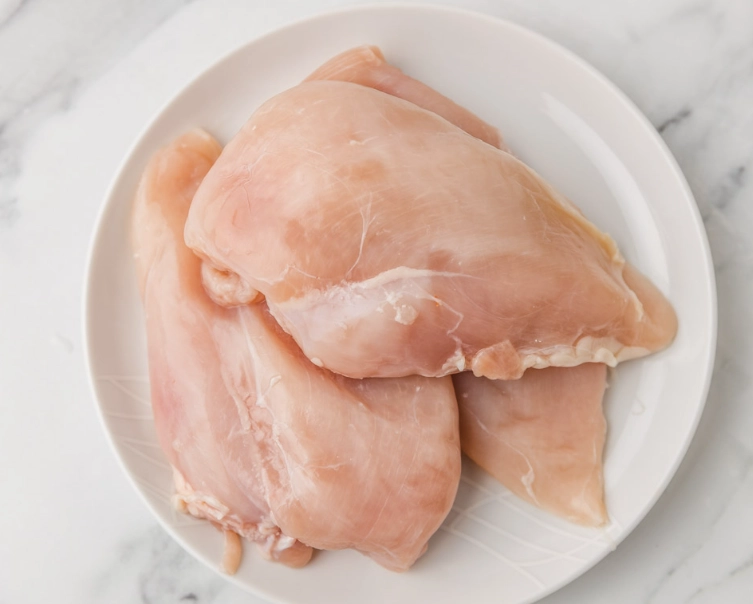
The Core Principle: However you do it, the goal is to get the chicken from frozen (0°F / -18°C) to safely thawed (refrigerator temperature, around 40°F / 4°C or below) without letting it linger in the "Danger Zone" (between 40°F and 140°F / 4°C and 60°C) where bacteria multiply like crazy. That's the line between a great meal and a bad night.
The Three Legit Ways to Thaw Chicken (And One Big No-No)
You've basically got three safe methods endorsed by food safety pros like the USDA's Food Safety and Inspection Service. Each has its own clock, its own pros, and its own quirks.
1. In the Refrigerator: The Slow and Steady Champion
This is the gold standard, the method every food safety expert will tell you to use. It's hands-off, it's consistent, and it keeps your chicken safely cold the entire time. So, how long to defrost chicken in the fridge?
Here’s the general rule of thumb, but remember, your fridge's temperature and how packed it is can tweak these times.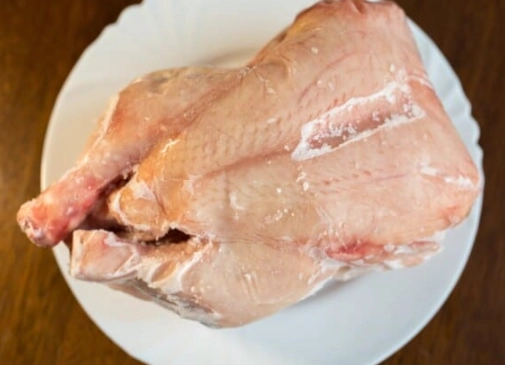
| Type of Chicken | Approximate Thawing Time in Fridge | Notes & Tips |
|---|---|---|
| Boneless, Skinless Chicken Breasts (per pound) | 12 to 24 hours | Individually wrapped pieces thaw faster. A single 8oz breast might be ready in 8-10 hours. |
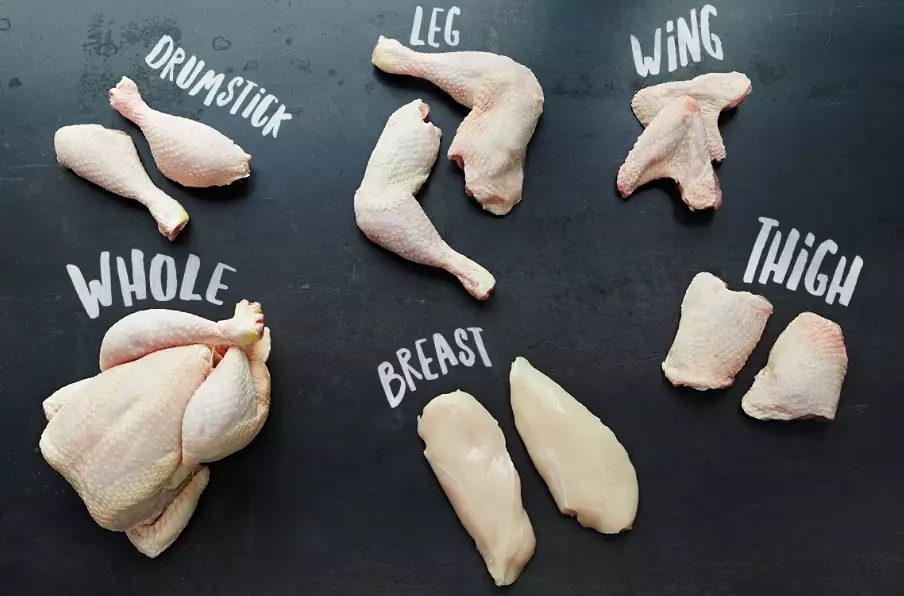
| Bone-in Chicken Pieces (thighs, drumsticks, wings) | 1 to 2 days | The bone acts as an ice core, slowing things down. Give it time. |
| Whole Chicken (4-5 lbs) | 3 to 4 days | Yes, days. This is the big one. Plan ahead! Put it on a tray to catch drips. |
| Ground Chicken (1 lb package) | 24 hours | Dense and compact, it takes a full day. Don't rush it. |
My personal take? I use this method 90% of the time. The biggest perk (besides safety) is flexibility. A fully thawed chicken breast can happily sit in your fridge for an extra day or even two before cooking. It gives you a buffer if plans change. The downside? You need to think ahead. Forgot to take it out this morning? Dinner tonight is now pasta.
My Fridge Thaw Hack: I put the frozen package on a rimmed plate or in a shallow container on the bottom shelf of the fridge. It's the coldest spot, and if there's any leakage, it won't drip onto other foods. Simple, but it works.
2. In Cold Water: The Fast-Track, "I Forgot" Savior
This is your best friend when you're in a pinch. It's significantly faster than the fridge but requires a bit more attention. The key words are cold and running (or frequently changed). You cannot just plop it in a bowl of water and walk away for hours.
Here’s the drill:
- Seal it: Keep the chicken in its original leak-proof packaging or put it in a ziplock bag, squeezing out all the air. You don't want waterlogging your chicken or bacteria from the chicken getting into your sink.
- Submerge it: Place the bag in a large bowl, pot, or clean sink. Fill with cold tap water. Never use warm or hot water—it's an invitation to bacteria on the outside while the inside is still frozen.
- Change it: You need to change the water every 30 minutes. This keeps it cold enough to be safe. If you have a trickle of cold water running over the package, that's even better (though not great for water conservation).
So, how long to defrost chicken using the cold water method?
- Small packages (1-2 lbs of breasts, pieces): 1 to 2 hours.
- Whole chicken (3-4 lbs): 2 to 3 hours, maybe more. Check it regularly.
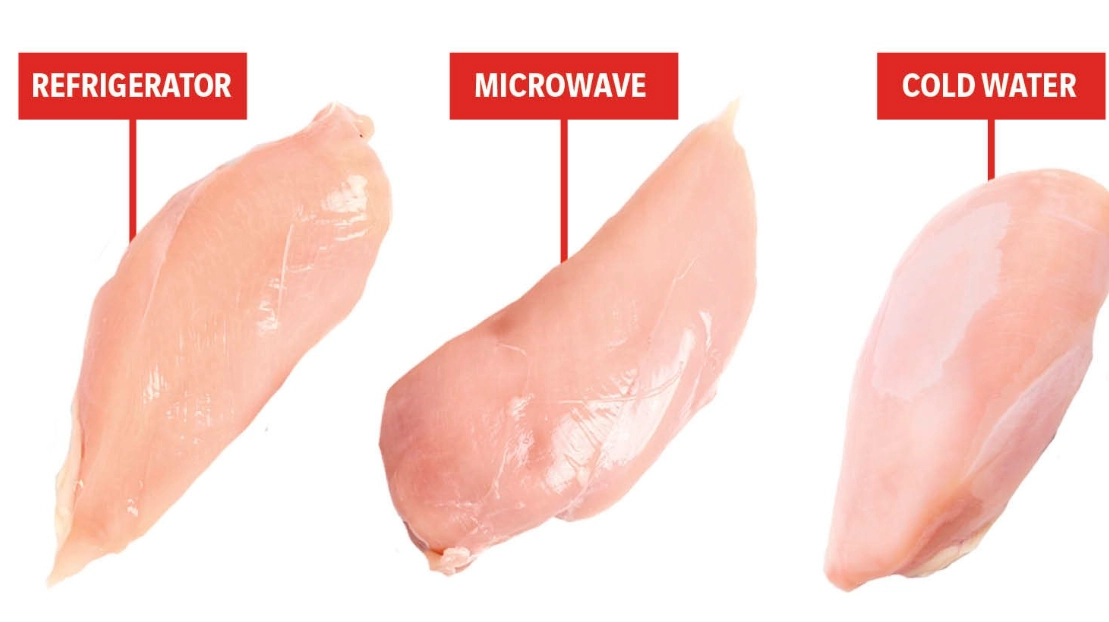
It's a workout for your attention span, but it gets the job done.
CRITICAL: Chicken thawed by the cold water method must be cooked immediately. Do not refreeze it raw, and do not put it back in the fridge to cook later. The outer layers have spent time in a warmer-than-fridge environment. Cook it straight away.
3. In the Microwave: The Desperate, Use-With-Caution Option
We've all done it. The microwave is the ultimate quick fix, but let's be honest—it's the trickiest and most prone to disaster. You're not just thawing; you're actually starting to cook parts of the chicken with targeted heat. The answer to how long to defrost chicken in the microwave is entirely dependent on your microwave's wattage and the "defrost" setting. There is no universal time.
Follow your microwave's manual, but generally:
- Use the "Defrost" or "Low Power" setting (usually 30-50% power).
- Calculate time based on weight (e.g., many microwaves suggest 4-6 minutes per pound on defrost).
- Stop, flip, and separate pieces halfway through. Those edges start cooking fast.
- Check for icy spots. They're common, especially near bones.
My blunt opinion? I avoid this method unless I'm in a true emergency and plan to cook the chicken immediately in a stew, soup, or shredded dish where uneven doneness from partial cooking won't matter as much. For grilling or pan-searing a breast, microwave-thawed chicken often turns out tough and uneven.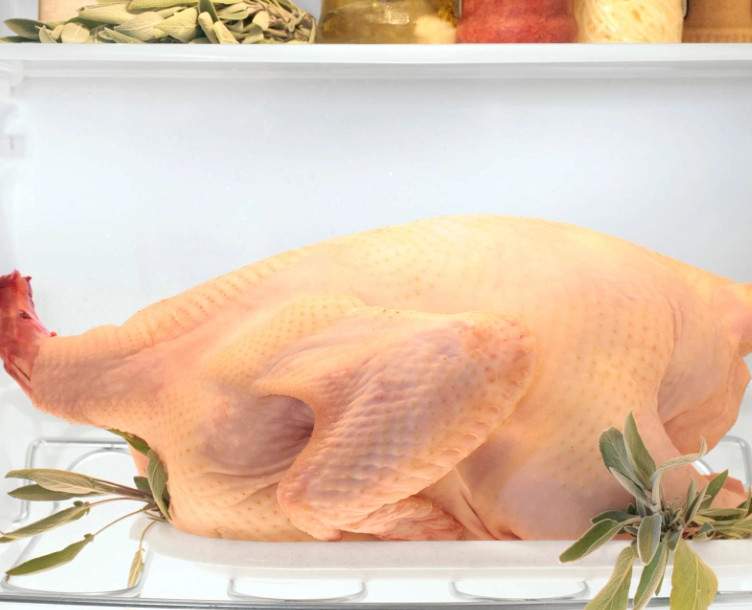
Pro Tip for Microwave Thawing: If you see parts turning white or opaque (a sign they're cooking), stop immediately. Let it sit for a few minutes—the residual heat will continue to thaw the icy center. Then cook it right away.
The One Method You Should NEVER Use: Countertop Thawing
Just don't. Leaving frozen chicken on the counter at room temperature is playing Russian roulette with food poisoning. The outside zooms through the Danger Zone while the inside is still frozen. The USDA is crystal clear on this. It might seem faster, but the risk isn't worth it. I learned this the hard way years ago with a questionable-smelling batch of thighs. Trust me, the memory is a powerful deterrent.
What Actually Affects How Long It Takes?
It's not just the method. A few things change the clock on your chicken thawing time.
- Size and Shape: A flat, thin cutlet thaws way faster than a thick, plump breast. A whole bird is the marathon event.
- Bone-in vs. Boneless: Bone is a great insulator. A bone-in thigh takes longer than a boneless one of the same weight.
- Your Freezer's Temperament: Was the chicken frozen solid in a deep freeze or just chilling in your fridge's freezer compartment? The colder it starts, the longer it takes.
- Packaging: A single layer in a vacuum-sealed bag thaws faster than a giant, frosty block of breasts all frozen together.
So when you're figuring out how long to defrost chicken breasts specifically, ask yourself: are they thin cutlets? Individually frozen? A giant 2-pound block? That detail changes everything.
Okay, It's Thawed. Now What?
You've successfully navigated the how long to defrost chicken puzzle. Great! But the job's not done.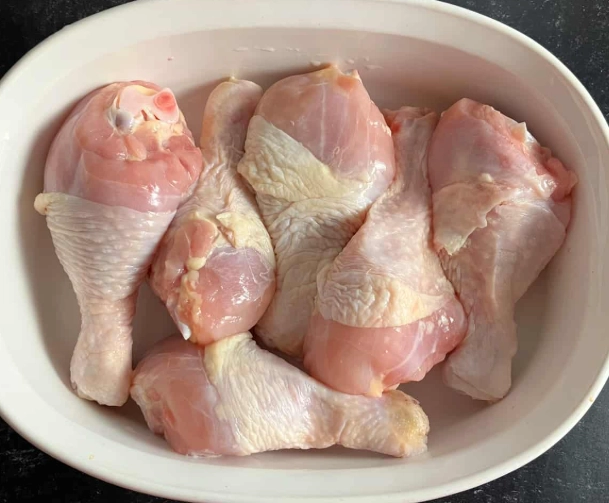
First, check if it's fully thawed. Gently press the thickest part, especially near any bones. It should feel cool and yield evenly, with no hard, icy spots. If there's a little ice crystal in the joint of a whole chicken, that's usually okay—it'll melt fast during cooking.
Second, handle it right. Keep it in the fridge until you're ready to cook. If you used cold water or the microwave, get cooking. Pat it dry with paper towels before seasoning—this helps you get a good sear.
How long can thawed chicken stay in the fridge? The USDA recommends cooking raw poultry within 1 to 2 days after it's fully thawed in the refrigerator. Trust your nose and eyes. If it's slimy or has a sour, off smell, toss it. No recipe is worth the risk.
Your Burning Questions, Answered
Let's tackle the stuff you're probably Googling at the last minute.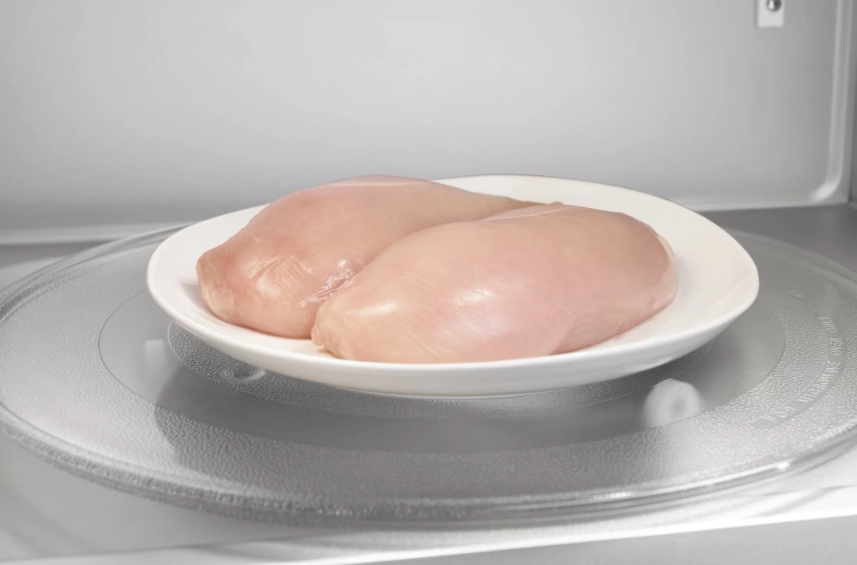
Can you refreeze thawed chicken?
This is a classic. The official answer from the USDA's freezing guidelines is: yes, but only if it was thawed safely in the refrigerator. The quality might take a hit (it can become drier), but it should be safe. If you thawed it in cold water or the microwave, you must cook it before refreezing. Personally, I try to avoid refreezing if I can help it—the texture really does suffer.
How can you tell if thawed chicken has gone bad?
Your senses are your best tools. Smell: Fresh chicken has a mild, almost neutral smell. Bad chicken has a distinct, sour, ammonia-like, or just plain foul odor. Sight & Touch: It should be pinkish (not gray or green) and not slimy to the touch. When in doubt, throw it out. Seriously.
Can you cook chicken from frozen?
Yes! You don't always have to know how long to defrost chicken because you can skip the step entirely. This is a fantastic workaround. You'll need to increase the cooking time by about 50%. It works best for methods with liquid or longer, slower heat: think soups, stews, braises, or baking in a sauce. It's not great for pan-frying or grilling, as the outside will burn before the inside cooks through.
What if I only need part of the package?
This used to stump me. The best practice is to thaw the whole package using a safe method (fridge is best), then separate what you need, cook it, and promptly refreeze the remaining raw portions. Or, be a meal-prep hero and freeze chicken in portion-sized bags from the start.
The Bottom Line: A Simple Thawing Strategy
After all this, here's my practical, no-nonsense approach to never worrying about how long to defrost chicken again:
- Plan Ahead (The Ideal): For anything more than a couple of breasts, move it from the freezer to the fridge 1-2 days before you need it. Set a reminder on your phone. It's foolproof.
- The Forgot-to-Plan (Plan B): Use the cold water method. Seal it, submerge it in cold water, change the water every 30 mins, and plan to cook it as soon as it's flexible.
- The True Emergency (Last Resort): Use the microwave on defrost, but commit to cooking it immediately in a dish that forgives unevenness (like a curry or casserole).
- The Genius Skip: Remember you can often cook from frozen, especially for braised or simmered dishes. Check out resources from the CDC's food safety communications for more on handling poultry safely from start to finish.
Figuring out how long to defrost chicken isn't about memorizing a single number. It's about understanding the safe paths you can take based on how much time you have. The fridge is your safe, patient friend. Cold water is your reliable, quick helper. The microwave is that risky, high-reward tool you use sparingly. And the countertop? That's the path to avoid entirely.
Now, go check your freezer, make a plan, and cook that chicken with confidence.
Related Articles