White Meat Chicken: A Complete Guide to Choosing, Cooking, and Enjoying It
Quick Guide
- What Exactly Is White Meat Chicken?
- Navigating the Supermarket Aisle: How to Pick the Best White Meat
- The Nutritional Powerhouse: What's Really In Your White Meat Chicken?
- The Art of Cooking White Meat Chicken: Never Dry Again
- Storing and Handling: Safety First
- Answering Your White Meat Chicken Questions (FAQ)
- Putting It All Together: Making White Meat Chicken Shine
Let's be honest, most of us have a pack of chicken breasts or tenders sitting in the fridge right now. It's the default dinner protein for a reason. But how much do we really know about it? I used to just grab the cheapest pack, throw it in a pan, and hope for the best. Sometimes it came out great, other times… well, let's just say it was a bit like chewing on flavorless cardboard. Not a great experience.
That's what got me digging deeper into white meat chicken. What makes it "white meat" anyway? Why does it have a reputation for being dry, and is that fate unavoidable? This isn't about fancy culinary school techniques; it's about turning that simple, lean protein into something you actually look forward to eating. We'll cover everything—the what, the why, and most importantly, the how.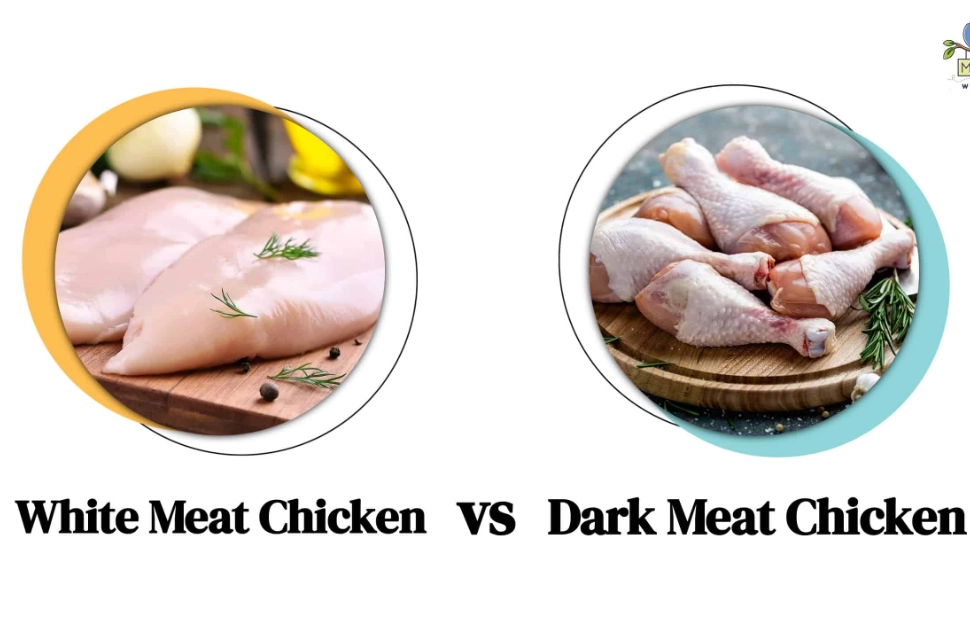
What Exactly Is White Meat Chicken?
This seems like a simple question, but it's the perfect place to start. In poultry, "white meat" refers to the muscles that are used less frequently for sustained activity. These muscles get their energy primarily from short bursts and rely on a protein called glycogen, resulting in lighter-colored fibers. The classic examples are the breast and the wing (the wing meat, not the drumette part attached to the body, which is dark).
Now, the counterpart is dark meat—the thighs and drumsticks. Those muscles are used constantly for standing and walking, so they need a steady supply of oxygen-rich blood, which comes from a protein called myoglobin. More myoglobin equals darker meat. It's a simple matter of biology, not quality.
Here’s the thing: white meat chicken, especially the breast, is prized for its extremely lean profile. It's mostly just pure protein with very little intramuscular fat running through it. That's its superpower for healthy eating, but it's also the reason it can turn dry and tough in a heartbeat if you're not careful. The fat in dark meat acts as a natural basting agent, keeping it juicy. White meat doesn't have that built-in insurance policy.
Navigating the Supermarket Aisle: How to Pick the Best White Meat
Walking up to the chicken cooler can be overwhelming. Organic, free-range, air-chilled, hormone-free, enhanced… what does it all mean, and is it worth the extra money? I've wasted plenty on packages that promised the world and delivered a bland, soggy mess.
Let's break down the labels. This is where you make your first big decision that affects flavor and texture.
Understanding Common Labels
Air-Chilled vs. Water-Chilled: This is a big one for texture. Most conventional chicken is water-chilled—tumbled in cold water baths after processing. The chicken absorbs some of that water, which plumps it up (adding water weight you pay for) and can dilute flavor. Air-chilled chicken is cooled with cold air. It's more expensive, but it often has better, firmer texture and more concentrated chicken flavor. I find the difference noticeable, especially for simple preparations like grilling.
Organic/Free-Range: These terms are regulated. "Organic" means the chickens were fed organic feed and had outdoor access. "Free-range" means they had some access to the outdoors. Do they taste better? Sometimes. The living conditions and diet can lead to a more developed flavor and texture. But it's not a guarantee of perfection. I've had fantastic conventional chicken and mediocre organic chicken. It often comes down to the specific brand and farm.
Hormone-Free: This is a bit of a marketing gimmick. The use of hormones in raising chickens has been banned in many places (like the U.S. and EU) for decades. So, all chicken you buy is technically hormone-free. Don't pay extra for this label alone.
My personal rule? For everyday cooking where the chicken is going in a saucy dish, I might go for a good quality water-chilled brand. But if I'm planning to grill chicken breasts or make a simple herb-roasted dish where the chicken is the star, I'll splurge on air-chilled. The texture is just superior.
The Nutritional Powerhouse: What's Really In Your White Meat Chicken?
This is why white meat chicken, particularly skinless breast, is a staple in so many fitness and health-conscious diets. It's a nutritional workhorse. But let's look beyond just "high in protein." According to the USDA FoodData Central, a 3-ounce (85g) cooked, skinless portion of chicken breast provides roughly:
| Nutrient | Amount | % Daily Value (DV)* |
|---|---|---|
| Calories | ~128 kcal | 6% |
| Protein | ~26g | 52% |
| Total Fat | ~2.7g | 3% |
| Saturated Fat | ~0.8g | 4% |
| Niacin (Vitamin B3) | ~11.4mg | 71% |
| Selenium | ~24.3mcg | 44% |
| Phosphorus | ~213mg | 21% |
*Based on a 2,000 calorie diet. Data is approximate and can vary.
That's an impressive profile. It's not just about the protein (though 26 grams is fantastic). It's a significant source of B vitamins like Niacin, which is crucial for energy metabolism, and Selenium, a powerful antioxidant. It's also low in saturated fat, making it heart-friendly. Organizations like the American Heart Association often recommend skinless poultry as part of a balanced diet for heart health.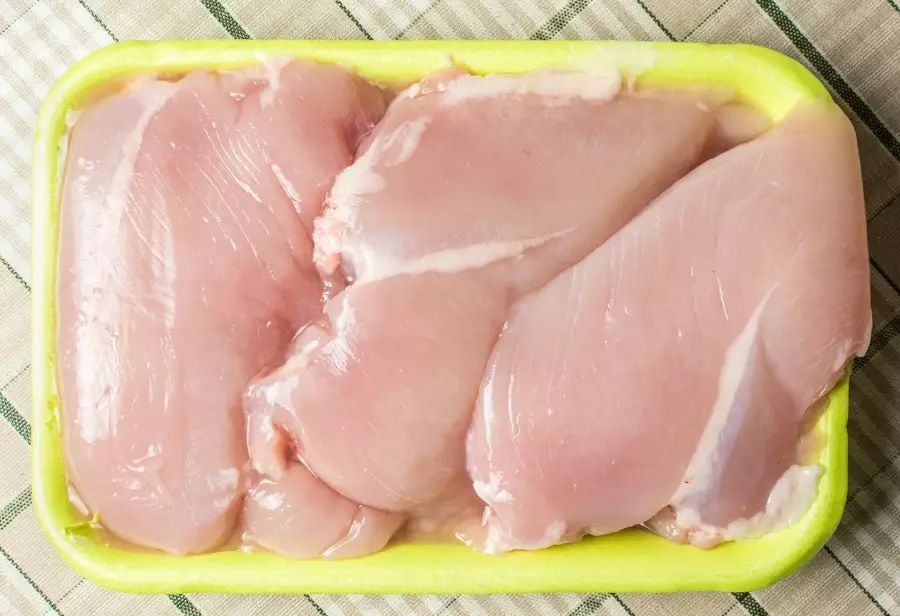
How does it stack up against other proteins? For pure lean protein per calorie, it's hard to beat skinless white meat chicken. It beats out most cuts of red meat and is comparable to many fish, though fish often provides those beneficial omega-3 fatty acids that chicken lacks.
The Art of Cooking White Meat Chicken: Never Dry Again
This is the heart of the matter. The fear of dry, overcooked chicken is real. I've committed every cooking crime possible: cooking it straight from the fridge, slicing into it immediately to check, using only high heat from start to finish. The results were consistently disappointing.
The golden rule for juicy white meat chicken is simple: Don't overcook it. The target safe internal temperature, as verified by the U.S. Food Safety guidelines, is 165°F (74°C) as measured with a meat thermometer in the thickest part. But here's a chef's secret: you can take it off the heat at around 155-160°F. The residual heat will carry it over to 165°F while it rests, preventing it from shooting past into dry territory.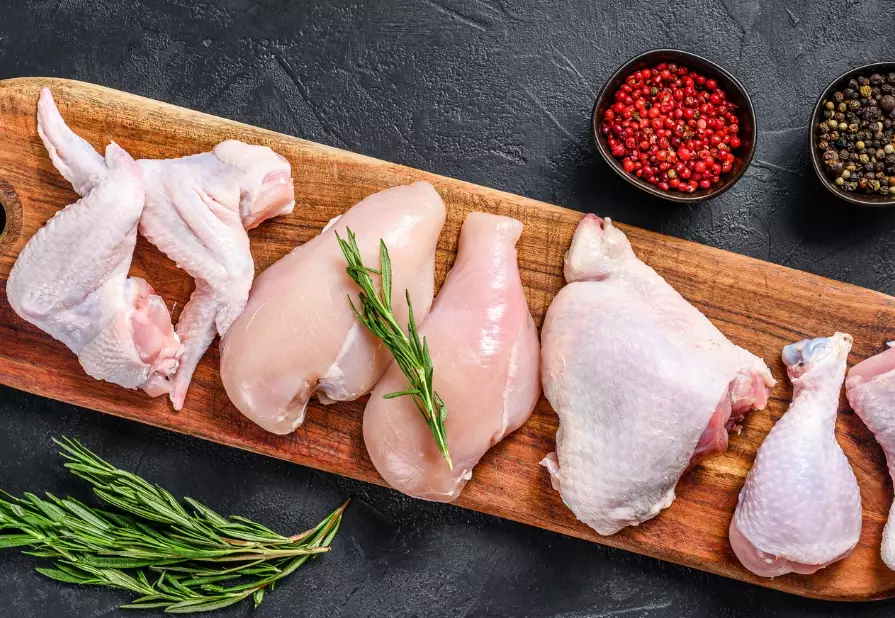
Top Cooking Methods Ranked for Juiciness
After years of trial and error (and error), here's my personal ranking of methods for cooking white meat chicken, focusing on keeping it moist:
- Brine & Sear/Roast: The undisputed champion. Soaking chicken breasts in a simple saltwater brine (1/4 cup salt per quart of water, 30 min to 2 hours) changes the game. It seasons the meat deeply and allows it to retain more moisture during cooking. Pat dry, then sear and finish in the oven, or roast. This is my go-to for guaranteed juiciness.
- Poaching: Incredibly underrated. Gently simmering chicken breasts in flavorful liquid (broth, water with herbs) keeps them incredibly tender and moist. Perfect for chicken salad or shredding for tacos. The key is low, gentle heat—no rolling boils.
- Pan-Searing with a Finishing Sauce: Quick, high-heat sear to get a gorgeous crust, then finish cooking in a pan sauce (like a lemon-butter-wine sauce). The sauce bastes the chicken as it finishes, adding flavor and moisture.
- Grilling: High risk, high reward. Direct high heat can dry it out fast. The trick is to use a two-zone fire: sear over direct heat, then move to indirect heat to cook through gently. Marinating beforehand helps.
- Straight High-Heat Baking: The most common culprit for dry chicken. Throwing a plain breast into a 400°F oven until it hits 165°F is a recipe for sawdust. If you bake, brine first, or use a method like "covered baking" with some liquid in the dish.
Storing and Handling: Safety First
This isn't the fun part, but it's critical. Chicken is perishable and can harbor bacteria like Salmonella. Safe handling is non-negotiable.
In the Fridge: Keep raw white meat chicken in its original packaging on a plate on the bottom shelf of the fridge (to prevent drips). Use it within 1-2 days of purchase. Cooked chicken will last 3-4 days in a sealed container.
In the Freezer: For long-term storage, freeze it. I like to portion it out first—separate breasts with parchment paper—so I can grab just what I need. Properly wrapped, it can last 9-12 months, but for best quality, try to use it within 3-4 months. Thaw safely in the fridge overnight, never on the counter.
Cross-Contamination: This is huge. Use separate cutting boards and utensils for raw chicken. Wash your hands, the board, the knife, and the counter with hot, soapy water immediately after handling raw chicken. Don't rinse raw chicken—it just splashes bacteria around your sink. The cooking heat will kill any bacteria on the meat itself.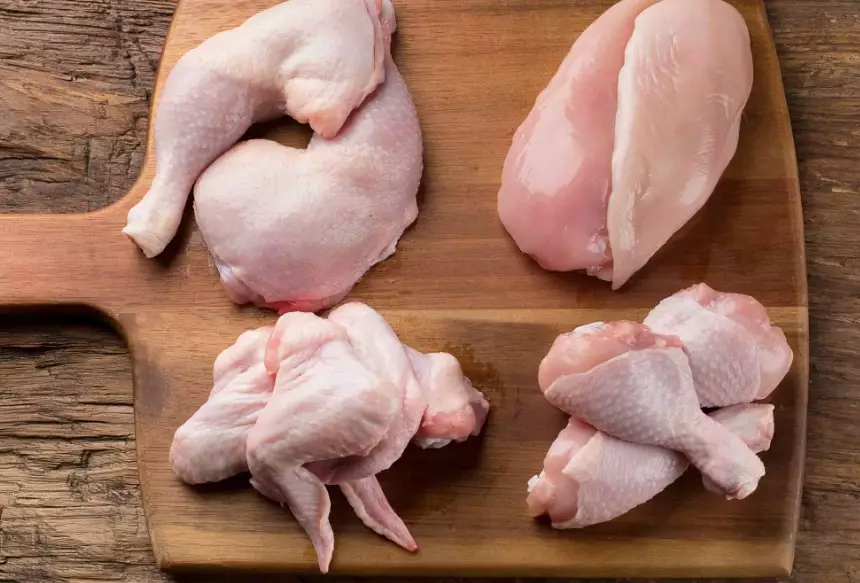
Your White Meat Chicken Toolkit
- A Good Digital Meat Thermometer: The single best investment for perfect chicken. Stop guessing.
- Kitchen Tongs: For flipping and handling without piercing the meat and losing juices.
- Heavy-Bottomed Skillet or Grill Pan: For even searing and heat distribution.
- Sharp Chef's Knife: For slicing cooked chicken cleanly against the grain, which makes it more tender to eat.
Answering Your White Meat Chicken Questions (FAQ)
1. Steam it: Place it in a covered dish with a tablespoon of water or broth and heat gently on the stove or in the microwave at low power.
2. Use a sauce: Chop it up and warm it gently in a simmering sauce or soup.
3. Oven method: Wrap it in foil with a splash of liquid and warm in a low oven (275°F) until just heated through.
Putting It All Together: Making White Meat Chicken Shine
So, what's the takeaway after all this? White meat chicken doesn't have to be boring or dry. It's a blank, lean canvas waiting for your creativity. Respect its nature—it's delicate and cooks quickly. Treat it right with proper selection, a brine or marinade, careful cooking to temperature, and a mandatory rest.
Start with one new technique. Maybe this week, you try brining your chicken breasts before you bake them. Or you buy an air-chilled pack and simply pan-sear it with salt and pepper, finishing it with a squeeze of lemon. Taste the difference that small changes make.
From its stellar nutritional profile to its incredible versatility, white meat chicken earns its spot in our kitchens. Now you have the knowledge to move beyond the basics and truly master it. Forget the dry, bland versions of the past. Your journey to perfectly cooked, flavorful white meat chicken starts now.
Related Articles