Boneless Skinless Chicken Thigh Calories & Nutrition Facts
Key Sections to Explore
So you're looking at a pack of boneless, skinless chicken thighs at the grocery store, thinking they look way more flavorful than those dry chicken breasts, but you're stuck on one question. How many calories are actually in there? Is it a diet-friendly choice or a sneaky calorie bomb? I was in the same boat for ages. I'd avoid them, thinking they were the "unhealthy" part of the chicken, until I actually sat down and looked at the numbers. Honestly, I was surprised.
Let's cut through the confusion right now. The straight answer, according to the most trusted source out there, the USDA FoodData Central, is that a 3-ounce (85-gram) cooked serving of boneless, skinless chicken thigh contains about 179 calories. But that number alone is almost meaningless, isn't it? It's like knowing the price of a car but not what's under the hood.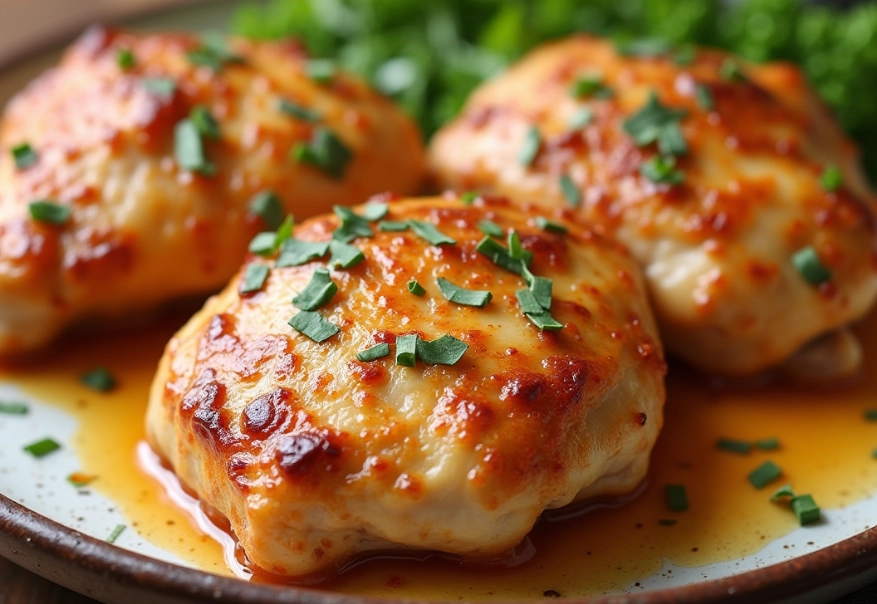
Here's the core of it: That 179 calories comes packaged with roughly 22 grams of high-quality protein and about 9 grams of fat. The protein is what keeps you full for hours, and the fat? Well, that's where a lot of the flavor and juiciness comes from. It's a different nutrient profile than its leaner cousin, the breast, but that doesn't make it "bad." It just makes it different, and for many goals—like actually enjoying your food—it might be better.
Breaking Down the Numbers: More Than Just Calories
When you search for "boneless skinless chicken thigh calories," you probably want the full picture. You need to know what you're putting in your body, not just a single number. So let's unpack that USDA data completely.
For one typical boneless, skinless chicken thigh (about 4 oz or 113g raw, which cooks down to roughly that 3oz serving), here's the detailed nutritional snapshot:
| Nutrient | Amount per 3oz (85g) Cooked | % Daily Value (DV)* |
|---|---|---|
| Calories | 179 | 9% |
| Protein | 22g | 44% |
| Total Fat | 9g | 12% |
| Saturated Fat | 2.5g | 13% |
| Carbohydrates | 0g | 0% |
| Cholesterol | 98mg | 33% |
| Sodium | 75mg (naturally occurring) | 3% |
| Iron | 0.9mg | 5% |
| Potassium | 259mg | 6% |
*Based on a 2,000 calorie diet. Source: USDA FoodData Central for Chicken, broiler, thigh, boneless, skinless, cooked.
See what jumps out? The protein content is seriously impressive. Nearly half your daily protein needs in one small serving. And zero carbs, which matters to some folks on specific diets. The fat content is what most people fret over. But here's a key point a lot of articles miss: a good chunk of that fat is monounsaturated fat—the same heart-healthy kind found in olive oil. The saturated fat is moderate. It's not the nutritional villain it was once painted to be, especially in the context of a balanced diet. Organizations like the American Heart Association now emphasize the type of fat over just the total amount.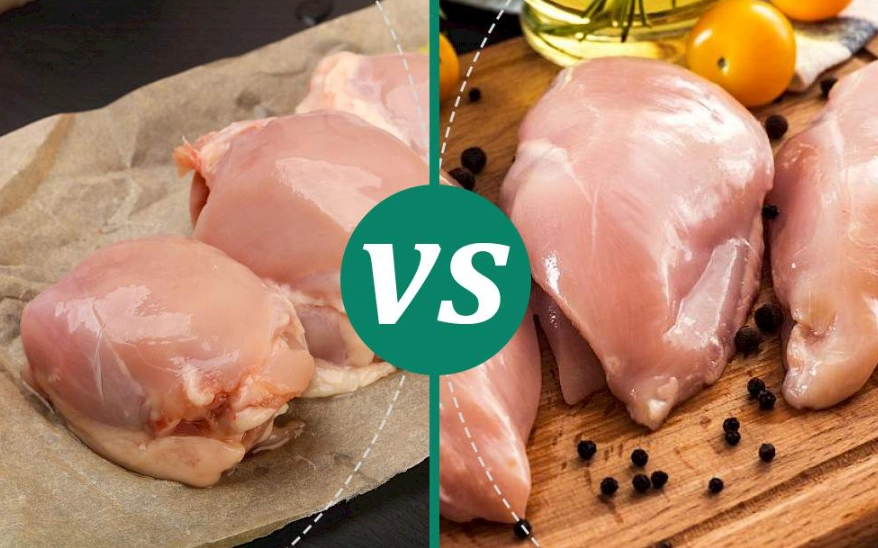
Why the Fat in Chicken Thighs Isn't Something to Fear
I used to meticulously cut every speck of fat off my meat. It was a hassle, and the result was often chewy and bland. The fat in boneless skinless chicken thighs serves a purpose beyond calories.
- Flavor and Moisture: This is the big one. Fat carries flavor. It also keeps the meat juicy during cooking, giving you a much bigger margin for error than with chicken breast. Overcook a breast by a few minutes, and it's sawdust. Overcook a thigh, and it's still pretty darn good.
- Satiation: Fat slows down digestion. That means the calories from boneless skinless chicken thighs keep you feeling satisfied longer than an equally lean protein might. You're less likely to be raiding the snack cupboard an hour later.
- Nutrient Absorption: Vitamins like A, D, E, and K are fat-soluble. Having a bit of fat with your meal helps your body actually use the nutrients from the vegetables on your plate.
Looking at it this way, those 9 grams of fat start to look more like a feature than a bug.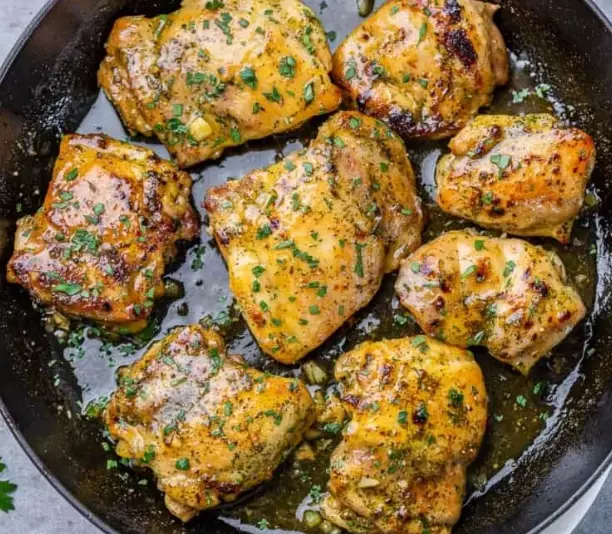
How Cooking Method Drastically Changes the Calorie Count
This is where most basic calorie look-ups fail you. They give you a number for "cooked" but don't tell you how it was cooked. The method you choose can swing the boneless skinless chicken thigh calories by a significant amount. Let me give you an example from my own kitchen mishaps.
I once decided to "healthy fry" some thighs in a quarter cup of olive oil. They were delicious, but I basically turned a lean-ish protein into a calorie-dense meal by adding a few hundred extra calories from the oil they absorbed. On the flip side, when I grill or air-fry them, I use little to no added fat, and the natural fats just drip away.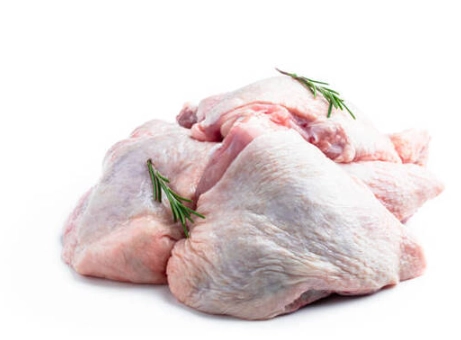
| Cooking Method | Estimated Calorie Impact (per 3oz serving) | Why It Happens | My Personal Take |
|---|---|---|---|
| Grilling / Broiling | ~170-185 calories | Fat renders out and drips off. Minimal added calories. | My go-to for flavor without guilt. Gets a nice char. |
| Baking / Roasting | ~175-190 calories | Similar to grilling. Using a rack is key to let fat drip. | Easiest for meal prep. Can be dry if overcooked. |
| Air Frying | ~170-180 calories | Excellent fat rendering with little to no oil needed. | Game-changer. Gets them crispy like fried without the oil bath. |
| Sautéing / Pan-Frying | ~190-250+ calories | Calories depend entirely on how much oil/butter you use. | Flavor is top-notch, but it's easy to overdo the oil. Use a non-stick spray. |
| Deep Frying (with coating) | ~250-350+ calories | Oil absorption + breading adds massive calories and carbs. | A treat, not a staple. Completely changes the nutritional game. |
| Stewing / Braising | ~180-200 calories | Fat stays in the liquid. Skimming the sauce reduces calories. | Super tender, but drink the sauce and you drink the fat too. |
The takeaway? You have a lot of control. If you're closely tracking the calories in boneless skinless chicken thighs, stick to dry-heat methods where fat can escape. Grilling, baking on a rack, and air-frying are your best friends.
Boneless Skinless Thigh vs. Other Chicken Parts (And Meats)
Is it better or worse? That depends on your goal. Let's put it side-by-side with other common options. This comparison was a real eye-opener for me and helped me stop seeing foods as strictly "good" or "bad."
Key Insight: Boneless, skinless chicken thighs offer a fantastic middle ground. They provide substantially more flavor and moisture than breast for a relatively small calorie and fat increase compared to darker cuts with skin. They are a far leaner, higher-protein option compared to many cuts of red meat.
The Chicken Family Showdown (per 3oz cooked)
- Boneless, Skinless Chicken Breast: ~165 calories, 31g protein, 3.6g fat. The lean champion. Highest protein, lowest fat and calories. But also the highest risk of being dry and bland.
- Boneless, Skinless Chicken Thigh: ~179 calories, 22g protein, 9g fat. Our star. More calories and fat than breast, but more flavor and iron. A balanced, satisfying option.
- Chicken Thigh with Skin: ~~230 calories, 21g protein, 15g fat. The skin adds about 50-60 calories and 6g of fat. Huge flavor boost, but a significant calorie jump.
- Chicken Wing (with skin, meat only): ~240 calories, 22g protein, 16g fat. Similar to a thigh with skin, but you get less meat for the hassle.
- Ground Chicken (93% lean/7% fat): ~170 calories, 21g protein, 9g fat. Very similar to a thigh, but watch out—fattier ground chicken blends can have much higher fat content.
How It Stacks Up Against Other Proteins
Thinking beyond chicken? Here's how it compares calorie-for-calorie.
- 90% Lean Ground Beef: ~200 calories, 22g protein, 12g fat. Slightly higher in calories and saturated fat than a boneless skinless chicken thigh.
- Pork Tenderloin: ~165 calories, 22g protein, 4g fat. Very similar to chicken breast in leanness.
- Atlantic Salmon (cooked): ~175 calories, 22g protein, 10g fat. Similar calorie and protein profile, but with heart-healthy omega-3 fats.
- Firm Tofu: ~120 calories, 12g protein, 7g fat. A plant-based alternative with less protein per serving.
The boneless skinless chicken thigh calories put it in a really competitive spot. It's not the absolute lowest, but it's far from the highest, and you get a lot of culinary reward for those calories.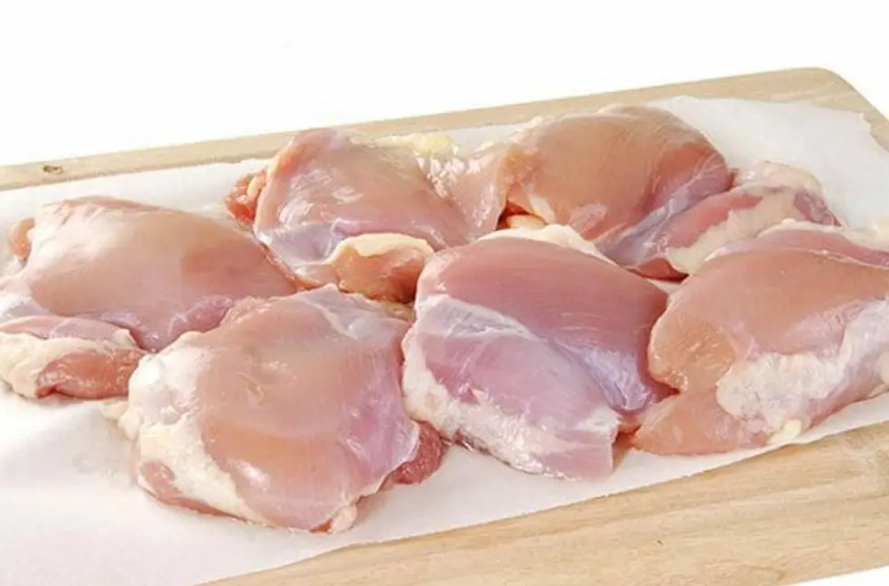
Fitting Boneless Skinless Chicken Thighs Into Your Diet Plan
Okay, so you know the numbers. Now, how do you actually use this without wrecking your goals? Whether you're counting calories, macros, or just trying to eat healthier, here's how to make them work.
I used to think healthy eating meant only eating the leanest possible foods. It made my diet boring and I'd often fall off track. Once I allowed for more flavorful options like thighs, I found it much easier to stick to my plan long-term. Sustainability matters more than perfection.
For Calorie Counting
Weigh your thighs raw for the most accuracy. A good average portion is 4-6 oz raw (113-170g), which will cook down to a 3-4.5 oz serving. That's a solid 180-270 calorie base for your meal. Pair it with a huge volume of non-starchy vegetables (like broccoli, peppers, or a big salad) and a modest portion of a complex carb (like 1/2 cup quinoa or sweet potato). You've got a balanced, filling meal for 400-500 calories.
For High-Protein / Muscle Building Diets
The chicken thigh nutrition profile is excellent here. You're getting a hefty dose of protein along with fats that support hormone production (like testosterone, which is crucial for muscle growth). They're a staple in many bodybuilders' "bulking" phases for a reason. To keep calories in check while building muscle, just be mindful of the cooking method—grill or air-fry.
For Low-Carb and Keto Diets
Perfect fit. Zero carbs, moderate protein, and a good amount of fat. The fat content helps you reach your daily fat macros on keto. They are a fantastic, versatile protein source for these diets. Just avoid any sugary marinades or breading.
For General Healthy Eating & Meal Prep
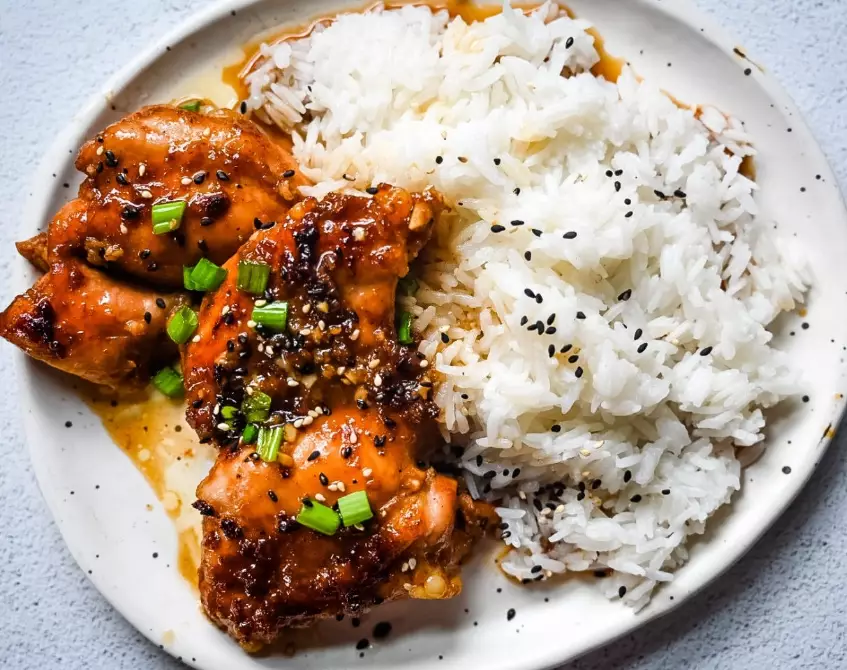
This is where thighs shine. Their forgiving nature makes them ideal for meal prep. You can cook a big batch on Sunday, and they'll still be moist and edible on Thursday, whereas pre-cooked breasts often become rubbery. My weekly routine often involves marinating a pack of thighs in a ziplock bag (something simple like lemon, garlic, and herbs) and throwing them in the air fryer. Done in 15 minutes.
Frequently Asked Questions About Chicken Thigh Calories
The Bottom Line: Should You Eat Boneless Skinless Chicken Thighs?
Look, if you're on a super strict, bodybuilding-style cut where every single gram of fat is accounted for, chicken breast might be your default. For literally everyone else—from the average person trying to eat better to the fitness enthusiast to the keto dieter—boneless skinless chicken thighs are a phenomenal choice.
Their calorie count is reasonable, their protein content is high, and their fat content brings flavor, moisture, and satiety to the table. They are forgiving to cook, excellent for meal prep, and versatile enough for cuisines from around the world.
So next time you're at the store wondering about the boneless skinless chicken thigh calories, remember it's not just a number. It's a package deal of high-quality nutrition that can help you build a healthy, sustainable, and actually enjoyable way of eating. Don't be afraid to grab that pack. Your taste buds (and your sustained motivation) will thank you.
Related Articles