The Ultimate Guide to Safely Thawing Frozen Chicken
Let's be honest. We've all been there. You get home, ready to cook, only to realize the chicken breasts you planned to use are solid blocks of ice in the freezer. Your first instinct might be to toss them on the counter and hope for the best. I've done it. It's a mistake that can turn dinner into a dicey situation. Thawing frozen chicken isn't just about convenience; it's the first critical step in food safety that determines the texture, flavor, and safety of your entire meal. This guide cuts through the noise and gives you the clear, actionable methods backed by science and years of kitchen experience.
What's Inside This Guide?
- Why Getting Thawing Right Matters (Beyond Safety)
- Thawing Methods Compared: A Quick Decision Table
- How to Thaw Chicken in the Refrigerator (The Gold Standard)
- How to Thaw Chicken in Cold Water (The Fast & Safe Hack)
- Using the Microwave to Thaw Chicken (The Last Resort)
- The 5 Most Common Thawing Mistakes (And How to Avoid Them)
- Your Thawing Questions, Answered
Why Getting Thawing Right Matters (Beyond Safety)
Everyone knows the safety rule: keep bacteria in check. The U.S. Department of Agriculture (USDA) is crystal clear that perishable food should never be thawed on the counter because the outer layers enter the "danger zone" (40°F to 140°F) long before the inside is thawed, allowing bacteria to multiply rapidly. But there's more to it.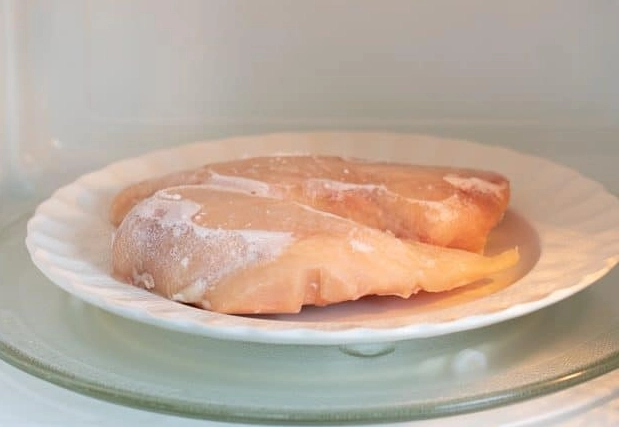
Improper thawing wrecks texture. Ice crystals form during freezing. When they melt too quickly (like on a counter), they leave behind large gaps in the muscle fibers, causing the chicken to lose massive amounts of moisture—your "juicy" chicken turns into a dry, stringy mess. A controlled, slow thaw helps minimize this cellular damage. It's the difference between a restaurant-quality sear and a disappointing, watery pan.
Thawing Methods Compared: A Quick Decision Table
Here’s the cheat sheet. Choose based on your time and goal.
| Method | Time Required (for 1 lb) | Best For | Key Consideration |
|---|---|---|---|
| Refrigerator Thawing | 24 hours (plan ahead!) | Meal prep, best texture & safety | Place on a plate or tray to catch drips. |
| Cold Water Thawing | 1-2 hours | Same-day cooking, faster than fridge | Must change water every 30 mins. Use a leak-proof bag. |
| Microwave Thawing | Minutes per pound | Extreme emergencies only | Partial cooking occurs. Cook immediately after. |
| Cooking From Frozen | Adds 50% more cook time | Stews, soups, baked dishes | Not suitable for pan-frying or grilling. |
How to Thaw Chicken in the Refrigerator (The Gold Standard)
This is the method I recommend 95% of the time. It requires foresight but delivers perfect results.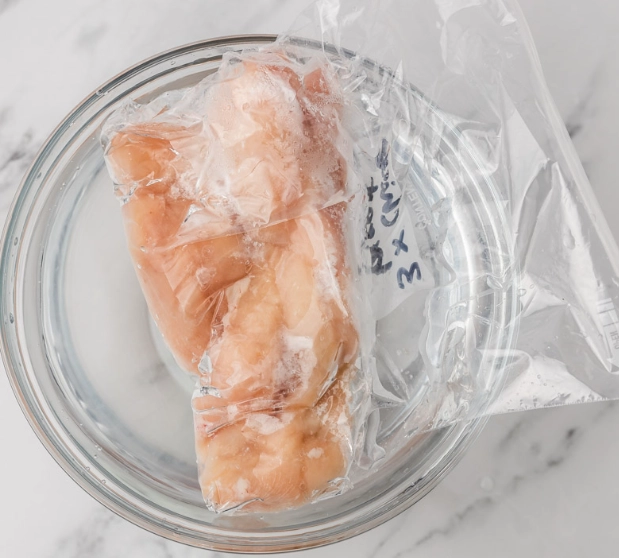
The Step-by-Step Fridge Thaw
1. Transfer & Isolate: The night before (or even two days before for larger cuts), move the frozen chicken from the freezer to the refrigerator. This is non-negotiable: always place it on a rimmed plate, baking sheet, or in a container. This prevents cross-contamination from any drips.
2. Let Time Do Its Work: Leave it alone. A general rule is 24 hours for every 4-5 pounds. A single breast might take 8-12 hours, a whole chicken can take 2 days.
3. The Doneness Check: How do you know it's ready? The chicken should be cold to the touch but pliable, with no ice crystals in the thickest part. The packaging should be dry, not frosty.
The biggest advantage? Once thawed in the fridge, chicken remains safe there for an additional 1-2 days before cooking. It gives you a buffer. The texture is superior because the ice melts slowly, minimizing moisture loss.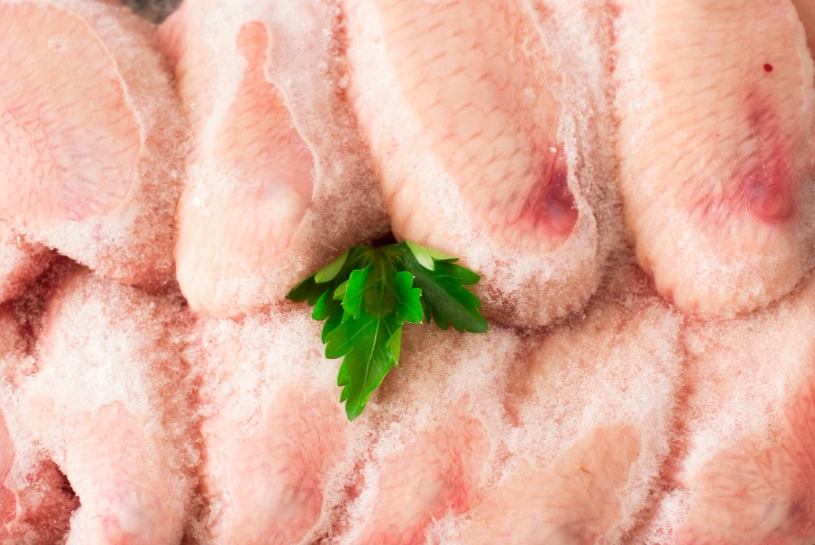
How to Thaw Chicken in Cold Water (The Fast & Safe Hack)
Forgot to plan? This is your savior. The key is cold water, not cool, and certainly not warm.
Executing the Cold Water Bath
1. Double-Bag for Safety: Take the frozen chicken (still in its store packaging is fine) and place it inside a second, sealed leak-proof plastic bag. This prevents water-logging and bacterial ingress.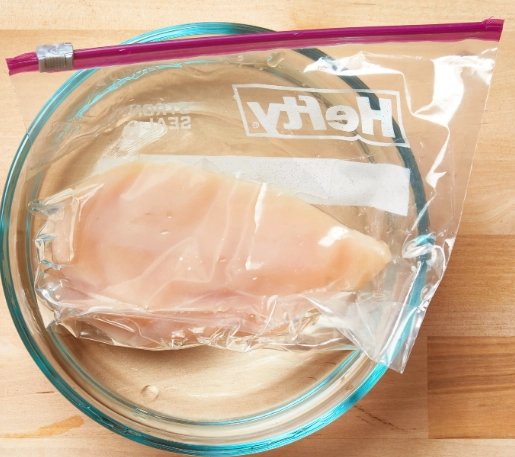
2. Submerge in Cold Tap Water: Fill a large bowl, pot, or clean sink with cold water. Submerge the bagged chicken completely.
3. The 30-Minute Rule: This is the part everyone misses. You must change the water every 30 minutes. Why? The water around the chicken warms up, slowing the thaw and entering the danger zone. Fresh cold water keeps the process efficient and safe. Set a timer.
4. Estimate Your Time: It takes about 30 minutes per pound. A 1-pound pack of breasts will be ready in about 30-60 minutes. A whole chicken? Plan for 2-3 hours with consistent water changes.
Once thawed via this method, cook it immediately. Do not refrigerate it again for later. The outer layers have been exposed to more variable temperatures.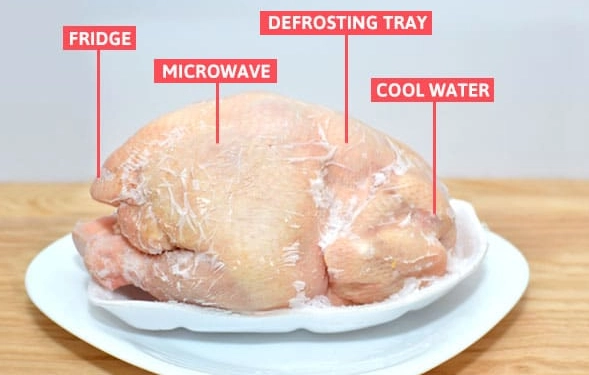
Using the Microwave to Thaw Chicken (The Last Resort)
I have a love-hate relationship with the microwave for thawing. It's fast but brutal. Use it only if you plan to cook the chicken the second it's done.
Most microwaves have a "defrost" setting based on weight. Follow it. The real trick? Stop and separate. Pause the cycle when you can pry pieces apart. Remove thawed portions (usually the edges) and continue defrosting the still-frozen center. This prevents the edges from starting to cook while the middle is still ice.
Heads up: Microwaving creates uneven hot spots that can begin to cook the protein. The texture often becomes rubbery in parts. It's a trade-off for speed. Always cook microwave-thawed chicken immediately and thoroughly.
The 5 Most Common Thawing Mistakes (And How to Avoid Them)
After years of teaching cooking classes, I see the same errors repeatedly.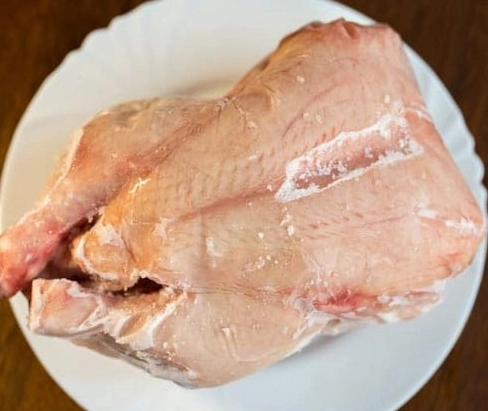
Mistake 1: The Countertop Thaw. We covered it. Just don't. Ever.
Mistake 2: Thawing in Hot Water. It seems logical—hot water melts ice faster. But it's a food safety disaster. It rapidly brings the surface temperature into the prime bacterial breeding zone.
Mistake 3: Not Catching the Drip. Thawing chicken releases juices. Putting the package directly on the fridge shelf can contaminate other foods. Always use a container.
Mistake 4: Refreezing Raw Chicken Improperly. Can you refreeze thawed chicken? The USDA says yes, but only if it was thawed safely in the refrigerator and hasn't been there more than a couple of days. The quality will degrade further, but it's safe. If you thawed it in cold water or the microwave, you must cook it before refreezing.
Mistake 5: Assuming "Thawed" Means "Room Temperature." Your chicken should still be cold when it's done thawing, just not frozen. Letting it "come to room temp" for an hour before cooking is an unnecessary risk. Go straight from a cold thaw to the pan or oven.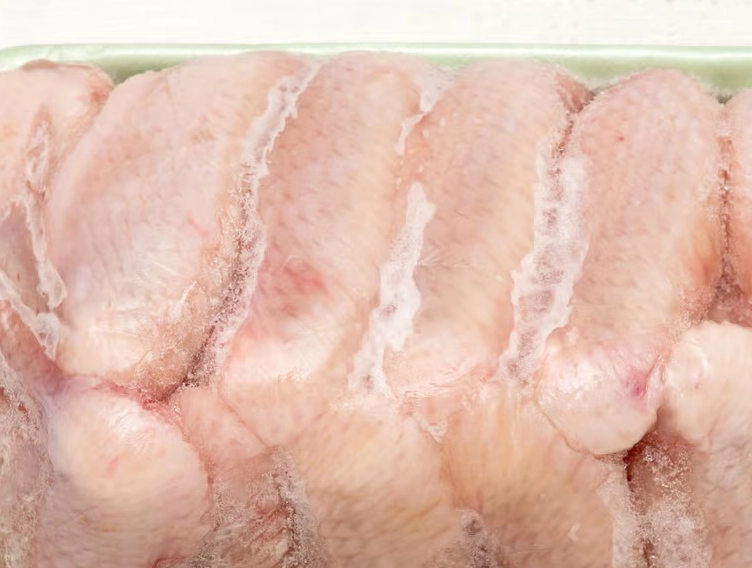
Your Thawing Questions, Answered
Related Articles

![Why is it considered [false] even though there is a contract and there is a tran](/images/870a5535509ff5816d8b14e19f68b56c.png "Why is it considered [false] even though there is a contract and there is a tran")