How Long to Thaw Chicken Breast Safely: A Complete Guide
You pull a rock-solid package of chicken breast from the freezer. Dinner plans flash before your eyes. How long do you need to thaw it? The answer isn't one-size-fits-all. It depends entirely on your method. Get it wrong, and you risk foodborne illness. Get it right, and you get juicy, safe, perfectly cooked chicken every time.
Based on my years in the kitchen and following USDA guidelines, the safest method—thawing in the refrigerator—takes about 24 hours for every 2.2 lbs (1 kg). But let's be real, we don't always have that kind of time. That's where cold water and the microwave come in, each with its own precise timing and rules.
Your Quick Thawing Guide
Why Getting Thawing Right Matters More Than You Think
It's not just about convenience. Thawing chicken breast safely is a critical food safety step. When frozen meat sits in the "danger zone" between 40°F and 140°F (4°C and 60°C), bacteria like Salmonella and Campylobacter can multiply rapidly. The goal is to move the chicken through this temperature range as quickly and controllably as possible, or avoid it altogether.
A subtle error many home cooks make? Assuming a thawed exterior means a thawed interior. That cold, icy center isn't just a cooking nuisance—it's a sign that parts of the meat spent too long in the danger zone while the outside was already warm, creating a perfect breeding ground for pathogens.
The Three Safe Methods: Times, Steps & Trade-offs
According to the USDA Food Safety and Inspection Service, there are only three recommended ways to thaw chicken safely. Let's break each one down with exact times.
1. Refrigerator Thawing (The Gold Standard)
This is the safest method because it keeps the chicken at a constant, safe temperature below 40°F. The downside? It requires planning.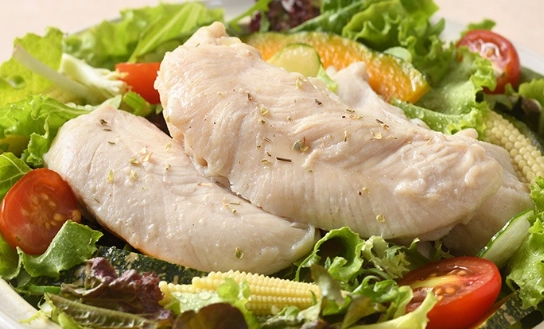
- One large breast (about 8 oz / 225g): 8-12 hours.
- A package of 4 breasts (about 1.5 lbs / 680g): 18-24 hours.
2. Cold Water Thawing (The Fast, Safe Compromise)
This is my go-to method when I forget to plan ahead. It's much faster than the fridge but requires your attention.
Steps:
- Keep the chicken in its original airtight packaging or place it in a leak-proof plastic bag. Submerging it directly in water is a no-go—it causes nutrient loss and waterlogged meat.
- Submerge the bag in a large bowl or sink full of cold tap water. Never use warm water.
- Change the water every 30 minutes. This is the step everyone misses. Stagnant water warms up, pushing the meat into the danger zone.
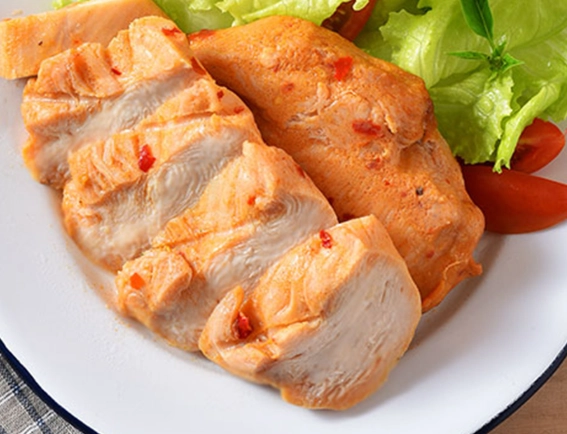
I learned this the hard way early on. I left a bag in a bowl of water for two hours without changing it. The outside of the chicken was mushy and pale—a classic sign of waterlogging and temperature abuse.
3. Microwave Thawing (The Emergency Button)
Honestly, I'm not a huge fan of this method because it's easy to start cooking the edges. But when you're in a true pinch, it works if you're careful.
Critical Rule: You must cook the chicken immediately after microwave thawing. Parts of the meat will have entered the danger zone during the process.
Use your microwave's "defrost" setting based on weight. If it doesn't have one, use low power (30-50%). Stop halfway through to flip and separate the pieces. Expect some areas to feel slightly warm or even start cooking.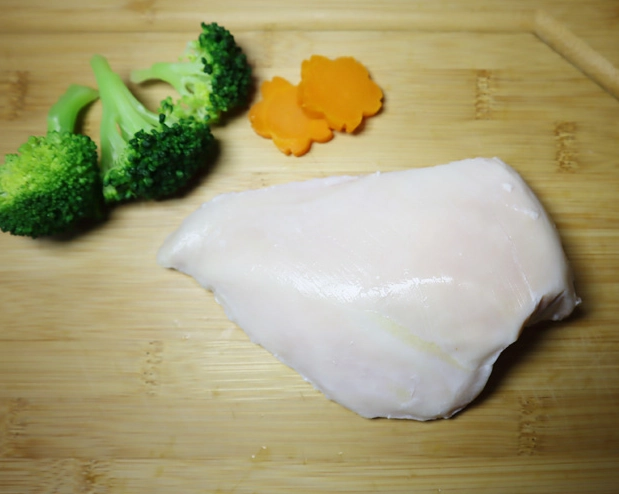
| Thawing Method | Estimated Time (for 1 lb / 450g) | Key Requirement | Best For |
|---|---|---|---|
| Refrigerator | ~24 hours | Planning ahead | Best quality & safety, meal prep |
| Cold Water | 30 min - 1 hour | Change water every 30 min | Forgot-to-plan dinners |
| Microwave | ~5-8 minutes* | Cook immediately after | True emergencies |
*Times vary wildly by microwave wattage and chicken shape. Check frequently.
What to Do After Your Chicken Breast is Thawed
How do you know it's fully thawed? Press the thickest part gently. It should yield evenly with no hard, icy spots. The texture should be uniformly pliable.
Pat it dry. This is a game-changer for browning. Use paper towels to thoroughly dry the surface before seasoning and cooking.
Can you refreeze thawed chicken breast? The official USDA stance is that you can refreeze food thawed in the refrigerator. However, I generally advise against it if you used the cold water or microwave method due to greater temperature fluctuation risk. Refreezing also degrades texture and moisture significantly.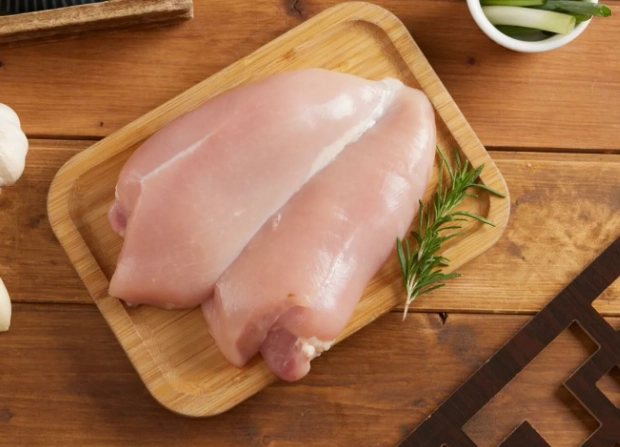
Common Thawing Mistakes (And How to Avoid Them)
- Thawing on the counter. Just don't. The outer layers sit in the danger zone for hours while the center thaws.
- Using hot water. It thaws the outside too fast, starts cooking it, and leaves the inside frozen while promoting bacterial growth.
- Not changing the cold water. That water becomes room temperature, defeating the purpose.
- Microwave thawing and then storing. This is a major safety risk. The clock starts ticking the second you hit "start."
Pro Tips for Faster, Safer Thawing
Here's a trick most recipes don't tell you: Freeze chicken breasts flat in individual bags. Instead of tossing the whole package in, separate breasts with parchment paper and freeze them in a single layer. A thin, flat piece thaws in the fridge in 6-8 hours or in cold water in 20 minutes.
For meal prep, consider cooking from frozen. It's possible! You can bake or simmer chicken breasts directly from frozen. You'll need to add 50% more cooking time, and searing won't work, but for soups, stews, or baked dishes, it's a legitimate time-saver.
Your Thawing Questions, Answered
The bottom line? Knowing how long to thaw chicken breast is about matching the method to your timeline while respecting food science. The fridge is your best friend for planning. Cold water is the reliable backup. The microwave is the last-resort tool. Master these times and rules, and you'll never face a frozen chicken dinner dilemma again.
Related Articles