The Perfect Oil Temperature for Crispy Fried Chicken Thighs
Let's cut to the chase. You want that golden-brown, shatteringly crisp crust and juicy, tender meat inside. The single biggest factor that decides success or failure isn't your seasoning or your flour blend—it's the oil temperature. Get it wrong, and you're looking at pale, greasy, undercooked chicken or a burnt, bitter exterior hiding dry meat. After years of testing (and more than a few failed batches), I've nailed down the exact science. The sweet spot for frying chicken thighs is between 325°F and 350°F (163°C to 177°C). But hitting that number is just the start. How you get there, how you keep it there, and what you do when things go sideways matter just as much.
What You'll Learn
- Why Temperature is Everything
- The Exact Temperature Range (and Why)
- How to Monitor and Maintain the Right Frying Temperature
- Frying Time and How to Tell When Chicken Thighs Are Done
Bone-In vs. Boneless: A Temperature & Time Adjustment Guide - Pro Tips & Common Mistakes You're Probably Making
- Your Fried Chicken Thigh Questions, Answered
Why Temperature is Everything
Think of oil as a heat transfer medium. Its job is to cook the food quickly and evenly. At the right temperature (325-350°F), magic happens. The water on the surface of the chicken instantly vaporizes, creating a barrier that prevents oil from soaking in. Simultaneously, the proteins and starches in your coating undergo the Maillard reaction and caramelization, building that complex flavor and iconic crunch. If the oil is too cool (below 300°F), that water vaporizes slowly. Oil seeps into the coating, resulting in a soggy, greasy, and pale crust. The chicken also cooks slower, which can lead to tough, dry meat as it overcooks trying to brown. If the oil is too hot (above 375°F), the outside burns before the inside, especially near the bone, is safely cooked. You get bitter flavors and a risk of undercooked poultry. It's a balancing act.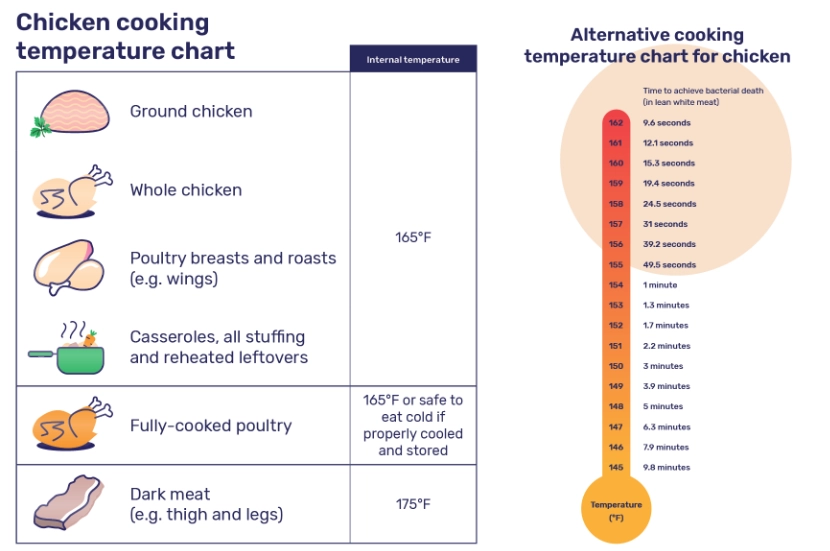
The Exact Temperature Range (and Why)
Target: 325°F to 350°F (163°C to 177°C). I recommend starting at the higher end of this range—around 345-350°F—when you first add the chicken. Why? Adding room-temperature chicken will cause the oil temperature to drop, sometimes significantly (by 25-50 degrees). Starting hotter gives you a buffer. As the chicken fries and you manage the heat, the temperature will settle into the ideal mid-300s. For a visual guide, here’s what happens at different oil temps:
| Oil Temperature | Result on Chicken Thighs | Visual & Texture Cues |
|---|---|---|
| Below 300°F (149°C) | Greasy, pale, soggy coating. Meat cooks slowly, can become tough. | Lots of small bubbles, coating looks wet and absorbs oil. |
| 300°F - 325°F (149°C - 163°C) | Acceptable but slow. Crust may be less crisp, more bready. | Steady stream of medium bubbles. Browning takes longer. |
| 325°F - 350°F (163°C - 177°C) | PERFECT ZONE. Crisp, golden crust. Juicy, fully cooked interior. | Vigorous but controlled bubbling. Steady golden browning in 12-15 mins. |
| Above 375°F (191°C) | Burnt, bitter coating. Undercooked or dry meat inside. | Violent, rapid bubbling. Coating darkens too quickly (in under 8 mins). |
How to Monitor and Maintain the Right Frying Temperature
You absolutely need a good deep-fry or candy thermometer. Clipping it to the side of your pot is non-negotiable. Relying on the "bread cube test" or visual cues is for experts on their best day—it's unreliable for consistent results. Here’s your action plan:
1. Choose the Right Pot and Oil: Use a heavy-bottomed Dutch oven or deep pot. It retains heat better than thin pans, preventing wild temperature swings. Fill it no more than halfway with a high-smoke-point oil like peanut, canola, or vegetable oil. Peanut oil is my favorite for its neutral flavor and high smoke point.
2. The Preheating Ritual: Heat the oil over medium-high heat. Don't walk away. Watch the thermometer climb. When it hits your target start temp (say, 348°F), you're ready.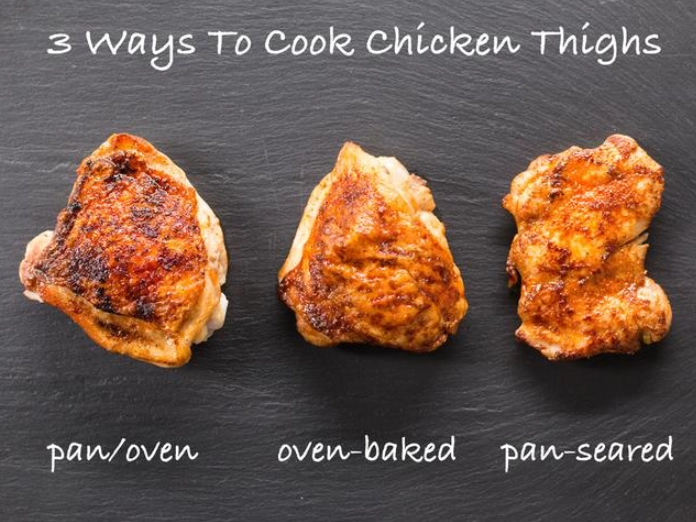
3. The Drop & Recover Method: Gently add your chicken pieces one at a time, away from you to avoid splatter. Do not crowd the pot. Crowding is the #1 cause of temperature crash and greasy chicken. Fry in batches. The temp will drop. Immediately nudge the heat up slightly to help it recover back to the 325-350°F zone. Then, adjust the heat to maintain it. This is active cooking.
Frying Time and How to Tell When Chicken Thighs Are Done
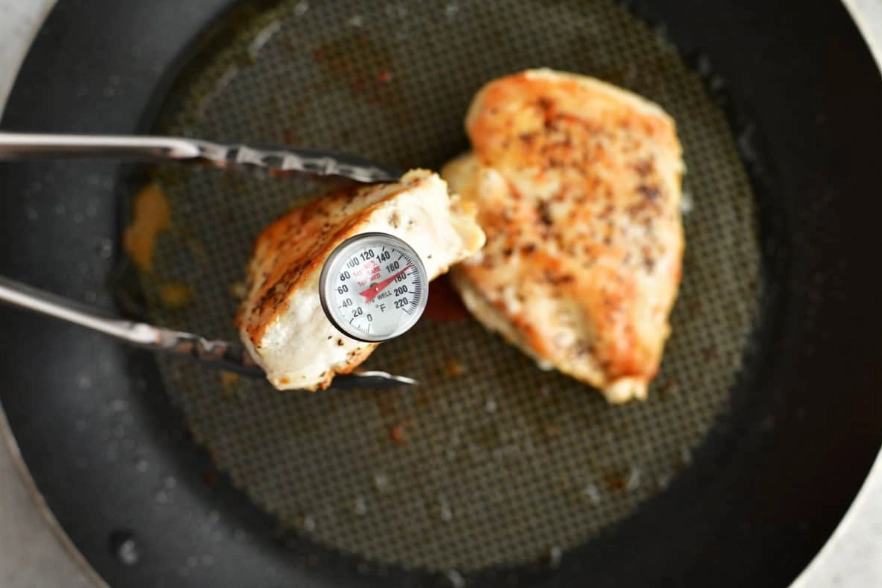
Time is a guideline, not a rule. At a steady 335-345°F, bone-in, skin-on chicken thighs typically take 12 to 15 minutes. Boneless thighs take about 6 to 9 minutes. But you must trust internal temperature, not the clock. The USDA recommends cooking all poultry to a safe minimum internal temperature of 165°F (74°C). Insert an instant-read thermometer into the thickest part, avoiding the bone. I actually prefer to pull them at 160-162°F (71-72°C). The residual heat will carry them over to 165°F while they rest on a wire rack (never paper towels—they create steam and soften the bottom crust).
Bone-In vs. Boneless: A Temperature & Time Adjustment Guide
This is crucial. Bone acts as an insulator, slowing heat transfer to the meat around it.
- Bone-In, Skin-On Thighs: Your standard. Fry at 325-340°F for 12-15 mins. The slightly lower end of the range helps the heat reach the bone. The skin renders beautifully, creating incredible crunch.
- Boneless, Skinless Thighs: Cook much faster. Fry at 345-350°F for 6-9 mins. The higher temp sets the crust quickly on the more vulnerable meat. They're done when golden brown and 165°F internally.

Pro Tips & Common Mistakes You're Probably Making
Beyond temperature, small details separate good fried chicken from great.
Pat Your Chicken Dry: This is non-negotiable. Moisture on the surface creates steam, which fights crispiness. Dry it thoroughly with paper towels before seasoning and dredging.
Season the Meat, Not Just the Flour: Salt and season the chicken thighs themselves at least 30 minutes before frying. This seasons the meat deeply. Your flour or batter seasoning is just the flavor layer on the crust.
Let the Dredge Rest: After coating your chicken in flour or batter, let it sit on a rack for 5-10 minutes. This lets the coating hydrate and adhere better, preventing it from sloughing off in the oil.
Don't Reuse Oil Indefinitely: Oil breaks down. If it's dark, foamy, or smells off, discard it. Straining it once through a coffee filter is okay for a second use, but don't push it. Bad oil makes for bad-tasting chicken.
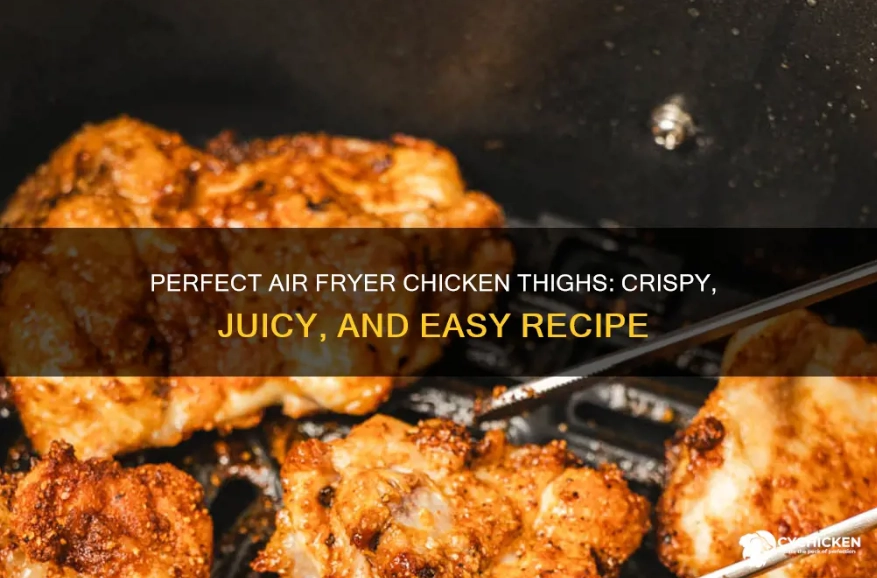
What About an Air Fryer? It's a different beast. You're circulating hot air, not submerging in oil. For air fryer chicken thighs, you need a higher temperature—usually 380°F to 400°F (193°C to 204°C)—to achieve browning and crispness because the heat transfer is less efficient. Cook time is similar, around 18-22 minutes for bone-in, flipping halfway. Always check internal temp.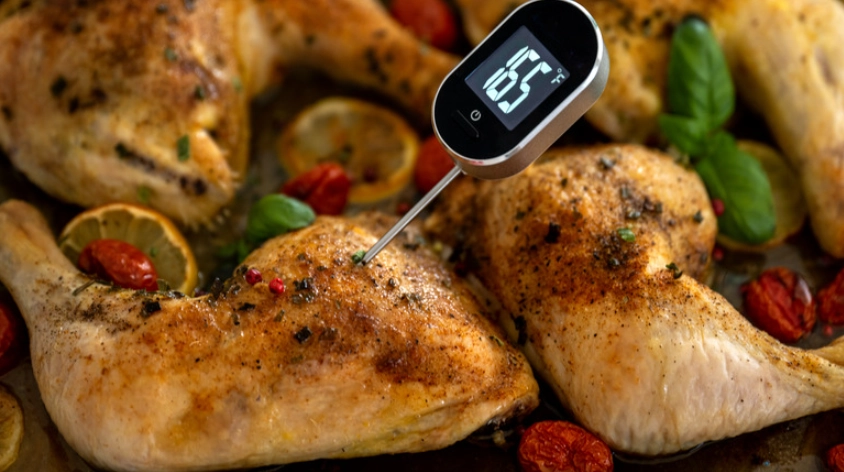
Your Fried Chicken Thigh Questions, Answered
My chicken is always dark brown on the outside but still pink near the bone. What am I doing wrong?
Your oil is way too hot. You're scorching the crust before the heat can travel to the center. Next time, start with a lower oil temperature—aim for 325°F—and be patient. Use a thermometer to pull the chicken at 160°F internally, and let it rest. The carryover heat will finish the job safely.
Can I reuse the frying oil, and how do I know when it's bad?
You can reuse it once, maybe twice, if you've fried plain chicken. Strain it through a fine-mesh sieve or coffee filter while it's still warm (but not hot!) into a container. Discard it if it becomes dark, viscous, foamy when heated, or develops a rancid or off smell. Oil used for heavily battered foods or fish degrades much faster.
 Why is my coating falling off in the oil?
Three likely culprits: 1) You didn't pat the chicken dry, so the coating didn't stick. 2) You didn't let the dredged chicken rest before frying, so the coating hadn't set. 3) Your oil temperature was too low when you added the chicken, causing the coating to soak up oil and slide off instead of seizing up instantly.
Is there a way to keep fried chicken crispy for later?
The enemy of crispiness is steam. If you must keep it warm, place it on a wire rack set over a baking sheet in a low oven (around 200°F). Never cover it or put it in a sealed container while hot. For leftovers, re-crisp in an air fryer or a 375°F oven for a few minutes—the microwave will make it soggy.
How does frying chicken thighs differ from frying chicken breasts or wings?
Thighs have more fat and connective tissue, making them more forgiving and juicier. Breasts are lean and can dry out easily; they often benefit from a slightly lower fry temp (320-335°F) and shorter time. Wings are smaller and have less meat, so they fry at a higher temp (350-375°F) for a shorter period to get super crisp skin without overcooking.
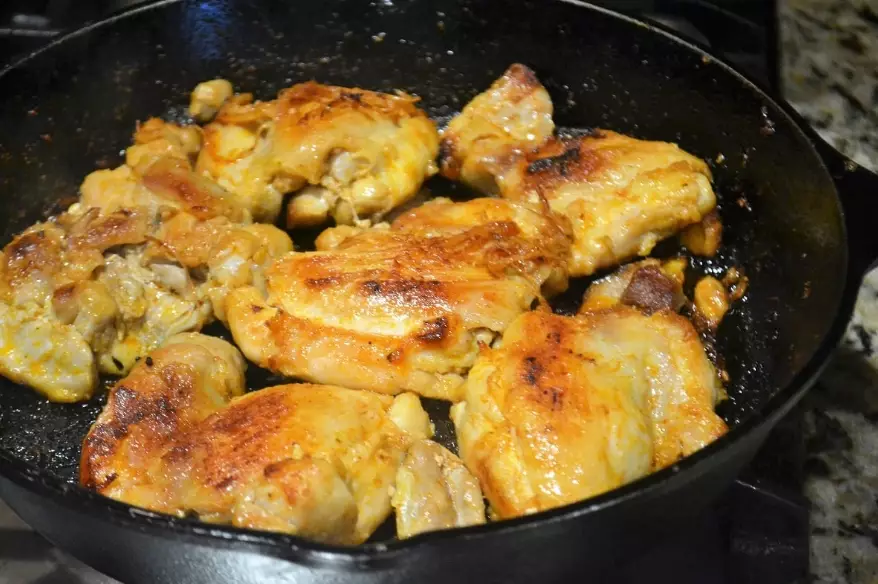 The journey to perfect fried chicken thighs is really a lesson in heat management. It's not just about hitting 350°F on a dial. It's about understanding how the food you add reacts with the oil, how to adjust, and when to trust the thermometer over the timer. Start with a good pot, a reliable thermometer, and the confidence to fry in batches. That golden, juicy perfection is well within your reach.
Related Articles