3 Chicken Tenderloins Calories: The Full Breakdown for Diet & Health
Let's cut to the chase. You're probably here because you're tracking your food, trying to lose weight, or just curious about what you're putting in your body. The question about 3 chicken tenderloins calories seems simple, but the answer isn't just one number. It's a story about cooking methods, portion sizes, and what you pair it with. I've been coaching people on nutrition for over a decade, and the biggest mistake I see is people taking a single calorie figure from a search engine and running with it, only to wonder why their results don't match their efforts.
The raw, skinless, boneless chicken tenderloin is a lean protein powerhouse. According to the USDA's FoodData Central, a 3-ounce (85g) serving of raw chicken breast (which tenderloins are part of) contains about 120 calories and 26 grams of protein. But here's the kicker: tenderloins are smaller. Three average-sized tenderloins usually weigh closer to 4 ounces (113g) raw. So, right off the bat, we're not talking about a tiny snack.
What's Inside This Guide
What Exactly Are Chicken Tenderloins?
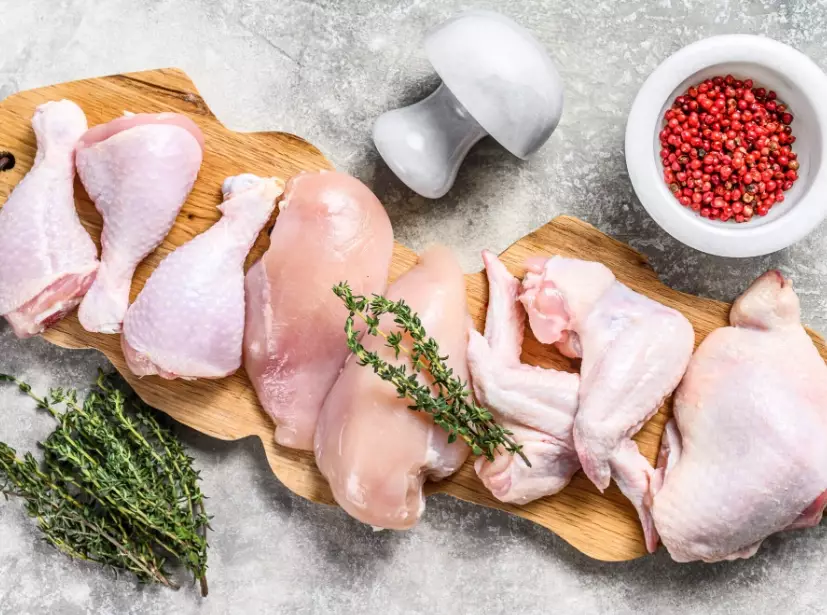
First, a quick anatomy lesson because this causes confusion. The chicken tenderloin is that small, extra-tender strip of meat found on the underside of the breast. It's loosely attached by a thin membrane. It's not a separate cut like a thigh or wing; it's part of the breast. Because it's a minor muscle that doesn't work much, it's incredibly tender—hence the name.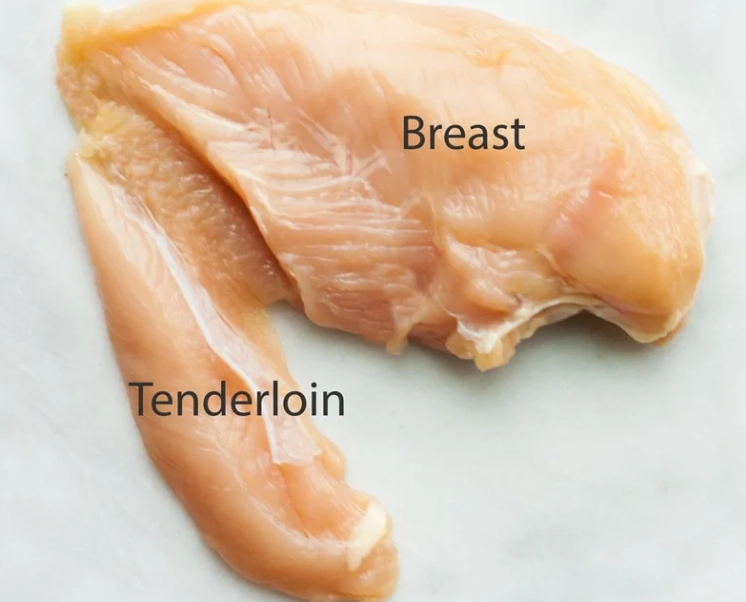
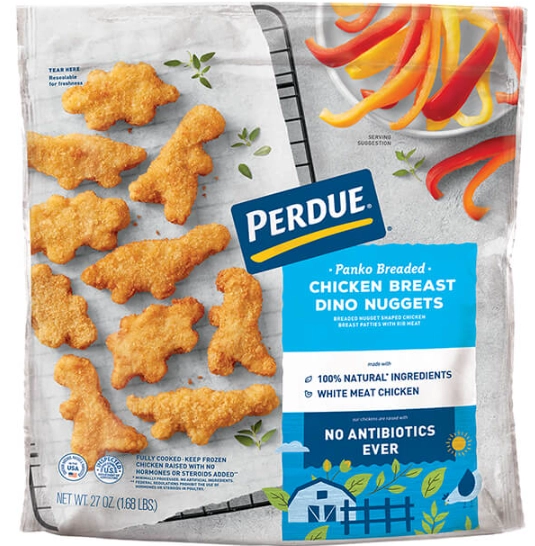
When you buy "chicken tenders" at the store, you might be getting one of three things: 1) the actual tenderloin, 2) breast meat cut into strips to look like tenderloins, or 3) the horror show that is processed, breaded, and pre-fried strips. For our calorie discussion, we're talking about option #1: the real, unadulterated tenderloin muscle.
The Calorie Count: It's Not Just a Number
Okay, the moment you've been waiting for. For three raw, skinless chicken tenderloins (approx. 4 oz / 113g total), the base nutritional profile looks something like this:
Base Nutrition (Raw): ~130-150 calories, 28-30g protein, 1.5-3g fat, 0g carbohydrates.
See the range? Weight varies. A plump tenderloin from a well-fed chicken is heavier than a scrawny one. That's why food scales are a game-changer—they remove the guesswork.
But raw chicken is irrelevant. You cook it. And when you cook it, you lose water weight, which concentrates the calories per ounce. Three cooked tenderloins that started at 4oz raw might weigh only 3oz (85g) after grilling. The calories haven't evaporated with the water; they're just packed into a denser piece of meat. So, 3 cooked tenderloins will have roughly the same total calories as they did raw, but the calorie density per gram is higher.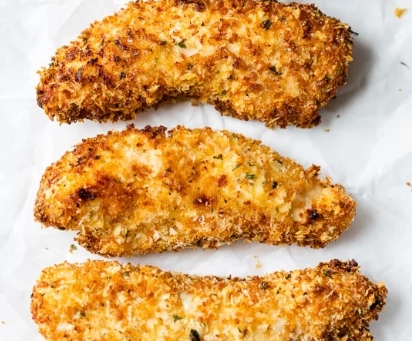
How Your Cooking Method Changes Everything
This is where most generic articles fail. They give you the raw data and call it a day. As a nutrition coach, I tell my clients the cooking method is the single biggest variable they control. Adding oil, batter, or sauce can double or triple the calorie count without adding much volume to your meal.
Let's break it down visually. This table shows the estimated calorie range for 3 cooked chicken tenderloins (starting ~4oz raw) based on how you prepare them.
| Cooking Method | Estimated Calories (for 3 tenders) | Key Reason for the Change |
|---|---|---|
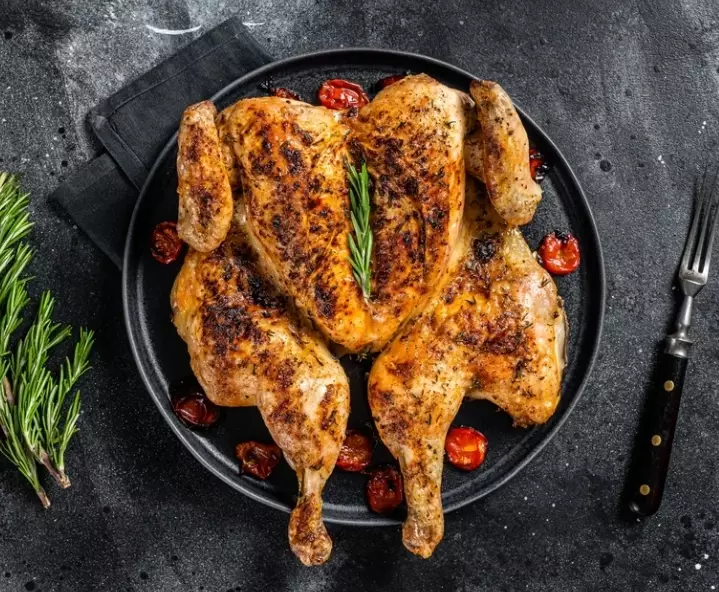
| Grilled or Baked (Plain) | 150 - 170 | Water loss concentrates nutrients. Minimal added fat. |
| Pan-Seared (with 1 tsp oil) | 200 - 220 | Adds ~40 calories from the cooking fat absorbed. |
| Breaded & Baked | 250 - 300 | Flour, breadcrumbs, and often a fat-based binder add carbs and calories. |
| Restaurant-Style Fried | 350 - 450+ | Heavy breading and deep-frying in oil causes significant absorption. The worst offender. |
| With 2 Tbsp BBQ Sauce | Adds 50-70 calories | Sauces are often sugar bombs. This is on top of the cooking method calories. |
Notice the spread? Three fried "tenders" from a fast-food joint or freezer bag can cost you an entire small meal's worth of calories compared to the grilled version. The common mistake is thinking "chicken is chicken." It's not. The preparation is everything.
My non-consensus tip? People obsess over "grilled vs. baked," but the real stealth calorie adder is the marinade. A sugary teriyaki or honey mustard soak can pump 100+ calories into that meat before it even hits the pan, and most people forget to count it. Stick to vinegar-based, herb, or citrus marinades.
Putting It Into Practice: Real-World Meal Scenarios
Let's move beyond theory. How does this play out in an actual day of eating? Here are two concrete scenarios.
Scenario 1: The Weight Loss Lunch
Sarah is aiming for a 500-calorie lunch. She grills 3 plain chicken tenderloins (~160 cal). She pairs them with a massive salad of mixed greens, cucumbers, and tomatoes (35 cal) with 1 tbsp of a light vinaigrette (45 cal). On the side, she has 1/2 cup of cooked quinoa (111 cal). Total: ~351 calories. She's packed with protein and fiber, staying full for hours, and has room for a healthy snack later. The chicken is the lean, satiating anchor.
Scenario 2: The "Oops" Dinner
Mike buys pre-breaded frozen tenders. He bakes 3 of them (~280 cal). He adds a generous 1/4 cup of ranch dressing for dipping (260 cal). He has them with a side of french fries (about 20 fries, ~350 cal). Total: ~890 calories. The chicken itself isn't the sole villain, but the combination turns a potentially decent meal into a calorie bomb. The difference is staggering.
The point? Isolating the 3 chicken tenderloins calories is only step one. The magic (or the disaster) happens in the context of your full plate.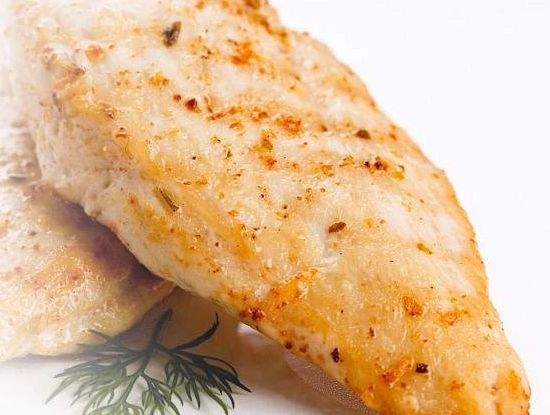
Your Questions, Answered
Are 3 chicken tenderloins good for weight loss?
They can be an excellent tool, but only if prepared correctly. Three grilled or baked tenderloins provide a high-protein, moderate-calorie base that promotes fullness. For weight loss, they must be the centerpiece of a vegetable-heavy plate, not buried under breading, heavy sauces, and starchy sides. Portion control on the accompaniments matters more than the chicken itself.
How do 3 chicken tenderloins compare to a full chicken breast in calories?
It's all about weight. A typical large chicken breast (6-8 oz) is roughly double the size of three tenderloins (~4 oz). So, a full breast will have about twice the calories and protein—around 280-340 calories for the breast versus 150-170 for the three tenders (plain, cooked). Tenderloins offer more portioning flexibility.
I'm meal prepping. Should I weigh my chicken tenderloins raw or cooked?
Weigh them raw. Always. Cooked weight is unreliable because the amount of water lost varies wildly with cooking time, temperature, and method. The raw weight is the true constant. Log the raw weight in your tracker, and you'll have an accurate calorie count regardless of how shriveled or juicy they turn out. This is a micro-tip that fixes most people's meal prep tracking errors.
What's the best low-calorie way to cook chicken tenderloins so they're not dry?
Everyone says "bake them," but that's a fast track to sawdust. Try poaching. Bring a shallow pot of low-sodium chicken broth or water with herbs to a bare simmer, add the tenders, cover, and take it off the heat. Let them sit for 10-12 minutes. They steam gently in the residual heat, staying incredibly moist with zero added fat. It's a forgotten technique that beats dry baking every time.
So, what's the final answer? Three chicken tenderloins, in their purest form, are a lean, protein-rich choice. But the calories you actually consume are dictated by your hands—what you coat them in, what you cook them with, and what you put next to them on the plate. Use them as a versatile building block, master a couple of low-fat cooking methods like grilling or poaching, and you've got a reliable staple for any health goal.
Nutritional data is based on estimates from the USDA FoodData Central and common cooking practices. Individual results will vary based on specific product and preparation.
Related Articles