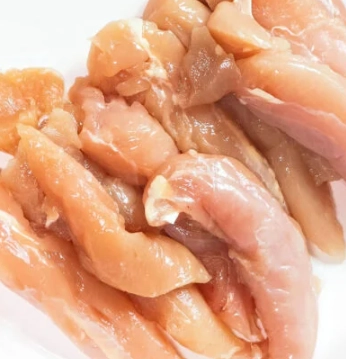
Ground Chicken Calories: The Complete Guide to Nutrition & Cooking
You're here because you typed "how many calories are in ground chicken" into Google. Maybe you're meal prepping, trying to hit a protein goal, or just looking for a leaner alternative to ground beef. The short, basic answer is about 120-200 calories per 4-ounce (112g) raw serving. But if you stop there, you're missing the whole story. That number is almost meaningless without context. Is it breast or thigh? What's the fat percentage? Did you drain the fat after cooking? As someone who's been coaching nutrition and analyzing food data for over a decade, I can tell you that the difference between the best and worst choices can double your calorie intake without you even realizing it. Let's cut through the noise and get into what really matters.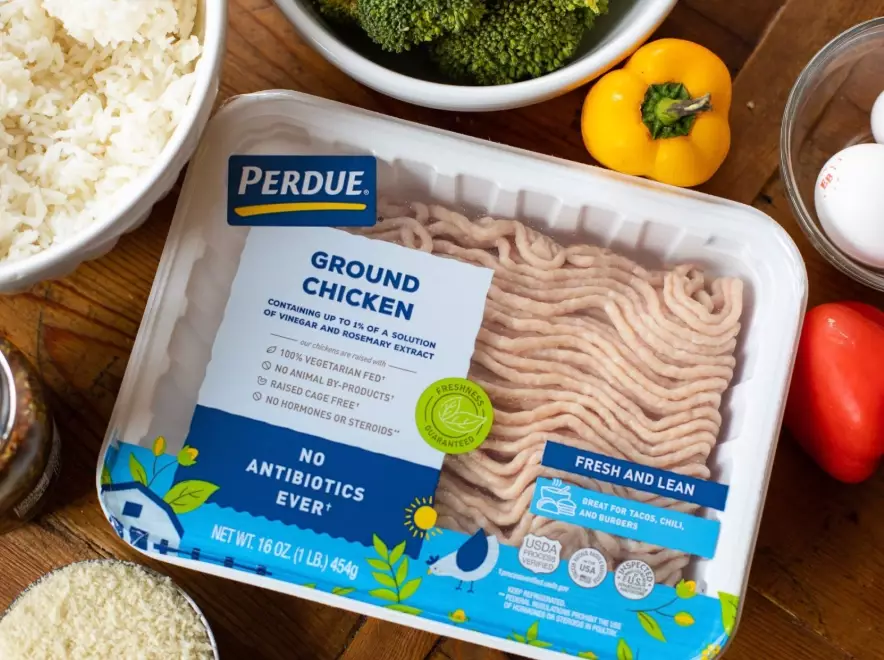
What You'll Find in This Guide
What Exactly is Ground Chicken?
Ground chicken isn't just one thing. It's what's in the package that counts. Most supermarket ground chicken is a blend of dark and light meat. That's why the fat content varies so wildly. You'll typically see labels like:
Ground Chicken Breast (or 99% Lean): This is just breast meat. It's the leanest option, but also the driest and least flavorful if you don't cook it right.
Ground Chicken (93/7 or 90/10): The common "lean" blend. It has about 7-10% fat by weight. This is your versatile, all-purpose option.
Ground Chicken (85/15 or 80/20): Higher fat, often with more dark meat. It tastes juicier and richer, closer to ground turkey or lean beef.
Here's the kicker many beginners miss: "Ground Chicken" on the front doesn't guarantee a specific fat ratio. You must flip the package and read the nutrition label. I've seen packages simply labeled "Ground Chicken" with fat content ranging from 8% to 15%. That's a huge swing in calories.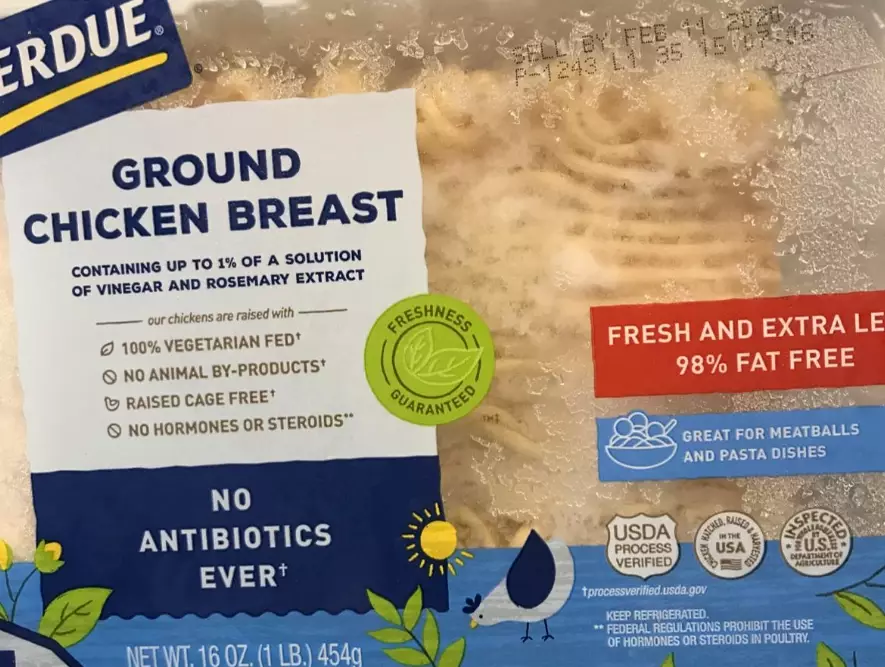
How Many Calories Are in Ground Chicken? (The Real Numbers)
Let's get specific. This table is based on USDA FoodData Central data and my own analysis of major brands. We're talking about raw meat, because that's how nutritional values are standardized.
| Type of Ground Chicken (4oz / 112g Raw) | Calories | Protein (g) | Total Fat (g) | Saturated Fat (g) |
|---|---|---|---|---|
| Ground Chicken Breast (99% lean) | ~120 | ~26 | ~1.5 | ~0.5 |
| Lean Ground Chicken (93/7) | ~150 | ~22 | ~7 | ~2 |
| Regular Ground Chicken (85/15) | ~200 | ~19 | ~13 | ~3.5 |
| Ground Chicken Thigh (approx. 80/20) | ~220 | ~18 | ~16 | ~4.5 |
See the range? From 120 to 220 calories for the same weight. That's the difference between a diet-friendly taco and one that blows your calorie budget. The protein-to-fat ratio shifts dramatically. For pure protein punch, breast wins. For flavor and moisture (crucial for burgers or meatballs), the 85/15 or thigh blend is superior. Personally, I find the 93/7 lean ground chicken to be the best balance for everyday use—it's lean enough for goals but has enough fat to not taste like cardboard.
Pro Tip: Don't get hypnotized by the "99% lean" label. That extra leanness often means you'll need to add back healthy fats (like olive oil or avocado) during cooking or serving to make it palatable and to absorb fat-soluble vitamins. Sometimes, starting with a slightly higher-fat meat (like 85/15) and draining the excess rendered fat gives you a better final product with similar net calories.
How Cooking Changes Everything: The Calorie Shifter
This is where most online calorie counters fail you. Raw vs. cooked weights are different because water cooks out. More importantly, whether you drain the fat is the single biggest factor in final calories.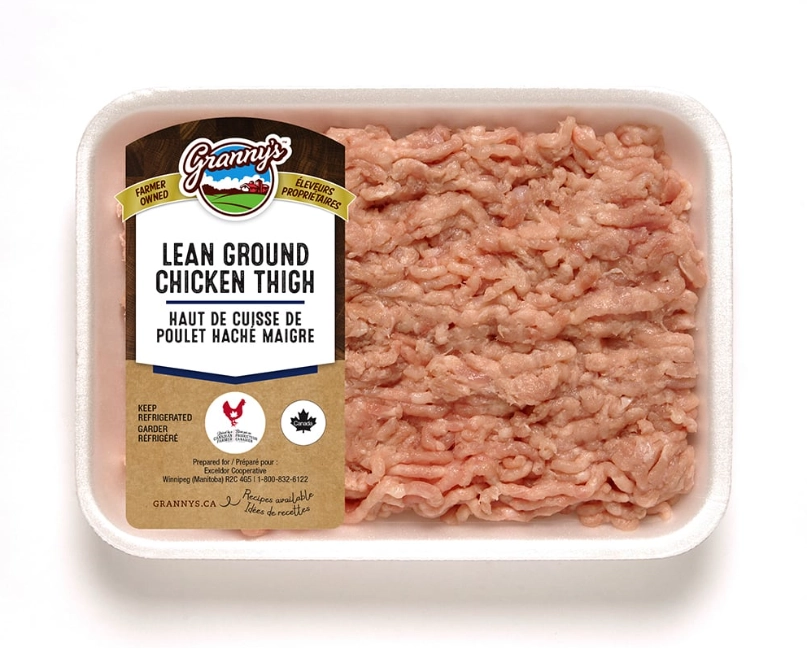
Let's take 4oz (112g) of raw 85/15 ground chicken. It starts at ~200 calories. Now cook it in a skillet.
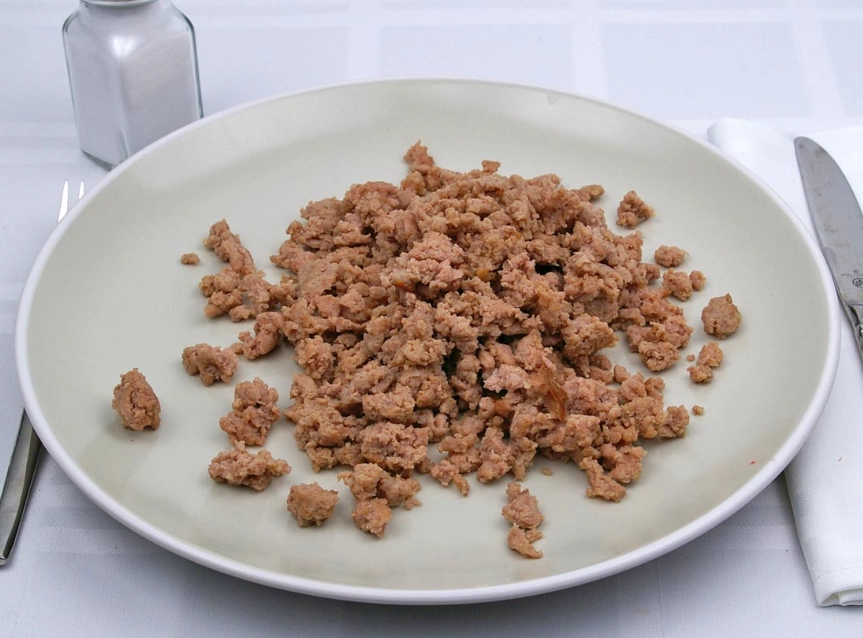
Scenario 1: You brown it and drain ALL the rendered fat. You're left with about 3oz (85g) of cooked meat. A lot of the fat (and its calories) went down the drain with the liquid. The final calorie count might be closer to 160-170 for that 3oz serving.
Scenario 2: You brown it and keep the fat in the pan (maybe for a sauce or to cook vegetables in). Now you're consuming all 200 calories, plus any oil you added.
Scenario 3: You make a burger patty and grill it. The fat drips out on the grill grates. Again, you lose some calorie-loaded fat.
The method matters. Boiling or poaching (not common, but possible) retains no fat. Pan-frying without draining retains it all. Baking or grilling allows fat to drip away. If you're tracking calories meticulously, you should weigh your meat after cooking and draining, and consider using a database entry for "cooked, drained" ground chicken, which is usually lower in calories per ounce than the raw entry.
Why Choose Ground Chicken? Looking Beyond the Calories
Calories are one thing, but nutrition is more. Compared to an 85/15 ground beef patty (~285 calories, 23g fat), even the 85/15 ground chicken (~200 calories, 13g fat) comes out ahead on saturated fat. That's a key heart health metric.
Ground chicken is a fantastic source of complete protein, selenium, niacin (B3), and B6. It's also generally lower in iron (heme iron) than red meat, which can be a pro or con depending on your needs.
The real benefit is versatility in a healthy diet. It's a blank canvas. You can make it Italian (meatballs), Asian (lettuce wraps), Mexican (taco filling), or American (burgers). It absorbs flavors beautifully, making it easy to create low-sodium, herb-and-spice-driven dishes that are satisfying.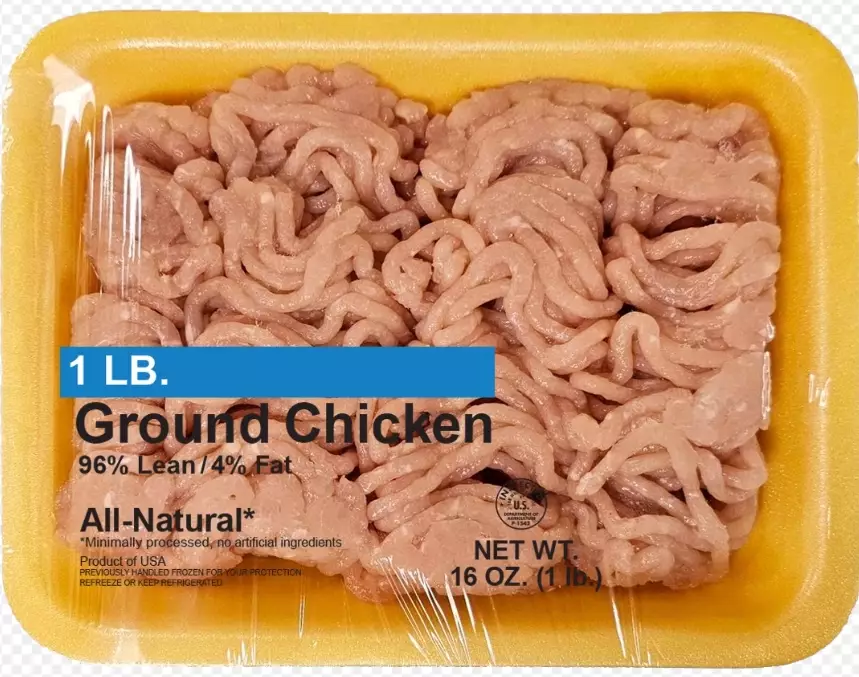
How to Cook Ground Chicken for Maximum Health Benefits
Don't just throw it in a pan with oil. Think strategically.
For Leanest Results (Ground Chicken Breast):
Use a non-stick pan with a light spray of oil or a bit of broth/water to start. Crumble and cook until no longer pink. It will release water—cook until that evaporates. Immediately mix it with moisture-rich ingredients: sautéed onions, mushrooms, tomato sauce, or beans. It needs a partner.
For Best Flavor & Texture (Lean or Regular Blend):
Let the meat sit at room temp for 10 minutes. Season aggressively before cooking. Use a medium-hot pan. Don't overcrowd it—you want browning (Maillard reaction), not steaming. Once browned and cooked through, tilt the pan and spoon out the clear, rendered fat if you want to reduce calories. The browned bits left behind are pure flavor.
My go-to weeknight meal? I brown 1 lb of 93/7 ground chicken with onions, garlic, and a ton of chopped spinach. Drain any excess liquid/fat. Add a can of rinsed black beans, a cup of salsa, and cumin. Heat through. That's a high-protein, high-fiber bowl in 20 minutes.
Common Mistakes & Expert Tips You Won't Find Everywhere
After years of trial and error, here's what most people get wrong:
Overcooking Lean Blends: 99% lean chicken has no fat to lubricate it. The moment it hits 165°F internally, it's done. Any longer and it turns into dry, grainy pellets. Use a thermometer.
Not Seasoning Enough: Chicken is mild. It needs help. Don't just use salt and pepper. Add grated onion, garlic powder, smoked paprika, or a dash of fish sauce for umami depth.
Ignoring the "Other" Ingredients in Pre-Packaged Ground Chicken: Read the label! Some brands, especially seasoned or "Italian-style" blends, add salt, sugar, and preservatives that bump up sodium and carbs. You're better off buying plain and seasoning it yourself.
Assuming It's Always the Healthiest Swap: For a juicy burger, an 85/15 ground chicken patty might be comparable in calories to a 93/7 lean ground beef patty. The beef might even have more iron and zinc. Choose based on your overall nutritional targets, not just the "chicken is always better" mantra.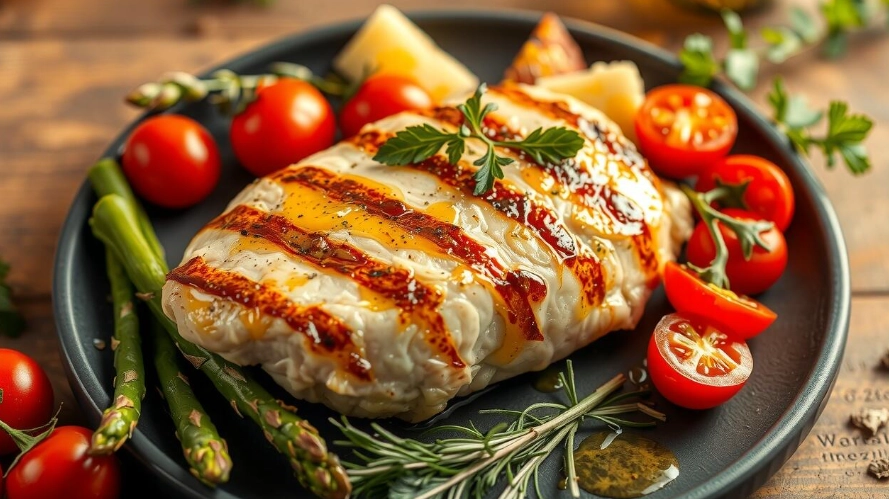
Your Ground Chicken Questions, Answered
It depends on the fat content. Lean ground turkey breast and lean ground chicken breast are virtually identical. However, regular ground turkey (often a blend) can sometimes be leaner than a comparable ground chicken blend because turkey dark meat is leaner than chicken dark meat. Always compare the nutrition labels side-by-side—the "ground poultry" category has a lot of variation. For flavor, I find ground chicken has a slightly milder, more versatile taste.
Significantly. For a 4oz serving of 85/15 ground chicken, draining all the clear, rendered fat can remove 30-50 calories, effectively turning it into a 90/10 or leaner product. The fat that renders out is almost pure triglyceride (9 calories per gram). If you see a tablespoon of liquid fat in the pan after cooking, that's roughly 120 calories you can choose to leave behind. This is the most underutilized calorie-saving trick in home cooking.
 Can I use ground chicken in any recipe that calls for ground beef?
Mostly, yes, with one major caveat: moisture management. Ground chicken, especially lean blends, has less internal fat and behaves differently. In meatloaf or meatballs, you'll need a binder like egg, breadcrumbs, or grated vegetables (zucchini works great) to hold moisture. For dishes like chili or bolognese where it simmers in liquid, it's a direct 1:1 swap and works beautifully. For burgers, choose at least an 85/15 blend and handle the patties gently to avoid a dense texture.
Not necessarily. Calories are fuel for growth. If you're struggling to hit a calorie surplus, the extra calories from fat in 85/15 ground chicken can be helpful. The protein difference between it and 99% lean is only about 7-8 grams per serving—you can make that up elsewhere. The more satisfying taste of the higher-fat blend might also help you stick to your meal plan. The key is fitting it into your overall macronutrient targets for the day, not obsessing over a single ingredient.
Use or freeze it within 1-2 days of purchase—it's more perishable than beef. For freezing, divide it into portion-sized lumps (I use 1 lb packages for my family of four), wrap tightly in plastic wrap, then place in a freezer bag, squeezing out all air. Label it with the date and fat content (e.g., "Chicken 93/7"). It lasts 3-4 months frozen. Thaw in the fridge overnight, never on the counter. A mistake I see? People freeze it in the original Styrofoam tray. That leads to freezer burn. Repackage it.
Related Articles