Chicken White Meat Explained: Nutrition, Cuts & Cooking Tips
You've probably heard it a million times: chicken is white meat. It's a label slapped on menus, diet plans, and grocery store packages. But have you ever stopped to ask why? The answer isn't just trivia—it directly impacts how you shop, cook, and eat for better health and flavor. As someone who's gone from incinerating chicken breasts to consistently nailing juicy, flavorful results, I've learned that understanding the "white meat" label is the first step to mastering poultry.
Let's clear this up right away: Yes, chicken is predominantly classified as white meat. This classification, however, has less to do with the actual color you see on the plate and everything to do with muscle biology and how the animal uses those muscles. The real story gets more interesting when you look at different cuts. A skinless chicken breast is the poster child for lean white meat, but what about the darker, richer thigh? That's where most online guides stop, and that's where we'll dive deeper.
Your Quick Guide to Chicken White Meat
The Real Science Behind "White Meat"
Forget the simple color test. The official distinction between white and red meat, used by institutions like the U.S. Department of Agriculture (USDA), hinges on the concentration of a protein called myoglobin. Myoglobin stores oxygen in muscle cells. Muscles that are used frequently for sustained activity (like the legs of a cow or the wings of a duck) need a steady oxygen supply, so they're packed with myoglobin, which gives them a darker, redder appearance.
Chickens, as flightless birds, use their legs and thighs for standing and walking—low-intensity, sustained work. Their breast muscles, however, are for brief, explosive bursts (think flapping). These fast-twitch muscles rely on quick energy stores, not constant oxygen, so they contain much less myoglobin. Result? Lighter-colored meat.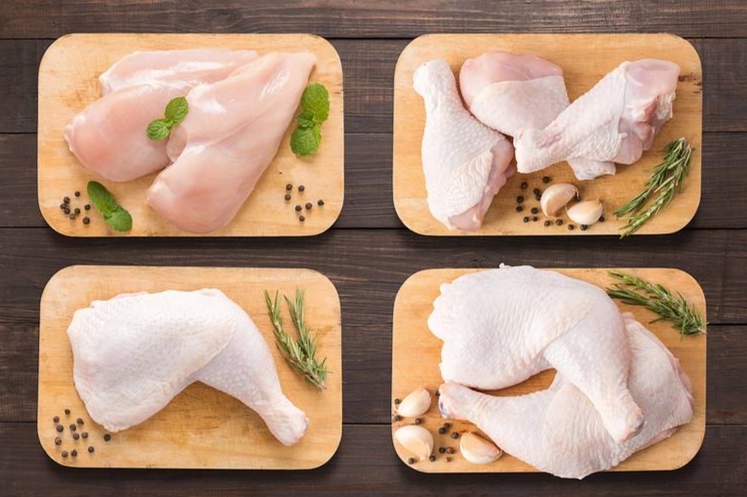
Chicken Cut Breakdown: From Breast to Thigh
Not all white meat is created equal. Treating a lean breast the same way you treat a fattier thigh is a recipe for disappointment. Let's break down the major players you'll find at the store.
1. The Breast: The Lean Champion
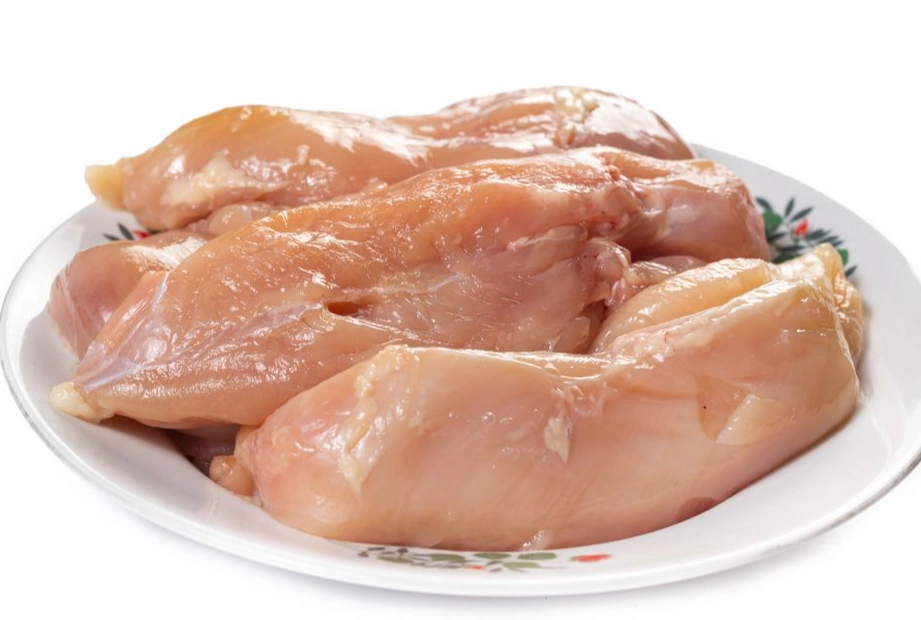
This is the purest form of white meat. It's incredibly low in fat, which is great for macros but terrible for moisture retention if you don't know what you're doing. The biggest mistake? Overcooking it even slightly. Without fat to lubricate the muscle fibers, it goes from juicy to sawdust in a matter of minutes. The key is precise temperature control, which we'll get to.
2. The Thigh: The Flavor Powerhouse
Bone-in, skin-on thighs are my personal favorite for foolproof cooking. They have a higher fat content (both intramuscular and under the skin) and more connective tissue. This means they're more forgiving on the heat, staying juicy over a wider range of temperatures. That darker color translates to a deeper, more savory taste. If you've ever found chicken breast bland, thighs are your answer.
3. The Tenderloin & Wings
Tenderloins are just a small, tender strip of the breast. Wings are a mix—the drumette is darker like a thigh, while the middle flat section is more like breast meat. This is why wings are so perfect for frying; the different textures and fat contents create a complex bite.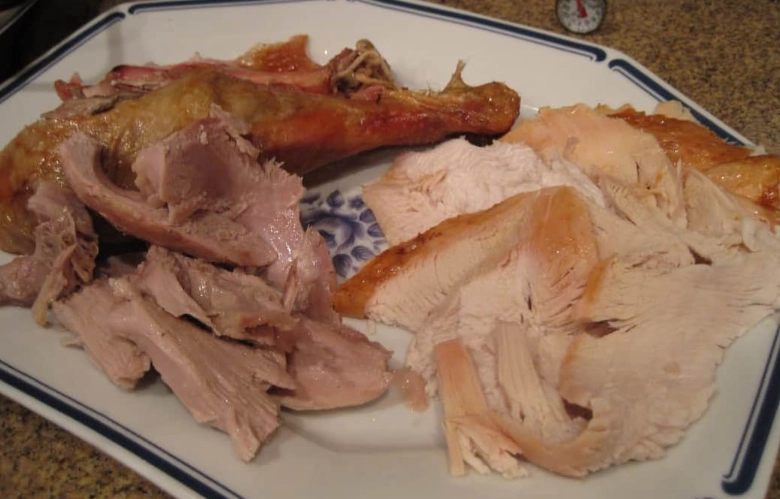
| Cut | White/Dark Meat | Key Characteristic | Best For |
|---|---|---|---|
| Breast (Boneless/Skinless) | White Meat | Very lean, low fat, mild flavor | Grilling, baking, salads, precise calorie control |
| Thigh (Bone-in/Skin-on) | Often called Dark Meat | Higher fat, richer flavor, forgiving | Roasting, braising, stews, grilling (harder to dry out) |
| Whole Wing | Mixed | High skin-to-meat ratio, connective tissue | Frying, baking, buffalo sauce |
| Ground Chicken | Depends on blend | Check label: breast-only is leaner, thigh/whole bird is juicier | Burgers, meatballs, tacos |
Nutrition Deep Dive: Is White Meat Healthier?
The dogma says: white meat good, red meat bad. The reality is more nuanced. According to data from the USDA FoodData Central, here's how a 3-ounce cooked portion stacks up.
Skinless Chicken Breast: About 165 calories, 31g of protein, and only 3.6g of fat. It's a protein-packing, low-fat powerhouse. Perfect if your primary goal is maximizing protein intake while minimizing calories and saturated fat.
Skinless Chicken Thigh: Roughly 209 calories, 26g of protein, and about 10.9g of fat (with more saturated fat than breast). The extra fat, however, isn't all bad. It provides more energy, helps absorb fat-soluble vitamins, and contributes to satiety—you might feel fuller longer after eating a thigh compared to a breast.
The health verdict depends entirely on your goals. For a heart-healthy, low-cholesterol diet, the breast often gets the nod from organizations like the Harvard T.H. Chan School of Public Health, which recommends poultry as a lean protein source. But if you're on a lower-carb or ketogenic diet, or simply struggle with feeling satisfied after a meal, the thigh's higher fat content can be a strategic advantage. The most common mistake is forcing yourself to eat only dry breast because you think it's "healthier," only to end up snacking later.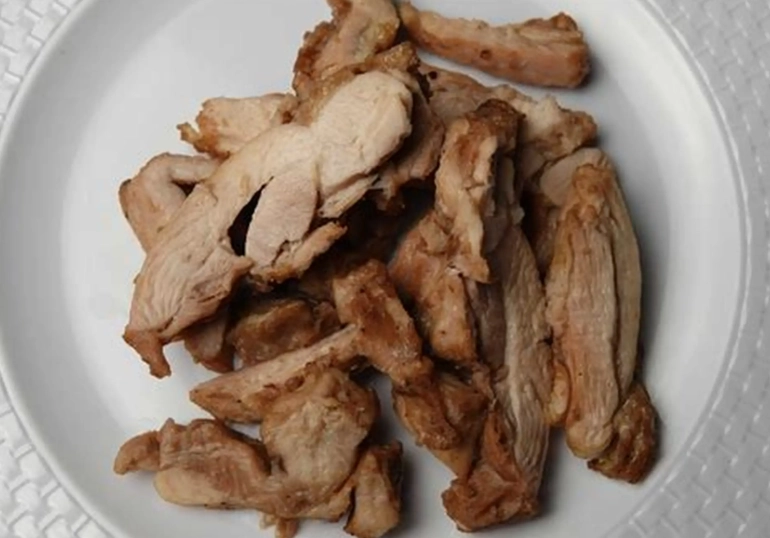
Cooking Perfect White Meat: The Moisture Battle
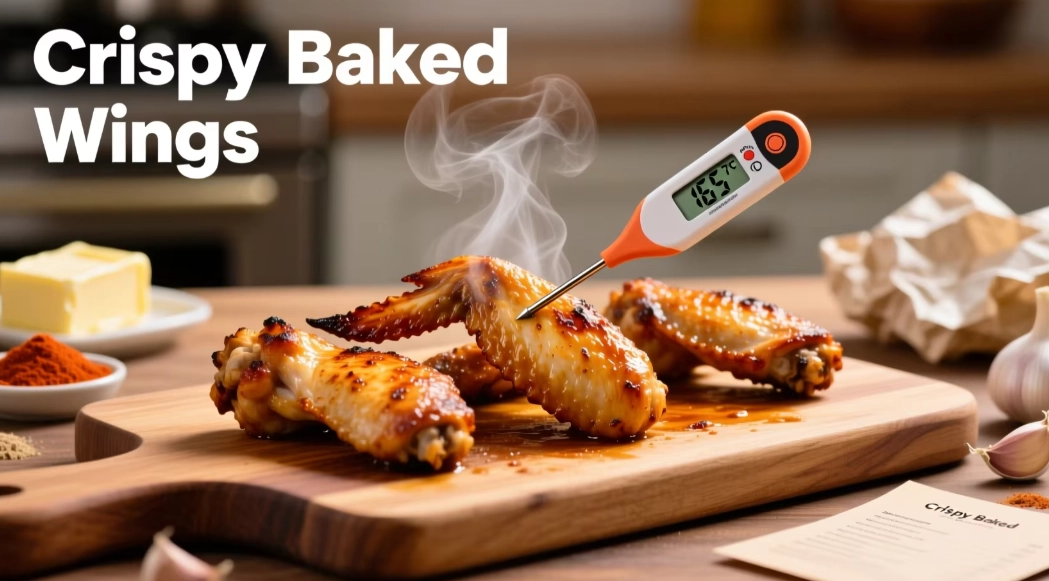
This is where theory meets the pan. Cooking white meat, especially breast, is a battle against dryness. Here's the expert-level tactic most home cooks ignore: Cook to temperature, not time. A $20 digital instant-read thermometer is the best investment you can make for cooking chicken.
- The Magic Number for Breast: 155°F (68°C). Pull it off the heat at this temperature, tent it with foil, and let it rest for 5-10 minutes. The residual heat will carry it to the safe 165°F (74°C) while the juices redistribute. Cooking it straight to 165°F in the oven often means it's already overdone by the time you check.
- For Thighs: You have more wiggle room. Aim for 165°F to 175°F. The higher temperature helps render the fat and break down connective tissue, making them fall-off-the-bone tender.
My go-to method for boneless, skinless breasts (the trickiest cut) is pan-searing followed by oven finishing. I get a stainless steel or cast-iron skillet screaming hot, sear the breast for 2-3 minutes per side to get a gorgeous crust, then immediately transfer the whole skillet to a 400°F oven for about 8-10 minutes until the thermometer reads 155°F. The high-heat sear locks in juices far more effectively than baking alone.
For thighs, I'm lazy and effective: a sheet pan, some oil and seasoning, and into a 425°F oven for 25-30 minutes. The high heat crisps the skin, and the fat keeps the meat moist. Almost impossible to ruin.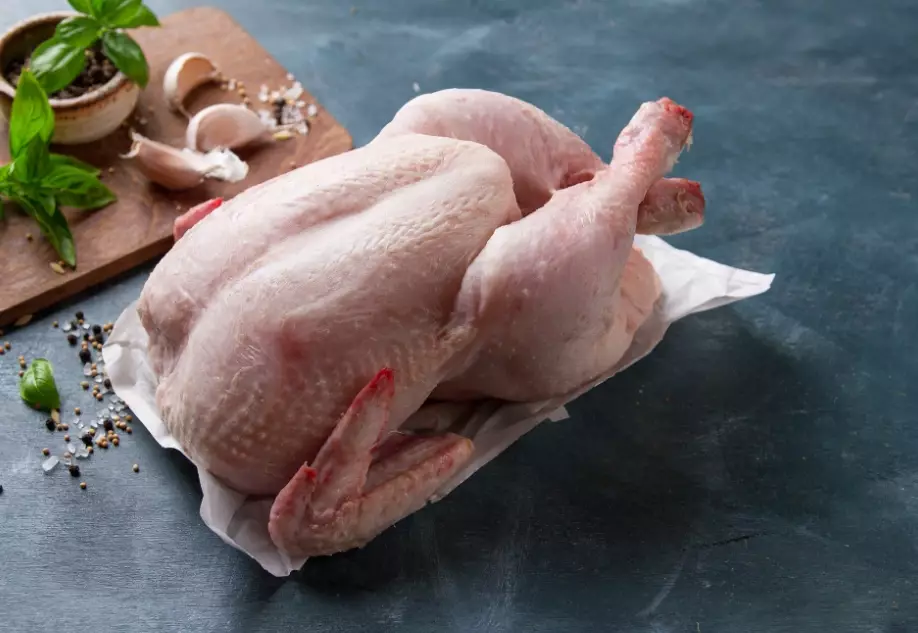
Your White Meat Questions, Answered
 So, is chicken white meat? The simple answer is yes, but the useful answer is layered. Understanding the why—the myoglobin, the muscle function, the fat distribution—transforms you from someone who just eats chicken to someone who cooks it with intention. You stop fearing the dryness of a breast because you know how to thermometer-brine-sear your way to perfection. You stop seeing the thigh as a second-class cut and start appreciating it as a flavorful, forgiving staple. It's not just about a label; it's about unlocking better meals in your kitchen, starting tonight.
Related Articles