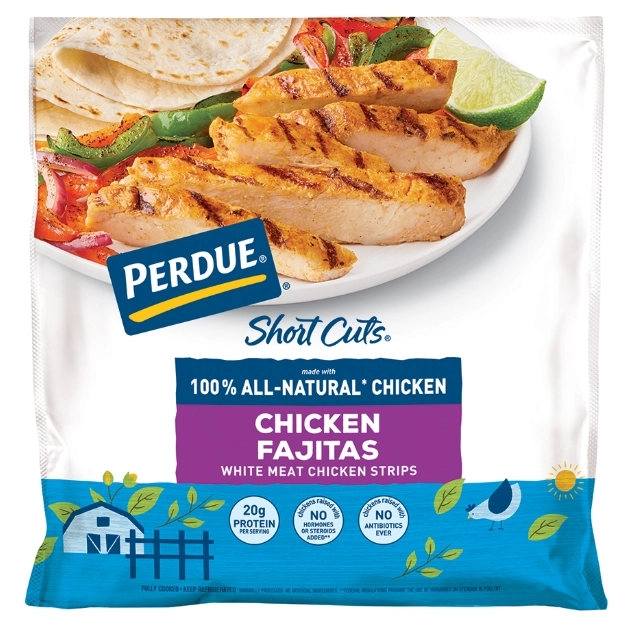
Harvestland Chicken Breast Cooking Guide & Healthy Recipes
Jump to What Matters
You grab that package of Harvestland chicken breast from the grocery shelf, thinking it'll be an easy dinner. But then reality hits—another dry, bland piece of meat that leaves you wondering why bother. I've been there. Years ago, I ruined more chicken breasts than I care to admit, until I picked up tricks from chefs and my own trial and error. Harvestland chicken breast, with its reputation for quality, deserves better. Let's fix that. This guide isn't just about recipes; it's about mastering the art of turning this lean protein into something you actually crave.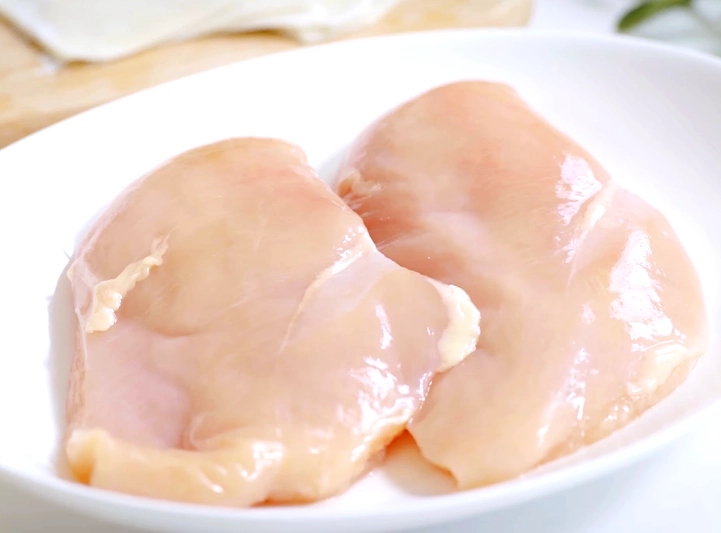
Why Harvestland Chicken Breast is a Kitchen Staple
Harvestland chicken breast often pops up in stores like Walmart or Kroger, marketed as all-natural or air-chilled. What does that mean? Air-chilling is a method where chickens are cooled with air instead of water, which can lead to better texture and less water retention. I've compared brands, and Harvestland tends to have a firmer, meatier feel—less of that spongy quality you get with some water-chilled options.
But let's cut through the marketing. The real reason it's a staple? Consistency. When you're meal prepping or cooking for a family, you want something reliable. Harvestland delivers that. Plus, it's often more affordable than organic brands but still hits that sweet spot for quality.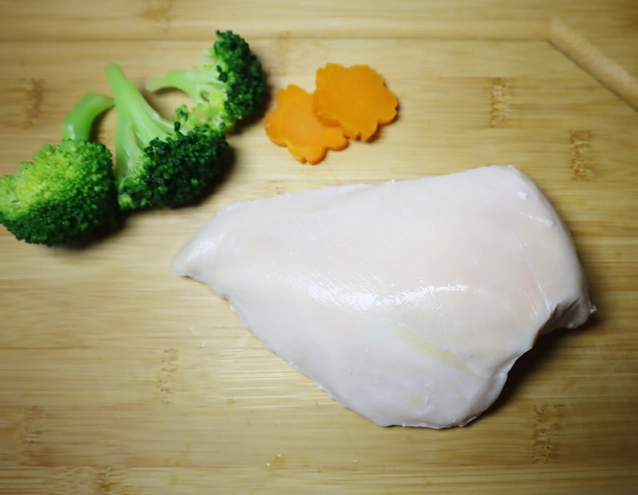
Here's a tip most miss: Check the packaging date. Harvestland chicken breast sold in vacuum-sealed packs tends to last longer in the fridge. I once bought a pack from my local store, stored it properly, and it stayed fresh for five days—unlike some brands that turn gray in three.
Nutritional Benefits You Can't Ignore
Chicken breast is a protein powerhouse, and Harvestland is no exception. According to the USDA FoodData Central, a 3-ounce serving of cooked chicken breast packs about 26 grams of protein with only 3 grams of fat. That's why it's a go-to for fitness folks and anyone watching their waistline.
But here's where people get tripped up: They think all chicken breast is the same. Harvestland's air-chilled process might retain more nutrients like B vitamins, though the difference is subtle. The key is how you cook it. Overcook it, and you lose moisture and possibly some nutrients to the cooking liquid.
I used to boil chicken breast, thinking it was healthy. Big mistake. It leaches flavor and makes the texture rubbery. Now, I stick to methods like baking or pan-searing, which lock in more of the good stuff.
How to Cook Harvestland Chicken Breast Perfectly Every Time
This is where the magic happens. Cooking Harvestland chicken breast perfectly isn't about fancy techniques; it's about avoiding common pitfalls. I'll walk you through a foolproof method I've honed over a decade.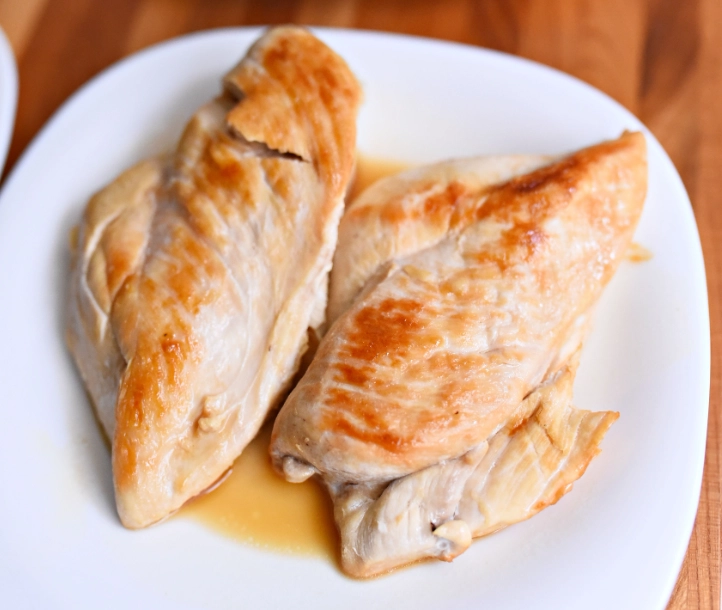
The Biggest Mistake Most Home Cooks Make
They cook it to death. Seriously. The USDA recommends cooking chicken to an internal temperature of 165°F for safety, but if you pull it off the heat at 155°F and let it rest, carryover cooking will bring it to 165°F while keeping it juicy. I learned this from a chef friend, and it changed my game. Use a meat thermometer—it's non-negotiable. I like the ThermoPro TP03; it's cheap and accurate.
Another mistake? Not brining or dry-brining. For Harvestland chicken breast, which can be lean, a quick brine (30 minutes in saltwater) or a dry brine (salt it and leave it in the fridge for an hour) makes a world of difference. It seasons the meat from the inside and helps retain moisture.
Step-by-step for pan-searing, my go-to method:
- Pat the Harvestland chicken breast dry with paper towels. Moisture is the enemy of a good sear.
- Season generously with salt, pepper, and any herbs you like. I often use garlic powder and paprika.
- Heat a skillet over medium-high heat with a tablespoon of oil (avocado oil works great for high heat).
- Place the chicken in the skillet and don't touch it for 5-6 minutes. Let it develop a golden crust.
- Flip and cook for another 4-5 minutes, until the internal temp hits 155°F.
- Remove from heat, tent with foil, and rest for 5 minutes. This lets the juices redistribute.
I messed this up for years by moving the chicken around too much. Patience pays off.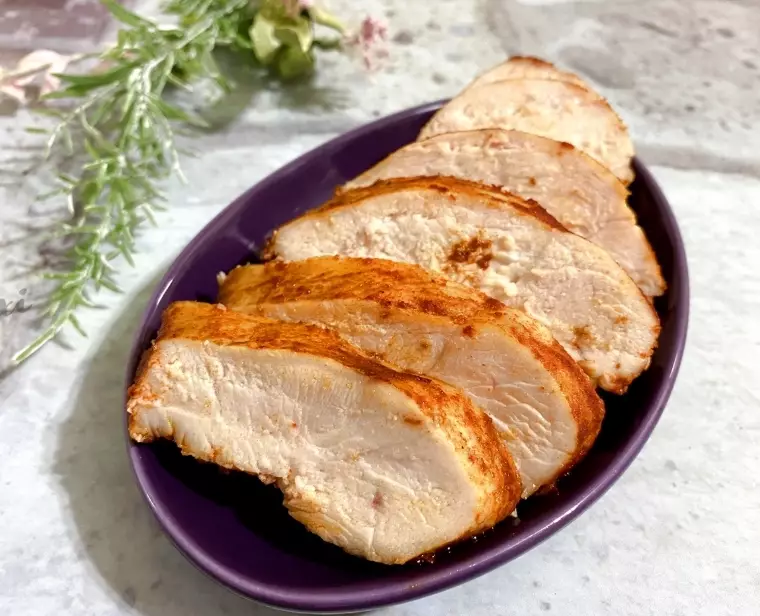
3 Simple and Delicious Harvestland Chicken Breast Recipes
Recipes should be approachable, not intimidating. Here are three I rely on weekly, each with a twist to keep things interesting.
Recipe 1: Lemon Herb Baked Chicken Breast
This is my meal-prep hero. It's hands-off and yields tender results. You'll need: 2 Harvestland chicken breasts, 1 lemon, 2 cloves garlic (minced), 1 tbsp olive oil, fresh herbs like thyme or rosemary, salt, and pepper.
Preheat oven to 400°F. In a bowl, mix olive oil, lemon juice, garlic, and chopped herbs. Place chicken in a baking dish, pour the mixture over, and bake for 20-25 minutes until 155°F internally. Let rest before slicing. I often double this and store it for lunches—it reheats well without drying out.
Recipe 2: Pan-Seared Chicken Breast with Garlic Butter
For when you want something rich but quick. Follow the pan-searing steps above, but in the last minute of cooking, add 2 tbsp butter and a few garlic cloves to the skillet. Baste the chicken with the melted butter. It creates a flavorful crust that's restaurant-quality. Serve with steamed veggies—my kids devour this.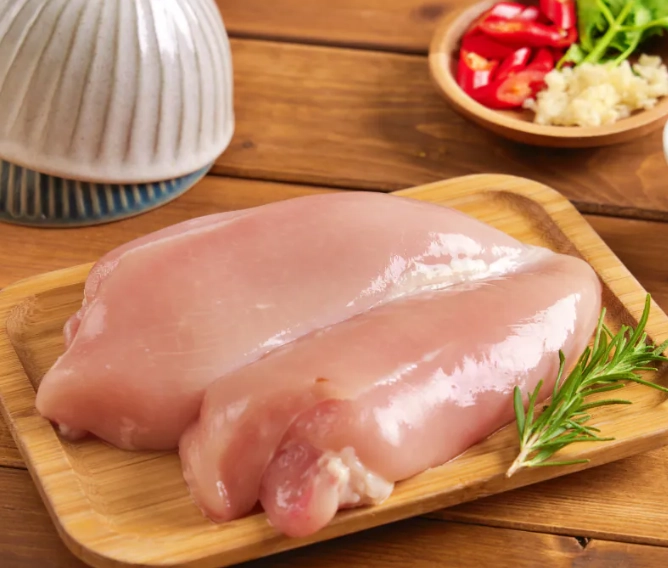
Recipe 3: Slow Cooker Harvestland Chicken Breast for Meal Prep
Yes, you can use a slow cooker without turning chicken into mush. Place 2 Harvestland chicken breasts in the slow cooker with 1/2 cup chicken broth, a sliced onion, and spices like cumin and chili powder. Cook on low for 3-4 hours. Shred with forks—it's perfect for tacos, salads, or sandwiches. The low heat keeps it moist, and the broth infuses flavor.
Here's a quick comparison table for these recipes:
| Recipe | Prep Time | Cook Time | Best For |
|---|---|---|---|
| Lemon Herb Baked | 10 mins | 25 mins | Meal prep, healthy dinners |
| Pan-Seared Garlic Butter | 5 mins | 15 mins | Quick weeknight meals |
| Slow Cooker Shredded | 10 mins | 4 hours | Batch cooking, versatile uses |
I've found that rotating these keeps my diet from getting stale. The slow cooker method is a lifesaver on busy days—just dump and go.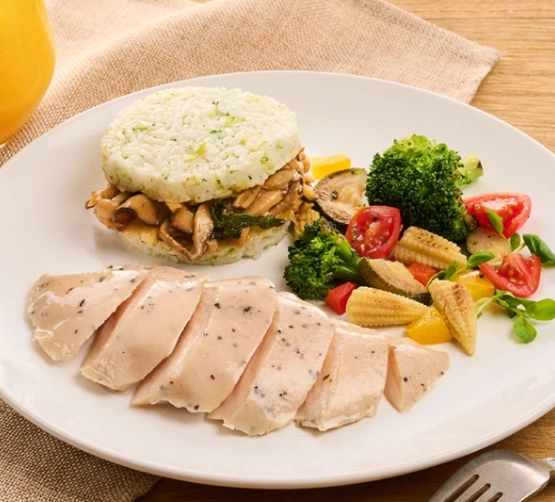
Frequently Asked Questions
Related Articles