Perfect Oven Roasted Whole Chicken Recipe: Crispy Skin & Juicy Meat
Let's be honest. A whole roasted chicken can feel intimidating. You worry about the skin being flabby, the breast meat drying out, or worse, serving something undercooked. I've been there. My first attempt years ago was a sad, pale bird with a soggy bottom. But after countless chickens and learning from some great chefs, I can tell you this: roasting a perfect whole chicken in your home oven is one of the most rewarding and simple cooking skills you can master. It's cheaper than buying pre-cooked rotisserie chickens, tastes infinitely better, and fills your kitchen with an aroma that just says "home." This guide will walk you through every single step, clearing up the confusion and giving you a foolproof method for crispy skin and juicy meat every single time.
In This Article, You'll Learn:
What You Absolutely Need for Oven Roasted Whole Chicken (And What You Can Skip)
You don't need a pantry full of exotic spices. The beauty of a basic roast chicken lies in its simplicity. Here’s the breakdown.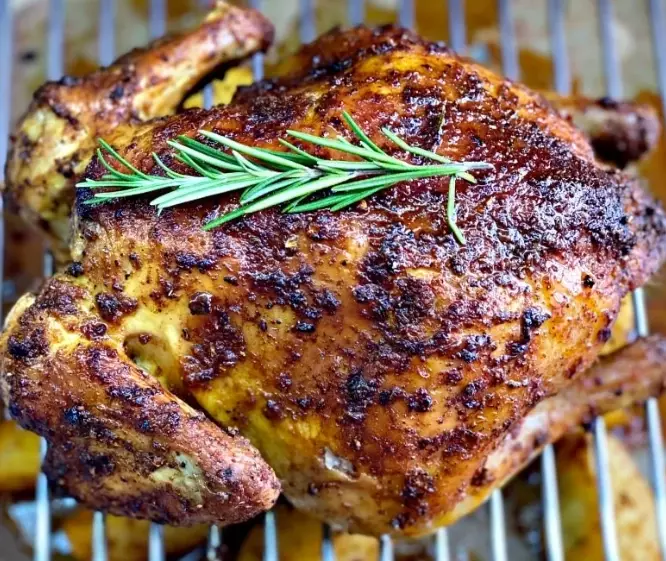
The Non-Negotiables:
- A whole chicken: Aim for 4 to 5 pounds (1.8 to 2.3 kg). This size is ideal for even cooking. Look for a bird that's plump and has no off odors. Organic or air-chilled chickens often yield better results and less water in the package, which helps with browning.
- Kosher salt or coarse sea salt: This is your most important ingredient. Fine table salt doesn't stick as well or distribute the same.
- Freshly ground black pepper: The pre-ground stuff loses its punch.
- High-heat cooking oil: Avocado oil, grapeseed oil, or even a light olive oil. Butter burns at high temps, so we use oil for the initial crisp.
- A roasting pan or oven-safe skillet: Don't use a glass dish if you can avoid it. Metal conducts heat better for that crucial initial sear. A cast-iron skillet is a game-changer.
- A reliable instant-read thermometer: This is your safety net and guarantee of perfection. Guessing is for amateurs.
The "Nice-to-Haves" (Seriously, They Make a Difference):
- Aromatic vegetables: Onions, carrots, celery, or potatoes chopped into large chunks. Toss them in the pan under the chicken. They soak up the drippings and become the best side dish you didn't plan.
- Fresh herbs: Thyme, rosemary, or sage. Stuff a few sprigs in the cavity and scatter more in the pan.
- A wire rack: Elevating the chicken allows hot air to circulate all around, promoting even browning and preventing the bottom from steaming. If you don't have one, the vegetable bed acts as a natural rack.
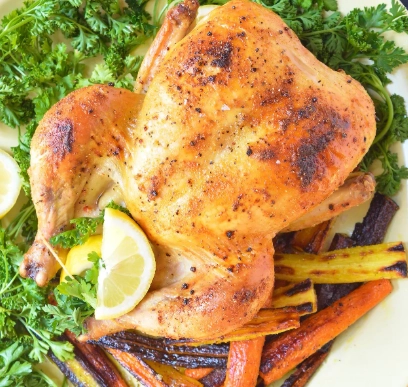
Pro Insight: Many recipes call for brining (soaking in saltwater). It works for juiciness, but it's an extra step and requires planning. For a weeknight, dry-brining—heavily salting the chicken and leaving it uncovered in the fridge for a few hours or overnight—is my secret weapon. It seasons the meat deeply and dries the skin surface, which is the key to crispiness.
How to Prep Your Chicken for the Oven: The Steps Everyone Messes Up
This is where the magic—or the disaster—happens. Rushing prep is the number one reason for mediocre roast chicken.
1. Dry It Thoroughly (Inside and Out)
Take the chicken out of its packaging and remove any giblets (usually in a bag in the cavity). Pat the entire bird bone-dry with paper towels. I mean, really dry. Any surface moisture will turn to steam in the oven and prevent browning. Get inside the cavity too. This single step is more important than the fancy butter you might consider rubbing under the skin.
2. Truss It... Or Don't.
Trussing (tying the legs and wings close to the body) makes for a pretty, compact bird that cooks evenly. But let's be real: it's fiddly. If you're not serving it at a dinner party, you can skip it. Just tuck the wing tips behind the shoulders so they don't burn. Leaving the legs loose can actually help the hot air reach the thigh joint better.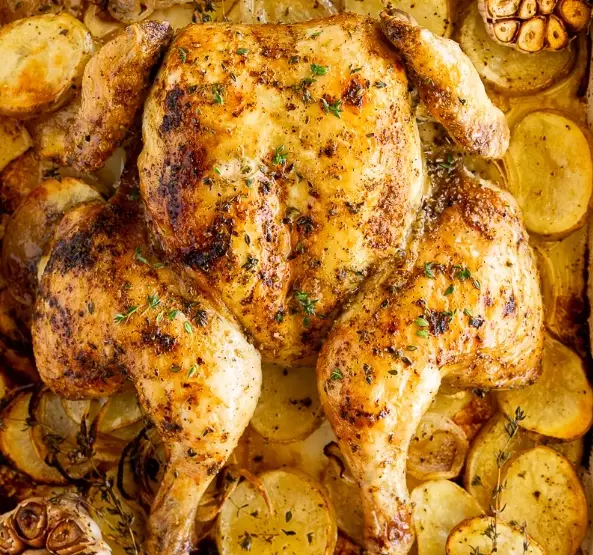
3. Season Aggressively
Drizzle a tablespoon or two of oil all over the chicken. Then, season generously with salt and pepper. Don't be shy. Get salt into every nook: the cavity, under the wings, between the leg and breast. A 5-pound chicken can handle a full tablespoon of kosher salt. Pepper it well. This creates a flavorful crust.
Common Mistake Alert: People often forget to season the cavity. The seasoning from the outside doesn't magically penetrate the whole bird. Salting inside flavors the meat from the center out and seasons the pan juices, which you can use for gravy.
Seasoning and Flavor Variations for Your Roast Chicken
Salt and pepper are the classic, but you can build from there. Here are a few simple, no-fail variations. The method stays the same; you just add these elements during prep.
| Flavor Profile | What to Add | Best For |
|---|---|---|
| Lemon & Herb Classic | 1 lemon (halved) and a handful of thyme/rosemary sprigs in the cavity. Rub skin with olive oil, salt, pepper. | A bright, clean, all-purpose flavor everyone loves. |
| Garlic & Smoked Paprika | Mix 2 tsp smoked paprika into the salt before seasoning. Place a whole head of garlic (top sliced off) in the pan. | Deep, savory, slightly smoky notes. The roasted garlic is a spreadable treat. |
| Simple Spice Rub | Mix salt with garlic powder, onion powder, and a pinch of cayenne. Add dried oregano or thyme. | When you're out of fresh herbs but want big flavor. |
| Compound Butter (Restaurant-Style) | Soften 4 tbsp butter. Mix with minced herbs, lemon zest, and a garlic clove. Gently loosen the skin over the breast and thighs with your fingers and spread the butter underneath. | Incredibly rich, moist meat and golden skin. A bit more work, but a total showstopper. |
The Roasting Process: Temperatures, Timing, and The Tools You Need
Now for the main event. Preheat your oven. This is critical. A cold oven starts steaming the chicken.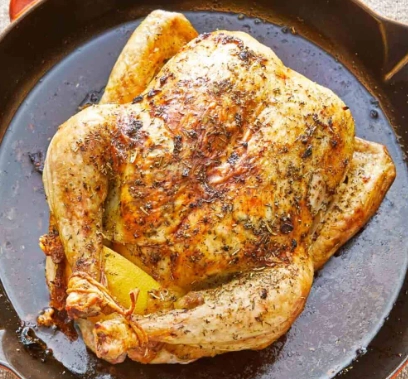
Oven Temperature Strategy
There are two main schools of thought:
High Heat (425°F / 220°C): This is my preferred method for a standard home oven. It gives you great browning quickly and still cooks the bird through in a reasonable time (about 1 to 1.5 hours). The skin gets super crispy.
Low & Slow, then High (aka Reverse Sear): Start at 325°F (160°C) until the internal temp is nearly done, then crank to 450°F (230°C) for the last 10-15 minutes to crisp the skin. This can yield incredibly juicy meat but requires more attention and time.
For simplicity and reliability, I recommend starting with 425°F.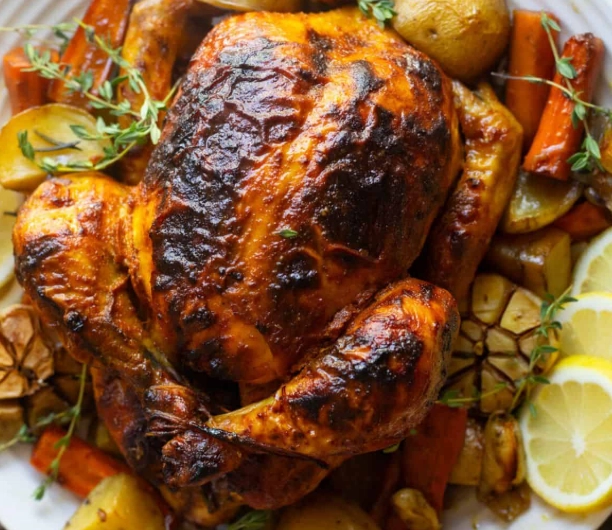
How Long to Roast a Whole Chicken?
Forget fixed times. Ovens vary. A 4.5 lb chicken at 425°F will take roughly 70-90 minutes. But you must use a thermometer.
Place your prepared chicken on a rack in your pan, or directly on the bed of vegetables. Put it in the preheated oven, legs/thighs facing the back (it's often hotter there). Roast undisturbed for the first 45 minutes to let the skin set and brown.
Start checking the temperature after 1 hour. Insert your instant-read thermometer into the thickest part of the thigh, avoiding the bone. You're aiming for 165°F (74°C). The breast should read about 155-160°F (68-71°C). Carryover cooking will raise it another 5-10 degrees as it rests.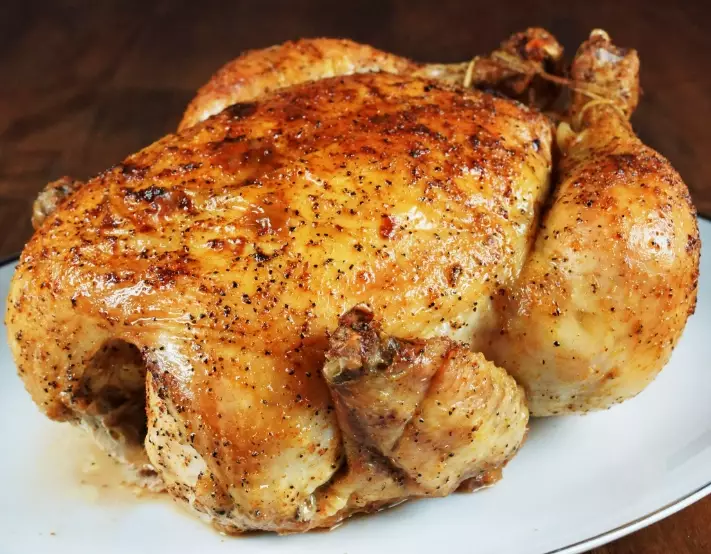
Pro Insight: If the skin is browning too fast, tent the breast loosely with a small piece of foil. If it's not brown enough but the temp is close, you can broil it for 2-3 minutes at the end, watching it like a hawk.
The Most Important Step: Resting
When the chicken hits temp, take it out. Transfer it to a cutting board or platter and let it rest for at least 15-20 minutes. Do not skip this. I know it's hard. The aroma is killing you. But resting allows the juices, which have rushed to the surface, to redistribute back throughout the meat. If you cut it open immediately, all those flavorful juices will flood your cutting board, leaving you with dry chicken. This rest period is non-negotiable for juicy results.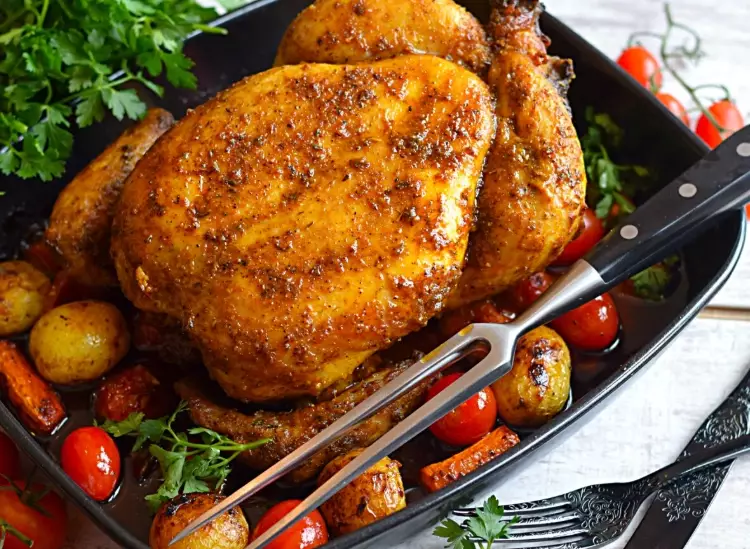
While it rests, you can make a quick pan sauce with the drippings and those roasted vegetables. Just add a splash of broth or wine to the hot pan, scrape up the browned bits (the fond), and simmer for a minute.
Your Roast Chicken Questions, Answered
Related Articles