Skinless Chicken Thigh Calories & Nutrition: The Complete Guide
Let's cut straight to it. You're here because you want the real numbers on skinless chicken thigh calories. Maybe you're meal prepping, tracking macros, or just trying to make a smarter choice at the grocery store. I get it. I've been there, meticulously weighing chicken and scratching my head over why my logged calories never matched the meal in front of me.
The official data from the USDA National Nutrient Database says a 3.5-ounce (100-gram) serving of raw, skinless, boneless chicken thigh contains about 179 calories. But here's the thing nobody tells you right away: that number is almost useless by itself. It's a starting point, a raw material. What happens in your kitchen changes everything.
What's Inside This Guide?
How Many Calories Are in a Skinless Chicken Thigh?
Forget the generic "about 180 calories" line. You need specifics. A typical boneless, skinless chicken thigh you buy at the store weighs between 4 to 6 ounces (113 to 170 grams) raw. That means its raw calorie range is roughly 200 to 300 calories. The bigger the thigh, the higher the count—simple.
But calories are only part of the story. The real magic of the skinless chicken thigh is its macro profile. It's a fantastic source of high-quality protein and contains more iron and zinc compared to chicken breast. The fat content, which is what gives it more flavor and juiciness than breast meat, is primarily monounsaturated fat.
Here’s a detailed look at the nutrition for a 100g raw serving, based on USDA data:
| Nutrient | Amount (Raw, Skinless, Boneless) |
|---|---|
| Calories | 179 kcal |
| Protein | 20.8 g |
| Total Fat | 10.3 g |
| Saturated Fat | 2.8 g |
| Carbohydrates | 0 g |
| Iron | 0.9 mg |
| Zinc | 1.5 mg |
See that protein number? Over 20 grams. That's why it's a staple for anyone building muscle or trying to stay full longer. The fat isn't something to fear—it's useful energy and carries flavor.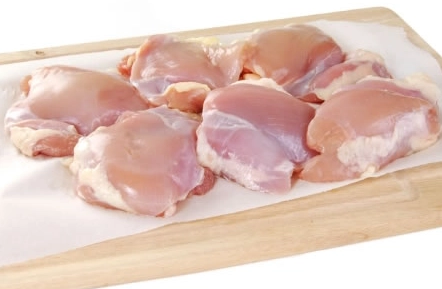
How Cooking Methods Change the Calorie Count
This is where most calorie estimates go wrong. Cooking isn't just applying heat; it's a physical and chemical transformation that alters weight, water content, and, yes, effective calorie density.
Grilling, Baking, or Air Frying (Dry Heat): These methods cause water to evaporate. A raw 6-ounce thigh might weigh only 4.5 ounces after cooking. The calories from the raw thigh are now packed into a smaller, denser piece of meat. If you log it as "6 oz cooked chicken," you're overestimating by a huge margin. The calorie count per ounce goes up, even if you add no oil.
Braising, Stewing, or Poaching (Moist Heat): The chicken retains more water, so the weight loss is less dramatic. The calorie count per serving stays closer to the raw estimate. However, if your braising liquid is full of oil, wine, or coconut milk, those added calories absolutely count.
The Oil Factor: A Massive Hidden Variable
Let's talk about the biggest mistake I see. You take a 200-calorie raw thigh, throw it in a pan with a tablespoon of olive oil (120 calories), and maybe some sticks to the pan. You consume most of that oil. Suddenly, that "200-calorie" protein is now a 300-320 calorie dish. If you're not accounting for cooking fats, your tracking is off by 50% or more. Use a spray bottle for oil, measure it with a spoon, or opt for non-stick pans.
Putting It Into Practice: High-Protein, Flavor-Packed Ideas
Knowing the numbers is one thing. Using them is another. Here’s how I build meals around skinless chicken thighs without getting bored.
Meal Prep Hero – Lemon-Herb Baked Thighs: Toss 2 lbs of raw thighs (that's about 6-8 pieces) with the juice of two lemons, 4 minced garlic cloves, a tablespoon of dried oregano, salt, and pepper. Use just one tablespoon of olive oil for the whole batch. Bake at 400°F (200°C) for 25-30 minutes. Weigh the total raw batch, divide by 4, and you have perfectly portioned lunches for the week. Each serving will be roughly 300-350 calories with over 35g of protein.
Weeknight Speed Run – "No-Stick" Pan-Seared Thighs: Pat thighs dry. Heat a quality non-stick pan over medium-high. Season thighs and place them in the dry, hot pan. Cook 5-7 minutes per side. They will release their own fat and brown beautifully. Finish with a splash of chicken broth and a spoonful of Dijon mustard to make a quick pan sauce. Zero added oil needed.
Flavor Bomb – Spice-Rubbed Thighs for the Grill: Mix two parts smoked paprika with one part each of garlic powder, onion powder, and a little brown sugar or coconut sugar for caramelization. Rub onto raw thighs. Grill over medium heat. The slight char adds incredible depth without extra calories.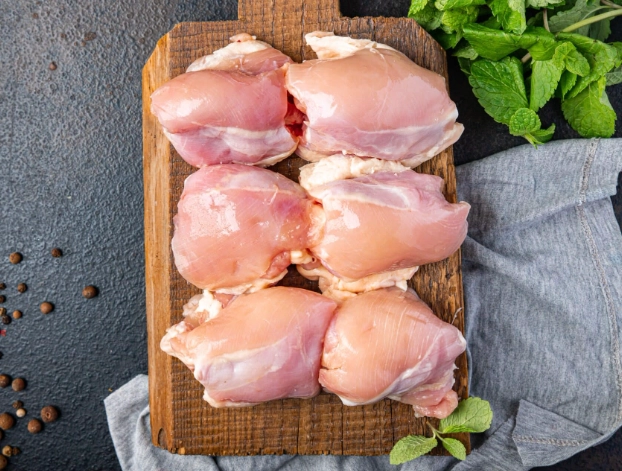
Common Mistakes & Pro Tips From a Decade in the Kitchen
I've cooked thousands of chicken thighs. Here are the subtle errors that mess up your calorie math and your meal.
Mistake 1: Assuming "skinless" means all fat is removed. There's still intramuscular fat and marbling. That's the 10+ grams of fat in the USDA data. It's not a bad thing—it's flavor and satiety—but don't log it as fat-free chicken breast.
Mistake 2: Not considering shrinkage. We covered this, but it's worth repeating. A 25% weight loss from water is normal with dry-heat cooking. Your 4-ounce logged serving needs to be 4 ounces raw, not a 4-ounce piece you cut off a cooked thigh.
Pro Tip: Use a marinade for flavor, not oil. Yogurt, buttermilk, lemon juice, vinegar, soy sauce, or even a little tomato paste make incredible marinades that tenderize and add flavor with minimal added calories compared to an oil-based marinade.
Pro Tip: Cook from frozen in a pinch. You can bake a frozen skinless thigh at 375°F. Just add 10-15 minutes to the cook time. It won't brown as well, but it's a lifesaver for a quick protein. Log it using the raw weight listed on the bag.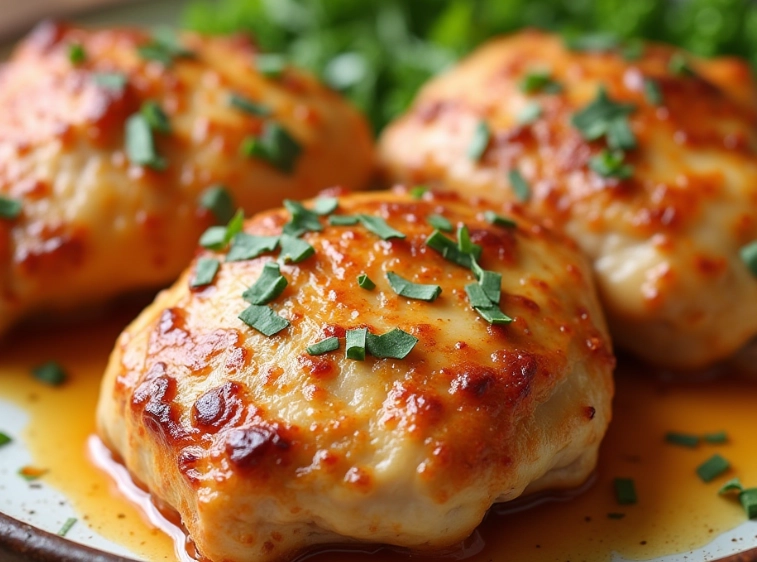
Your Questions, Answered
Related Articles