Perfect Deep-Fried Chicken Breast at 375°F: Time & Tips
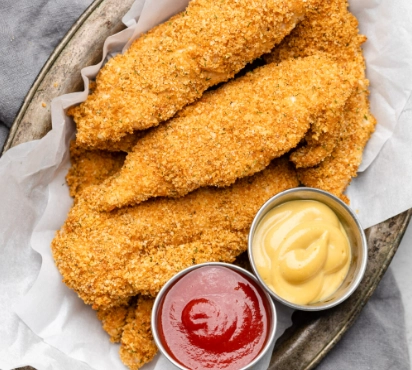
So you've got your oil heating to 375 degrees Fahrenheit, and a beautiful chicken breast ready to go. The question is simple, but getting the answer wrong means the difference between juicy, golden perfection and a dry, disappointing piece of meat. Let's cut to the chase: a standard, boneless, skinless chicken breast (about 6-8 ounces) needs 6 to 8 minutes in 375°F oil to be fully cooked and golden brown.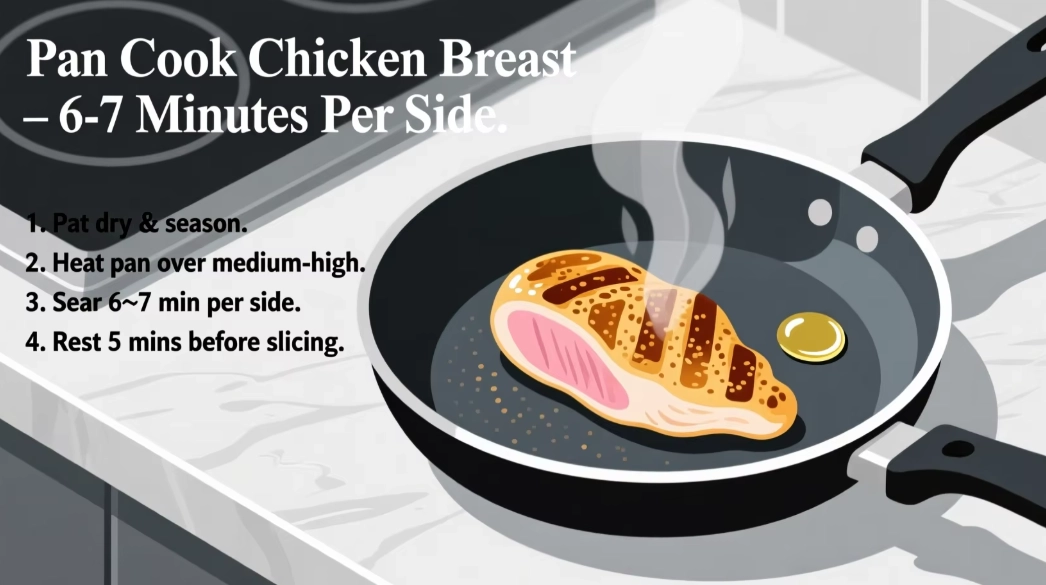
But that's just the headline. If you drop it in for exactly 7 minutes every single time, you'll have inconsistent results. Why? Because the thickness of the meat, the starting temperature, and even how you bread it dramatically change the game. I've been frying chicken for over a decade, and the biggest mistake I see isn't timing—it's ignoring the internal temperature. A meat thermometer is your best friend here, not the clock.
What You'll Learn in This Guide
The Core Answer & Why It's Not That Simple
Let's get more specific. That 6-8 minute window is your starting point. Think of it like this:
The Golden Rule: At a steady 375°F, the goal is to reach an internal temperature of 165°F (74°C) in the thickest part of the breast. The outside should be a deep, crispy golden brown. The 6-8 minutes is the average journey to that destination.
Here’s a quick reference table based on thickness, which is the single biggest variable everyone overlooks:
| Chicken Breast Thickness | Approximate Weight | Estimated Time at 375°F | Key Sign |
|---|---|---|---|
| Thin (½ inch / 1.3 cm) | 4-5 oz | 4-5 minutes | Golden brown quickly; risk of overcooking. |
| Average (¾ inch / 2 cm) | 6-8 oz | 6-8 minutes | Deep golden brown, internal temp 165°F. |
| Thick (1 inch+ / 2.5 cm+) | 8-10 oz | 9-11 minutes | May need lower heat to avoid burning outside before inside cooks. |
See the problem? If you buy "thin-sliced" chicken cutlets, they'll be done in under 5 minutes. A monster breast from the butcher could take 10. Blindly following a single number is the first step to dry chicken.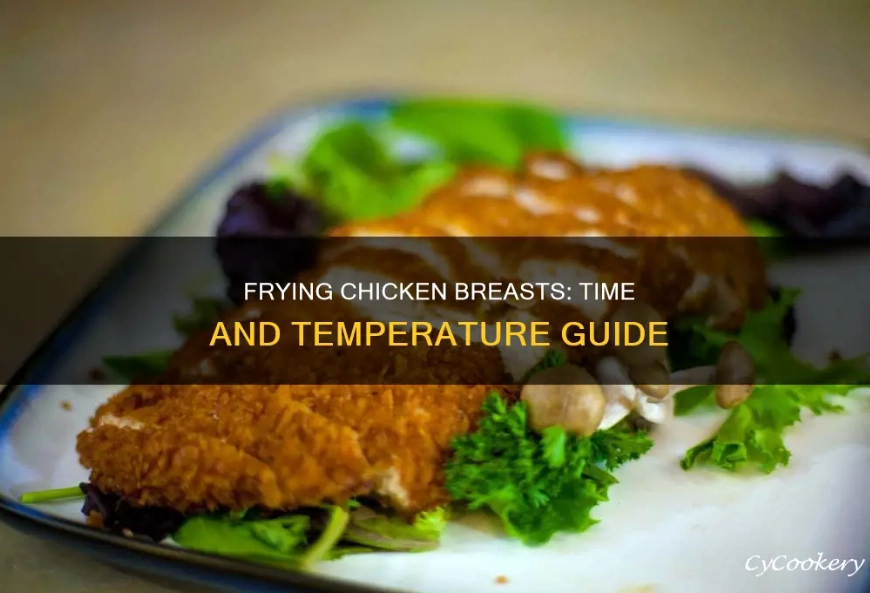
Key Factors That Change Your Frying Time
Time is a result, not a setting. These are the dials you're actually controlling.
1. Thickness (The #1 Culprit)
This is non-negotiable. A breast that's 1-inch thick has nearly double the mass to heat through compared to a ¾-inch one. The solution? Pound it to an even thickness. Place the breast between plastic wrap and gently pound it with a rolling pin or pan to about ¾-inch uniform thickness. This ensures even cooking and reliable timing. It's the single best thing you can do for consistent results.
2. Starting Temperature of the Chicken
Are you frying straight from the fridge? That cold center is a huge heat sink. Taking your chicken out 15-20 minutes before cooking to let it come closer to room temperature shaves a good minute or more off the frying time and promotes more even cooking. Just don't leave it out for hours.
3. Breading and Batter
A thick, wet batter (like for tempura) fries faster than a dense, double-dredged flour coating. The moisture in the batter flashes to steam, cooking the outer layer quickly. A heavy breadcrumb coating acts as more insulation, potentially requiring a slightly longer fry. My go-to for maximum crisp? A simple flour-egg-flour or flour-egg-panko breadcrumb dredge. It creates a craggy, sturdy crust that stands up to the oil.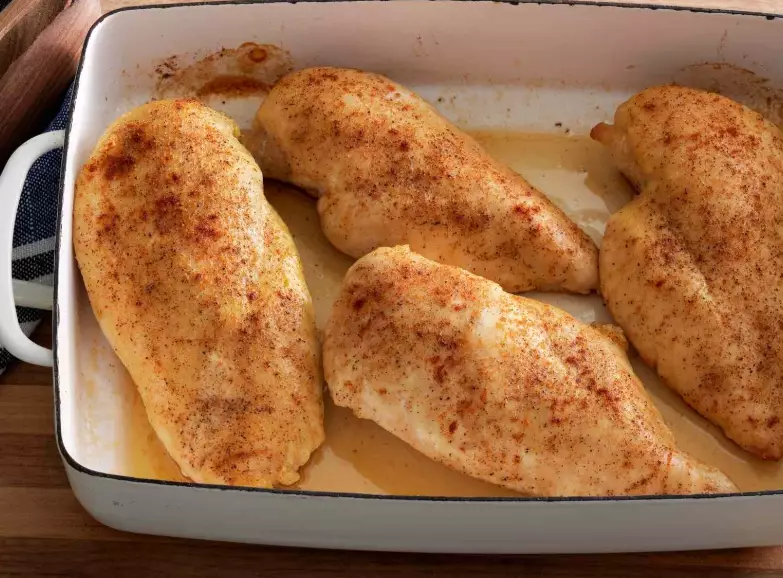
4. Oil Temperature Stability
This is the silent killer. You heat the oil to 375°F, then you add cold chicken. The temperature plummets—sometimes to 325°F or lower. If your burner can't recover quickly, you're now frying at a lower temperature, which means longer cooking time and oilier food. Don't crowd the pot. Fry in batches, and let the oil come back to 375°F between them. A good deep-fry or candy thermometer is essential.
The Step-by-Step Process for Perfect Chicken
Let's walk through it from start to finish, assuming you're using a standard 6-8 oz breast.
Step 1: Prep the Chicken. Pat it completely dry with paper towels. Moisture is the enemy of crispiness. Pound to even thickness (¾ inch is ideal). Season generously with salt, pepper, and any other spices (paprika, garlic powder) directly on the meat, not just in the flour.
Step 2: Set Up Your Dredging Station. Three shallow dishes. One with all-purpose flour seasoned with salt and pepper. One with beaten eggs (maybe a splash of milk or hot sauce). One with more flour, or panko breadcrumbs for extra crunch.
Step 3: Heat the Oil. Use a heavy, deep pot (Dutch oven is perfect). Fill it no more than halfway with a high-smoke-point oil like peanut, canola, or vegetable oil. Attach your thermometer. Heat over medium-high to 375°F. This is your target.
Step 4: Dredge and Fry. Dredge chicken: flour (shake off excess) → egg (let drip) → flour/breadcrumbs (press to adhere). Gently lower the chicken into the hot oil. Don't drop it. The oil should bubble vigorously but not violently. Set your timer for 6 minutes.
Step 5: Monitor and Flip. The chicken will likely float. After 3-4 minutes, check the underside. It should be a light golden brown. Gently flip it. The total cook time is now in that 6-8 minute window.
Step 6: Check for Doneness. At the 6-minute mark, pull a piece out and immediately check the internal temperature with an instant-read thermometer. You want 165°F. If it's at 155°F, it probably needs another 60-90 seconds. Color is a guide—deep golden brown—but temperature is the law.
Step 7: Drain and Rest. Transfer to a wire rack set over a baking sheet, not paper towels. Paper towels trap steam and make the bottom soggy. Let it rest for 5 minutes. The crust will set, and the juices will redistribute.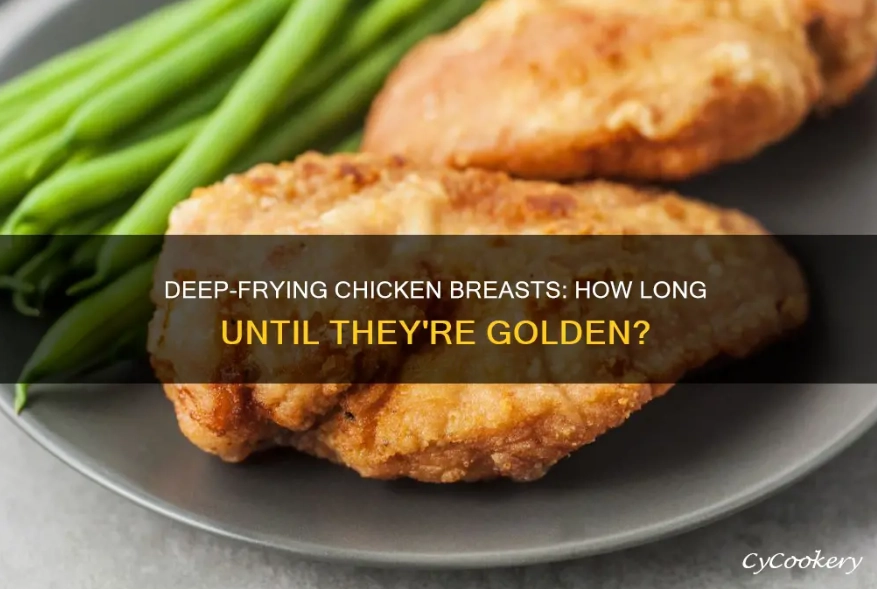
Pro Tip Most Recipes Skip: After breading, let the chicken sit on the rack for 5-10 minutes before frying. This lets the coating set and hydrate, which means less loose flour falling into your oil (burning and making it dirty) and a more cohesive, crispier crust.
Common Mistakes and How to Avoid Them
I've made these so you don't have to.
Mistake 1: Ignoring the thermometer. Guessing is for games, not chicken. A $15 instant-read thermometer guarantees safety and juiciness.
Mistake 2: Crowding the pot. Adding too many pieces at once crashes the oil temp. You get greasy, pale chicken. Batch fry, always.
Mistake 3: Using the wrong oil. Olive oil has a low smoke point and will burn. Stick with neutral, high-heat oils.
Mistake 4: Cutting into it immediately. You'll lose all the precious juices. Let it rest. The wait is worth it.
Essential Safety and Oil Tips
Deep-frying is safe if you're respectful. Keep kids and pets away. Have a lid nearby to smother a potential fire (never use water!). Don't leave the hot oil unattended.
For oil: You can strain and reuse it a few times if you've fried plain chicken. If the oil smells off, is dark, or smokes at a low temperature, discard it. I usually get 2-3 uses from a batch.
Your Deep-Frying Questions Answered
 My breading is falling off in the oil. What am I doing wrong?
So there you have it. At 375°F, aim for 6-8 minutes, but let the thermometer and the golden-brown color be your final guides. Pound your chicken even, don't crowd the pot, and let it rest. Master these steps, and you'll have a deeply satisfying, crispy, juicy fried chicken breast that beats any takeout.
Related Articles