Perfectly Roasted Whole Chicken: A Simple, Foolproof Guide
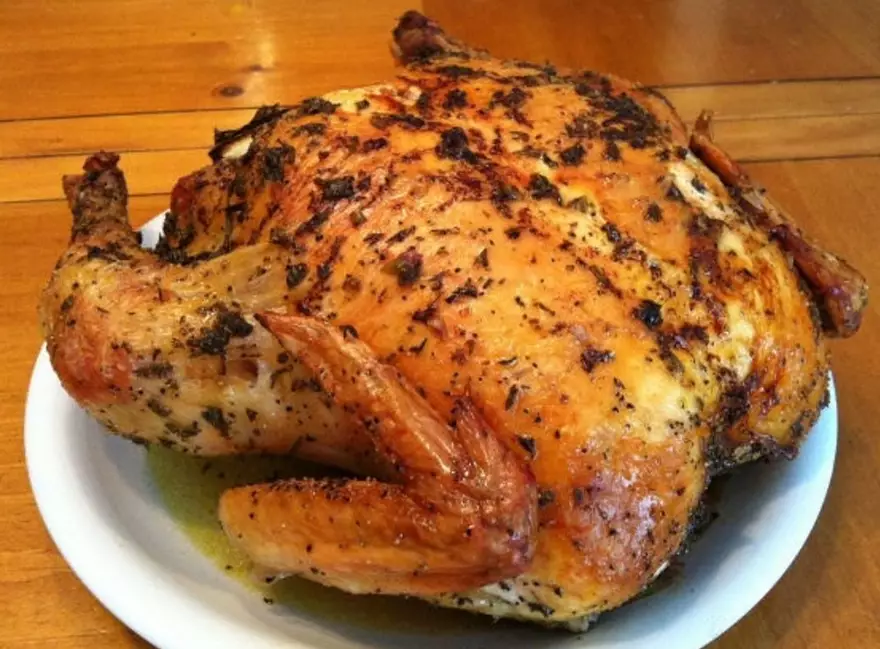
Let's be honest. Roasting a whole chicken sounds like a basic kitchen skill, but it's one of those things that can go wrong in a dozen subtle ways. You end up with dry breast meat, undercooked thighs, or skin that's more pale and flabby than golden and crisp. I've been there. The first time I tried, I followed a generic recipe to the letter and wondered why my chicken looked nothing like the picture.
It doesn't have to be that way. A perfectly roasted chicken is within reach, and it's one of the most satisfying and economical meals you can make. This guide isn't just another list of steps. It's the culmination of years of trial, error, and conversations with butchers and chefs. We're going to dig into the why behind each step, so you understand the process, not just memorize it.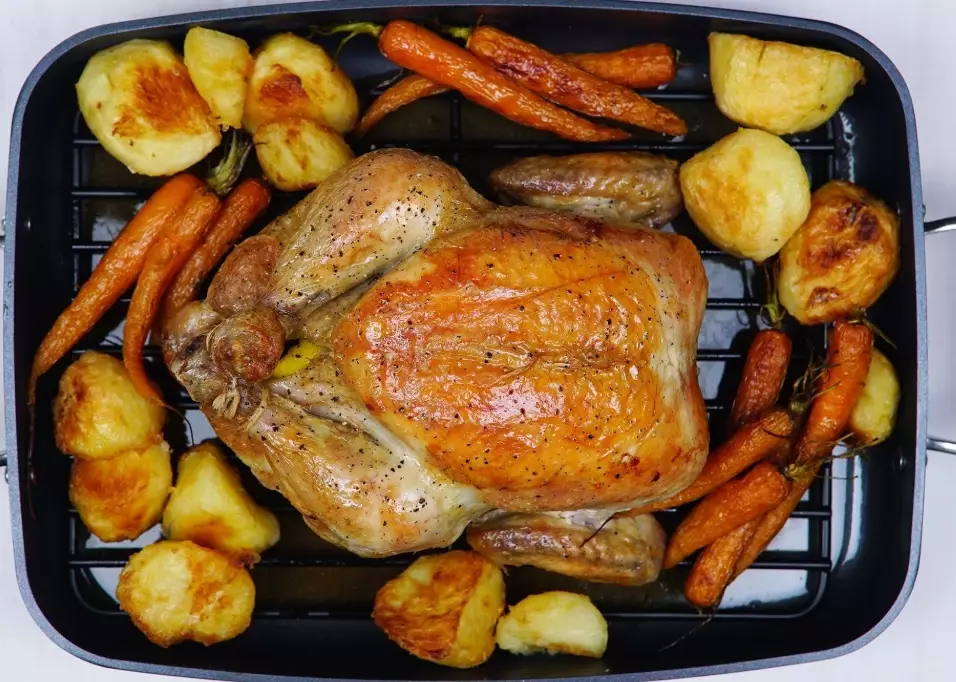
What You'll Learn in This Guide
How to Choose the Right Chicken for Roasting
It all starts at the store. Grab the wrong bird, and you're fighting an uphill battle.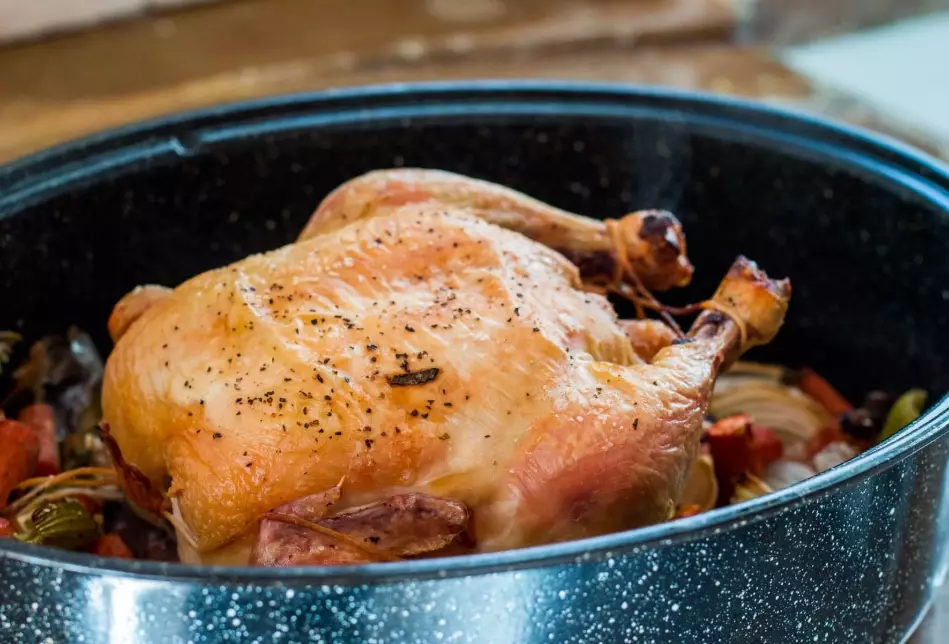
Size matters most. For a standard home oven and a family of four, aim for a bird between 3.5 to 4.5 pounds (1.6 to 2 kg). Anything smaller can dry out too quickly; anything much larger risks uneven cooking before the skin gets properly crisp. That 7-pound monster might look like a great deal, but it's better suited for braising or breaking down.
Then there's the label jungle: organic, free-range, air-chilled, pasture-raised. Here's my take, based on flavor and texture, not just ethics.
- Air-Chilled: This is my non-negotiable for roasting. Most chickens are water-chilled in a cold bath, which plumps them up with added water (you're paying for it). Air-chilled birds, like those from brands such as Bell & Evans or Mary's, have drier skin from the start. Dry skin = crispier skin. It's that simple.
- Organic/Free-Range: These often have better flavor and firmer texture. They're usually a bit more expensive, but for a special Sunday roast, it's worth it. The meat tends to be less watery.
Feel the chicken through the packaging if you can. The breast should feel plump but firm, not mushy. Check the sell-by date and get the freshest one possible.
The Preparation Step Everyone Skips (But Shouldn't)
You've got your chicken home. Now what? Rinsing it? Please don't. The USDA and every sane chef will tell you rinsing raw poultry just sprays bacteria around your sink. Patting it bone-dry with paper towels is infinitely more important.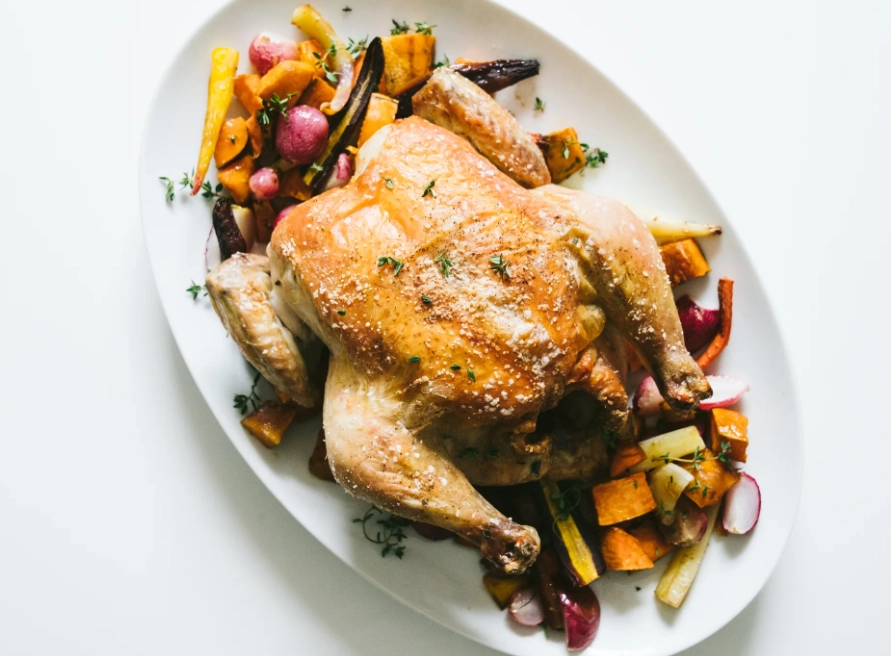
I mean really dry. Get inside the cavity. Get under the wings. This is the single most effective thing you can do for crispy skin. Moisture is the enemy of browning.
Now, trussing. Many recipes insist on it for a "pretty" presentation. I rarely bother for a standard roast. Trussing can slow down cooking in the thigh joint, and I find an untrussed bird has more skin surface area exposed to crisp up. If you want it tidy, go for it. But if you're a beginner, skip it and focus on the essentials.
Seasoning: Going Beyond Salt and Pepper
Salt is your best friend. You need to use more than you think. For a 4-pound chicken, I use about 1 tablespoon of kosher salt (Diamond Crystal is less salty by volume than Morton's, just FYI).
The real secret? Season under the skin. Gently slide your fingers between the skin and the breast meat, loosening it all over. Take half of your salt and any dry herbs (thyme, rosemary, smoked paprika) and rub it directly on the meat. This seasons the flesh itself, not just the outer layer. Then, rub the rest on the outside of the skin.
Don't forget the cavity. Stuff it with a halved lemon, a whole head of garlic cut in half crosswise, and a bunch of herbs. This isn't just for flavor. The steam from these aromatics helps cook the bird from the inside, keeping it juicy, and infuses a subtle fragrance.
The Roasting Process: Time, Temp, and Positioning
Here's where most online recipes fail you. They give one rigid temperature and time. But your oven, your pan, and your chicken are unique.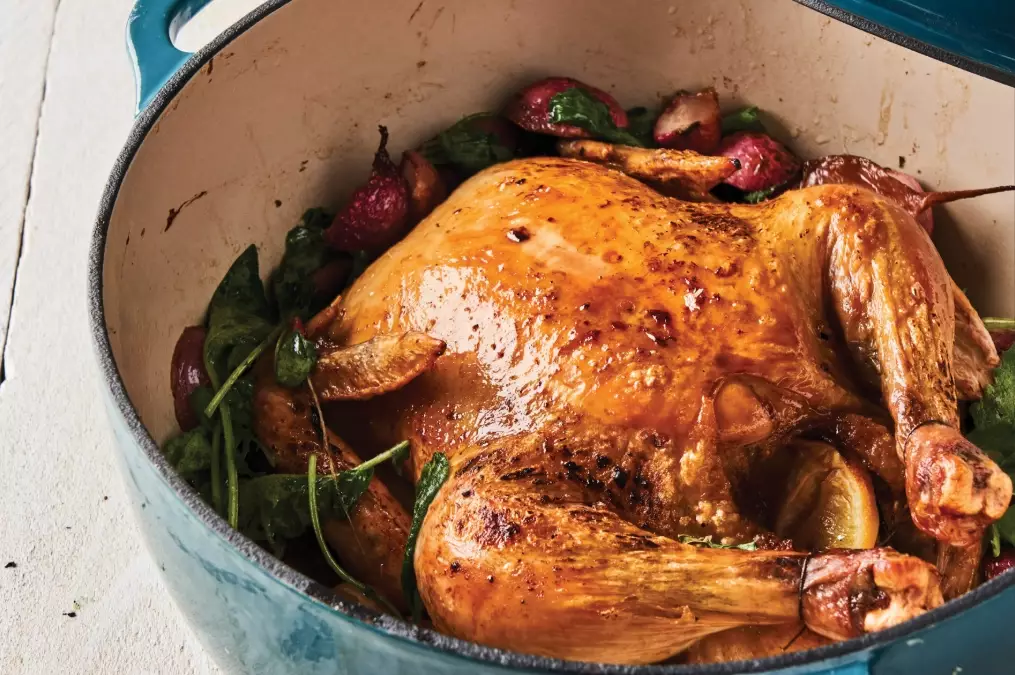
I use a two-temperature method, and it's foolproof.
- Start Hot: Preheat your oven to 450°F (230°C). Yes, that's high. Place the chicken breast-side up on a rack set inside a roasting pan or sturdy sheet pan. The rack is crucial for air circulation.
- Roast for 20 minutes at this high heat. This initial blast sets the skin and starts the browning process fast.
- Reduce and Finish: Without opening the door, reduce the oven temperature to 375°F (190°C). Continue roasting until done. The total time will vary.
How do you know when it's done? A meat thermometer is non-optional. Relying on "juices running clear" is unreliable. Insert the thermometer into the thickest part of the thigh, avoiding the bone. It should read 165°F (74°C). The breast will be around 155-160°F (68-71°C), which is perfect—it will carry over to a safe temp while resting.
| Chicken Weight (lbs) | Approx. Total Roasting Time (after initial 20 min blast) | Target Thigh Temp |
|---|---|---|
| 3.5 | 45-55 minutes | 165°F / 74°C |
| 4.0 | 55-65 minutes | 165°F / 74°C |
| 4.5 | 65-75 minutes | 165°F / 74°C |
What about basting? I find it largely unnecessary and it lets heat out of the oven. If the skin looks like it's browning too fast, tent just the breast area loosely with foil.
A trick I learned from a restaurant chef: about 15 minutes before the chicken is done, slide a few pats of cold butter under the skin on the breasts. It bastes the meat from the inside as it finishes.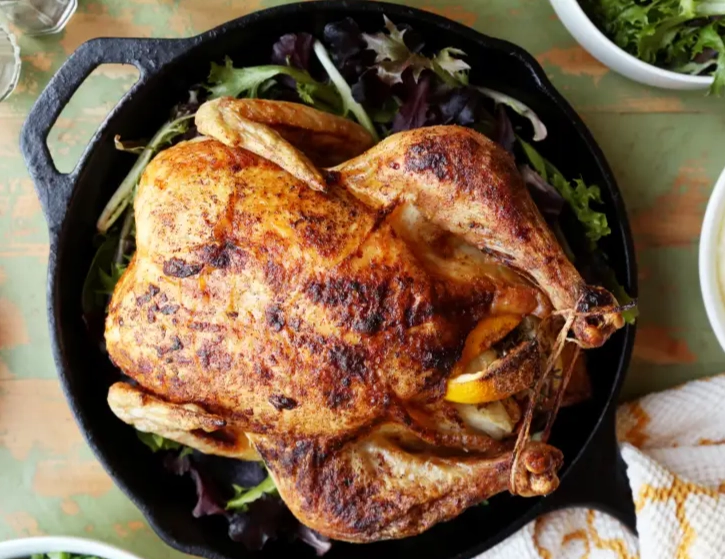
The Critical Rest and How to Carve Like a Pro
You pull the chicken out, it's gorgeous. Now, walk away. For at least 15-20 minutes. Tent it loosely with foil if you like, but resting is non-negotiable. The juices, which have been driven to the center by the heat, need time to redistribute. If you cut in immediately, all that flavorful juice will just run out onto the cutting board, leaving you with dry meat.
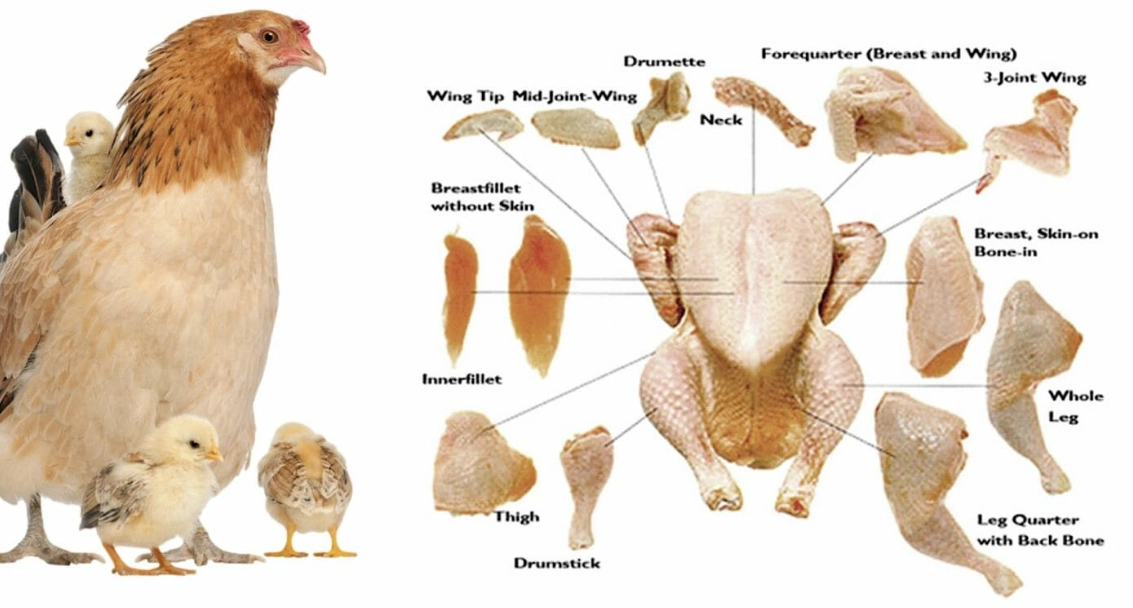
Carving intimidates people, but it's straightforward if you follow the bird's anatomy.
- Let the chicken rest breast-side up. Remove any twine.
- Cut through the skin between the leg and the body. Pop the thigh joint out of its socket and cut through to remove the entire leg (thigh and drumstick together). You can separate them later at the joint.
- For the wings, find the joint where they meet the body and cut through.
- For the breast: make a long, horizontal cut just above the wing joint along the breastbone. Then, slice down along the breastbone and rib cage, letting your knife follow the contours to remove the entire breast half. Slice it crosswise on a bias.
Save the carcass! Toss it in a pot with the spent lemon and garlic, cover with water, and simmer for a few hours. You've got incredible chicken stock.
Answers to Your Burning Roast Chicken Questions
 What's the biggest mistake people make when roasting a chicken for the first time?
Related Articles