Pound of Ground Chicken Calories: 576-800? Fat % & Cooking Impact
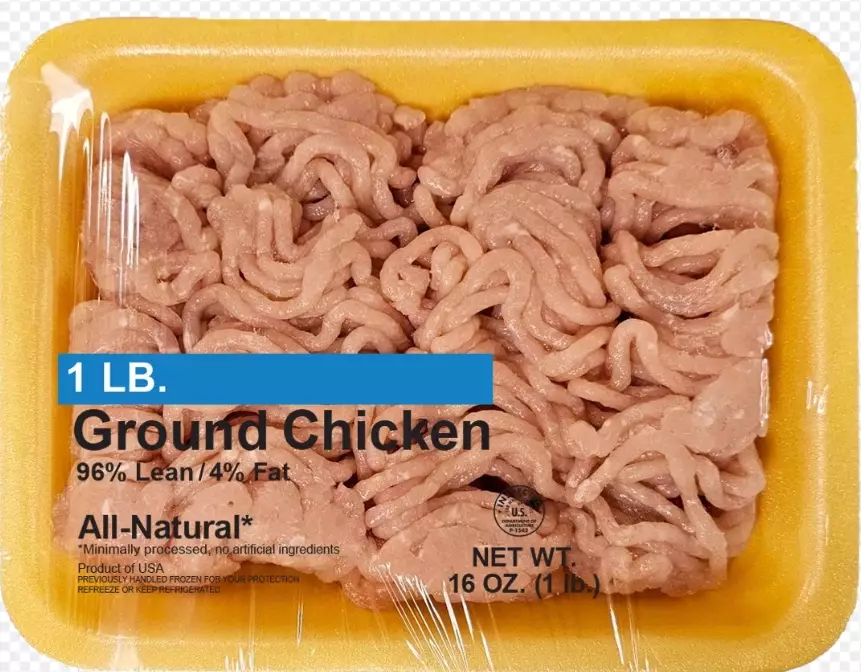
You grabbed a pound of ground chicken at the store, ready to make burgers, meatballs, or a stir-fry. Then the question hits: how many calories am I actually working with? The answer isn't a single number. A pound of ground chicken calories can swing from about 576 to over 800, and the biggest factor is something most recipes don't even mention: the fat percentage on the label. I learned this the hard way after a month of meal prep where my "healthy" chicken dishes were secretly sabotaging my calorie goals. Let's cut through the confusion and get the exact numbers, see how cooking changes them, and learn how to use this info for real-world cooking.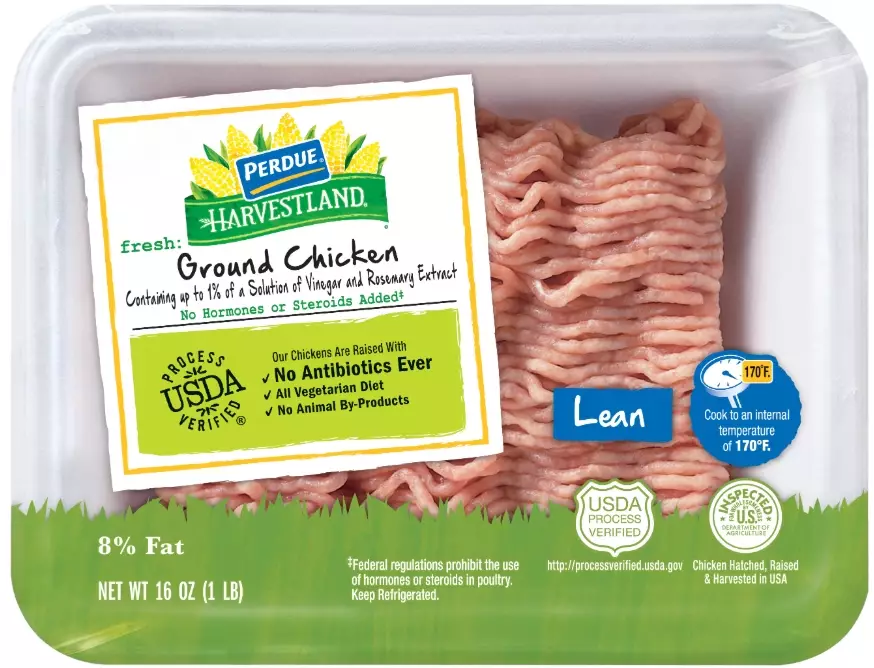
What You'll Find Inside
The Real Calorie Range for 1 lb Ground Chicken
Forget searching for one magic number. The calories in a pound of ground chicken are entirely dictated by its fat-to-lean ratio. Think of it like ground beef – 80/20 is vastly different from 93/7. Ground chicken works the same way, but the labels can be less obvious.
Here’s the breakdown, based on data from the USDA FoodData Central, the gold standard for nutritional information. This table shows you exactly what you're buying.
| Fat / Lean Ratio | Calories per Pound (raw) | Total Fat per Pound | Protein per Pound | Best For... |
|---|---|---|---|---|
| 93% Lean / 7% Fat | ~576 calories | ~28g | ~108g | Strict calorie budgets, lean protein focus. |
| 90% Lean / 10% Fat | ~640 calories | ~40g | ~104g | Everyday healthy recipes, meatballs, burgers. |
| 85% Lean / 15% Fat | ~720 calories | ~60g | ~96g | Juicier burgers, meatloaf, where moisture is key. |
| 80% Lean / 20% Fat ("Regular") | ~800 calories | ~80g | ~88g | Flavor-centric dishes, sausages, but use sparingly. |
See that jump? Choosing 93% lean over 80% lean saves you over 220 calories per pound before you even turn on the stove. That's a massive difference for meal prep. Most generic packaging just says "ground chicken" without specifying, which is a problem. Always look for the fine print or ask your butcher.
A mistake I see constantly: people buy the cheapest pack (often higher fat), use it in a "healthy" recipe from a blog, and wonder why they're not seeing results. The recipe author probably assumed 93% lean.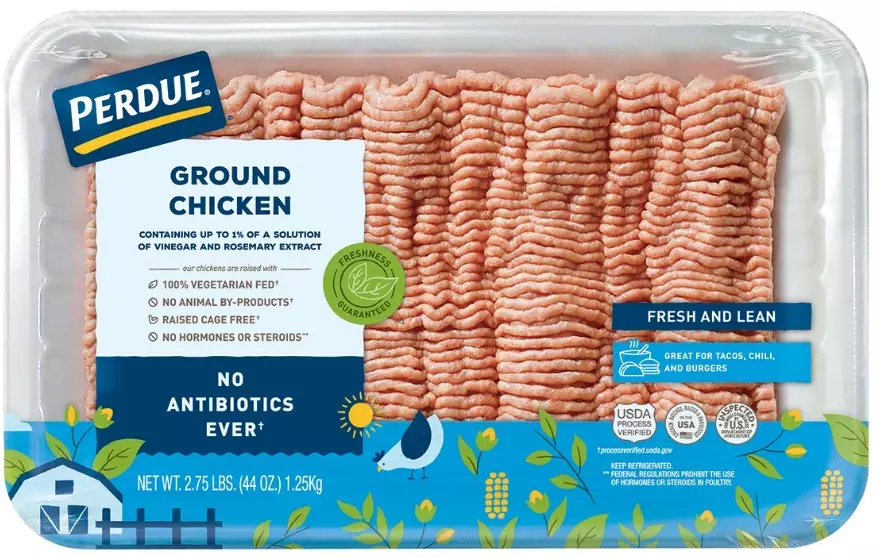
How Cooking Transforms the Calories in Your Pound
Let's be real, most of us aren't eating raw ground chicken. Cooking isn't just about safety; it's a calorie-altering process. The method you choose changes the final calorie count of your cooked pound.
The Golden Rule: Fat Drains, Water Evaporates.
When you cook ground chicken, two things happen. Water inside the meat evaporates, concentrating the calories per ounce. Fat renders out and can be left in the pan or drained away. If you drain the fat, you're removing calories. If you keep it (like in a sauce or stew), you're consuming them.
Here's the practical effect: If you brown a pound of 90% lean ground chicken in a skillet and thoroughly drain the fat, the final cooked weight might be only 12-13 ounces, but the calorie count will be lower than the raw 640 because you poured off fat. If you don't drain it, the calories stay closer to the raw number, but packed into a denser, smaller amount of food.
Calorie Impact of Common Cooking Methods
Pan-Frying & Draining: This is where you have the most control. A good drain can remove 5-10g of fat per pound, cutting 45-90 calories. Tip: Don't just tilt the pan. Spoon out the liquid fat or transfer the meat to a plate lined with paper towels.
Baking or Roasting: Fat drips into the pan below. If you're not basting with those drippings, you're losing those calories. A meatloaf will often have fewer calories per serving than the raw sum of its parts.
Boiling or Simmering in Soup: This is the trickiest. The fat doesn't disappear; it melts into the broth. If you drink the broth, you get all the calories. If you skim the fat off the top before serving, you remove some. I always skim.
The takeaway? The number on the package is a starting point. Your cooking technique is the final editor.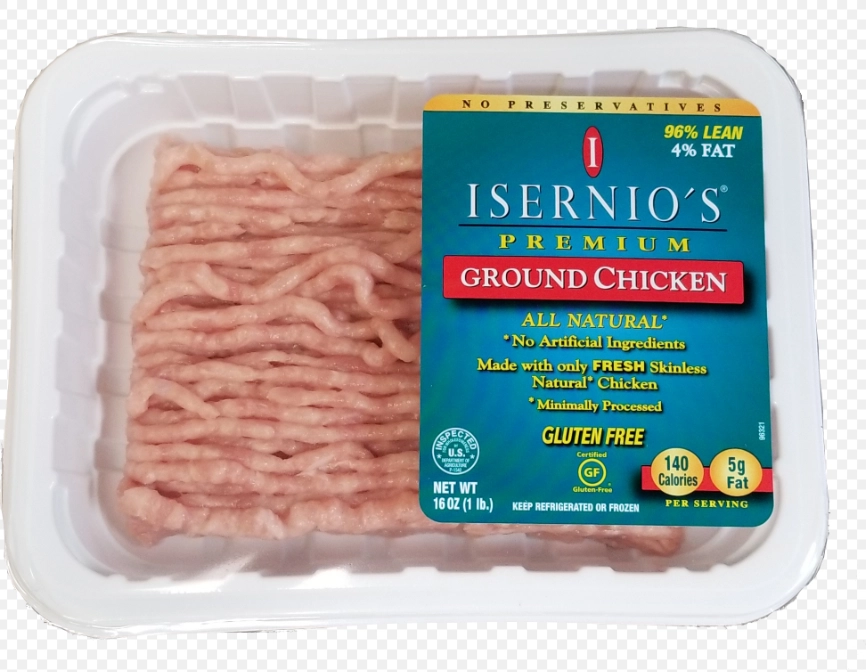
Your Practical Guide to Using These Numbers
Knowing the numbers is one thing. Applying them to Tuesday night's dinner is another. Here’s how to make this knowledge work for you.
Step 1: Label Literacy. Never buy unmarked ground chicken. Seek out packages that state the lean/fat percentage (e.g., 93/7). If it's from the butcher counter, ask. This is the single most important step.
Step 2: Recipe Math (The Simple Way). You don't need a food scale for every meal, but for consistent results, it helps. If a recipe calls for "1 pound ground chicken," note the fat percentage you're using. If you use 85% instead of 93%, you're adding roughly 140 extra calories to the entire dish. Divide that by the number of servings to see the per-serving impact.
Step 3: The Fat % Decision Matrix.
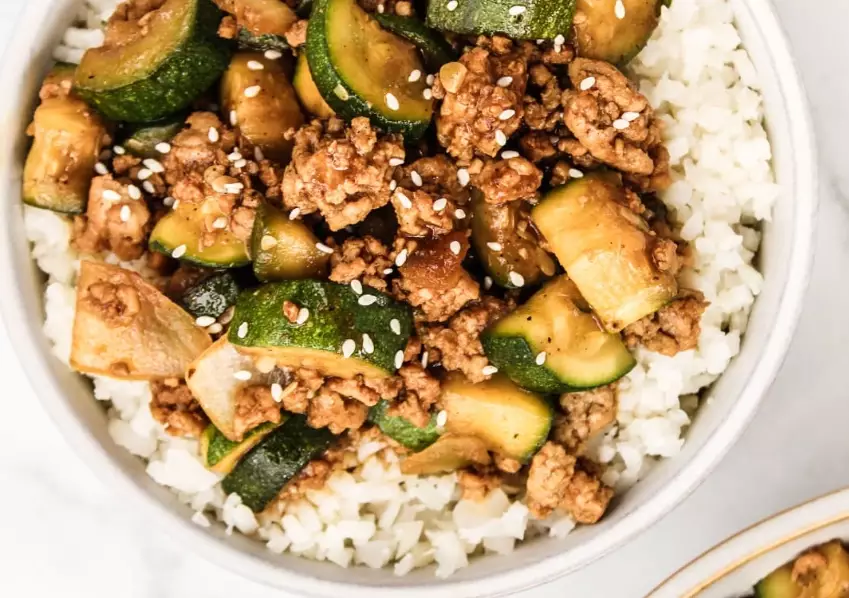
- Choose 93% Lean: For taco fillings, stuffed peppers, Asian lettuce wraps, or any dish with strong sauces where juiciness comes from elsewhere.
- Choose 90% Lean: Your all-purpose, weekday workhorse. Great for chili, pasta sauces, and casseroles.
- Choose 85% Lean or 80/20: Reserve for burgers or meatballs where you won't drain the fat, and where the fat is essential for texture and preventing dryness. Even then, I often mix 85% lean chicken with grated zucchini or onion to add moisture without all the extra fat calories.
A personal rule: I only buy 93% or 90% lean for general use. If I want a juicier burger, I'd rather use ground turkey thigh or a bit of ground pork for flavor than the highest-fat chicken, which can still taste bland.
Common Questions Answered (Beyond the Basics)
 How can I make lean ground chicken less dry without adding fat?
So, the next time you pick up a pound of ground chicken, you're not just grabbing protein. You're holding a variable ingredient whose calorie count is in your hands, from the store label to your cooking pan. Focus on the fat percentage, don't fear the drain, and use that knowledge to build meals that fit your goals perfectly.
Related Articles