Perfect Roast Chicken: The Ultimate Guide to Roasting Times and Temperatures
You've been there. A beautiful bird goes into the oven. You follow a recipe's time estimate. An hour later, you're poking it with a thermometer, hoping for the best, but often finding dry breast meat or, worse, pink juice near the bone. The problem isn't your oven. It's the oversimplified advice that claims a single time-per-pound rule is all you need. Roasting a perfect chicken is a dance between weight, temperature, preparation, and even your specific oven's personality. Getting the roast chicken roasting times right is the difference between a mediocre Sunday dinner and a showstopper that makes everyone ask for your secret.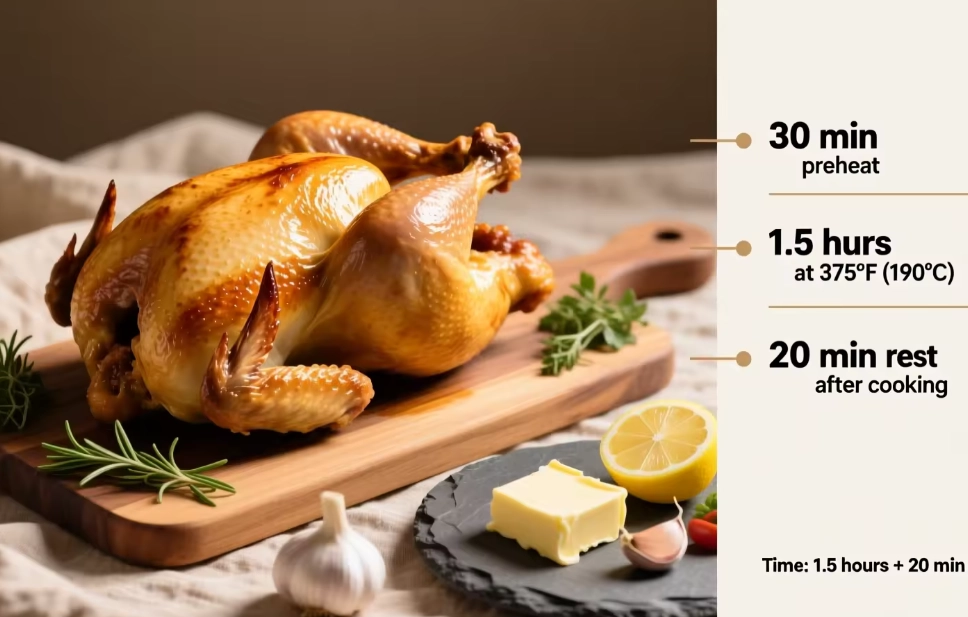
What You'll Learn In This Guide
It's Not Just Weight: The 4 Variables That Actually Determine Your Roasting Time
Ask ten people how long to roast a chicken, and you'll get ten different answers. That's because they're probably only considering one factor. Here's what really matters:
1. Oven Temperature (This is the Big One)
Most home cooks roast at 350°F (175°C). It's safe, it's standard. But it's also why chicken can be bland. A higher heat—around 425-450°F (220-230°C)—creates a phenomenal, crispy skin and juicy interior faster. The trade-off? Your margin for error shrinks. A 4-pound chicken might take 50-60 minutes at 450°F versus 75-90 minutes at 350°F. The internal temperature target remains the same, but the journey is completely different.
2. The Bird's Starting Temperature
This is the silent time-killer. Putting a cold, straight-from-the-fridge chicken into a hot oven is like asking it to run a marathon without warming up. The outside cooks fast, the inside lags behind, leading to overcooked edges. Letting your chicken sit on the counter for 45-60 minutes before roasting (pat it very dry first!) ensures more even cooking and can shave 10-15 minutes off your total roast chicken time per pound.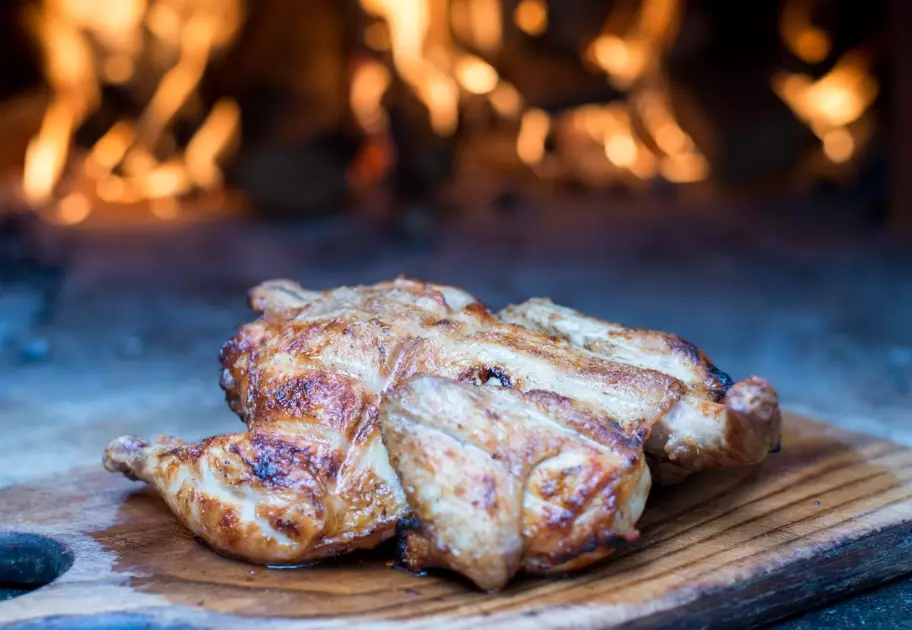
Food Safety Note: The USDA advises that perishable food should not be left out at room temperature for more than 2 hours (1 hour if the room is above 90°F). The 45-60 minute rest is within safe limits for a whole chicken that will be cooked immediately to a safe internal temperature.
3. To Stuff or Not to Stuff?
Stuffing a chicken is a tradition, but it's a major thermal obstacle. That moist bread mixture inside the cavity acts as an insulator, slowing down the heat transfer to the thickest part of the thighs. If you stuff your bird, you must add a significant amount of time—anywhere from 15 to 30 extra minutes for a standard-sized chicken—and you must ensure the stuffing itself reaches 165°F. My unpopular opinion? Roast the stuffing separately in a dish. The chicken cooks faster and more evenly, and the stuffing gets gloriously crispy edges.
4. Your Oven's "Personality"
Ovens lie. They have hot spots, they cycle on and off, and their thermostat can be off by 25 degrees or more. An oven thermometer is non-negotiable. It's the $10 tool that will improve your roasting more than any fancy pan. If your oven runs hot, your times will be shorter. If it runs cool, they'll be longer. Trust the thermometer, not the dial.
The Master Roasting Time & Temperature Chart
This chart is your starting point, assuming a room temperature, unstuffed, trussed chicken placed in a preheated oven. Remember, these are estimates. Your final judge is the internal temperature.
| Chicken Weight | Oven Temperature | Approximate Total Time | Key Internal Temp Target |
|---|---|---|---|
| 3 lbs (1.4 kg) | 450°F (230°C) | 45-55 minutes | 165°F (74°C) in thigh |
| 3 lbs (1.4 kg) | 350°F (175°C) | 70-85 minutes | 165°F (74°C) in thigh |
| 4 lbs (1.8 kg) | 450°F (230°C) | 55-65 minutes | 165°F (74°C) in thigh |
| 4 lbs (1.8 kg) | 350°F (175°C) | 80-95 minutes | 165°F (74°C) in thigh |
| 5 lbs (2.3 kg) | 425°F (220°C) | 70-85 minutes | 165°F (74°C) in thigh |
| 5 lbs (2.3 kg) | 350°F (175°C) | 95-110 minutes | 165°F (74°C) in thigh |
See how the 5-pound bird has a recommended lower temperature? That's to prevent the skin from burning before the dense meat cooks through. It's a balancing act.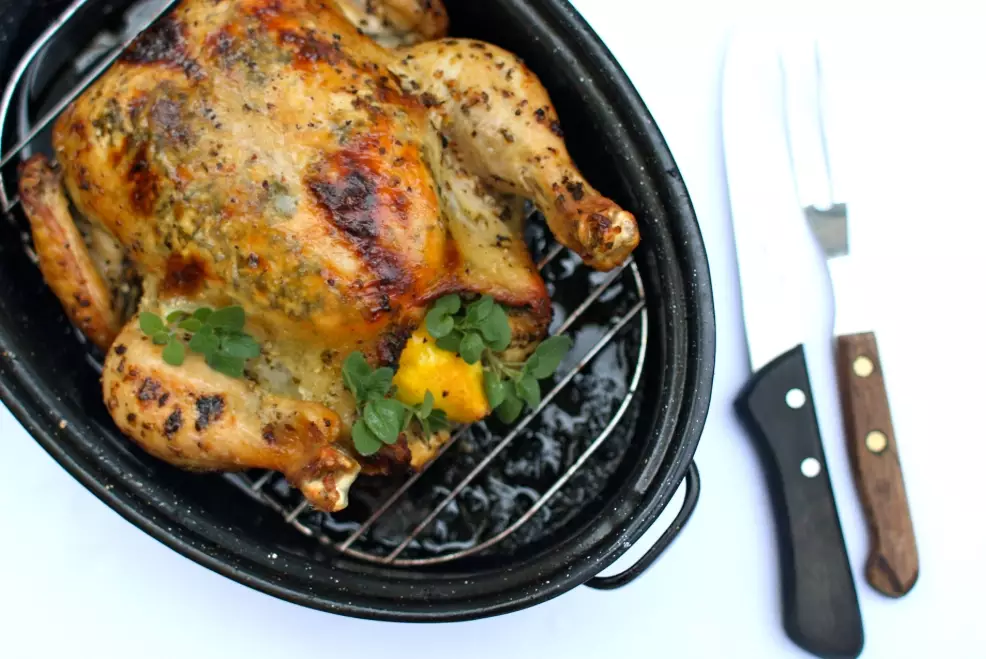
The Carryover Cooking Secret: When you pull the chicken from the oven, its internal temperature will continue to rise by 5-10°F as the residual heat moves inward. I pull my chicken when the thickest part of the thigh reads 155-160°F. By the time it rests for 15-20 minutes, it's a perfect, juicy 165°F without any risk of overcooking.
Dry Breast Meat? Avoid These Common Roasting Mistakes
I've ruined my share of chickens. Here's what I learned the hard way so you don't have to.
- Relying solely on time. A timer is a guide, not a governor. A 4-pound chicken from two different farms can have different densities. Start checking the internal temperature about 15 minutes before the chart says it should be done.
- Roasting breast-side up the whole time. The breast is lean and cooks faster than the fatty thighs and legs. For the first half to two-thirds of the cooking time, roast the chicken breast-side down. This lets the fat and juices from the back baste the breast meat. Flip it breast-side up for the final stretch to crisp the skin. It's a game-changer.
- Not trussing the bird. Trussing (tying the legs and wings close to the body) creates a compact, even shape. An untrussed chicken has legs and wings splayed out—those thin parts overcook while you wait for the body to catch up. A simple kitchen twine tie makes for more predictable roast chicken roasting times.
- Cutting into it immediately. This is the cardinal sin. Resting allows the frantic meat fibers to relax and reabsorb their juices. If you cut right away, all that liquid ends up on the cutting board, not in your mouth. 15-20 minutes under a loose foil tent is mandatory.
My Foolproof, 10-Year-Tested Roasting Process
This is the method I've settled on after a decade of tweaks. It works for a standard 4-5 pound chicken.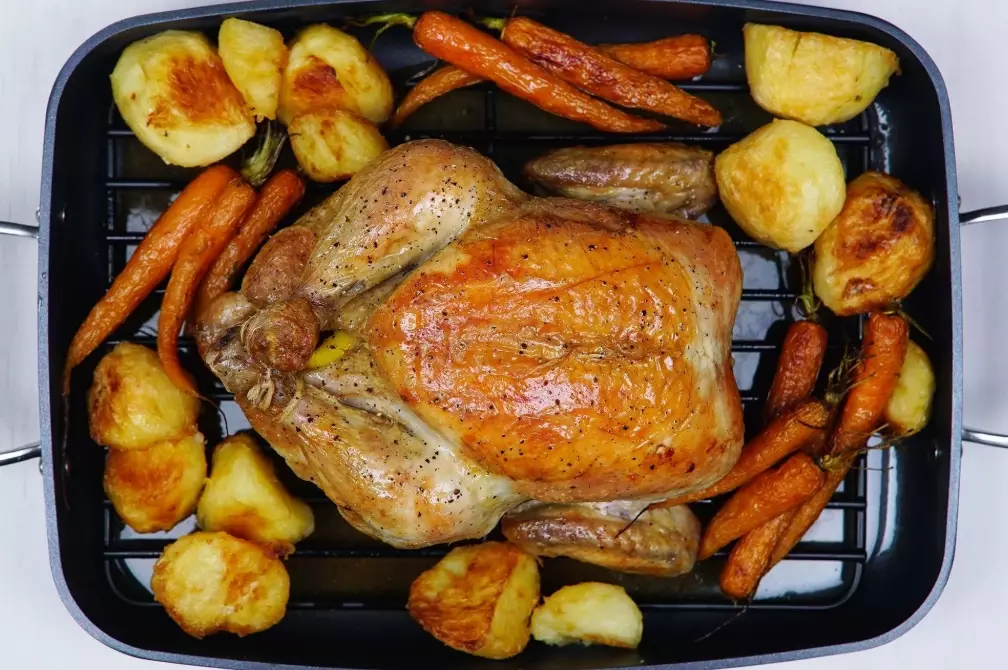
1. Prep Day (1 hour before roasting): Unwrap the chicken, remove giblets, and pat it extremely dry inside and out with paper towels. Moisture is the enemy of crisp skin. Season generously inside and out with salt and pepper. Leave it uncovered on a rack in the fridge for up to 24 hours for even better skin (dry-brining), or just let it sit on the counter for 45 minutes.
2. Heat & Position: Preheat your oven to 425°F (220°C). Place a rack in the lower-middle position. Don't roast in the center—the top of the bird will be too close to the element.
3. Truss & Oil: Truss the legs with twine. Rub the skin lightly with a neutral oil (like canola or grapeseed). This promotes even browning.
4. The Roast (Phase 1 - Breast Down): Place the chicken breast-side down in a roasting pan or oven-safe skillet. Roast for 35 minutes.
5. The Flip & Finish: Carefully flip the chicken breast-side up. The skin should already have good color. Roast for another 20-35 minutes. Start checking the internal temperature at the 20-minute mark.
6. The Temp Check: Insert an instant-read thermometer into the thickest part of the thigh, avoiding the bone. You're looking for 155-160°F. If the skin is browning too fast, tent loosely with foil.
7. The Rest: Once at temp, transfer the chicken to a cutting board, tent loosely with foil, and walk away for 15-20 minutes. This is when you make the gravy from the pan drippings.
Pro Tips You Won't Find on Most Recipe Cards
These are the little things that separate good roast chicken from great roast chicken.
Butter under the skin? It adds flavor, but it can also prevent the skin from getting truly crisp because it's a barrier. I prefer to season under the skin with just salt and herbs, and rely on the initial drying and high heat for crackling skin.
Roasting on a bed of vegetables (onions, carrots, celery) is brilliant. They elevate the drippings for gravy and keep the chicken from stewing in its own fat. Just chop them chunky so they don't burn.
If you're nervous, use a probe thermometer with an alarm. Set it for 155°F in the thigh and let the oven do the timing for you.
Convection roast? If your oven has it, use it. The circulating air promotes even browning and can reduce time by about 15%. Just reduce the temperature by 25°F from the recipe's recommendation.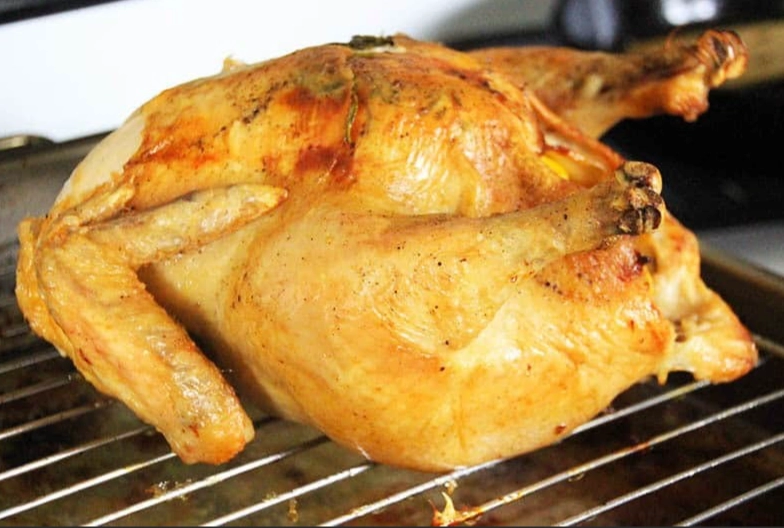
Your Roasting Questions, Answered
I keep getting dry breast meat even when the thighs are perfect. What am I doing wrong?
How do I adjust roasting times for a spatchcocked (butterflied) chicken?
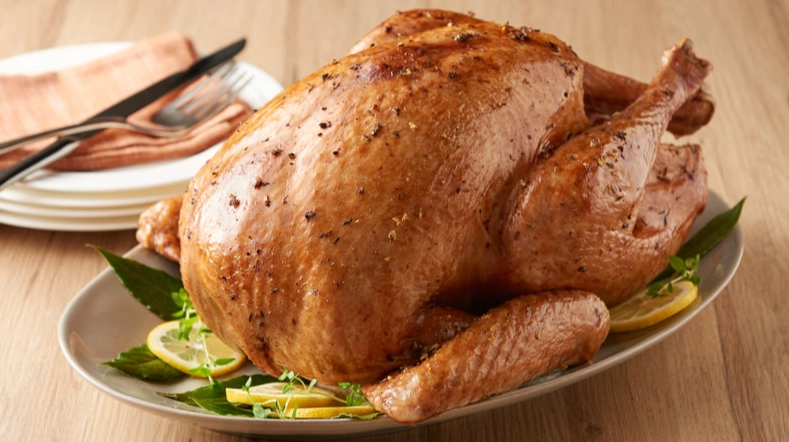 My chicken skin is always pale and rubbery, not brown and crisp. How do I fix this?
Is it safe to eat chicken when the juices run clear, or do I absolutely need a thermometer?
The bottom line is this: mastering roast chicken roasting times is about understanding the principles, not memorizing a single number. Use the chart as your roadmap, but let the thermometer be your guide. Pay attention to the variables—oven temp, starting temp, preparation. With a little practice, you'll develop an intuition for it. You'll know the sizzle, the smell, and the look of a perfectly roasted chicken. And then, the timer becomes just a suggestion.
Related Articles