How to Thaw Frozen Chicken: The Safe, Fast, and Best Methods
You've got frozen chicken and a meal to make. The clock is ticking. How do you thaw it without turning dinner into a game of food safety roulette? The safest way to thaw chicken is in the refrigerator, but when time is tight, cold water or the microwave can work if done correctly. I've cooked professionally and at home for over a decade, and I've seen all the mistakes—from the soggy, lukewarm chicken thawed on the counter to the partially cooked, rubbery edges from a microwave gone wrong. This guide will walk you through the three USDA-approved methods, explain why the common "counter thaw" is a dangerous gamble, and give you the expert-level details most guides skip.
What's Inside?
Why Thawing Chicken Correctly Matters
It's not just about convenience. Thawing frozen chicken the wrong way creates the perfect breeding ground for bacteria like Salmonella and Campylobacter. According to the U.S. Department of Agriculture's food safety guidelines, the "danger zone" for bacterial growth is between 40°F and 140°F (4°C and 60°C). When you leave a sealed bag of chicken on the kitchen counter, the outside surface can hit room temperature while the inside is still a frozen block. Those outer layers sit in the danger zone for hours.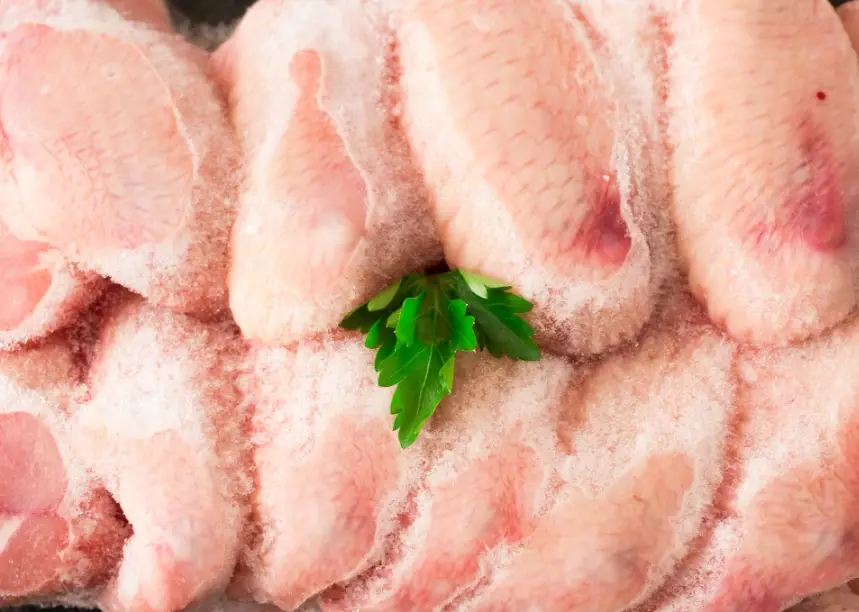
I made this mistake once early on. I left chicken breasts out all afternoon, thinking they'd be ready by dinner. They felt cool on the outside, so I figured it was fine. The meal was tense—everyone ate, but I spent the next 24 hours worried sick. Never again.
Proper thawing keeps the chicken at a safe temperature throughout the process, either below 40°F (refrigerator) or through a continuous, rapid process that doesn't allow the dangerous middle ground (cold water, microwave).
The Three Safe Ways to Thaw Your Chicken
Forget the counter. Forget the sink. Here are the only three methods recommended by food safety experts. Your choice depends on one thing: time.
| Method | Best For | Approximate Time | Key Advantage | Biggest Drawback |
|---|---|---|---|---|
| Refrigerator Thawing | Planning ahead (24+ hours) | 24 hours for breasts, 2+ days for a whole bird | Safest, best for texture and flavor | Requires significant forethought |
| Cold Water Thawing | Same-day cooking (a few hours) | 1-3 hours for breasts, 3-6 hours for a whole bird | Much faster than fridge, still safe | Requires attention (changing water) |
| Microwave Thawing | Immediate cooking (minutes) | 5-10 minutes per pound (varies widely) | Fastest option by far | Can unevenly cook edges, texture suffers |
See that "Biggest Drawback" column? That's where most people run into trouble. Let's break each method down so you can avoid those pitfalls.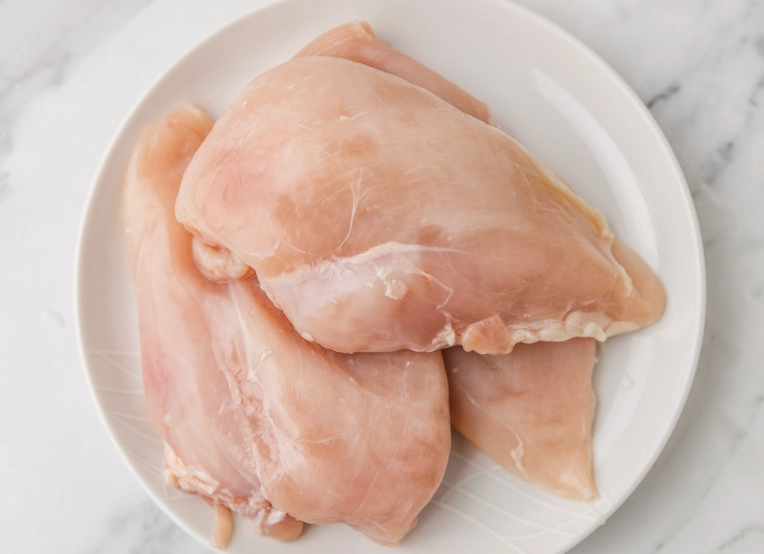
A Closer Look at Each Thawing Method
Refrigerator Thawing: The Gold Standard
This is the best way to thaw frozen chicken, period. It requires zero active effort from you and keeps the chicken at a consistently safe temperature below 40°F.
How to do it right:
- Leave the chicken in its original packaging or place it on a plate or in a container to catch any drips.
- Put it on the bottom shelf of your fridge. This prevents any potential drips from contaminating foods below.
- Let time do its work. A general rule is 24 hours for every 5 pounds. So, a package of two chicken breasts (about 1 lb) will take roughly 4-6 hours. A whole 4-pound chicken will need a full day.
Here's the expert tip most people miss: Your fridge's temperature matters. If your fridge is set too warm (above 40°F), the thawing time increases and safety decreases. Get a cheap fridge thermometer. It's a game-changer.
Once thawed in the fridge, chicken can stay there for 1-2 additional days before cooking. This flexibility is a huge plus.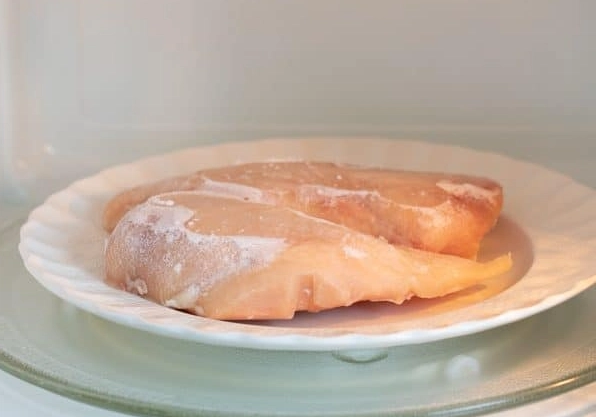
Cold Water Thawing: The Fast, Safe Compromise
You forgot to take the chicken out last night. Don't panic. The cold water method is your savior. The key is keeping the water cold, not cool. Lukewarm water is a ticket to the danger zone.
Step-by-step:
- Ensure the chicken is in a leak-proof plastic bag. Submerging the original store packaging can let water in and bacteria out. Double-bag it if you're unsure.
- Fill a large bowl, pot, or your clean sink with cold tap water.
- Submerge the bagged chicken completely.
- Change the water every 30 minutes. This is non-negotiable. The water warms up from the frozen chicken. If you don't change it, the process slows down and risk creeps up. Set a timer.
A trick I use: I put a heavy plate or bowl on top of the bag to keep it fully submerged. Chicken loves to float.
Thawing time is about 30 minutes per pound. So, a pound of chicken breasts takes about 30-60 minutes. A whole chicken will take 3 hours or more. The moment it's thawed, cook it immediately. Don't refridge it and wait.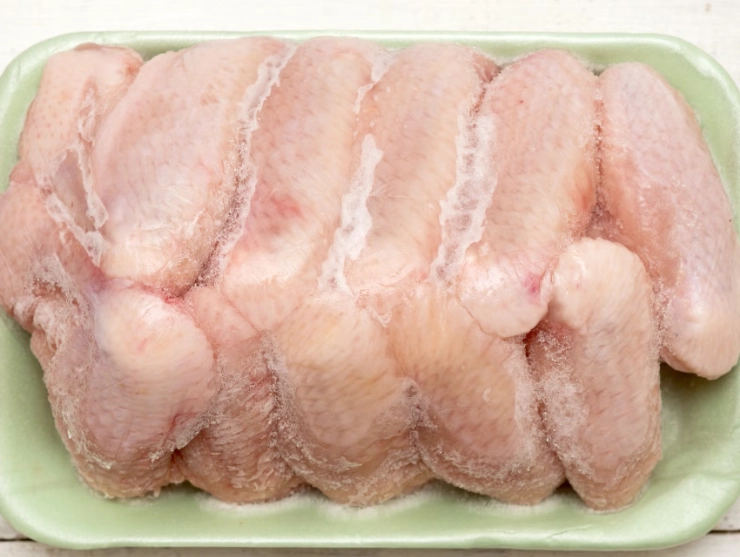
Microwave Thawing: The Last-Resort Rush Job
The microwave method is notoriously uneven and can start cooking the edges. I use it only when I have no other choice and plan to cook the chicken the second it comes out of the microwave.
Critical steps for microwave thawing:
- Remove any plastic or styrofoam packaging. Place the chicken on a microwave-safe plate.
- Use the "defrost" or low-power setting (30-50% power). Never use full power.
- Microwave in short bursts (2-3 minutes), then flip and rearrange the pieces. Check for icy spots.
- Feel for flexibility. When the chicken is pliable and no longer has hard, icy areas, it's done.
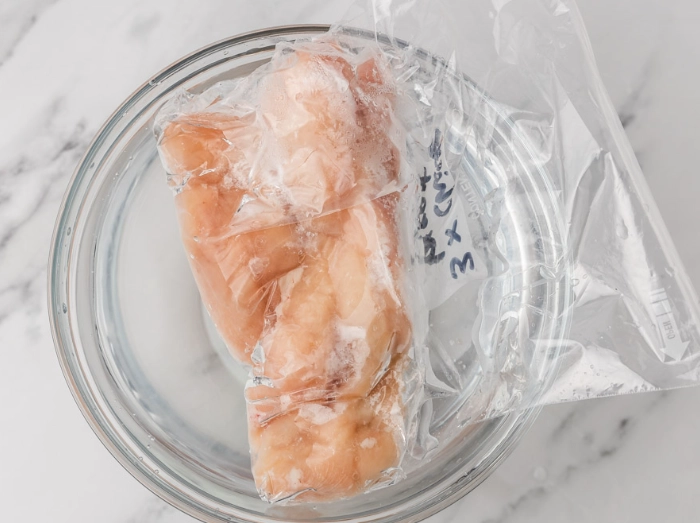
Warning: Parts of the chicken may begin to cook during microwaving. This is why you must cook it immediately after thawing. Do not delay, and do not try to refreeze it. The texture will be worse, but it's safe if cooked right away.
Thawing Mistakes You're Probably Making
Even with the right method, small errors can cause problems.
Mistake 1: Thawing in hot or warm water. It seems like it would speed things up, but it's a major food safety risk. The outer layers enter the danger zone while the inside is still frozen.
Mistake 2: Not using a container for fridge thawing. Chicken juices can drip onto other foods, causing cross-contamination. Always use a plate or tray.
Mistake 3: Assuming "thawed" means "room temperature." Chicken thawed in the fridge will still feel cold—that's fine and safe. It doesn't need to be warm to the touch before cooking.
Mistake 4: Refreezing improperly thawed chicken. This is a complex one we'll tackle in the FAQ, but the rule of thumb is: if it thawed in the fridge, you can refreeze it (though quality suffers). If it thawed in cold water or the microwave, cook it first before refreezing.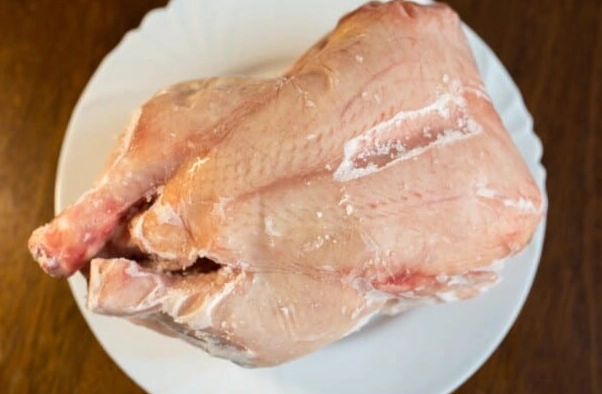
What to Do After Your Chicken is Thawed
You've successfully thawed your chicken. Now what?
Pat it dry. This is crucial for getting a good sear or crisp skin, especially if you used the water method. Use paper towels to blot the surface thoroughly.
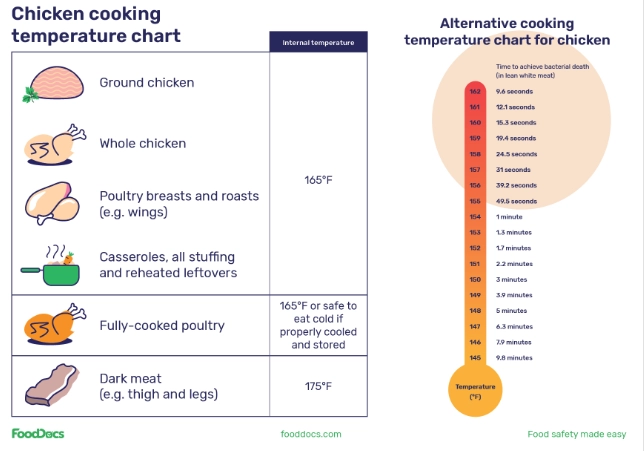
Cook it to the right temperature. The only way to be sure chicken is safe to eat is to use a meat thermometer. The USDA recommends an internal temperature of 165°F (74°C). Insert the thermometer into the thickest part, avoiding bone.
Handle with care. Wash your hands, utensils, and any surfaces that touched the raw chicken with hot, soapy water. Don't rinse the chicken in the sink—it just sprays bacteria around your kitchen.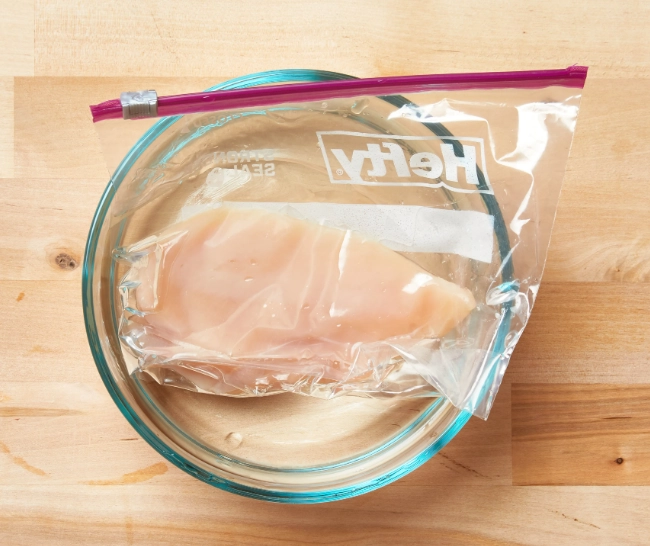
Your Thawing Questions, Answered
Thawing frozen chicken doesn't have to be stressful. Plan ahead for the fridge method when you can. Use cold water as your reliable backup. Keep the microwave as an emergency tool. Remember, the goal isn't just speed—it's safety and ending up with chicken that's still juicy and delicious on your plate. Now go save that dinner.
Related Articles