Protein in Chicken Leg Quarter: Nutrition, Cooking, and Benefits
Let's talk about the chicken leg quarter. It's the workhorse of the poultry aisle – often cheaper than breasts, packed with flavor, and a staple in countless kitchens. But if you're watching your protein intake or trying to eat healthier, you might have some questions. Is it a good source of protein? Isn't it too fatty? How does it stack up against the beloved chicken breast? I've been cooking with and analyzing poultry for years, and I can tell you, the leg quarter gets a bit of a bad rap. The truth about its protein content and overall nutritional value might surprise you.
What's Inside?
Nutritional Profile of Chicken Leg Quarter
First, let's get specific. A "leg quarter" typically refers to the drumstick and thigh still attached, often with a portion of the back. It's a larger, more complex cut than a single breast. When we talk about protein in chicken leg quarter, we need to look at the numbers from a reliable source. According to the USDA FoodData Central, here's the breakdown for a cooked, skin-on chicken leg quarter (about 200g or 7oz), though remember, weight can vary.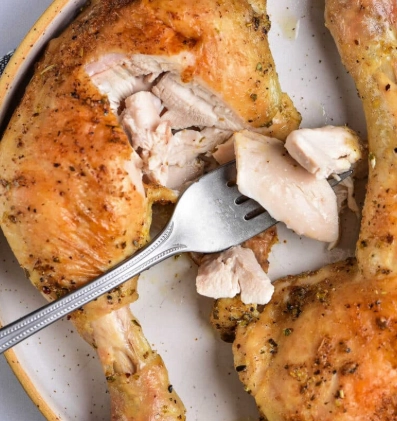
| Nutrient | Amount (Skin-On, Cooked) | Amount (Skinless, Cooked - Approx.) |
|---|---|---|
| Calories | ~475 kcal | ~340 kcal |
| Protein | ~42 grams | ~44 grams |
| Total Fat | ~32 grams | ~17 grams |
| Saturated Fat | ~9 grams | ~4.5 grams |
See that? A single leg quarter provides a massive 42-44 grams of protein. That's more than many protein shakes and meets a significant portion of the daily needs for most adults. The big variable is the skin. The skin holds most of the fat. Remove it, and the fat content drops dramatically while the protein remains high.
Here's a nuance most articles miss: the protein in dark meat (thigh and drumstick) is identical in quality to white meat. It's a complete protein, containing all nine essential amino acids your body needs. The difference isn't in the type of protein, but in the surrounding tissue – dark meat has more myoglobin (an iron-rich protein) and a slightly higher fat content within the muscle fibers, which is precisely what gives it that juicy, forgiving texture during cooking.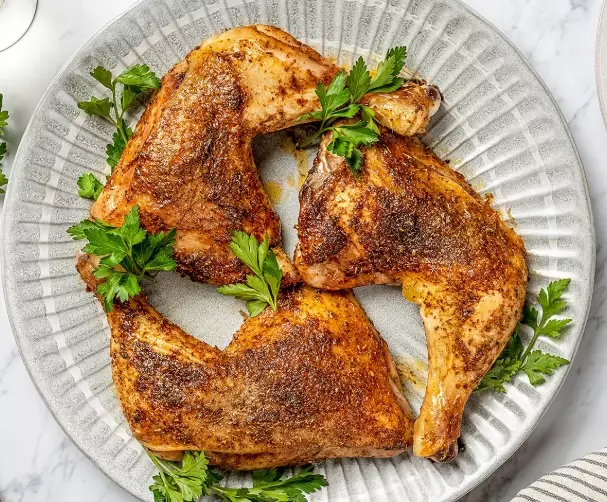
How Much Protein is in a Chicken Leg Quarter?
Per 100 grams of cooked, skinless meat from a leg quarter, you're looking at about 25-27 grams of protein. Compare that to a skinless chicken breast at about 31g per 100g. Yes, breast is leaner and has a slightly higher protein density, but the leg quarter isn't far behind, especially when you consider the cost per gram of protein. For budget-conscious eaters, the leg quarter is an incredible value.
How to Cook Chicken Leg Quarter for Maximum Protein Retention
Cooking method matters. You don't want to destroy or make that valuable protein less digestible. High, dry heat for too long can toughen proteins and cause excessive moisture loss. The goal is to cook it to a safe internal temperature (165°F or 74°C at the thickest part) while preserving juiciness.
My top method for foolproof, high-protein leg quarters: dry-brine and slow-roast.
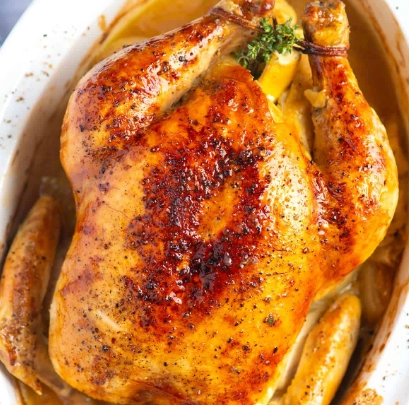
I learned this through trial and error. Salting the leg quarters generously 4-24 hours before cooking (dry-brining) helps the muscle fibers retain moisture. Then, instead of blasting them at 400°F, I start them in a 300°F (150°C) oven for 45 minutes. This gently cooks the protein without shocking it. Then, I crank the heat to 425°F (220°C) for the last 20-25 minutes to crisp the skin (if keeping it on) or to get a beautiful browned exterior. The result? Protein that's fully cooked, incredibly tender, and maximally retained.
Other excellent methods:
- Braising or Stewing: Cooking in liquid at a low simmer is fantastic. The collagen in the dark meat breaks down into gelatin, making it fall-off-the-bone tender. The protein all stays in the pot.
- Grilling: Use indirect heat. Sear over direct flame for color, then move to the cooler side to cook through slowly. This prevents charring and drying out.
One common mistake I see: people treat leg quarters like breasts and overcook them to 180°F+ "to be safe." Dark meat is more forgiving, but it can still dry out. A digital meat thermometer is your best friend. Pull it at 165°F, let it rest for 10 minutes, and the carryover heat will do the rest.
Health Benefits and Considerations
Is chicken leg quarter healthy? With the skin on and eaten frequently, it's a high-calorie, high-saturated-fat choice. But prepared smartly—skinless or with crispy skin removed after cooking—it's a nutritional powerhouse.
Beyond Protein: The Other Good Stuff
Dark meat is richer in certain micronutrients than white meat. We're talking about higher levels of iron (crucial for oxygen transport in blood), zinc (supports immune function), and B vitamins like B12 and riboflavin (essential for energy metabolism). It also contains more collagen, which supports joint and skin health. So, you're not just getting protein; you're getting a broader nutrient profile.
The fat content, often vilified, isn't all bad. It includes monounsaturated fats. And let's be real—the fat is what makes it taste so good and keeps you satiated longer. For active individuals or those not on an extremely low-fat diet, a skinless leg quarter fits perfectly into a balanced diet.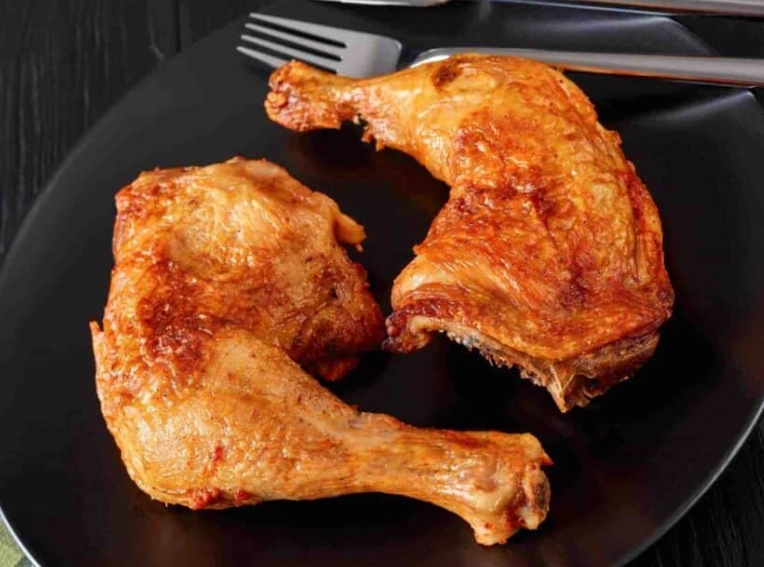
Is Chicken Leg Quarter Healthy?
Context is everything. For someone on a strict, low-fat, bodybuilding cut, skinless breast might be the daily choice. For the average person looking for affordable, high-quality protein that's satisfying and nutrient-dense, a skinless chicken leg quarter is an exceptionally healthy option. It beats processed meats and many other protein sources hands down.
High-Protein Chicken Leg Quarter Recipe Ideas
Let's move from theory to practice. Here are two simple, high-protein frameworks. These are templates—add your favorite herbs and spices.
1. The "Set It and Forget It" Sheet Pan Protein Feast
Pat 4 skin-on leg quarters dry. Rub with olive oil, salt, pepper, smoked paprika, and garlic powder. Arrange on a sheet pan surrounded by hearty veggies: broccoli florets, chunked sweet potatoes, and onion wedges. Drizzle veggies with a little oil and season. Roast at 400°F (200°C) for 45-55 minutes until chicken is 165°F. You can eat the crispy skin or remove it. The veggies soak up the juices. One quarter with a heap of veggies makes a complete, high-protein, high-fiber meal.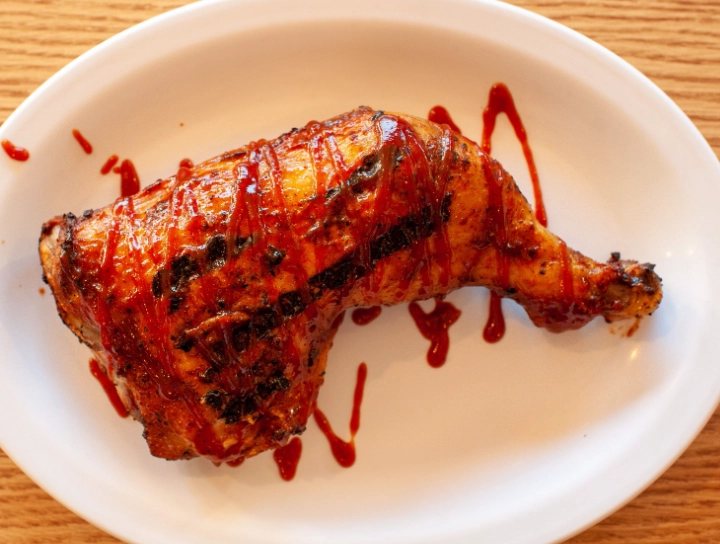
2. Tangy, Protein-Packed Braised Quarters
This is my go-to for meal prep. Season 4 leg quarters (skinless or skin-on). Brown them in a Dutch oven. Remove. Sauté onions and garlic. Add 2 cups of chicken broth, a big splash of apple cider vinegar, a tablespoon of whole-grain mustard, and a bay leaf. Return chicken, bring to a simmer, cover, and cook on low heat for 1 hour. The meat will be ultra-tender. Serve over brown rice or quinoa, spooning the reduced, flavorful sauce over everything. The slow cooking makes the protein incredibly easy to digest.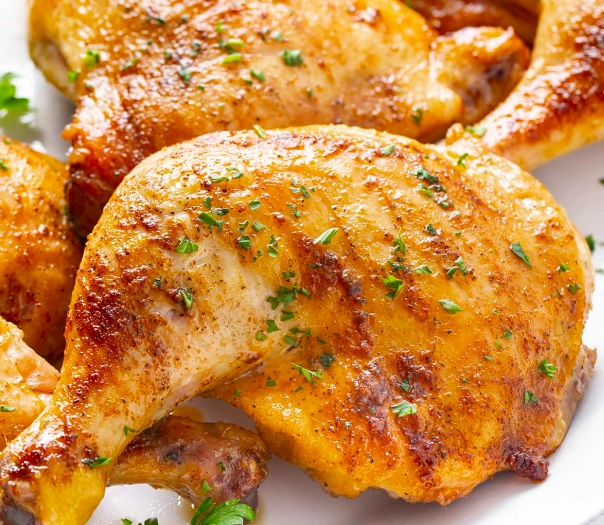
Your Chicken Leg Quarter Questions Answered
Related Articles