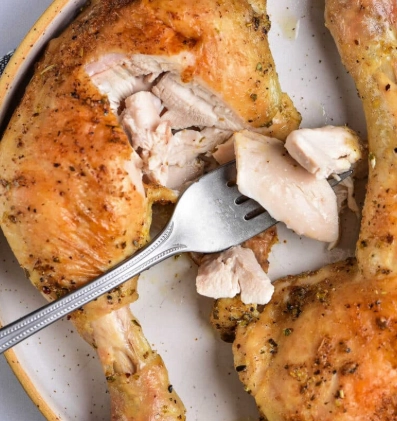
Is Chicken Thigh Dark Meat? The Complete Guide
Let's cut straight to the chase. Yes, the chicken thigh is unequivocally dark meat. If you've ever bitten into a chicken thigh and noticed its deep, rich flavor and incredibly juicy texture compared to, say, a chicken breast, you've experienced the hallmark of dark meat firsthand. But that juicy bite is just the beginning of the story. The real question isn't just "is it dark meat?" but "what does that actually mean for how I cook, eat, and think about my food?"
For years, I bought into the idea that chicken breast was the only "healthy" option. My meals were dry, my seasoning never seemed to stick, and dinner felt like a chore. It wasn't until I started grilling chicken thighs for a backyard party—desperate for something that wouldn't dry out—that I had a revelation. The difference wasn't just taste; it was a fundamental misunderstanding of chicken anatomy and nutrition. This guide is what I wish I'd known back then.
What's Inside: Your Quick Navigation
The Simple Science: Why Chicken Thighs Are Dark Meat
It all boils down to one word: myoglobin. Myoglobin is a protein in muscle tissue that stores oxygen. Muscles that are used more frequently and for sustained activity—like the legs and thighs of a chicken, which are constantly supporting its weight and walking—require a more constant supply of oxygen. Myoglobin is dark red, and that's what gives the meat its characteristic darker hue.
Think of it this way. A chicken's breast (the white meat) is like the sprinter—used in short, explosive bursts (flapping wings). It relies on a different, quicker energy system and has less myoglobin. The thigh and leg (the dark meat) are the marathon runners, built for endurance, packed with myoglobin to fuel that steady work.
Key Takeaway: Dark meat isn't a different kind of chicken. It's the same chicken, just a different muscle with a different job. The higher myoglobin content means more iron, more flavor compounds, and more fat marbling within the muscle fibers. That's the magic trio behind why dark meat is so forgiving and delicious.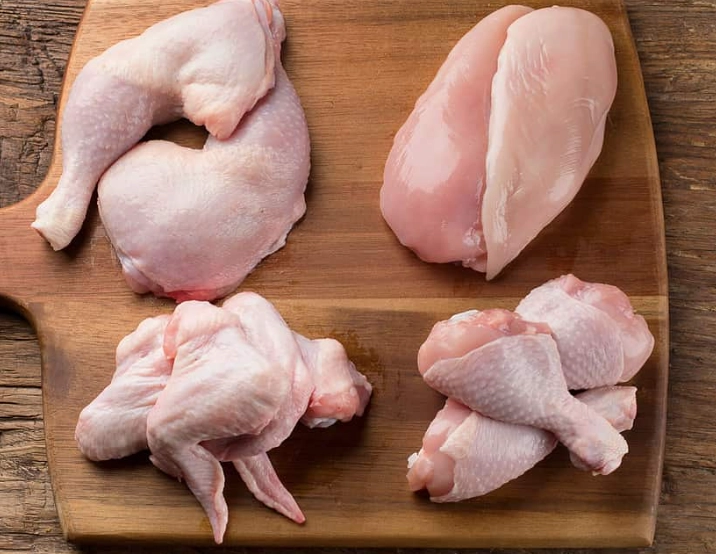
Chicken Thigh vs. Breast: A Side-by-Side Look
Calling one "better" is pointless. They're tools for different jobs. Here’s a breakdown based on data from the USDA and culinary experience.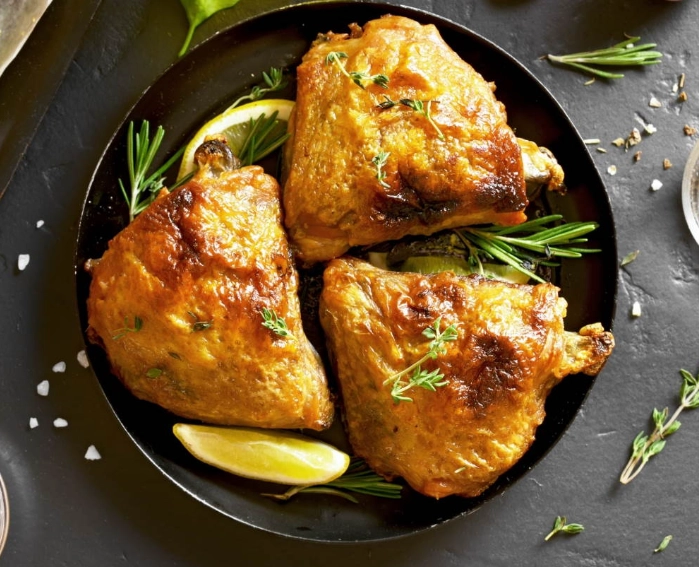
| Characteristic | Chicken Thigh (Dark Meat, Skinless) | Chicken Breast (White Meat, Skinless) |
|---|---|---|
| Primary Flavor | Rich, deeply savory, "chicken-y" | Mild, clean, subtle |
| Texture When Cooked | Juicy, tender, moist even if slightly overcooked | Can become dry, stringy, and tough if overcooked |
| Fat Content (per 100g) | ~9-10 grams | ~3 grams |
| Protein Content (per 100g) | ~20 grams | ~31 grams |
| Iron Content | Higher (thanks to myoglobin) | Lower |
| Best Cooking Methods | Braising, roasting, grilling, frying, slow-cooking | Quick searing, poaching, baking (with careful temp control) |
| Forgiveness Factor | High – hard to ruin | Low – requires precision |
Notice the trade-off. The thigh's slightly higher fat content is the direct reason for its superior moisture and flavor. That fat renders during cooking, basting the meat from the inside. The breast, being leaner, has no such safety net. This isn't about good vs. bad; it's about choosing the right ingredient for your goal.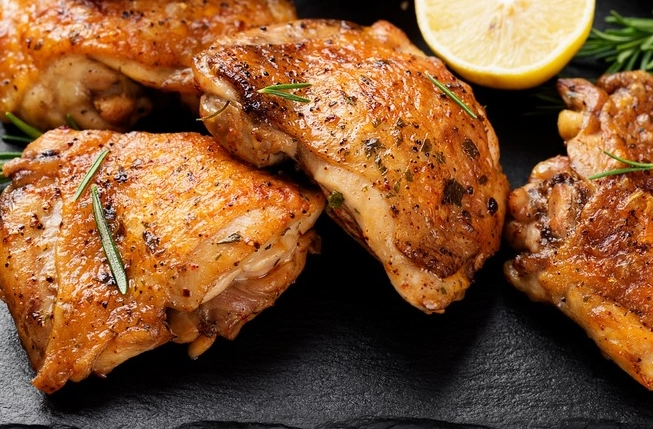
How to Cook Chicken Thighs Perfectly: Moving Beyond Fear
Here’s where most online advice falls short. They tell you to cook to 165°F (74°C) and stop. That's the USDA safe temperature, but for dark meat, it's often a missed opportunity. The connective tissue (collagen) in thighs starts breaking down into gelatin around 160°F and continues to do so beautifully up to 180-195°F. This is the secret to fall-off-the-bone tenderness you get in stews.
The Bone-In, Skin-On Advantage
If you want maximum flavor and juiciness, buy bone-in, skin-on thighs. The bone acts as a heat conductor, cooking the meat more evenly from the inside. The skin? It's nature's perfect crispy wrapper. Render the fat slowly, and you get a crackling crust that protects the juicy meat underneath. You can always remove the skin after cooking if you're watching calories, but you'll have already benefited from its protective cooking magic.
A Foolproof Method for Crispy Skinned Thighs
I use this weekly. Pat thighs very dry. Season aggressively under the skin and on the flesh. Place them skin-side down in a cold oven-safe skillet. Turn the heat to medium. Let the fat render and the skin crisp for 12-15 minutes without moving them. Flip, then transfer the whole skillet to a 400°F (200°C) oven for 10-15 minutes to finish. The result? Crisp skin, perfectly cooked meat, no splatter, and pan drippings for gravy.
The Health & Nutrition Debate: Is Dark Meat Healthy?
This is the biggest misconception. Chicken thigh dark meat is not unhealthy. It's different. Let's reframe it.
Yes, a skinless thigh has more fat than a skinless breast—about 6-7 extra grams per serving. But much of this is unsaturated fat. It also has more iron and zinc. The slightly higher calorie count comes with a much bigger satiety payoff because of the fat and flavor. You're likely to feel more satisfied and eat a reasonable portion.
The real villain, if we're labeling one, is often the preparation. Smothering any piece of chicken in creamy sauce or deep-frying it changes the health equation more than the cut itself. A grilled or roasted skinless thigh is a fantastic part of a balanced diet.
My Personal Rule: I choose thighs for flavor-centric meals where satisfaction is key (weeknight dinners, grilling). I choose breasts when I need a very lean, high-protein canvas for bold sauces or salads in a specific diet phase. Both have a place.
Your Chicken Thigh Questions Answered (FAQ)
So, is the chicken thigh dark meat? Unquestionably. But more importantly, it's a versatile, flavorful, and nutritious choice that deserves a permanent spot in your kitchen. Stop fearing the fat and start embracing the juiciness. Your dinners will thank you.
Related Articles