Ground Chicken Nutrition: A Complete Guide to Calories, Protein & Health Benefits
You see it in the meat aisle, often sitting right next to the ground beef and turkey. Ground chicken. It promises to be a leaner, healthier option. But what are you actually getting? Let's cut through the noise and look at the actual numbers, the real benefits, and the practical stuff—like how to stop it from turning into a dry, bland hockey puck on your grill.
What's Inside This Guide
What Is Ground Chicken? A Nutritional Breakdown
Ground chicken is simply chicken meat that's been run through a grinder. Sounds straightforward, right? Here's the catch: the label rarely tells you which part of the chicken was used. That one detail changes everything.
Most generic "ground chicken" is a mix of dark and light meat, often including skin. This gives you a middle-of-the-road product. But you can also find specific types:
- Ground Chicken Breast: Made from 100% breast meat. This is the leanest option.
- Ground Chicken Thigh: Made from darker thigh meat. Higher in fat, but also richer in flavor and more forgiving during cooking.
- Ground Chicken (Skinless): A better choice if you can find it, as it removes a significant amount of saturated fat.
To get a clear picture, let's look at the standard nutritional data for a 100-gram (about 3.5 oz) cooked serving of plain, 93% lean/7% fat ground chicken, based on data from the USDA's FoodData Central.
| Nutrient | Amount | % Daily Value* |
|---|---|---|
| Calories | 189 | - |
| Protein | 23.3g | 47% |
| Total Fat | 10.4g | 13% |
| Saturated Fat | 2.9g | 15% |
| Cholesterol | 107mg | 36% |
| Sodium | 82mg | 4% |
| Niacin (B3) | 9.7mg | 61% |
| Selenium | 24.8mcg | 45% |
| Vitamin B6 | 0.6mg | 35% |
*Based on a 2,000 calorie diet.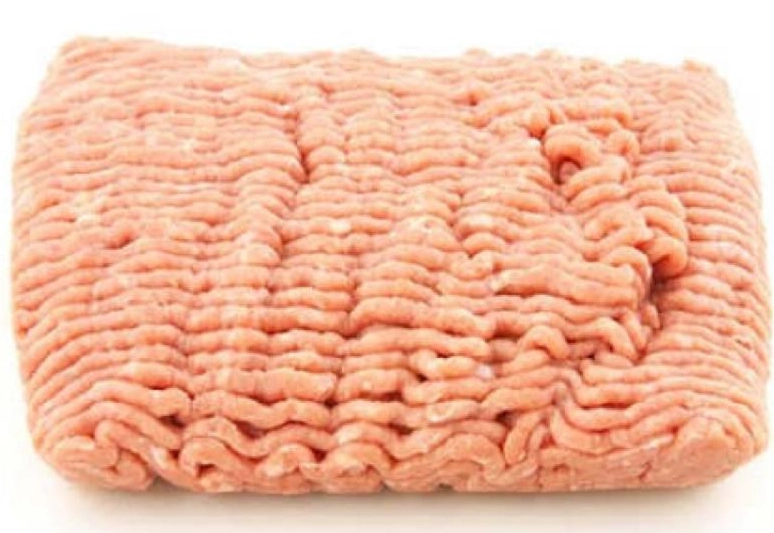
The protein content is the star here. Over 23 grams in a modest serving is substantial. It's a complete protein, meaning it has all nine essential amino acids your body needs to build and repair tissue.
But is the fat content something to worry about? Not necessarily. Only about a third of that total fat is saturated. The rest is a mix of monounsaturated and polyunsaturated fats, which are considered healthier fats. The cholesterol level is notable, but current dietary guidelines from sources like the American Heart Association emphasize that for most people, saturated fat intake has a bigger impact on blood cholesterol than dietary cholesterol itself.
The Skinny on Skin: Why It Matters
Here's that expert tip you won't see everywhere: if the package doesn't say "skinless," assume there's skin in the grind. Chicken skin is almost pure fat. Just a little bit dramatically increases the calorie and saturated fat count of your ground chicken. I learned this the hard way years ago when I was meticulously tracking macros—my homemade burgers had wildly different numbers than the store-bought version. The solution? Look for "skinless" on the label, or better yet, make your own by grinding skinless chicken breasts or thighs at home. You have total control.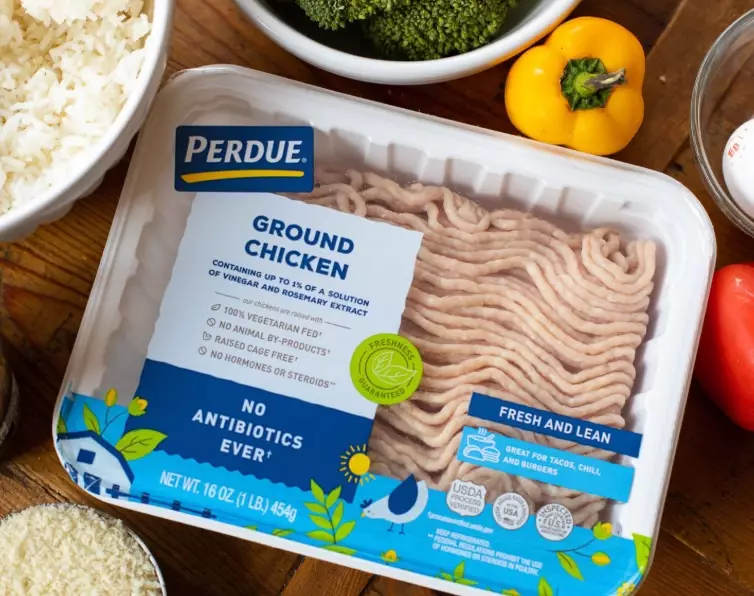
How Does Ground Chicken Compare to Other Ground Meats?
This is where ground chicken really shines for many people. Let's put it side-by-side with other common choices (all values per 100g cooked, 93% lean where applicable).
| Meat Type | Calories | Protein | Total Fat | Saturated Fat |
|---|---|---|---|---|
| Ground Chicken (93/7) | 189 | 23.3g | 10.4g | 2.9g |
| Ground Turkey (93/7) | 176 | 23.7g | 8.3g | 2.2g |
| Ground Beef (93/7) | 192 | 25.9g | 9.3g | 3.6g |
| Ground Pork (90/10) | 241 | 23.7g | 15.4g | 5.6g |
Look at that saturated fat column. Ground chicken sits comfortably between the very lean turkey and beef. It has about 20% less saturated fat than the same leanness of ground beef. For someone watching their heart health, that's a meaningful swap.
Now, ground turkey (especially breast) often wins on pure leanness. But here's a non-consensus opinion: ground chicken often has a milder, less "gamey" flavor than ground turkey, which makes it a more seamless substitute in recipes designed for beef, like meatloaf, chili, or stuffed peppers. It's a transition food that people actually enjoy eating.
The protein across all these is remarkably similar. You're not sacrificing muscle-building power by choosing chicken.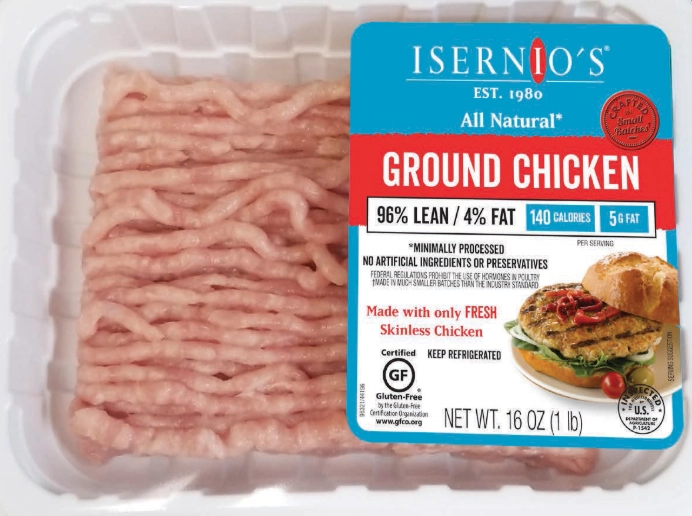
The Health Benefits of Choosing Ground Chicken
Beyond the numbers, what does choosing ground chicken actually do for you?
It's a powerhouse of lean protein. That 23+ grams helps keep you full for hours, stabilizes blood sugar, and provides the raw materials for maintaining muscle mass—crucial whether you're active, aging, or trying to lose weight. A high-protein diet can boost metabolism and reduce cravings.
It supports metabolic health. Thanks to its B-vitamin profile, particularly Niacin (B3) and B6. Niacin is vital for converting food into usable energy and maintaining healthy skin and nerves. B6 is involved in over 100 enzyme reactions in the body, mostly related to protein metabolism and cognitive development.
It's a great source of selenium. This is an underrated micronutrient. Selenium is a potent antioxidant that helps protect your cells from damage. It also plays a key role in thyroid hormone metabolism and immune function. Many people don't get enough.
Versatility leads to consistency. This is a psychological benefit, but a real one. Because ground chicken can be used in so many ways—burgers, meatballs, lettuce wraps, sauces—it's easier to incorporate into a regular healthy eating pattern without getting bored. Diet sustainability matters more than any single superfood.
Personal Take: I've found that for clients who are burnt out on chicken breasts, switching to well-seasoned ground chicken patties or a flavorful chicken Bologn sauce feels like a treat, not a diet restriction. That's a win for long-term health.
How to Select and Use Ground Chicken for Maximum Health
Buying it is step one. Doing something good with it is step two.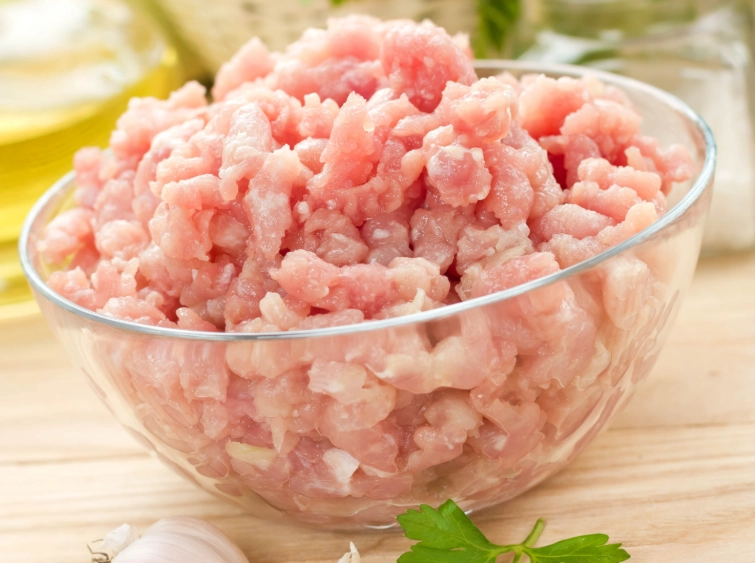
At the Store: Decoding the Label
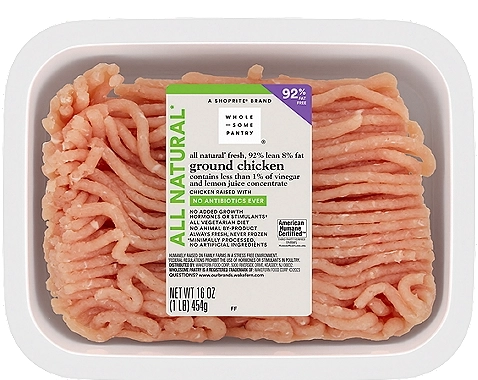
Don't just grab the first package. Look for these keywords, in order of preference:
- "Ground Chicken Breast, Skinless" - The gold standard for leanness.
- "Ground Chicken, 99% Lean" or "97% Lean" - The lean-to-fat ratio is clearly stated.
- "Ground Chicken, Skinless" - A good general-purpose choice.
Avoid packages with a lot of liquid pooling (indicates lower quality or older meat) and always check the "sell by" date. I'm always wary of pre-seasoned varieties—they're often loaded with sodium and sugar, negating the health benefits.
Cooking It Right: The Moisture Secret
The biggest complaint about ground chicken is dryness. Here’s how to fix it:
- Don't overcook it. Use a meat thermometer. Cook it to 165°F (74°C) and immediately remove it from the heat. Going beyond that sucks out all the moisture.
- Add internal moisture. When making burgers or meatballs, mix in grated vegetables (zucchini, onion), a splash of broth, a tablespoon of olive oil, or even a little plain Greek yogurt into the meat mixture before cooking.
- Use a pan sauce. After sautéing ground chicken for tacos or pasta sauce, deglaze the pan with a little chicken broth, lemon juice, or tomato sauce to create a flavorful coating.
Recipe Ideas Beyond the Burger
Think of it as a blank canvas:
- Asian Lettuce Wraps: Sauté with ginger, garlic, water chestnuts, and a sauce of tamari, rice vinegar, and a touch of honey. Serve in butter lettuce cups.
- "Unstuffed" Pepper Skillet: Brown the chicken, add diced bell peppers, onions, cooked quinoa, canned tomatoes, and Italian seasoning. Simmer until tender.
- Greek Chicken Meatballs: Mix with minced onion, garlic, oregano, lemon zest, and a little feta. Bake and serve with tzatziki.
Common Ground Chicken Mistakes and How to Avoid Them
After cooking with this for a decade, I've seen the same pitfalls trip people up.
Mistake 1: Assuming all ground chicken is created equal. We covered this. A package of ground thigh is nutritionally different from ground breast. Know what you're buying.
Mistake 2: Treating it like ground beef in cooking time. It cooks faster than beef because it's leaner. If you leave it on the same time, it will be dry. Reduce heat and cooking time slightly.
Mistake 3: Forgetting about sodium in pre-made products. Some pre-formed chicken burgers or seasoned crumbles can have 400-500mg of sodium per serving. That's a quarter of your daily limit in one patty. Always check.
Mistake 4: Only using it for savory dishes. A weird but brilliant tip: a small amount of finely ground chicken breast can be used in some East Asian dumpling fillings paired with ginger and scallions for a incredibly light texture. Don't limit your imagination.
Your Ground Chicken Questions, Answered
So, there you have it. Ground chicken isn't just a bland alternative. It's a versatile, nutrient-dense protein source that, when chosen wisely and cooked with a little know-how, can be a cornerstone of a healthy and satisfying diet. Don't be afraid to experiment with it. Your next favorite weeknight dinner might just be a pack of ground chicken away.
Related Articles