The Ultimate Guide to Buttermilk Fried Chicken: Secrets for Perfect Crispy Chicken
Quick Guide
Let's be honest. We've all had bad fried chicken. You know the kind – the crust slides right off like it's wearing a raincoat it doesn't like, the meat inside is drier than a lecture on tax law, and the only flavor comes from the salt you desperately shake over it afterwards. It's a disappointment that can make you swear off frying anything ever again.
But then you have that one perfect bite. The crust shatters with an audible crackle, giving way to steaming, impossibly juicy, flavorful meat that makes you close your eyes for a second. That's the magic of buttermilk fried chicken done right. It's not just food; it's an experience. And the crazy thing? Making it at home isn't some guarded restaurant secret. It's a series of simple, understandable steps that anyone can master. This guide is here to walk you through every single one of them, from why the buttermilk is non-negotiable to getting that fry just right.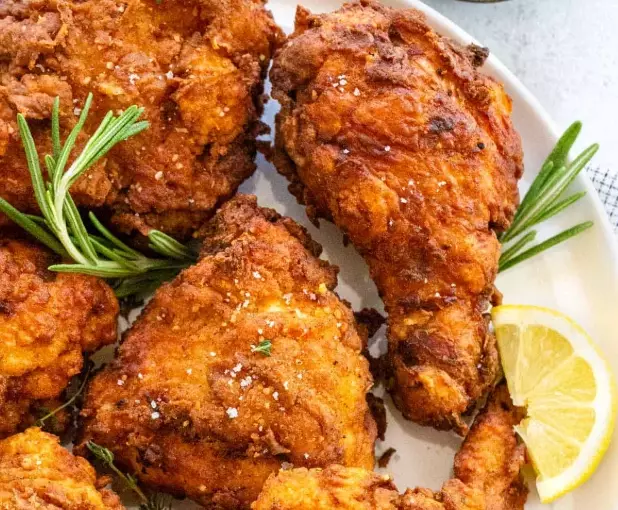
Why Buttermilk is the Non-Negotiable Hero
You'll see recipes online that suggest shortcuts – using milk, yogurt, or even just brine. Trust me, I've tried them in moments of laziness. The results are never the same. Buttermilk fried chicken is a classic for a reason that goes way beyond tradition. It's pure kitchen science working in your favor.
The Chemistry of Tenderness
Buttermilk is slightly acidic. This mild acidity works wonders on chicken. It gently breaks down the tough protein structures in the meat without “cooking” it like a strong acid would. Think of it as a relaxing spa treatment for your chicken pieces. The proteins unwind, allowing them to retain more moisture during the violent heat of frying. The result? Chicken that stays juicy even if you accidentally let it go a minute too long. The lactic acid also helps the flavor penetrate deeper than a simple saltwater brine ever could.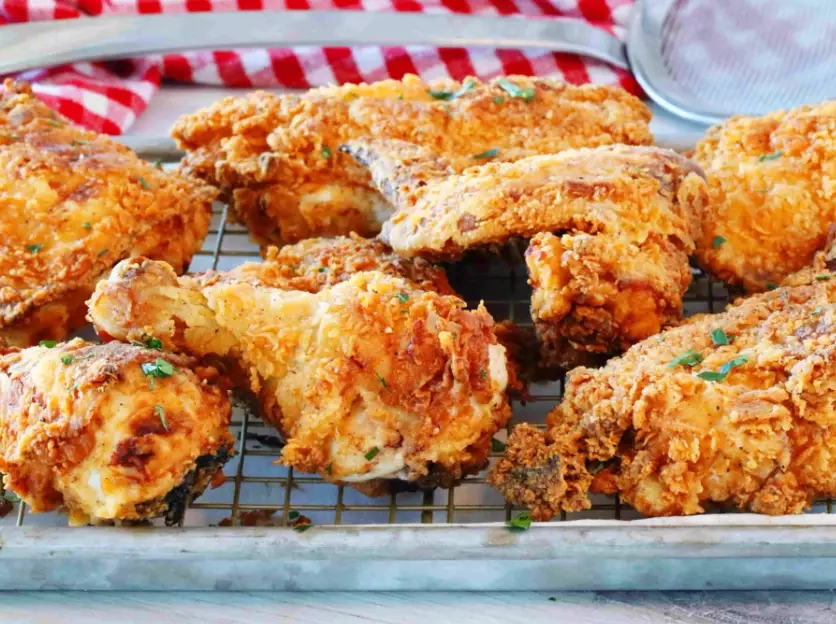
Flavor and the All-Important “Grip”
Buttermilk has a distinct, subtle tang. It’s not overpowering, but it adds a background note that balances the richness of the fried crust beautifully. Plain chicken tastes like, well, chicken. Buttermilk-marinated chicken tastes like something special.
Here’s the practical magic trick. The thick, slightly sticky consistency of buttermilk acts like the world's best edible glue. When you dredge your wet, buttermilk-soaked chicken in seasoned flour, it creates a craggy, lumpy, imperfect coating. Those little lumps and shaggy bits are your golden ticket. They fry up into the most incredible nooks and crannies of crispiness. A smooth coating gives you a smooth, often hard, shell. A shaggy buttermilk coating gives you a crust with serious texture.
The Anatomy of Perfect Fried Chicken
Great buttermilk fried chicken isn't one thing; it's the sum of several critical parts working in harmony. Mess up one, and the whole thing suffers. Let's break down each component.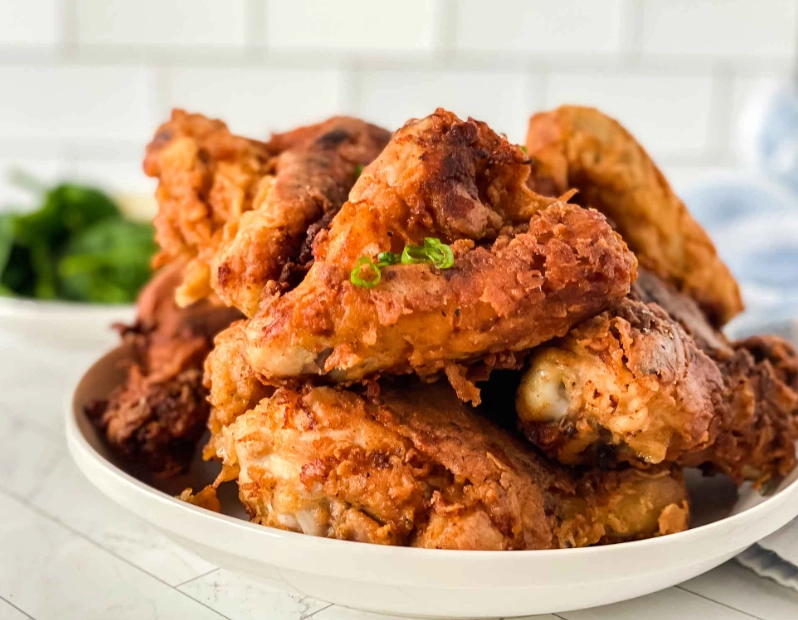
The Chicken: Cut, Choice, and Temperature
You can use boneless, skinless thighs for a quick meal, and they'll be delicious. But for the iconic, soul-satisfying experience, you want bone-in, skin-on pieces. The bone acts as a heat conductor, cooking the meat from the inside more evenly and adding immense flavor. The skin fries up into an incredible, crispy layer. A whole cut-up chicken is my go-to – you get a mix of white and dark meat, and everyone can pick their favorite piece.
Always, always let your marinated chicken sit out on the counter for about 30 minutes before frying. Taking the chill off ensures it fries evenly and doesn't shock your hot oil.
The Marinade: It's More Than Just Buttermilk
Your buttermilk bath is a flavor opportunity. Don't just pour plain buttermilk over the chicken. This is your seasoning base camp.
- Salt: Be generous. This is your main chance to season the meat itself.
- Hot Sauce: A few dashes of a vinegar-based hot sauce like Frank's RedHot or Crystal doesn't just add heat; it adds a beautiful tangy layer.
- Garlic & Onion Powder: These dissolve perfectly into the marinade and permeate the meat.
- Paprika: Smoked or sweet, it adds a subtle depth and color.
- A Secret Weapon: A teaspoon of pickle brine. Seriously. It adds a mysterious, craveable zing that people can't quite place.
How long is long enough? A minimum of 4 hours. Overnight is ideal. The difference between a 2-hour soak and a 12-hour soak in buttermilk is the difference between good chicken and “where have you been all my life” chicken.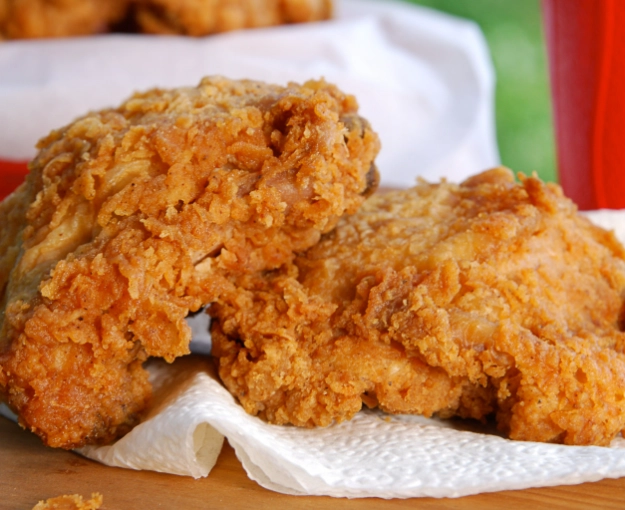
The Seasoned Flour: Building Flavor Layers
Your flour dredge is not just a vehicle for crispiness; it's your second major layer of seasoning. Salt and pepper are essential, but consider this your spice playground. The classics are garlic powder, onion powder, paprika (again), and a bit of cayenne for warmth. Some people swear by a pinch of dried thyme or oregano. I sometimes add a little cornstarch (about 1/4 cup to 2 cups of flour) – it promotes a slightly lighter, crispier texture.
Here’s a critical technique: After your initial dredge, let the chicken sit on a rack for about 10 minutes. This lets the coating set up and hydrate slightly from the buttermilk, creating a sturdier layer that's less likely to fall off in the fryer.
The Fry: Oil, Temperature, and Peace of Mind
This is where panic sets in for most home cooks. It doesn't have to.
Oil Choice: You need an oil with a high smoke point. My top choices are peanut oil (imparts a faint, nutty flavor loved in the South) or refined avocado oil. Vegetable or canola oil work perfectly fine too. Avoid olive oil (except light olive oil in a pinch) – its smoke point is too low.
| Oil Type | Smoke Point (°F) | Best For | Flavor Note |
|---|---|---|---|
| Peanut Oil | 450°F | Deep frying, high-heat searing | Neutral to slightly nutty |
| Refined Avocado Oil | 520°F | Excellent all-around high-heat oil | Very neutral |
| Canola/Vegetable Oil | 400°F | Budget-friendly reliable frying | Neutral |
| Light Olive Oil | 465°F | Okay for frying if it's all you have | Mild olive flavor |
Temperature is King: You must use a thermometer. A deep-fry/candy thermometer is a $15 investment that will save you from culinary heartbreak. The ideal temperature for frying chicken is between 325°F and 350°F (163°C - 177°C). Why the range? You start at 350°F to get a quick, aggressive sear that sets the crust. As you add cold chicken, the temp will drop. You try to maintain it around 325-335°F for the majority of the cooking time. If the oil is too cool, the chicken absorbs oil and becomes greasy. If it's too hot, the outside burns before the inside cooks through.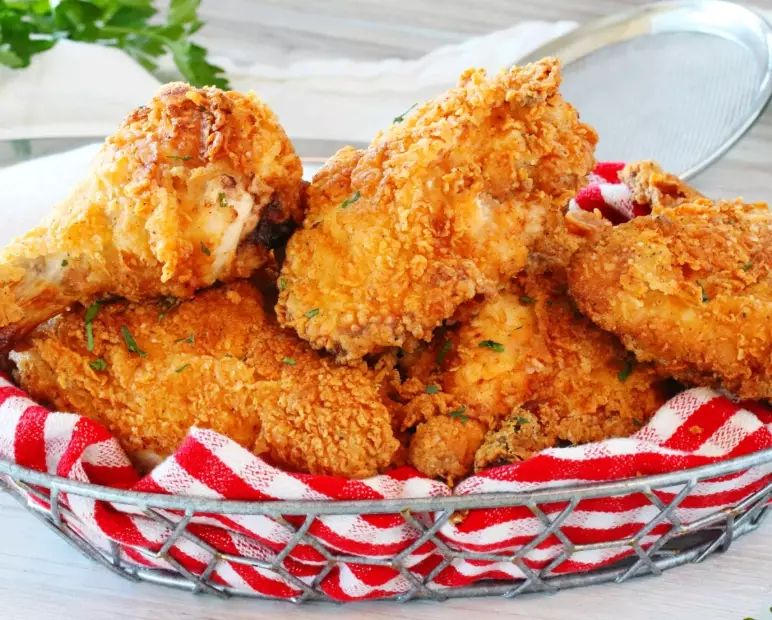
The Step-by-Step Guide to Frying Perfection
Okay, theory is over. Let's get our hands dirty (figuratively, please wash them).
Step 1: The Long Embrace (Marinating)
In a large bowl, whisk together 2 cups of buttermilk, 2 tablespoons of salt, 1 tablespoon of hot sauce, 2 teaspoons each of garlic powder and onion powder, and 1 teaspoon of paprika. Submerge your chicken pieces (about 3-4 lbs), cover, and refrigerate. Overnight is the goal. 4 hours is the bare minimum. This patience is your first secret weapon for amazing buttermilk fried chicken.
Step 2: The Flavorful Armor (Dredging)
In a large, shallow dish (a brownie pan works great), mix 3 cups of all-purpose flour, 2 tablespoons of salt, 1 tablespoon of black pepper, and your other chosen spices (2 tsp garlic powder, 2 tsp paprika, 1/2 tsp cayenne is a solid base). Take one piece of chicken from the buttermilk, let the excess drip off, and dredge it thoroughly in the flour. Press it in, get it coated. Shake off the excess and place it on a wire rack set over a baking sheet. Repeat with all pieces. Let them sit for 10 minutes. Then, and this is key, give each piece a second quick dunk in the buttermilk and a second, lighter dredge in the flour. This double-dredge is what builds that epic, craggy, shaggy crust.
Step 3: The Main Event (Frying)
Heat 2-3 inches of oil in your heavy pot to 350°F. Carefully lower in 3-4 pieces of chicken at a time. Don't crowd the pot! The temperature will drop to around 320°F. Adjust your burner to keep it between 325°F and 335°F. Fry dark meat (thighs, legs) for 12-14 minutes, and white meat (breasts, wings) for 10-12 minutes. The chicken is done when it's a deep golden brown and the internal temperature reaches 165°F for white meat and 175°F for dark meat (yes, dark meat benefits from a slightly higher temp for more tenderness). I always verify with an instant-read thermometer.
Step 4: The Crucial Rest
As soon as the chicken comes out, place it on a clean wire rack set over a baking sheet – NOT on paper towels. Paper towels trap steam and can make the bottom crust soggy. The rack allows air to circulate, keeping the entire crust crisp. Let it rest for at least 10 minutes. This allows the juices to redistribute. Cutting into it immediately will cause all those precious juices to flood out, leaving you with drier meat.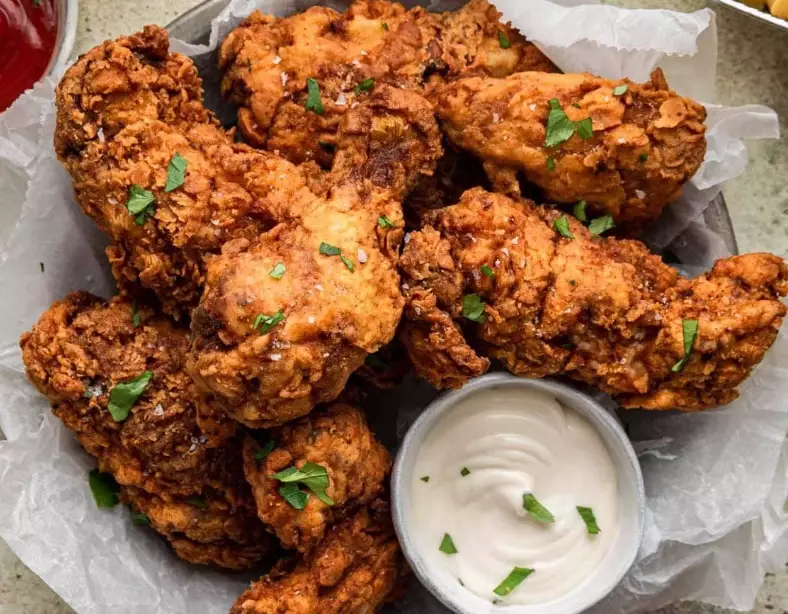
Answering Your Fried Chicken Questions (FAQ)
Pro Tips, Troubleshooting, and Personal Opinions
Here are the things you only learn from getting it wrong a few times (or from reading a very long guide).
- The “Drip-Dry” Method: After the second dredge, hold each piece over the flour bowl and gently shake it, letting the loose flour fall away. This prevents a thick, pasty coating of raw flour that can burn and taste bitter.
- Fry in Batches, Season in Batches: Don't dump all your dredging flour at once. I keep about a third of it aside in a separate bowl. As the first batch gets used, the flour gets clumpy and wet from buttermilk drips. For the next batch, I use the fresh flour to ensure a clean, crisp coating.
- Season Immediately After Frying: As soon as the chicken hits the rack, hit it with a tiny, final sprinkle of flaky salt. It makes the flavor pop.
My Go-To Flavor Twist: Sometimes, for a “Nashville Hot” style, I'll make a spicy oil after frying. I take 1/4 cup of the hot frying oil and whisk in 2 tablespoons of cayenne pepper, 1 teaspoon of brown sugar, and 1/2 teaspoon each of garlic powder and paprika. I brush this generously over the rested chicken. It's addictive.
Beyond the Classic: Flavor Variations
The basic formula is your canvas. Once you've mastered it, play around.
- Herb-Infused: Add fresh chopped rosemary, thyme, and sage to your buttermilk marinade.
- Spicy Buffalo: Double the hot sauce in the marinade and add a dash of cayenne to the flour. Toss the fried chicken in buffalo sauce after it rests.
- Sweet & Smoky: Add a tablespoon of brown sugar and two teaspoons of smoked paprika to your flour dredge.
The journey to perfect buttermilk fried chicken is one of patience, attention to detail, and a little bit of science. It might seem like a lot of steps, but none of them are hard. They're just important. When you pull that first perfectly golden, crackly piece from the oil, let it rest (I know, I know), and then bite into the juiciest, most flavorful fried chicken you've ever made at home, every minute of prep will be worth it. It’s a dish that feeds more than just hunger; it feeds the soul. Now go forth and fry.
Related Articles