Ultimate Sheet Pan Chicken Breast Guide: Simple, Flavorful & Healthy
Quick Guide
Let's be honest for a second. The idea of cooking a healthy, satisfying dinner on a busy Tuesday night can feel like a monumental task. You're staring at a pack of chicken breasts, willing it to turn itself into something edible. The pots and pans are already judging you from the cupboard. That's where the humble sheet pan swoops in to save the day. I'm talking about a single pan, a few ingredients, and an oven doing most of the work. A good sheet pan chicken breast recipe isn't just a meal; it's a declaration of independence from kitchen chaos.
I remember the first time I tried it. I was skeptical. Wouldn't everything just steam? Would the chicken be dry and sad, like so many baked chicken breasts tend to be? I had a vision of bland protein and soggy vegetables. But I was wrong. Done right, sheet pan cooking uses high, direct heat to create beautiful caramelization on your veggies and a juicy, flavorful interior in the chicken. The cleanup? One pan, maybe a cutting board. It's the kind of cooking that makes you feel like you've hacked the system.
Why Sheet Pan Chicken Breast is a Weeknight Superstar
It's not just hype. There are solid, practical reasons this method has taken over dinner tables and food blogs. First, it's the ultimate efficiency play. You're cooking your entire meal—protein and sides—simultaneously. The oven's ambient heat does the work evenly, freeing you up to set the table, help with homework, or just take a breath. Second, it promotes healthier eating. When dinner is this easy to assemble with fresh ingredients, you're less likely to reach for processed alternatives. You control the oil, the salt, the flavors. Finally, it's incredibly versatile. The basic formula is a blank canvas. Once you master the technique, the flavor combinations are endless, from Mediterranean herbs to spicy Tex-Mex rubs.
The Non-Negotiables for Juicy, Not Dry, Chicken
This is the part where most people go wrong. They toss a naked chicken breast onto a pan with some broccoli and wonder why it tastes like cardboard. Avoiding dry chicken is the single most important mission of your sheet pan endeavor. Let's break down the must-dos.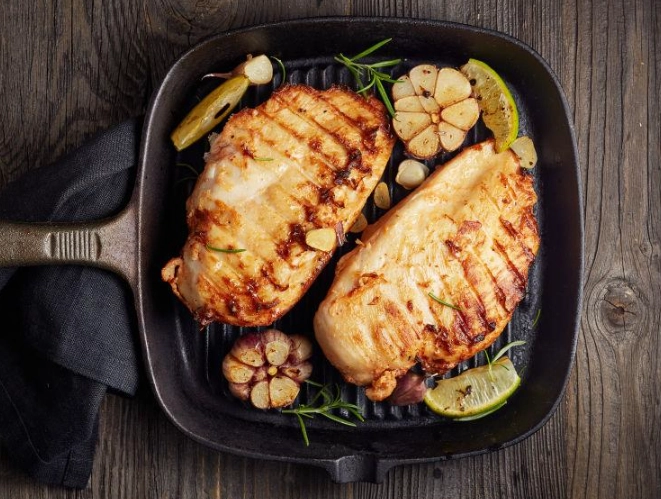
Choosing and Prepping Your Chicken
Not all chicken breasts are created equal. I strongly prefer ones that are similar in size and thickness. The monster-sized ones from the supermarket are often uneven, leading to overcooked thin ends and undercooked thick centers. If you can, look for air-chilled chicken—it tends to have better texture and less retained water. The prep is key. Pat those breasts completely dry with paper towels. This is non-negotiable. Moisture on the surface is the enemy of browning. You want a dry surface so the heat can immediately start searing and sealing in juices.
Now, to brine or not to brine? A quick brine (30 minutes in a solution of 1/4 cup salt dissolved in 4 cups of water) works wonders for moisture retention. It's a pro move that requires a tiny bit of forethought. If you forget, don't sweat it. Just be extra vigilant with cooking time.
The Art of Seasoning (It's More Than Salt & Pepper)
This is where you make the recipe yours. Salt is essential—it enhances flavor and helps with texture. Pepper is a friend. But don't stop there. The high, dry heat of the oven intensifies spices beautifully. A mix of paprika, garlic powder, and onion powder is a classic for a reason. For a Mediterranean vibe, try oregano, thyme, and lemon zest. For something with a kick, smoked paprika, cumin, and a pinch of chili powder are fantastic. The trick is to coat the chicken evenly. I like to drizzle with a little olive oil first, then massage the spice blend all over. This creates a paste-like coating that forms a delicious crust.
And here's a personal opinion: most store-bought seasoning blends are too salty and not flavorful enough. Making your own takes two minutes and is infinitely better.
Vegetable Sidekicks: The Supporting Cast
The vegetables aren't just an afterthought; they're co-stars. You need veggies that can stand up to 20-30 minutes of high heat without turning to mush. Think root vegetables and cruciferous veggies. They roast, they caramelize, they get sweet and tender-crisp.
Here’s a quick guide to some of the best contenders and how to handle them:
| Vegetable | Prep Needed | Roasting Time (at 425°F/220°C) | Flavor Notes |
|---|---|---|---|
| Broccoli & Cauliflower | Cut into even-sized florets | 20-25 minutes | Get deliciously crispy edges. Toss with a little oil and garlic powder. |
| Brussels Sprouts | Trim ends, halve if large | 25-30 minutes | Halving them creates more surface area for browning. A game-changer. |
| Potatoes & Sweet Potatoes | Cut into 1-inch cubes | 25-35 minutes | Denser, need more time. Can par-boil for 5 mins to speed up. |
| Bell Peppers & Onions | Slice into 1-inch strips | 18-22 minutes | Sweeten beautifully. Add in the last 10-15 minutes if mixed with harder veggies. |
| Asparagus & Green Beans | Trim ends | 12-15 minutes | More delicate. Add to the sheet pan during the last 10 minutes of cooking. |
The key is cutting everything to a similar size. Uneven pieces mean some will burn while others are still raw. Toss your veggies in oil, salt, and pepper separately from the chicken. They need their own love.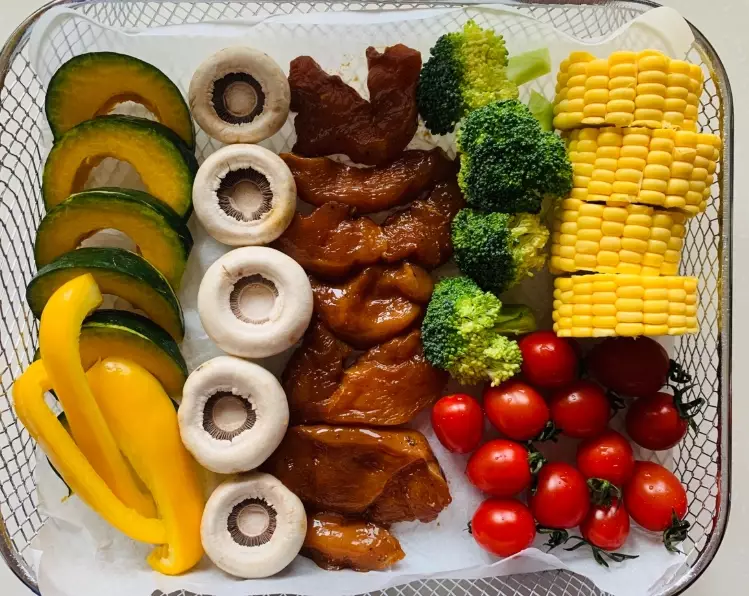
Pan Geography and Oven Science
How you arrange the pan matters. Don't just dump everything on. Crowding is the enemy of crispy. The ingredients need space for the hot air to circulate. If your pan is packed, the food will steam instead of roast. Use a large, rimmed baking sheet. I swear by my half-sheet pan (18"x13").
Place the chicken breasts in the center of the pan, spaced apart. Arrange the harder vegetables (like potatoes, carrots) around them. Softer or quicker-cooking veggies (like peppers, zucchini) can be added later. Preheat your oven! A hot oven is crucial. I find 425°F (220°C) is the sweet spot for most sheet pan chicken breast meals. It's hot enough to brown and cook through efficiently without burning the exterior too quickly.
Three Can't-Miss Sheet Pan Chicken Breast Recipes
Okay, theory is great, but let's get practical. Here are three flavor-packed, reliable recipes that cover different taste profiles. These are my workhorses.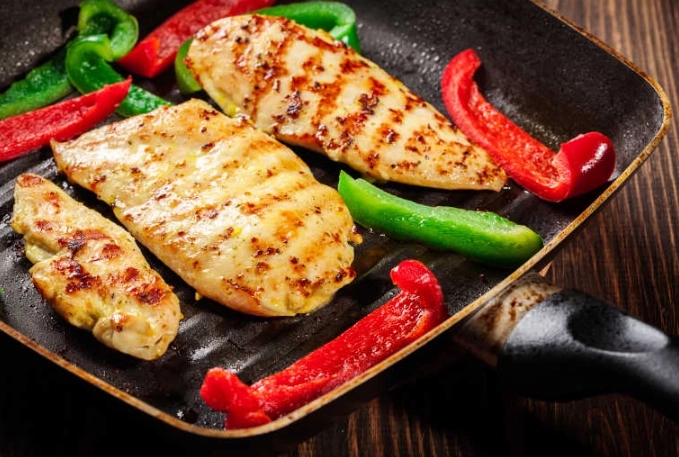
The Classic Lemon-Herb
This is my baseline, my comfort food. It's bright, fresh, and feels wholesome.
You'll need: 4 boneless, skinless chicken breasts, 1 lb baby potatoes (halved), 1 bunch asparagus (trimmed), 1 lemon (sliced), 3 tbsp olive oil, 2 cloves garlic (minced), 1 tbsp fresh rosemary (chopped), 1 tsp dried thyme, salt, and pepper.
Do this: Pat chicken dry. Toss potatoes with 1 tbsp oil, salt, pepper, and half the herbs. Spread on a sheet pan. Roast at 425°F for 15 minutes. While that's going, mix remaining oil, garlic, and herbs. Coat chicken breasts with this mixture. Push potatoes to the edges, place chicken and lemon slices in the center. Roast for 10 minutes. Add asparagus to the pan, toss with any pan juices. Roast another 8-12 minutes until chicken is cooked through (165°F internal temp). The lemon slices char and their juice mingles with the pan drippings—it's fantastic.
The Sweet & Smoky BBQ-Inspired
For when you want big, bold flavors without firing up the grill.
You'll need: 4 chicken breasts, 2 sweet potatoes (cubed), 1 red onion (cut into wedges), 2 bell peppers (sliced), 3 tbsp olive oil. For the rub: 1 tbsp brown sugar, 1 tsp smoked paprika, 1 tsp garlic powder, 1/2 tsp onion powder, 1/2 tsp cumin, 1/4 tsp chili powder, salt, pepper.
Do this: Mix all rub ingredients. Pat chicken dry, coat with 1 tbsp oil, then massage the rub all over. Toss sweet potatoes and onions with remaining oil, salt, and pepper. Spread on pan, roast at 425°F for 20 minutes. Remove pan, push veggies aside, add chicken and bell peppers. Roast for 15-20 more minutes until chicken is done. The sugar in the rub helps create a gorgeous, slightly sticky crust. The veggies get sweet and smoky.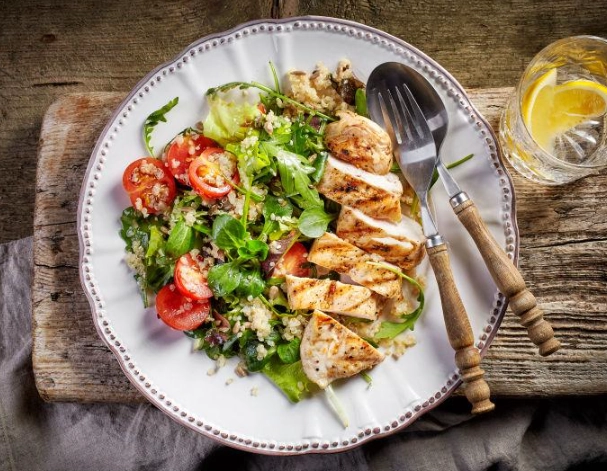
The Easy Mediterranean
This one feels fancy but is dead simple. The colors are beautiful.
You'll need: 4 chicken breasts, 1 pint cherry tomatoes, 1 small red onion (sliced), 1 can (15 oz) chickpeas (rinsed and drained), 1/2 cup Kalamata olives, 3 tbsp olive oil, 2 tsp dried oregano, 1 tsp dried dill, zest of 1 lemon, salt, pepper, feta cheese for serving.
Do this: Pat chicken dry. In a bowl, combine chicken with 1 tbsp oil, oregano, dill, lemon zest, salt, and pepper. On the sheet pan, toss tomatoes, onion, chickpeas, and olives with remaining oil, salt, and pepper. Nestle the seasoned chicken breasts among the veggies. Roast at 425°F for 20-25 minutes until chicken is cooked. Crumble feta over everything in the last 5 minutes of cooking. The tomatoes burst, the chickpeas get crispy, and the feta gets warm and soft. Serve with pita or over rice.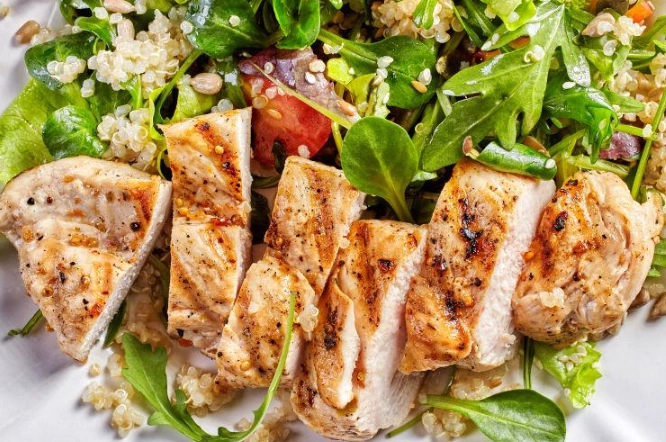
Answering Your Sheet Pan Chicken Breast Questions
I get asked these all the time. Let's clear things up.
The Little Extras That Make a Big Difference
You've got the basics down. Here are some pro-level tweaks that can elevate your sheet pan chicken breast from good to "wow."
Acid is Your Friend: A splash of acid at the end brightens all the flavors. A squeeze of fresh lemon or lime juice, a drizzle of balsamic glaze, or a splash of red wine vinegar just before serving can cut through the richness and make everything pop.
Don't Forget to Rest: Just like a steak, let your chicken breasts rest for 5-7 minutes after pulling them from the oven. This allows the juices, which have been driven to the center by the heat, to redistribute throughout the meat. If you cut in immediately, all those juices run out onto the cutting board.
Embrace the Fond: Those little browned bits stuck to the pan after cooking? That's fond, and it's pure flavor gold. While the pan is still hot, you can deglaze it with a little chicken broth, wine, or even water, scraping it up to make a quick, delicious pan sauce to drizzle over everything.
So, next time you're staring at that pack of chicken, don't overthink it. Grab a sheet pan, chop some veggies, be generous with seasoning, and let your oven do the heavy lifting. It's a simple, healthy, and genuinely satisfying way to feed yourself and your family. And really, what's better than that?
Give one of the recipes a shot this week. I promise, the cleanup alone will convince you.
Related Articles