Is Chicken Thigh White Meat? The Definitive Answer and Guide
What We’ll Cover
No, chicken thigh is not white meat—it’s dark meat. I’ve seen this confusion trip up so many home cooks, even some pros. Let’s cut through the noise. The classification boils down to biology, not just color. Chicken thighs come from the bird’s legs, which are used more, so they have more myoglobin, a protein that makes meat darker. That’s why thighs are juicier and more flavorful than breasts. If you’re wondering why this matters, stick around. We’ll dive into the science, nutrition, and cooking hacks that’ll change how you view chicken forever.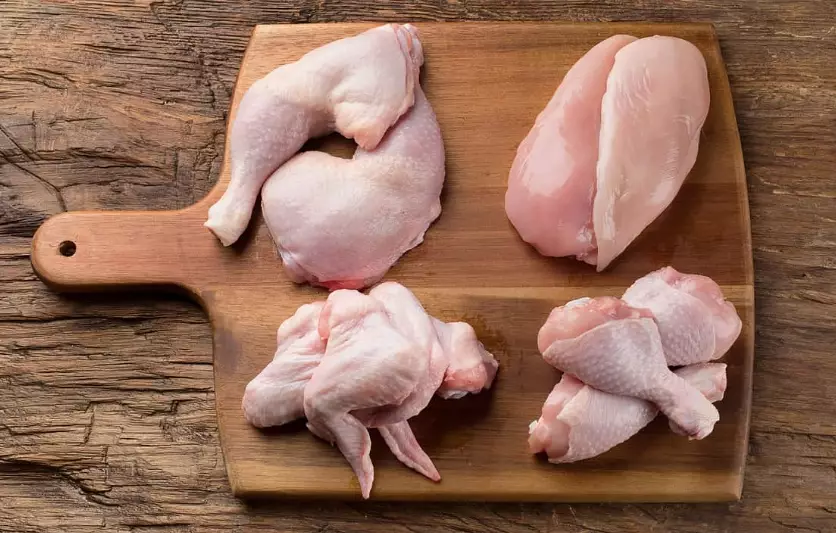
What Defines White Meat vs. Dark Meat?
It’s not about the color after cooking. I used to think white meat was just lighter pieces, but that’s a simplification. The real difference lies in muscle fiber type and usage.
The Science Behind Meat Color
Myoglobin is the key player here. It’s an oxygen-binding protein in muscles. Chickens use their legs for standing and walking, so thigh muscles have more myoglobin—about 0.2% to 0.5% by weight, compared to less than 0.05% in breast meat, according to food science sources. More myoglobin means darker color and a richer taste. Breasts, used for brief flights, are fast-twitch muscles with less myoglobin, hence white meat.
Think of it like this: a chicken’s thigh is its marathon runner, while the breast is a sprinter. The runner needs more oxygen storage, so it’s darker. This isn’t just chicken; it applies to all poultry. Turkey thighs are dark meat too.
Chicken Anatomy: Breast vs. Thigh
From a butcher’s perspective, white meat includes the breast and wings, while dark meat covers the thighs and drumsticks. Some folks argue wings are a gray area, but they’re generally white meat. I remember a friend who insisted thighs were white because they looked pale in a recipe—that’s a common mix-up. The classification is fixed based on anatomy, not cooking method.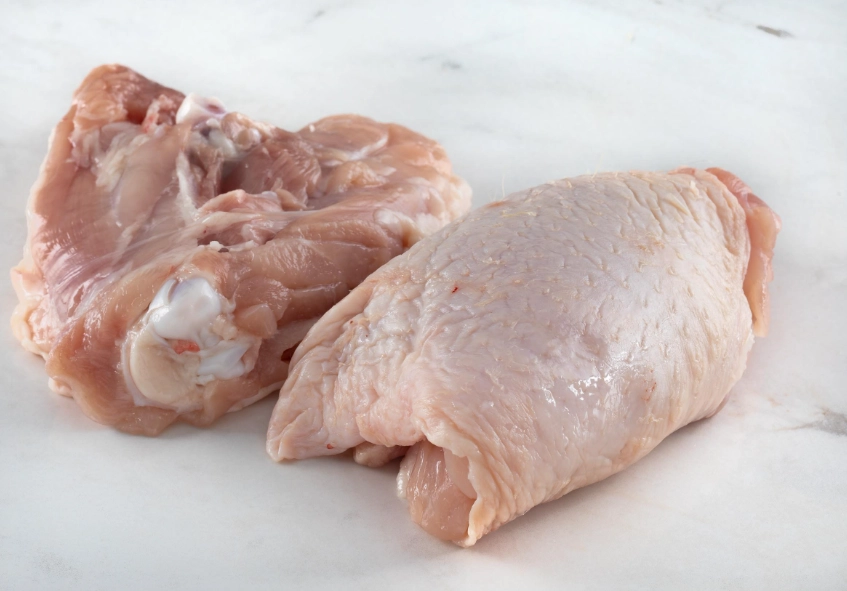
If you’re buying chicken, labels often say “dark meat” for thighs, but not always. Check the packaging or ask your butcher. In culinary terms, chefs might refer to thighs as “dark” for menu descriptions, but home cooks often miss this nuance.
Nutritional Differences: White Meat vs. Dark Meat
Here’s where things get interesting. Dark meat isn’t just about flavor; it packs a different nutritional punch. Let’s break it down with data from the USDA FoodData Central—a reliable source for nutrition info.
| Nutrient (per 3 oz cooked, skinless) | Chicken Breast (White Meat) | Chicken Thigh (Dark Meat) |
|---|---|---|
| Calories | 120 | 150 |
| Protein | 26g | 22g |
| Total Fat | 2g | 8g |
| Saturated Fat | 0.5g | 2g |
| Iron | 0.5mg | 1mg |
| Zinc | 0.5mg | 1.5mg |
Dark meat has more fat, but it’s not all bad. The extra fat includes monounsaturated fats, which can be heart-healthy in moderation. It also has more iron and zinc—essential for immunity and energy. I’ve had clients who switched to thighs during training seasons for that iron boost. Breast meat wins on protein and lower calories, so it depends on your goals.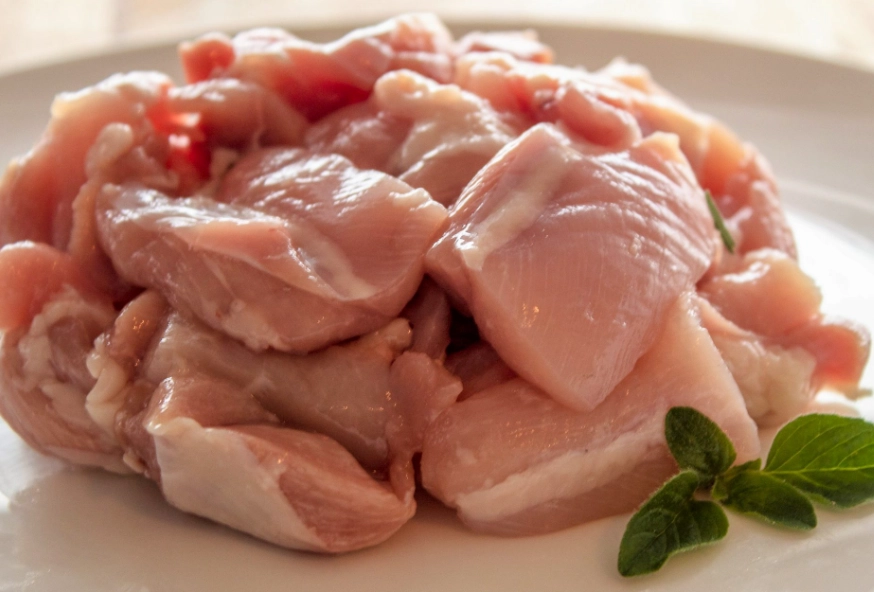
One subtle mistake: people assume dark meat is unhealthy because of the fat. But if you’re active or need more nutrients, thighs can be a smarter choice. Just watch portions. A skinless thigh is about 150 calories; with skin, it jumps to 200-plus. I always recommend removing skin to cut saturated fat.
Cooking Chicken Thighs: Tips and Common Mistakes
Cooking thighs is forgiving, but there are pitfalls. I’ve ruined a few batches myself by overlooking basics.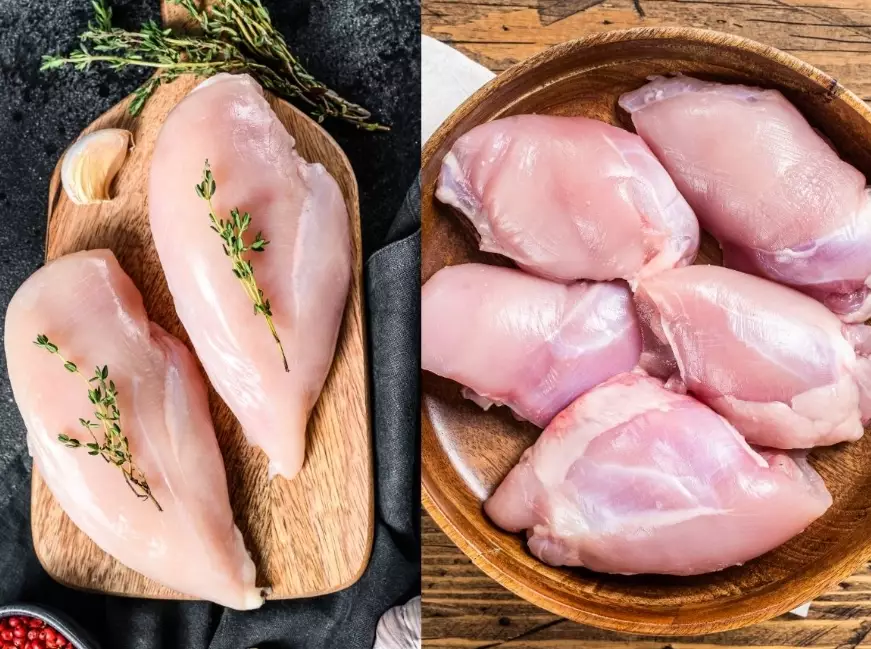
Why Thighs Are More Forgiving
The higher fat content keeps thighs juicy even if you overcook them a bit. Breasts dry out fast—one minute too long, and they’re rubbery. Thighs have connective tissue that breaks down with slow cooking, adding tenderness. That’s why they’re great for braises, stews, and grilling.
My go-to method: bake at 375°F (190°C) for 25-30 minutes. Use a meat thermometer; pull them out at 160°F (71°C), and let rest for 5 minutes. Carryover cooking brings it to 165°F (74°C), the safe temperature. I’ve seen cooks leave thighs in until 180°F, thinking it’s safer, but that’s overkill. They’ll still be edible but less juicy.
Common Mistakes to Avoid
First, not trimming excess fat. A little fat adds flavor, but too much can make dishes greasy. I trim to about 1/4 inch. Second, skipping seasoning. Thighs handle bold spices well—think paprika, garlic, thyme. Third, crowding the pan. If you’re sautéing, give them space so they brown properly. Crowding steams them, and you lose that crispy skin everyone loves.
Here’s a personal story: I once baked thighs without patting them dry. They ended up steaming in their own moisture, and the skin was soggy. Lesson learned—always dry with paper towels before cooking.
Health Myths Debunked: Is Dark Meat Bad for You?
Many avoid dark meat thinking it’s unhealthy, but that’s a myth. The extra fat in thighs includes healthy fats and more vitamins like B12 and riboflavin. Saturated fat is higher, but in moderation, it’s not a deal-breaker. The American Heart Association suggests limiting saturated fat, but a serving of skinless thigh fits within guidelines.
For weight loss, thighs can work if you control portions. A 3-ounce serving is about the size of a deck of cards. Pair it with veggies and whole grains. I’ve found that clients who eat thighs feel fuller longer, reducing snacking. It’s about balance, not elimination.
Cholesterol? Thighs have slightly more—about 80mg per serving vs. 70mg in breast. But dietary cholesterol’s impact on blood cholesterol is less than once thought, as per recent nutrition studies. Focus on overall diet quality.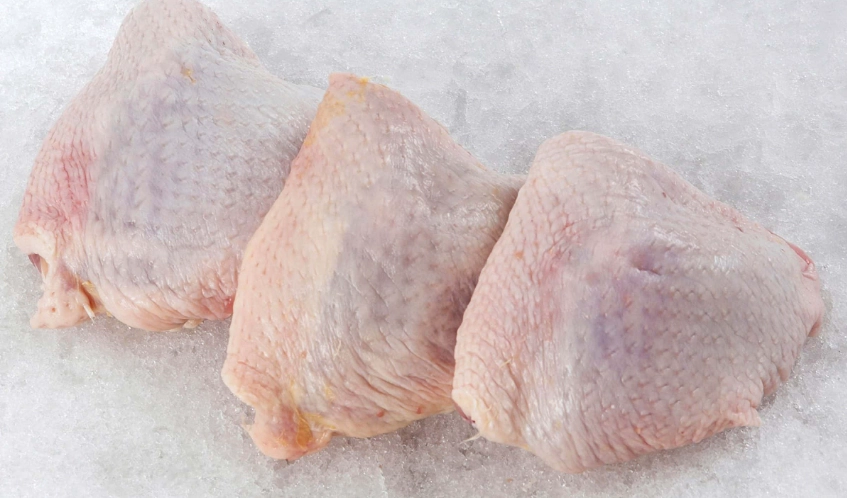
FAQ: Your Top Questions Answered
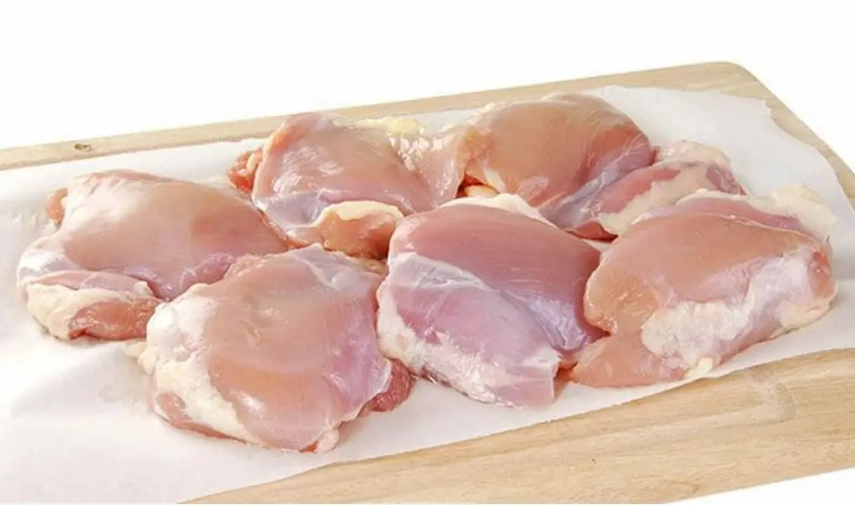 So, is chicken thigh white meat? No, it’s dark meat—and that’s a good thing. Embrace the richness, nutrition, and cooking ease. Next time you’re at the store, grab some thighs and experiment. Your taste buds and health might thank you. If you have more questions, drop a comment below—I’m here to help.
Related Articles