The Ultimate Guide to White Meat Chicken: Cuts, Nutrition & Cooking Tips
Key Takeaways
Let's cut through the noise. You've heard the term a million times—on menus, in recipes, at the grocery store. But when someone asks, "what is white meat chicken?" the answer often stops at "it's the breast." That's like saying a car is just an engine. There's so much more to it, and honestly, getting it wrong can mean the difference between a juicy, flavorful meal and a dry, disappointing piece of cardboard on your plate. I've been there. I've ruined my fair share of chicken breasts in my early cooking days, and it was almost always because I didn't truly understand what I was working with.
So, let's dig in. This isn't just a textbook definition. We're going to unpack everything—from the biology in the chicken's body to the best way to cook each cut. Whether you're meal prepping for the week, trying to eat healthier, or just tired of guessing at the meat counter, this guide is for you.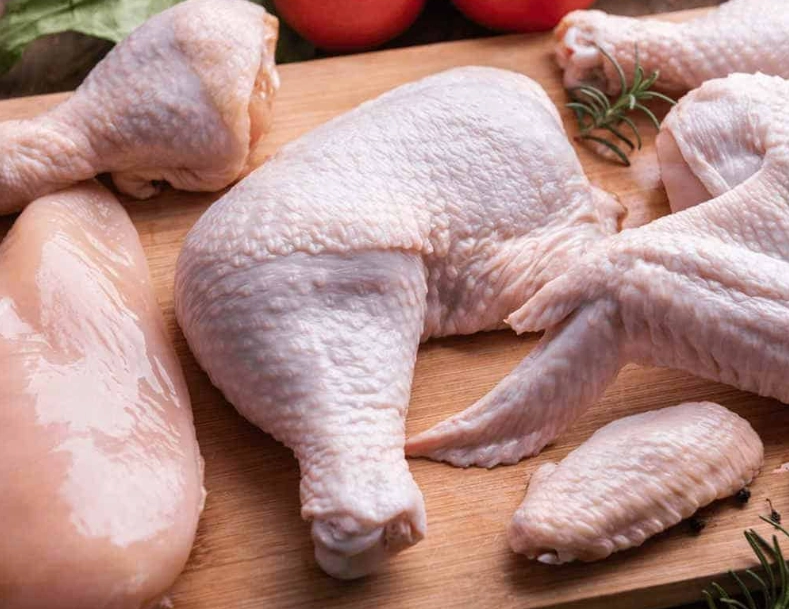
What is White Meat Chicken, Really? (Beyond the Color)
At its core, white meat refers to the skeletal muscles in a chicken (or other poultry) that are used for quick, explosive bursts of activity. Think of the wings flapping or the breast muscles powering short flights. These muscles are built differently. They rely on a type of muscle fiber called fast-twitch fibers, which get their energy from glycogen stored right within the muscle, not from a constant blood supply during the work. This is the key.
Because they don't need a rich, continuous blood flow during these short efforts, these muscles contain much less of a protein called myoglobin. Myoglobin is what stores oxygen in muscle cells and gives meat its red color. Less myoglobin equals a lighter, paler color—hence, "white meat." It also generally means less fat marbled throughout the muscle, which is why white meat is leaner. The fat a chicken has tends to be stored under the skin and around the cavity, not woven into these specific muscles.
Now, here's where it gets practical. Knowing this helps you predict texture and cooking behavior. White meat's leanness is its blessing and its curse. The blessing? It's a powerhouse of pure, lean protein with minimal fat. The curse? That lack of fat and different muscle structure makes it prone to drying out if you cook it without a plan. It has less built-in insurance against overcooking compared to, say, a fatty duck leg.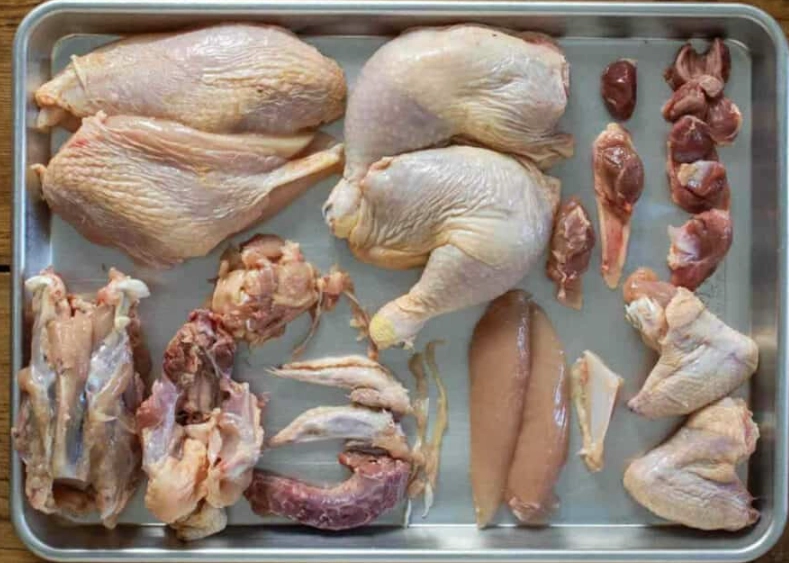
The Anatomy of a Chicken: Where Does White Meat Come From?
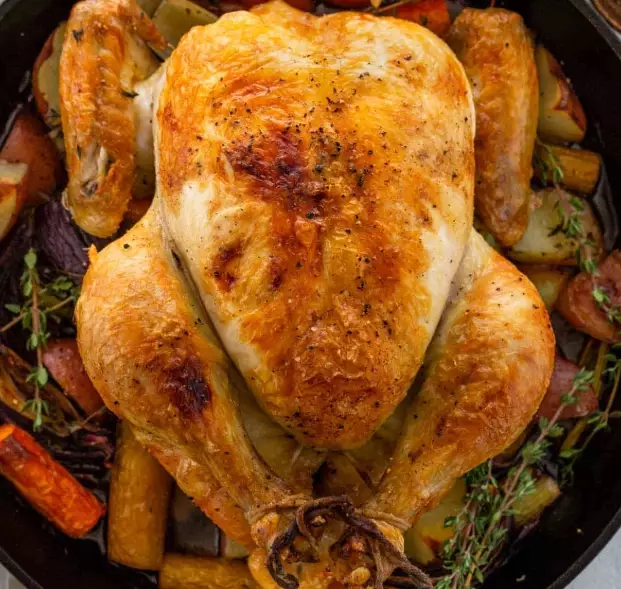
If you picture a whole chicken, the white meat isn't just one blob. It's specific, and each part has its own personality. This is crucial for cooking. Treating a wing like a breast is a recipe for confusion.
The Champion: The Breast
This is the poster child for white meat chicken. It's the large, broad muscle on the front of the bird (the pectoralis major, if you want to get technical). It's what the chicken uses for the downstroke of its wings. This cut is the leanest of all, with a very mild flavor and a firm, large-grained texture when cooked properly.
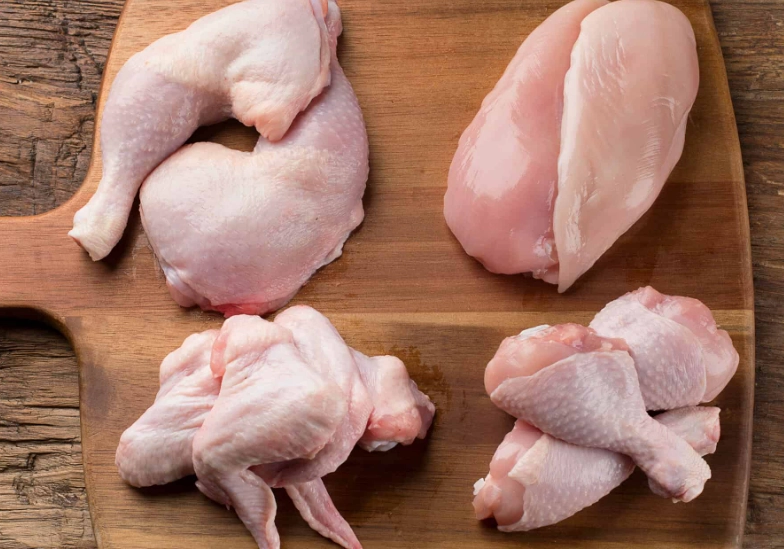
You'll find it sold in a few ways:
- Whole Chicken Breast: Often called a "split breast," this includes the entire half of the breast, usually with the rib bone and sometimes with the skin on. It's fantastic for roasting or braising.
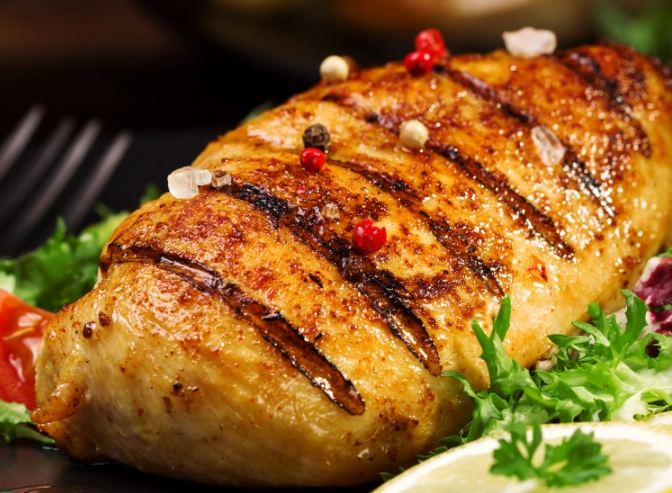
- Boneless, Skinless Chicken Breast (BSCB): The gym-goer's staple and the weeknight dinner hero. It's versatile but needs attention. The thickness can vary wildly, which is a major cooking trap.
- Chicken Tenders or Fillets: That little extra strip of meat loosely attached to the underside of the breast. It's incredibly tender (hence the name) and cooks very quickly. Great for kids, salads, and quick sautés.
The Underrated Gem: The Tenderloin
Often confused with the "tender" (which is part of the breast), the tenderloin is actually a separate, smaller muscle that lies right next to the breastbone (the fancy word for the "breastplate" area). It's even more tender than the main breast muscle and is almost always sold removed from the bone. Because it's so small and lean, it overcooks in a blink. I love them for quick stir-fries or skewers where they soak up marinades beautifully.
The Surprise: The Wing (Mostly)
This one trips people up. A chicken wing has three parts: the drumette (which looks like a mini drumstick), the flat or wingette (the middle part with two bones), and the tip (usually discarded). The meat on the drumette and the flat is white meat. It's darker than breast meat because those muscles are used more, so they have a bit more myoglobin, but biologically and nutritionally, it's classified as white. It's also higher in skin-to-meat ratio, which means it's higher in fat when eaten with the skin on (which, let's be honest, is how most of us eat wings).
So, when you're wondering what parts are white meat chicken, remember: breast, tenderloin, and the meaty parts of the wing.
Nutritional Powerhouse: What Are You Actually Eating?
This is why white meat chicken, especially the breast, is a dietary superstar. But let's look at the real numbers, not just the hype. The gold standard for this data is the USDA FoodData Central database. I'm pulling these figures for a 3-ounce (85g) cooked, boneless, skinless portion, which is about the size of a deck of cards or the palm of your hand.
Macronutrient Breakdown
Here’s a clear comparison. This table shows you exactly what you’re putting in your body, and how white meat stacks up against its darker counterpart.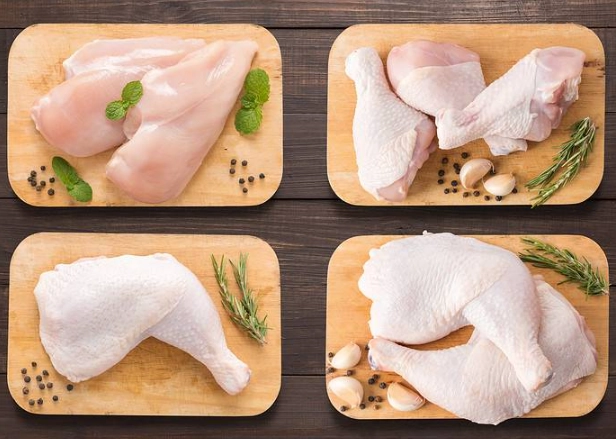
| Nutrient | Cooked Chicken Breast (Skinless) | Cooked Chicken Thigh (Skinless) | Why It Matters |
|---|---|---|---|
| Calories | ~128 kcal | ~150 kcal | Breast is lower, making it a top choice for calorie-conscious goals. |
| Protein | ~26 grams | ~19 grams | Breast wins on pure protein density. It's one of the most efficient protein sources per calorie. |
| Total Fat | ~2.7 grams | ~7.5 grams | The biggest difference. Breast is significantly leaner. |
| Saturated Fat | ~0.7 grams | ~2 grams | Lower saturated fat is generally better for heart health. |
Look at that protein number. For roughly 130 calories, you're getting 26 grams of high-quality, complete protein (meaning it has all nine essential amino acids your body can't make). That's hard to beat. It's why bodybuilders, athletes, and anyone trying to maintain muscle mass while managing weight gravitate towards it.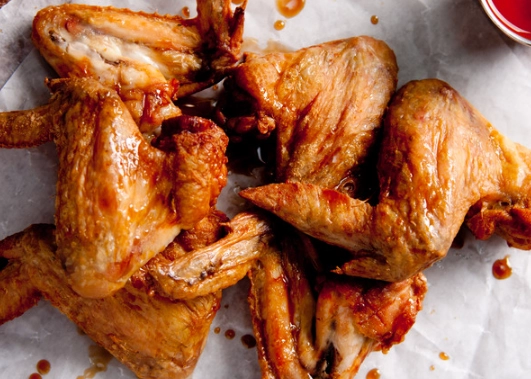
Micronutrients & Health Benefits
It's not just about protein and fat. White meat chicken is a solid source of several key vitamins and minerals:
- Niacin (Vitamin B3): Crucial for converting food into energy and keeping your nervous system and skin healthy. A single serving provides a huge chunk of your daily needs.
- Vitamin B6: Important for brain development, immune function, and protein metabolism.
- Selenium: A powerful antioxidant that plays a key role in thyroid hormone metabolism and protecting your cells from damage.
- Phosphorus: Works with calcium to build strong bones and teeth.
Now, is it a "superfood"? I hate that overused term. It's a foundational food. It's a reliable, versatile building block for a healthy diet. As Harvard T.H. Chan School of Public Health points out in their nutrition guidance, poultry (like chicken) is a recommended source of lean protein, especially when compared to processed red meats.
Cooking White Meat Chicken: The Art of Not Making It Dry
This is the part everyone needs. You've bought this lean, beautiful protein. Now how do you not wreck it? The fear of dry chicken is real, and it's the main reason people think white meat chicken is bland. It's not bland; we just cook the life out of it.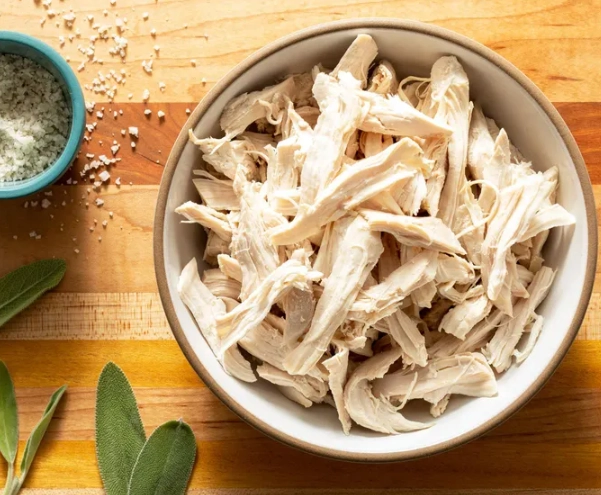
The Golden Rule: Temperature, Not Time
Forget cooking for "10 minutes per side." Thickness varies. Your stove's heat varies. The only reliable way is to use a good instant-read meat thermometer. It's the best $15 you'll spend in your kitchen.
The USDA recommends cooking all poultry to a safe minimum internal temperature of 165°F (74°C). However, for white meat, there's a chef's secret: carryover cooking. If you pull the chicken off the heat at around 155-160°F (68-71°C), the residual heat will continue to cook it, bringing it up to that safe 165°F while it rests. This prevents overcooking at the core. For dark meat, you actually want to go higher (like 175°F+) to render the fat and connective tissue.
Top Cooking Methods for White Meat
Different cuts and forms thrive with different techniques.
- For Boneless, Skinless Breasts:
- Pounding: My number one tip. Put the breast between plastic wrap and pound it to an even ½-inch thickness. This ensures even cooking from edge to center. Game-changer.
- Pan-Searing/Sautéing: High heat, quick cook. Perfect for pounded cutlets. Get a nice sear, then maybe finish with a pan sauce.
- Baking/Roasting: Reliable for multiple breasts. Brining them first (soaking in saltwater for 30 min to a few hours) adds moisture and flavor throughout. A simple brine is just water, salt, and maybe a little sugar.
- For Bone-In, Skin-On Breasts:
- Roasting: This is where you get flavor. The bone insulates, keeping the meat juicier, and the skin crisps up into deliciousness. Start high heat to crisp the skin, then lower to finish cooking through.
- For Tenders/Tenderloins:
- Stir-Frying: They cook in minutes. Velveting (marinating in cornstarch and egg white) gives them a silky, restaurant-style texture.
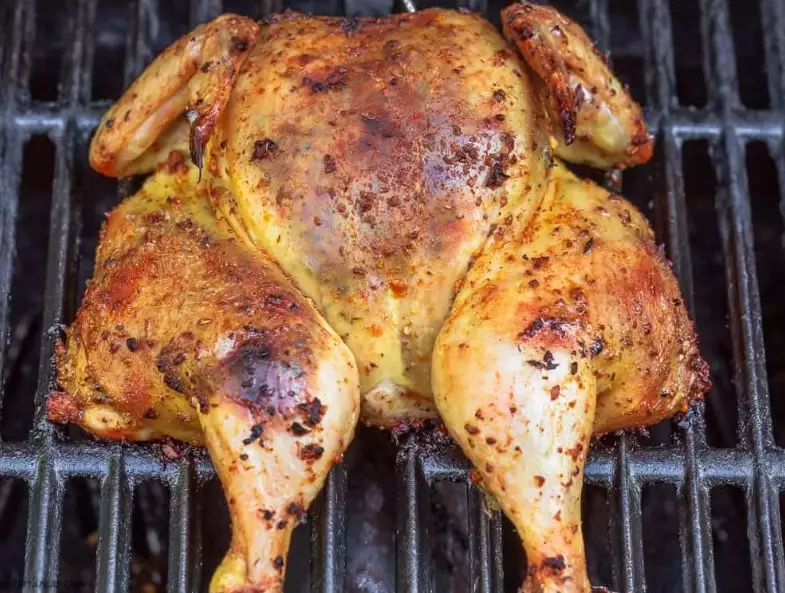
- Grilling: Skewer them so they don't fall through the grates. They need just a couple of minutes per side.
Common Mistakes to Avoid
- Overcooking: The cardinal sin. Use that thermometer.
- Not Letting It Rest: When you cook meat, the juices rush to the center. If you cut it open immediately, all that juice runs out onto your cutting board. Let it rest for 5-10 minutes (tented with foil) to allow the juices to redistribute back throughout the meat.
- Using High Heat for Thick Pieces: A thick breast on high heat will burn the outside before the inside is done. For thicker cuts, use medium heat or start with a sear and finish in a moderate oven.
- Skimping on Seasoning: White meat needs help. Salt it adequately (not just a sprinkle), and don't be afraid of herbs, spices, acids (lemon juice, vinegar), and aromatics (garlic, ginger).
Frequently Asked Questions (The Stuff You Actually Google)
- Color: Pink, not gray or yellow.
- Texture: Firm to the touch, not slimy or sticky.
- Smell: Very mild, almost neutral. Any sour, ammonia-like, or strong off-odor is a hard pass.
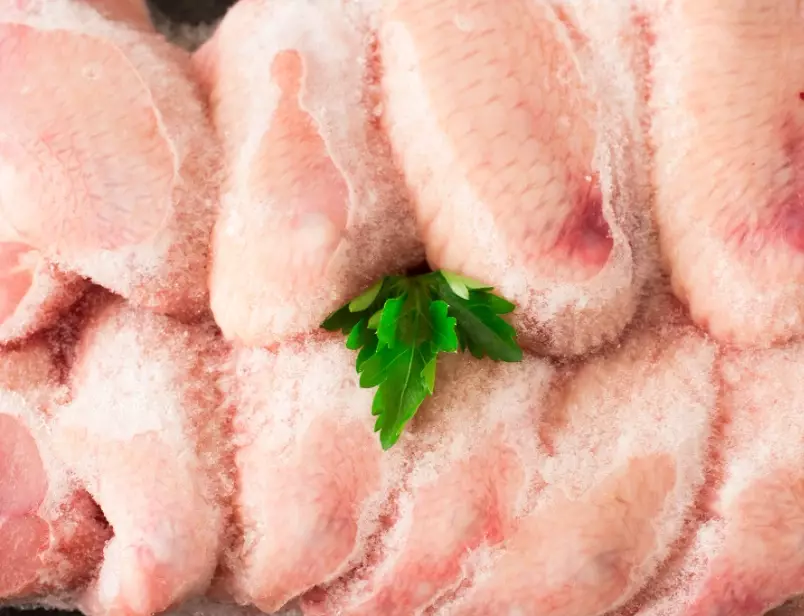
- Package: No excessive amounts of liquid ("purge") in the bottom. Some is normal, a pool is not ideal.
- Labels: Terms like "air-chilled" can mean less water weight and sometimes better texture. "No antibiotics" and "organic" are personal preference/ budget choices regarding farming practices.
Quick-Fire Recap
So, what is white meat chicken? It's the lean, fast-twitch muscle from the breast, tenderloin, and wings, prized for its high protein and low fat. Its mild flavor is a canvas, not a flaw. The key to loving it is respecting its leanness: cook by temperature, not time, let it rest, and season it well. Whether you're grilling, baking, or stir-frying, now you have the knowledge to turn that pale piece of poultry into something truly delicious.
At the end of the day, understanding your ingredients is the first step to cooking better food. White meat chicken doesn't have to be the boring option. It can be juicy, flavorful, and the star of countless meals—you just need to know how to handle it. Now you do.
Related Articles