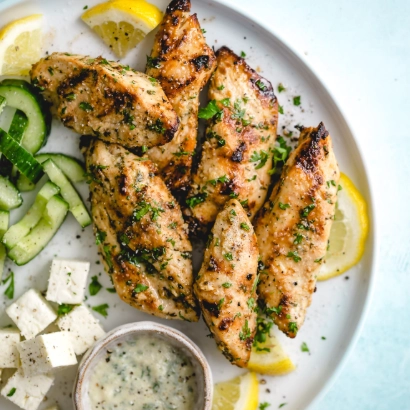
White Meat Chicken Parts: A Complete Guide to Cuts, Nutrition & Cooking
Let's be honest. The words "white meat chicken" probably conjure up an image of a bland, overcooked chicken breast sitting sadly on a plate. I've been there. I've served up my fair share of dry, stringy poultry that required a gallon of sauce to get down. But after years of cooking professionally and at home, I've learned that white meat chicken parts—when you understand them—are a culinary powerhouse. They're not just about the breast. This guide will move beyond the basics, diving into the nuances of each cut, the mistakes everyone makes (and how to avoid them), and how to turn this lean protein into the star of any meal.
What's Inside This Guide
What Exactly Are White Meat Chicken Parts?
Biologically, white meat comes from muscles that are used for quick, short bursts of activity—the breast and wings. These muscles rely on a fast-twitch fiber type and get their energy from glycogen, not myoglobin (the protein that gives red meat its color). That's why they're lighter in color and, generally, leaner.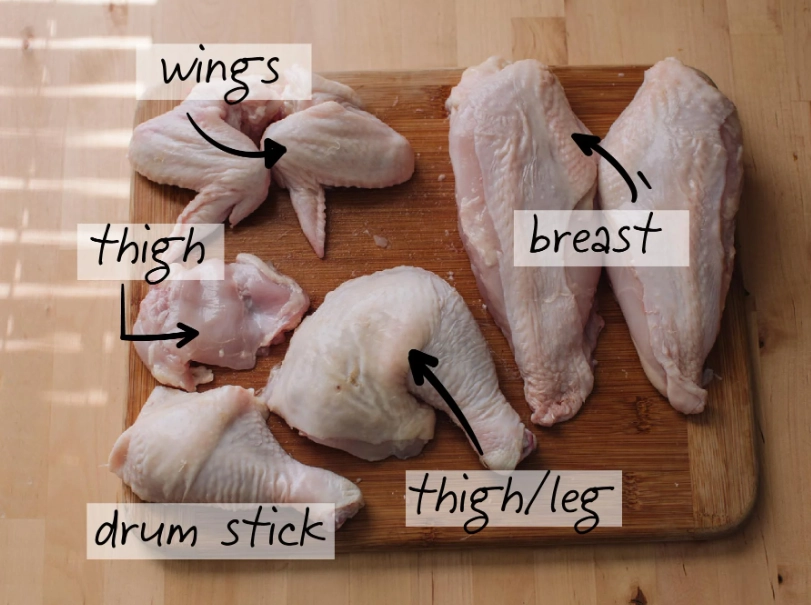
The main players are:
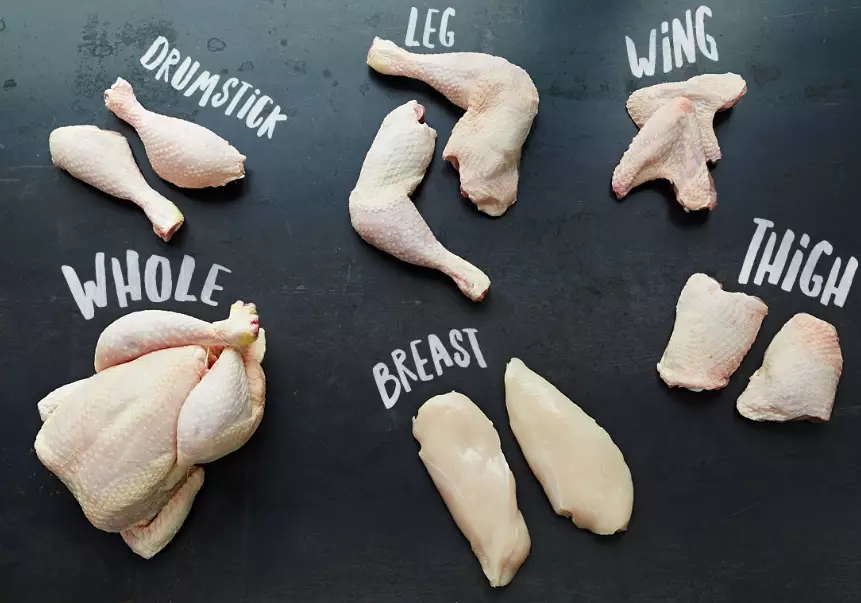
- Breast: The whole, double-lobed cut. It's the largest, leanest piece.
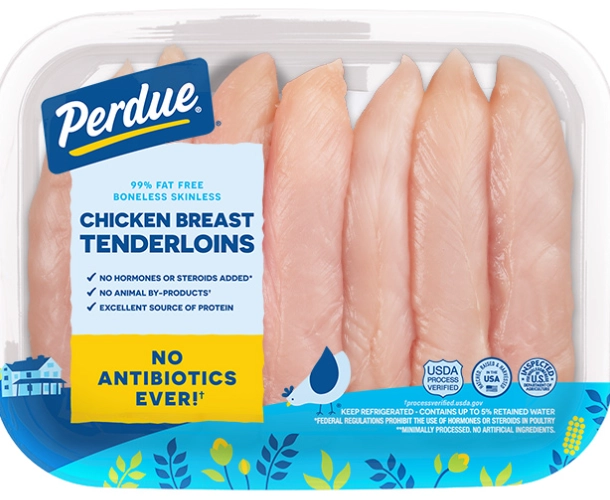
- Breast Tenderloin (or Tender): That small, tender strip of muscle found underneath the main breast. It's often sold separately.
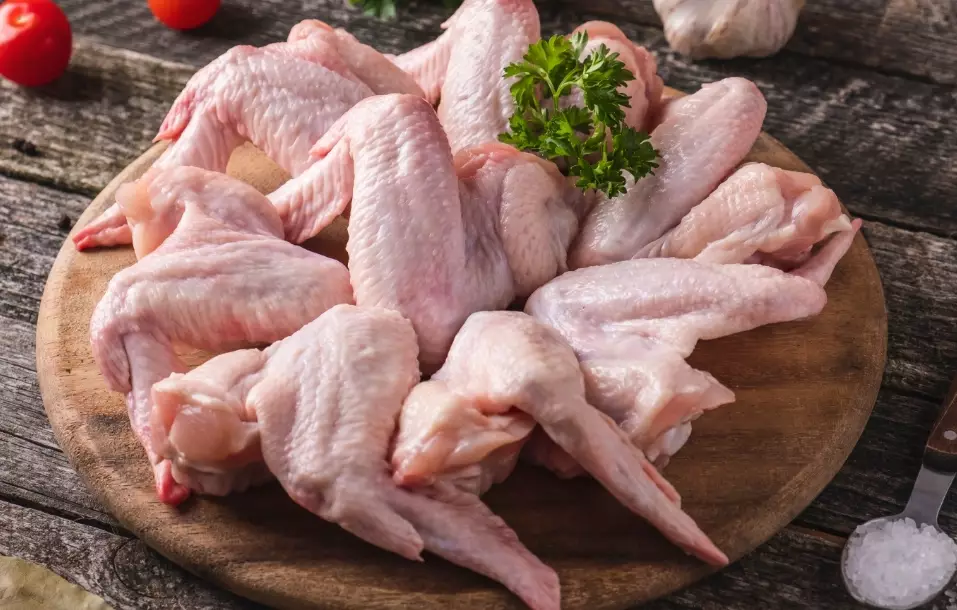
- Wings: Specifically, the two middle sections—the drumette and the flat or wingette. The wingtip is mostly skin and bone.
Here's a thought most blogs don't mention: the "white meat" label can be misleading for wings. While the meat is technically white, wings have a much higher skin-to-meat ratio, making them far fattier in practice than a skinless breast. If you're strictly counting grams of fat, a wing is a different beast altogether.
A Cut-by-Cut Breakdown: Beyond the Breast
Treating all white meat the same is the first mistake. Each cut has its own personality, fat content, and ideal cooking application.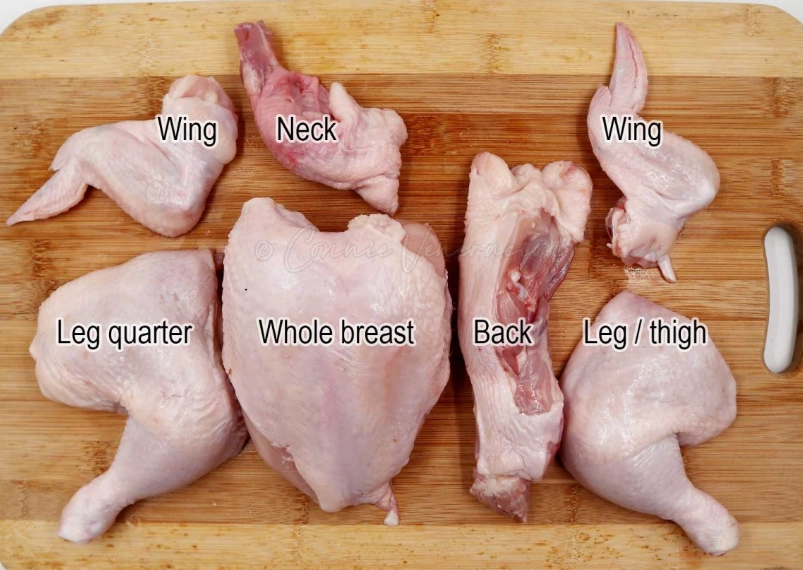
| Cut | Key Characteristics | Best For... | Common Pitfall |
|---|---|---|---|
| Whole Chicken Breast (bone-in, skin-on) | Maximum flavor and juiciness. The bone and skin act as insulators. Higher price per pound but more forgiving to cook. | Roasting, grilling, braising. Perfect for a classic "roast chicken" experience for two. | Undercooking near the bone. Always use a meat thermometer. |
| Boneless, Skinless Chicken Breast (BSCB) | The leanest option. Pure protein. Prone to drying out because there's no fat or skin to baste it. | Pounding thin for cutlets, cubing for stir-fries, shredding for salads. Needs a marinade or brine. | Overcooking by even one minute. It goes from juicy to sawdust fast at 165°F+. |
| Chicken Tenderloin | The most tender muscle on the bird. Cooks very quickly. Often more expensive per pound than breast. | Quick sautés, chicken fingers, salads where you want tender bites. Doesn't need pounding. | Overcooking in seconds. They're done almost as soon as they turn opaque. |
| Chicken Wings (Drumette & Flat) | Crispy skin, fun to eat, higher fat content. The meat, while white, is richer due to collagen and fat rendering from the skin. | Frying, baking with baking powder for crispness, air frying, Buffalo sauce. | Steaming instead of crisping. Patting dry and using high, direct heat is non-negotiable. |
Pro Tip No One Tells You: That "organic" or "free-range" label? It often has a bigger impact on flavor and texture in white meat than dark meat. A conventionally raised chicken breast can taste almost neutral, while a pasture-raised one might have a more distinct, slightly gamier flavor. It's not always "better"—just different. Know what you're buying.
How to Buy the Best White Meat Chicken
Walking into the supermarket, the choices are overwhelming. Here's how to cut through the noise.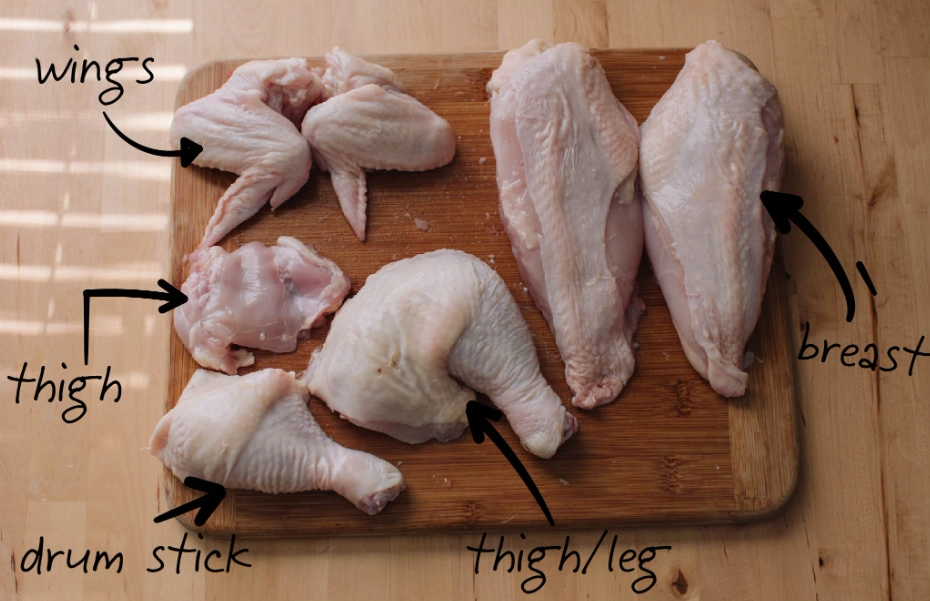
Decoding the Labels
"Natural" means nothing. Seriously. The USDA defines it as "minimally processed and containing no artificial ingredients." Almost all fresh chicken meets this.
"Air-Chilled" is a label worth looking for. Unlike water-chilled chicken (soaked in a chlorinated bath), air-chilled birds lose moisture through air, not water absorption. This results in meat that sears better, tastes more concentrated, and doesn't release a pool of water in the pan. It's often more expensive, but for a seared breast, it's a game-changer.
The Visual and Tactile Test
Look for meat that is pinkish in color, not gray or yellow. The packaging should be tight with no excessive liquid pooling at the bottom—a sign of water-chilling and potential quality loss. The meat should feel firm, not slimy. If it smells strongly, even slightly sour, put it back.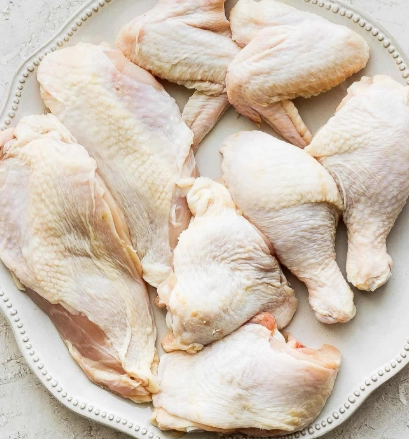
Cooking Methods Mastery: From Searing to Sous Vide
This is where the magic happens. Matching the cut to the method is 90% of the battle.
For Boneless, Skinless Breasts: The Brine & Reverse Sear
Everyone says "don't overcook it." Duh. Here's how to guarantee you won't. For BSCB, a 30-minute soak in a 6% brine (about 1.5 tbsp kosher salt per cup of water) seasons it throughout and helps it retain moisture. Then, try the reverse sear: cook it low and slow in a 275°F oven until it hits 150°F internally, then rest it. The residual heat will carry it to a safe 155-160°F—juicy, not dry. Finish with a 60-second sear in a screaming hot pan for color. This method, championed by food science writers like J. Kenji López-Alt, is foolproof.
For Wings: The Baking Powder Trick
Want crispy baked wings without deep frying? Toss them in a mixture of baking powder (not soda!) and salt before baking. The baking powder raises the skin's pH, helping it crisp up and brown dramatically in a hot oven (425°F on a wire rack). It's a technique popularized by cookbook author and food blogger Serious Eats. It works every single time.
For Tenderloins: The Flash Sauté
These are so thin they barely need cooking. Get a pan very hot with a high-smoke-point oil (avocado or grapeseed). Pat the tenders bone-dry, season, and lay them in the pan. Don't crowd them. Cook for 60-90 seconds per side until just opaque and firm to the touch. That's it. Any longer and you're chewing on rubber bands.
Two Foolproof Recipes to Start With
Let's apply this knowledge. Here are two detailed recipes that highlight technique.
1. The "Never Dry" Herbed Roasted Chicken Breast (Bone-In, Skin-On)
Why it works: Using bone-in, skin-on breasts makes this forgiving. The skin protects the meat and renders fat for basting. High heat ensures crispy skin.
Ingredients: 2 bone-in, skin-on chicken breasts, 1 tbsp olive oil, 1 tsp kosher salt, 1/2 tsp black pepper, 2 sprigs fresh rosemary, 2 sprigs fresh thyme, 3 cloves garlic (smashed).
Steps:
- Preheat oven to 425°F. Pat breasts extremely dry with paper towels.
- Loosen the skin gently with your fingers and slide a few herb leaves and a garlic clove under the skin of each breast. Rub oil all over, then season generously with salt and pepper, getting under the skin too.
- Place breasts on a rimmed baking sheet or in an oven-safe skillet, skin-side up. Roast for 30-35 minutes, until the skin is deep golden brown and an instant-read thermometer inserted into the thickest part (avoiding bone) reads 160°F.
- Remove, tent loosely with foil, and rest for 10 minutes. The temperature will rise to a safe 165°F+ and juices will redistribute. Serve.
2. Weeknight Lemon-Garlic Chicken Tenders
Why it works: It's fast, uses the quick-cooking nature of tenders to its advantage, and builds a pan sauce in the same skillet.
Ingredients: 1 lb chicken tenderloins, 2 tbsp all-purpose flour, 1 tsp salt, 1/2 tsp pepper, 2 tbsp butter, 3 cloves garlic (minced), 1/2 cup chicken broth, juice of 1 lemon, 2 tbsp chopped parsley.
Steps:
- Pat tenders dry. Toss with flour, salt, and pepper in a bowl until lightly coated.
- Melt 1 tbsp butter in a large skillet over medium-high heat. Add tenders in a single layer (cook in batches if needed). Cook for 90 seconds per side until golden and just cooked through. Remove to a plate.
- Reduce heat to medium. Add remaining butter and garlic. Cook for 30 seconds until fragrant.
- Pour in chicken broth and lemon juice, scraping up any browned bits. Let simmer for 2-3 minutes until slightly reduced.
- Return tenders to the pan, toss to coat in the sauce, and warm for 30 seconds. Off heat, stir in parsley. Serve immediately over rice or pasta.
Your White Meat Questions, Answered
Related Articles