How Long to Cook a Whole Chicken: The Ultimate Time & Temp Guide
Let's cut to the chase. The most frustrating answer is also the most accurate one: it depends. Asking for a single cooking time for a whole chicken is like asking how long a car trip takes without knowing the distance or the speed. The real answer lies in the method, the size of the bird, and one non-negotiable tool. I learned this the hard way after serving a beautifully browned, yet terrifyingly pink-at-the-bone chicken to my in-laws years ago. Never again.
The core truth every home cook needs is that temperature, not time, is your true guide. A meat thermometer is not a nice-to-have; it's a must-have. That said, you need a starting point. This guide gives you those reliable timeframes for every major cooking method, explains why they vary, and delivers the pro tips that bridge the gap between "done" and "perfectly juicy."
What You'll Find Inside
Why You Can't Just Set a Timer and Walk Away
Think about it. A petite 3-pound bird and a hefty 7-pound roaster are completely different beasts. Oven temperature swings, whether you start with a cold or room-temp chicken, and even the type of roasting pan (dark metal cooks faster than glass) all mess with the clock.
The biggest variable? Your oven's honesty. Most home ovens are liars. They cycle on and off to maintain an average temperature, meaning the actual heat can be 25°F above or below your set point. A chicken put in during a "low" cycle will take longer. This is why time charts are estimates—a roadmap, not the destination.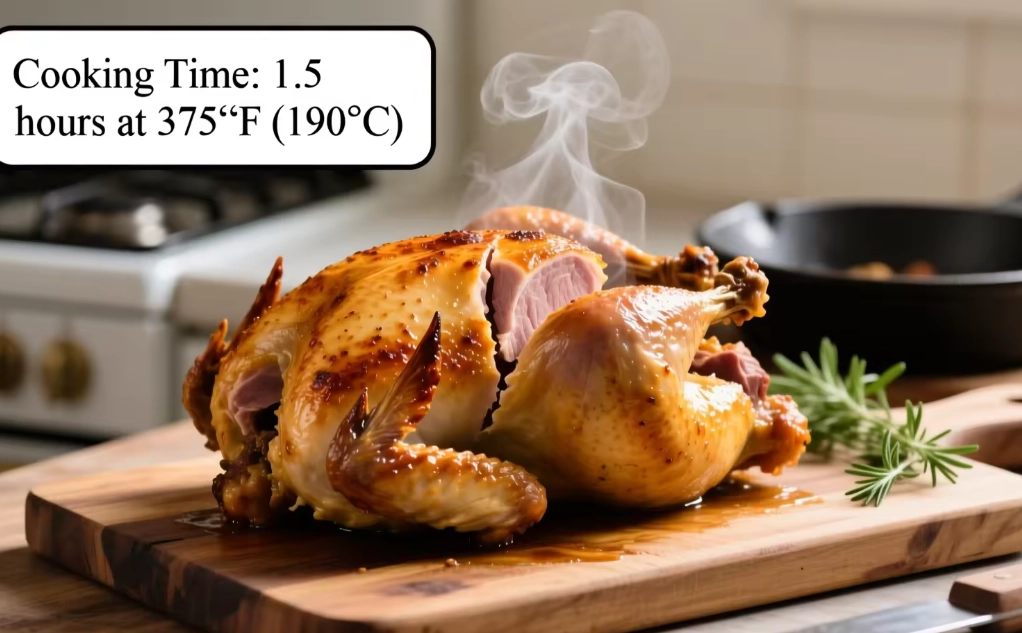
The Golden Rule: For poultry, the USDA states the safe internal temperature is 165°F (74°C) measured in the thickest part of the thigh and breast, not touching bone. Pulling the chicken out at 160°F (71°C) is my move. The residual heat will carry it to 165°F while it rests, preventing overcooking.
The Master Whole Chicken Cooking Time Chart
Here's your cheat sheet. These times assume a refrigerator-cold chicken placed into a preheated oven or appliance. Always use a thermometer to confirm.
| Cooking Method | Oven/Appliance Temp | Estimated Time (per lb) | Total Time for a 4 lb Bird | Key Outcome |
|---|---|---|---|---|
| Standard Roasting | 350°F (175°C) | 20-25 minutes | ~1 hr 20 min - 1 hr 40 min | Even, classic roast. Juicy & reliable. |
| High-Heat Roast | 425°F-450°F (220°C-230°C) | 15-18 minutes | ~1 hour - 1 hr 12 min | Crispier skin, faster cook. Watch for burning. |
| Slow Roasting | 275°F-300°F (135°C-150°C) | 30-35 minutes | ~2 hours - 2 hrs 20 min | Incredibly tender, almost fall-apart meat. |
| Grilling (Indirect Heat) | Medium-High (~375°F/190°C) | 25-30 minutes | ~1 hr 40 min - 2 hours | Smoky flavor, crisp skin. Requires grill management. |
| Slow Cooker (Low) | Low Heat Setting | N/A (Fixed Time) | 6-8 hours | "Set and forget" tender, but skin won't crisp. |
| Electric Pressure Cooker | High Pressure | N/A (Fixed Time) | 25-30 mins + pressurize time | Unbelievably fast. Finish under broiler for skin. |
How to Roast a Whole Chicken Perfectly: A Foolproof Sequence
Let's walk through a standard 350°F roast for a 4-5 pound chicken. This is my Sunday night go-to.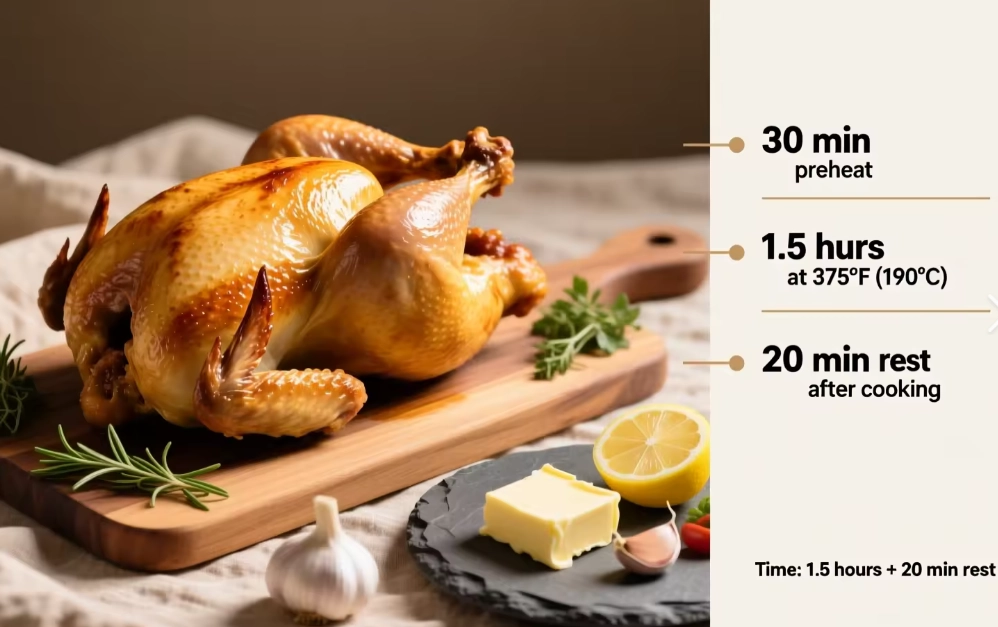
Step 1: Prep is Everything (The 1-Hour Secret)
Take the chicken out of the fridge at least 30 minutes, ideally 60 minutes, before cooking. A cold chicken straight from the fridge will cook unevenly—the outside overcooks before the inside is done. Pat it extremely dry with paper towels, inside and out. Wet skin steams; dry skin roasts and crisps. This is the single most effective tip for crispy skin.
Step 2: Season Aggressively and Truss (or Don't)
Rub the entire bird with oil or softened butter. Season liberally with salt and pepper—get it under the skin on the breasts if you can. Trussing (tying the legs) gives a tidy shape but can slow down thigh cooking. I often just tuck the wingtips under and leave the legs loose for more even heat circulation.
Step 3: The Roast & The Thermometer Check
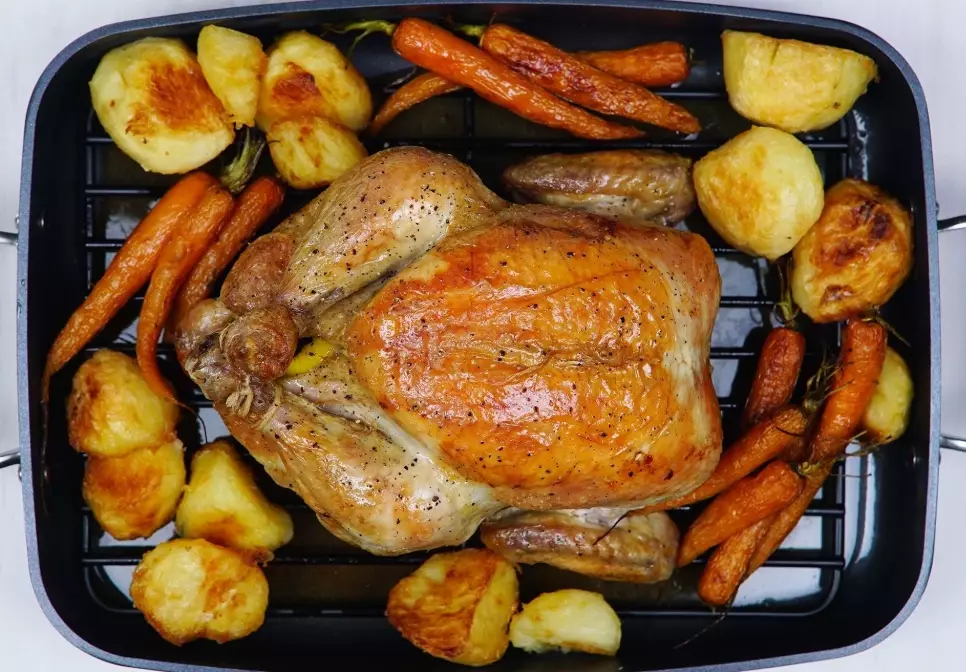
Place breast-side up on a rack in a roasting pan. Into the preheated 350°F oven. Set your timer for 60 minutes. When it dings, start checking the temperature. Insert the thermometer into the thickest part of the thigh. If it reads 155-160°F, you're in the zone.
Pro-Tip I Rarely See: If the breast is browning too fast but the thighs aren't done, tent only the breast with a small piece of foil. Don't cover the whole bird, or you'll trap steam and ruin the skin.
Step 4: The Non-Negotiable Rest
Once at temp, transfer the chicken to a cutting board and let it rest for 15-20 minutes. This allows the frantic, heat-driven juices to redistribute back into the meat fibers. Cutting immediately sends all those juices onto the board, leaving you with dry meat. Cover it loosely with foil to keep warm.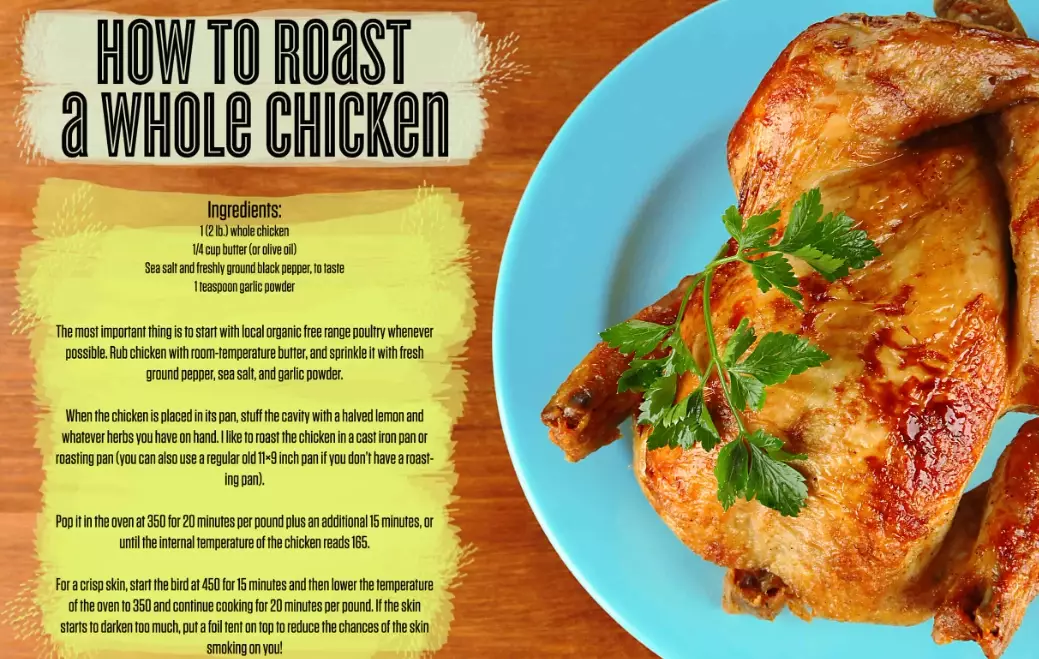
Grill, Slow Cooker, and Pressure Cooker: Nailing the Time
Ovens aren't the only game in town.
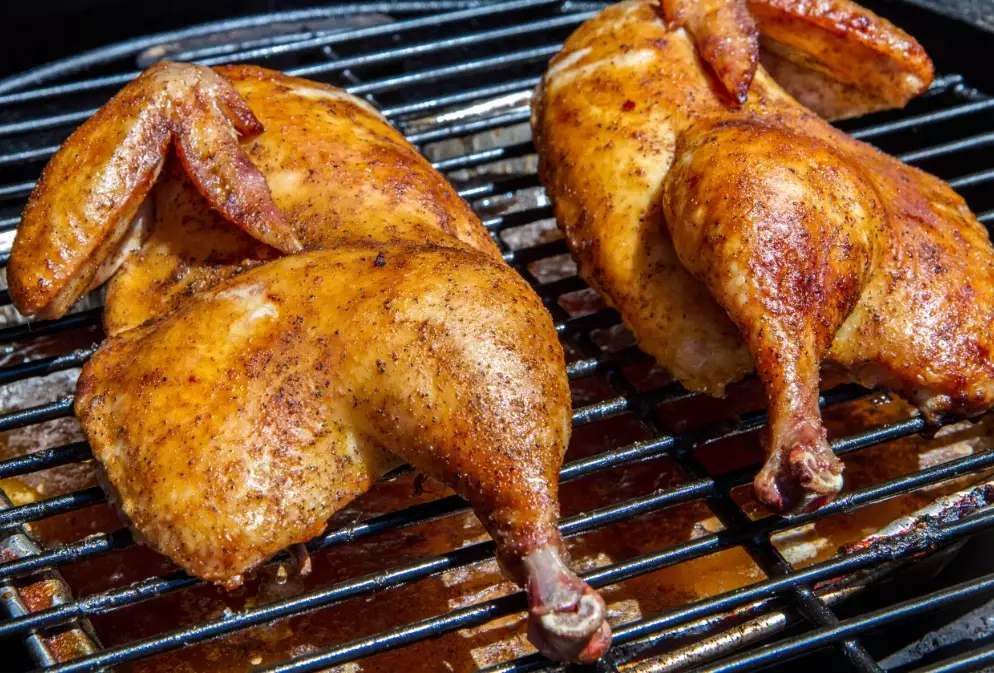
On the Grill: Use indirect heat. Bank coals or turn off burners on one side. Place the chicken over the cool side, cover the grill, and treat it like an outdoor oven. A 4-pound bird takes about 1 hour 45 minutes at ~375°F. Use a drip pan underneath. For killer skin, move it directly over the heat for the last 5-10 minutes, watching closely.
In a Slow Cooker: This is the ultimate "moist" method, but you sacrifice skin. 6-8 hours on Low for a 4-pound bird. Add some liquid (broth, wine) to the bottom. The meat will be so tender it falls off the bone—perfect for soups, salads, or tacos.
In a Pressure Cooker/Instant Pot: Incredibly fast. Add 1 cup of liquid, place the chicken on the trivet. High pressure for 25-30 minutes for a 4-pound bird, then a 10-minute natural release. The skin will be limp, so I always pop it under the broiler for 3-5 minutes to crisp it up.
The 3 Biggest Mistakes That Wreck a Whole Chicken
I've made them all so you don't have to.
- Mistake 1: Trusting Pop-Up Timers. Those little plastic things that come with some birds are notoriously unreliable. They often pop at 180°F+, which is breast meat turned to sawdust territory. Throw it away. Use a real digital thermometer.
- Mistake 2: Not Letting it Rest. I said it before, but it's worth its own spot. Rushing to carve is the fastest way to disappoint everyone at the table. Let the chicken relax.
- Mistake 3: Roasting Breast-Side Up the Whole Time. This is a bit controversial, but try this: start the chicken breast-side down for the first 30-45 minutes. The fattier back and thighs baste the delicate breast meat as they render. Then flip it breast-side up to finish and crisp the skin. The breast stays incredibly juicy.
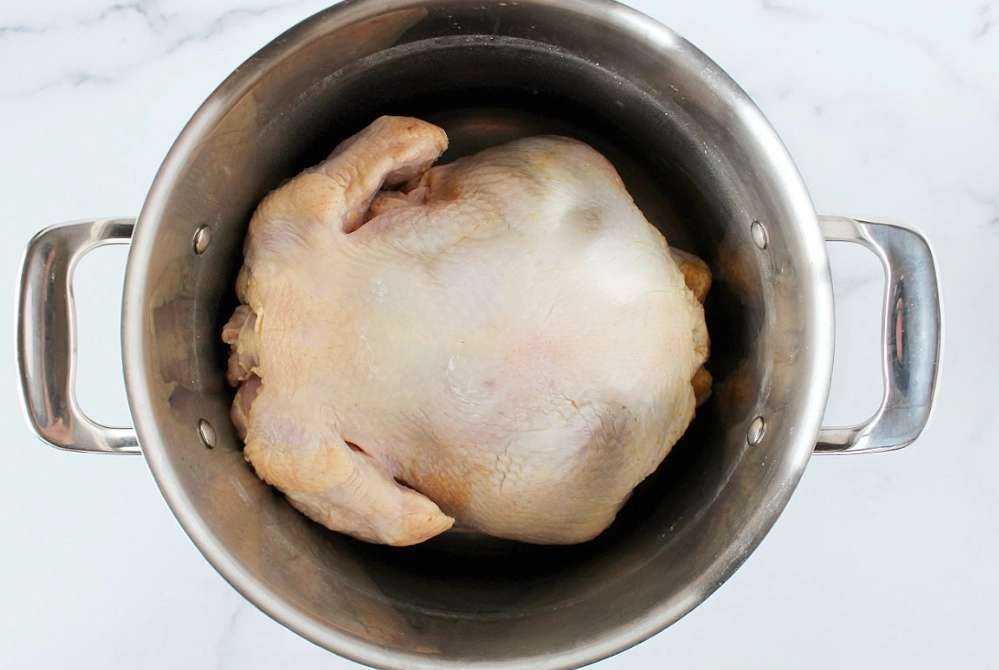
Your Whole Chicken Cooking Questions, Answered
 Does stuffing the chicken change the cooking time?
 So, how long does a whole chicken take to cook? You now have the full picture. It takes as long as it needs to reach 165°F internally. Use the time charts as your informed starting point, arm yourself with a thermometer, and remember the power of a good rest. That's the recipe not just for a cooked chicken, but for a truly great one.
Related Articles