Frozen Breaded Chicken Cutlets: Your Ultimate Guide to Buying, Cooking & Enjoying
Quick Guide
- What Exactly Are You Buying? A Label Decoder
- Navigating the Freezer Aisle: A Brand Breakdown
- How to Cook Frozen Breaded Chicken Cutlets Perfectly (Every Time)
- Beyond the Basic Cutlet: Creative Ways to Use Them
- Storing, Reheating, and Food Safety: The Nitty-Gritty
- Answering Your Burning Questions (FAQs)
- The Final Verdict
Let's be honest. We've all stood in the freezer aisle, staring at the boxes of frozen breaded chicken cutlets, wondering if they're a genius shortcut or a culinary compromise. I know I have. After years of relying on them for everything from last-minute dinners to meal-prepped lunches, I've learned they're a bit of both—and that's perfectly okay.
The truth is, a good frozen breaded chicken cutlet is a fantastic staple to have on hand. But not all boxes are created equal, and cooking them wrong can lead to a sad, soggy, or burnt experience. This guide is everything I wish I knew when I first started buying them. We'll cut through the marketing jargon, compare the top brands honestly (including some I don't love), and nail the cooking methods so you get a crispy, juicy result every single time.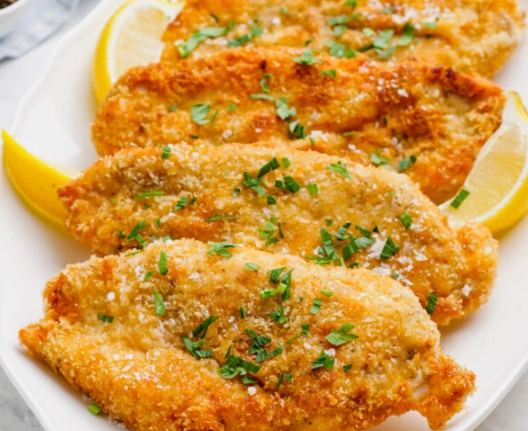
What Exactly Are You Buying? A Label Decoder
Before you toss a box in your cart, take a second to look past the appetizing photo. Understanding the label is the first step to getting a product you'll actually enjoy.
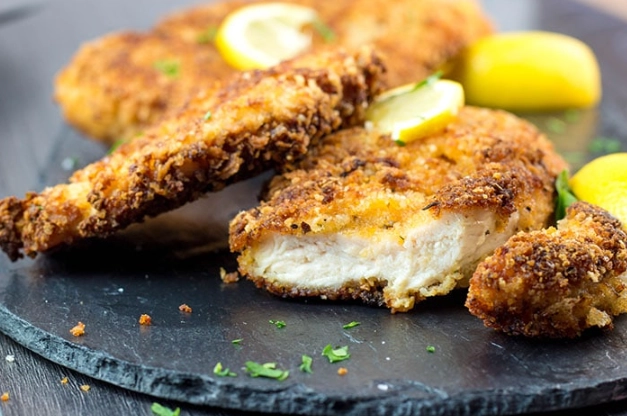
Most frozen breaded chicken cutlets are made from chicken breast that's been thinly sliced or pounded, then coated in a seasoned breading. The "frozen" part is key—it locks them in at their peak and makes them shelf-stable for months. But here's what really matters:
- Meat Content: Look for the phrase "Made with 100% chicken breast." Some cheaper brands use a blend of breast and other parts, or worse, "formed" chicken meat. The 100% breast ones just taste and feel better—more like something you'd make yourself.
- Breading Ratio: This is a personal pet peeve. Some cutlets are more breading than chicken. A good rule of thumb? The cutlet should still look like a piece of chicken under the coating, not a puffy pillow. A breading-to-chicken ratio around 30/70 is ideal.
- Seasoning & Flavor: Are they just "seasoned" or do they have a specific flavor profile like "Italian Herb" or "Garlic & Parmesan"? The plain ones are more versatile, but the flavored ones can be a great base without extra work.
Navigating the Freezer Aisle: A Brand Breakdown
So many options, so little time. Based on my own kitchen trials (and a few disappointments), here's a no-nonsense look at some popular categories. This isn't sponsored—just real observations.
| Brand / Type | Best For | Texture & Taste Notes | My Take |
|---|---|---|---|
| Premium National Brands (e.g., Bell & Evans, Just Bare) | When quality is the top priority, no compromises. | Consistently juicy chicken, crisp, non-greasy breading. Often use simpler ingredients. | You pay more, but it shows. The chicken texture is superior. These are the ones I serve to guests without hesitation. |
| Mainstream Favorites (e.g., Tyson, Perdue) | Reliable, widely available, family-friendly weeknight dinners. | Good, consistent crunch. Flavor can be a bit more generic or salty. A solid workhorse. | My freezer usually has a box of these. They're dependable. Just watch the sodium on some varieties. |
| Store Brands (Kroger, Aldi, Costco) | Maximum value without sacrificing decent quality. | Can be hit or miss, but the best are shockingly close to name brands. Breadings may be slightly thicker. | Always worth a try. I've had fantastic store-brand cutlets and some bland, bready ones. Read reviews for your specific store. |
| "Health-Conscious" Options (Gluten-Free, Air-Chilled, Organic) | Specific dietary needs or preferences. | GF breading can be less crispy (rice flour-based). Air-chilled chicken often has better texture. Taste is cleaner. | If you need gluten-free, they're a lifesaver. The organic ones are great, but cook them carefully—the leaner meat can dry out faster. |
See, it's not just about grabbing any box. Think about what you need that night. Feeding hungry kids after soccer? A mainstream or store brand is perfect. Making a nicer chicken parmesan? Maybe spring for the premium cutlets.
How to Cook Frozen Breaded Chicken Cutlets Perfectly (Every Time)
This is where the magic—or the tragedy—happens. Following the box instructions is a good start, but they often play it safe. Here are the tweaks that make a world of difference.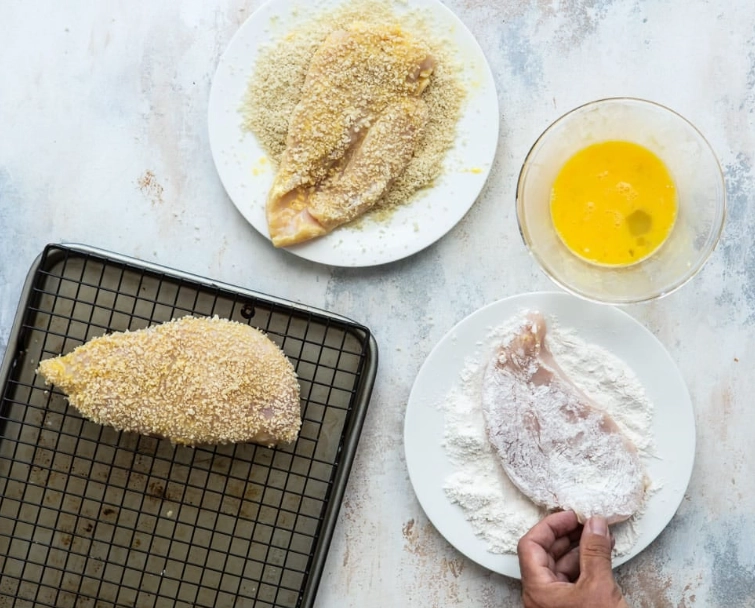
The Oven Method: For Consistent, Hands-Off Results
Most people's default. The key is heat and space.
- Preheat, Seriously: Don't skip this. Crank your oven to 400°F (425°F if your oven runs cool). A hot start is crucial for crispness.
- Use a Rack: This is the single best tip for oven-cooked frozen breaded chicken cutlets. Place a wire cooling rack on top of your baking sheet. Put the cutlets on the rack. This allows hot air to circulate underneath, preventing a soggy bottom. No rack? At least use parchment paper, not foil, which can steam them.
- Don't Crowd: Give them room. If they're touching, they'll steam each other.
- Flip, Maybe: Box says flip halfway? Do it. It ensures even browning. Some high-convection methods might not need it, but flipping never hurts.
- Check for Doneness: The box time is a guide. They're done when golden brown and the internal temperature hits 165°F. A meat thermometer is your friend here. The USDA confirms this safe temperature for poultry. Undercooked chicken is a no-go.
The Air Fryer Method: For Maximum Crunch, Fast
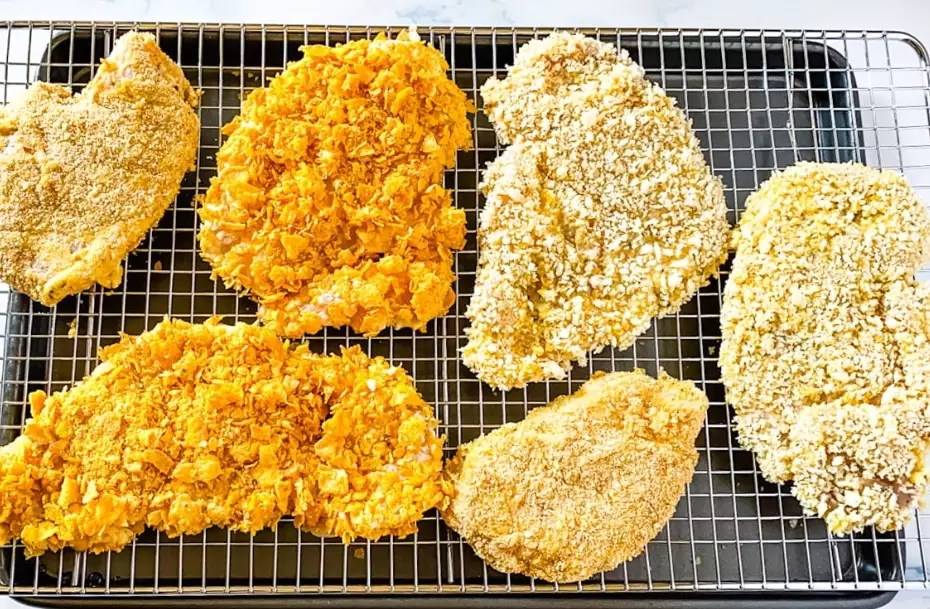
If you have an air fryer, it's a game-changer for frozen breaded chicken. It replicates deep-fryer crispiness with much less oil.
- Temperature: 380°F to 400°F is the sweet spot.
- Time: Usually 12-16 minutes. Shake the basket or flip halfway.
- Spacing is King: Even more important than in the oven. Do not overlap. You might need to cook in batches.
- Spritz for Gold: Lightly spraying the frozen cutlets with a bit of cooking oil (like avocado or canola) before air frying gives an unbeatable, all-over golden color and crunch. This is my personal secret weapon.
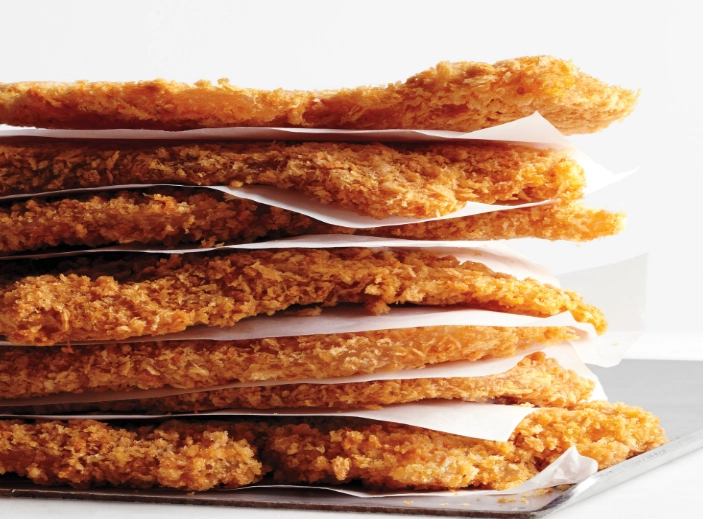
I use my air fryer for this more than any other appliance now. The texture is just unbeatable for the effort.
The Skillet/Pan-Frying Method: The Traditional Route
Want that classic diner-style crust? Pan-frying delivers. But you can't just throw a frozen cutlet in a pan.
- Thaw First: This is critical. You must thaw the frozen breaded chicken cutlets in the fridge overnight. Cooking from frozen will burn the outside before the inside is safe.
- Use Enough Oil: You're shallow frying, not sautéing. About 1/4 inch of a neutral, high-heat oil (vegetable, canola) in a heavy skillet.
- Medium Heat: Let the oil get hot, then maintain a steady medium heat. Too hot = burnt breading. Too low = oily, soggy breading.
- Cook to Golden: 3-5 minutes per side until deeply golden and 165°F internally. Drain on a paper towel-lined plate.
It's more hands-on and creates more cleanup, but for a truly indulgent texture, it's worth it once in a while.
Beyond the Basic Cutlet: Creative Ways to Use Them
Sure, you can just eat them with a side of veggies. But why stop there? These frozen cutlets are a blank canvas.
Think of them as your pre-breaded, pre-portioned protein foundation. Here are some of my favorite ways to dress them up:
- The Classic Chicken Parmesan: Top a cooked cutlet with marinara sauce, shredded mozzarella, and a sprinkle of Parmesan. Broil for 2-3 minutes until bubbly. Serve over pasta. It's a 15-minute "chef's special."
- Sandwich Star: Toast a brioche bun, add the cutlet, shredded lettuce, tomato, and a swipe of mayo or honey mustard. Instant gourmet chicken sandwich. Pickles are non-negotiable for me.
- Salad Booster: Slice a cooled cutlet into strips and toss on top of a big Caesar or garden salad. Adds crunch and protein, turning a side salad into a meal.
- Chicken Cutlet "Nuggets": Great for kids. Just cut a cooked cutlet into bite-sized pieces before serving with ketchup, BBQ, or ranch.
- Wrap or Bowl Base: Dice and add to a grain bowl with rice, black beans, corn, and avocado. Or roll into a wrap with hummus and fresh veggies.
Storing, Reheating, and Food Safety: The Nitty-Gritty
You cooked a whole box but only ate two. Now what?
Reheating Without Sogginess: The microwave is the enemy of crisp breading. It makes it rubbery. Always reheat using a dry heat method:
- Oven/Toaster Oven: 350°F for 10-15 minutes until hot.
- Air Fryer: 370°F for 4-6 minutes. This is the best method, hands down.
- Skillet: Low heat in a dry non-stick skillet, flipping occasionally.
Food Safety is Non-Negotiable: Always cook to an internal temperature of 165°F as measured by a food thermometer. Never refreeze cutlets that have been thawed. If you thaw in the fridge, cook within 1-2 days. When in doubt, throw it out. The USDA's Food Safety website is a fantastic resource for these guidelines.
Answering Your Burning Questions (FAQs)
The Final Verdict
Look, frozen breaded chicken cutlets aren't going to win a culinary competition against a chef's hand-pounded, freshly breaded masterpiece. But that's not their job. Their job is to get a satisfying, protein-packed, crispy meal on your table with minimal fuss on a Tuesday night when you're tired, the kids are hungry, and time is short.
When you choose a decent brand and cook them with the right technique, they deliver on that promise beautifully. They're a tool in your kitchen arsenal—one that empowers you to make a dozen different meals quickly.
So next time you're in the freezer aisle, you can grab that box with confidence. You know what to look for, how to cook it, and how to turn it into something your family will actually enjoy. And really, isn't that the whole point?
Now go forth and conquer dinner.
Related Articles