How Long to Deep Fry Chicken at 350°F: The Complete Guide
At 350°F, deep-frying chicken takes between 8 to 15 minutes, depending entirely on the cut and size. That's the short answer, but if you just throw chicken in for 10 minutes and hope for the best, you'll likely end up with undercooked, greasy, or burnt pieces. I've been frying chicken for over a decade, and the single biggest mistake I see is treating 350°F as a magic number without understanding the variables behind it. The oil temperature is just the starting point; the finish line is a perfectly cooked interior and a shatteringly crisp exterior.
Let's cut through the noise. This guide won't just give you a timer. We'll break down the exact times for every cut, explain why they differ, and show you how to adjust for real-world conditions like crowded pots and cold chicken. You'll learn the signs of doneness that matter more than any clock.
What You'll Find in This Guide
The Exact Frying Times for Every Chicken Cut at 350°F
Forget the one-size-fits-all approach. A boneless, skinless chicken tender and a meaty, bone-in thigh are completely different beasts. This table is your quick-reference bible. These times assume the chicken is at room temperature (a critical detail we'll get to) and not overcrowded in the oil.
| Chicken Cut | Approximate Weight/Size | Fry Time at 350°F | Target Internal Temp |
|---|---|---|---|
| Boneless, Skinless Breast Strips/Tenders | 2-3 oz each | 5-7 minutes | 165°F (74°C) |
| Chicken Wings (Whole) | Medium, 2-3 oz each | 10-12 minutes | 175°F (79°C) for crispier skin |
| Chicken Drumsticks | 4-5 oz each | 12-14 minutes | 175°F (79°C) |
| Bone-In, Skin-On Thighs | 6-8 oz each | 13-15 minutes | 175°F (79°C) |
| Bone-In, Skin-On Breast Halves | 10-12 oz each | 14-16 minutes | 165°F (74°C) |
| Whole Chicken (Cut into 8-10 pieces) | 3-4 lb bird | See note below* | Varies by cut |
*For a whole cut-up chicken: Don't fry it all at once. Start with the larger, bone-in pieces (thighs, breasts) as they take longer. Add the smaller pieces (wings) a few minutes later so everything finishes at the same time. Use the times above for each individual piece type.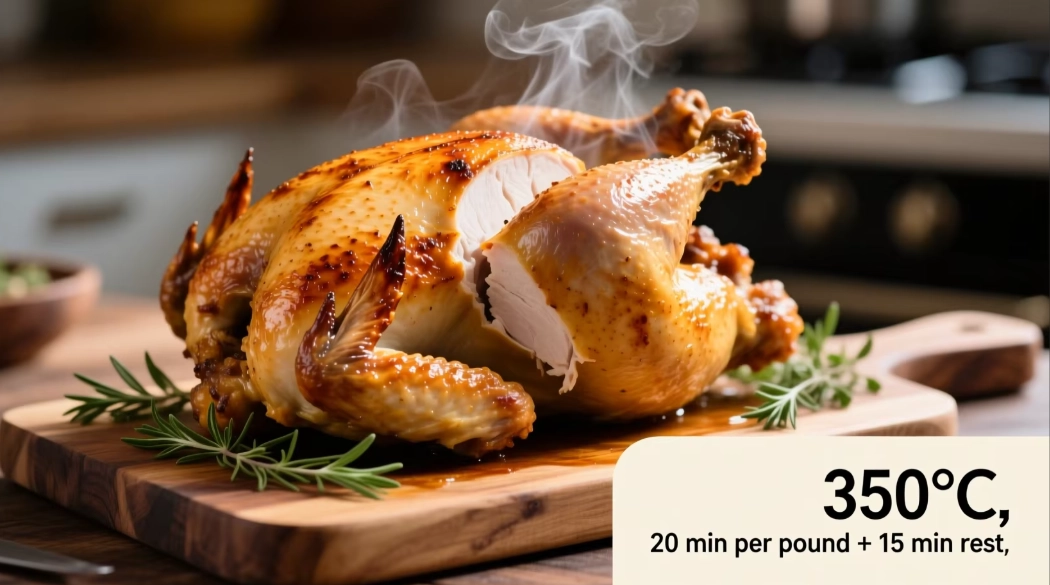
Here's something most recipes skip: the pre-fry temperature drop. When you add cold chicken to 350°F oil, the temperature can plummet by 50 degrees or more. If your burner can't recover quickly, you're now frying at 300°F, which means longer cook times and oilier food. That's why letting your breaded chicken sit at room temp for 20 minutes before frying makes a huge difference—it lessens the shock to the oil.
The Foolproof 350°F Deep-Frying Process: Step-by-Step
Let's walk through a real scenario: frying a batch of bone-in chicken thighs. This isn't just about timing; it's about control.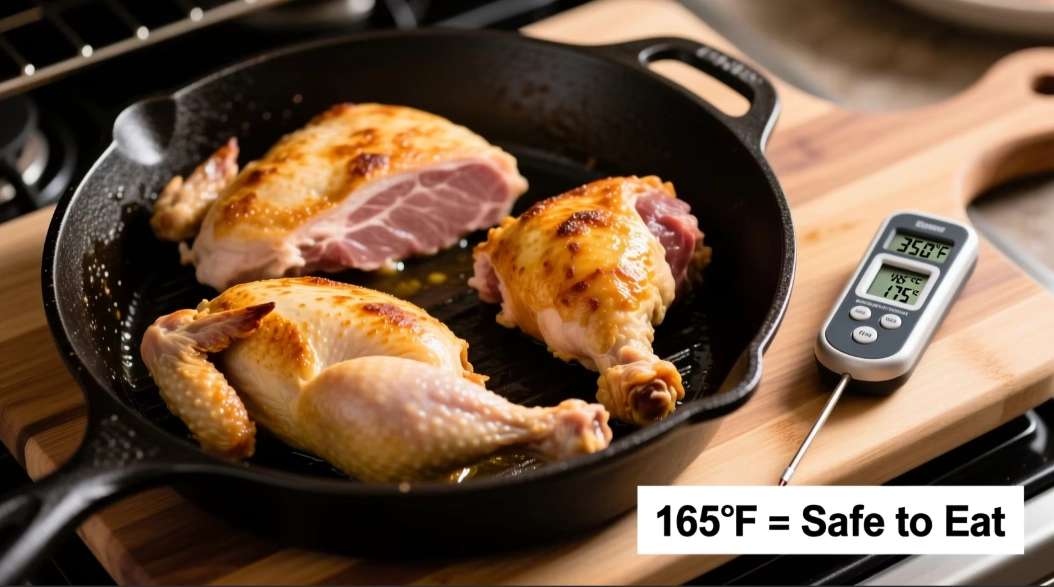
1. Prep Your Station and Oil
Use a heavy-bottomed Dutch oven or deep fryer. Fill it no more than halfway with a high-smoke-point oil like peanut, canola, or vegetable oil. Attach your deep-fry thermometer to the side. Heat the oil slowly over medium-high heat to 350°F. This is your target before adding food.
2. Prepare the Chicken
Pat your thighs completely dry with paper towels. Moisture is the enemy of crispness. Season your flour or batter well. After breading, let the chicken rest on a wire rack for 15-20 minutes. This helps the coating set and allows the chicken to lose its chill.
3. The Frying Act Itself
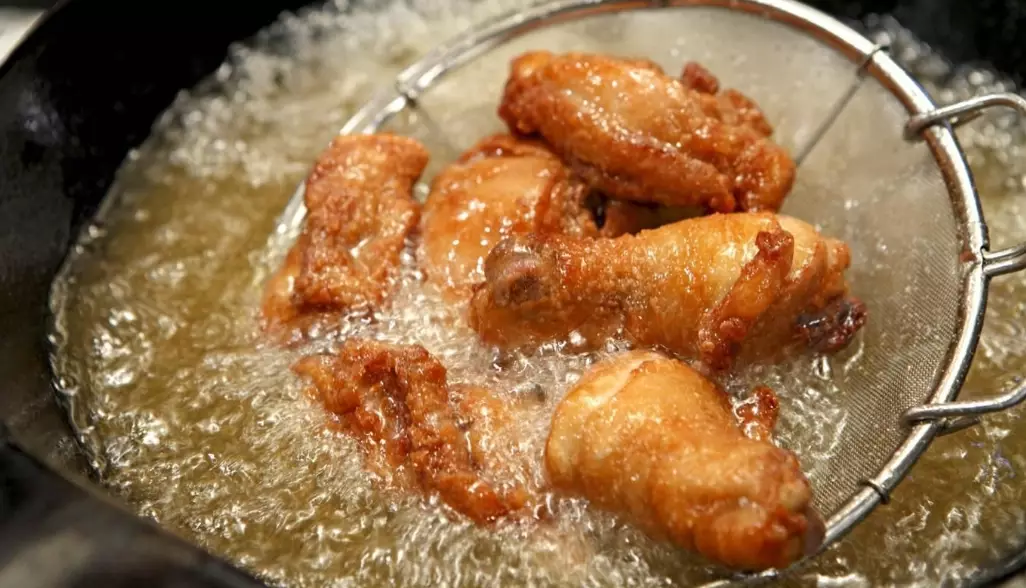
Gently lower 3-4 thighs into the oil using tongs or a spider strainer. Don't drop them. The oil will bubble vigorously and the temperature will drop. Adjust the heat to maintain a steady 325-335°F during frying. This is the real frying temperature.
Set a timer for 12 minutes, but start checking at 10. The chicken should be golden brown and floating. The real test? Pierce the thickest part near the bone with a thermometer. If it reads 175°F, it's done. If not, give it another minute and check again.
4. Draining is Part of Cooking
Immediately transfer the fried chicken to a wire rack set over a sheet pan. Do not drain on paper towels. Paper towels trap steam and create a soggy bottom. The rack allows air to circulate, keeping everything crisp. Let it rest for 5 minutes—the internal temperature will continue to rise a few degrees, and the juices will redistribute.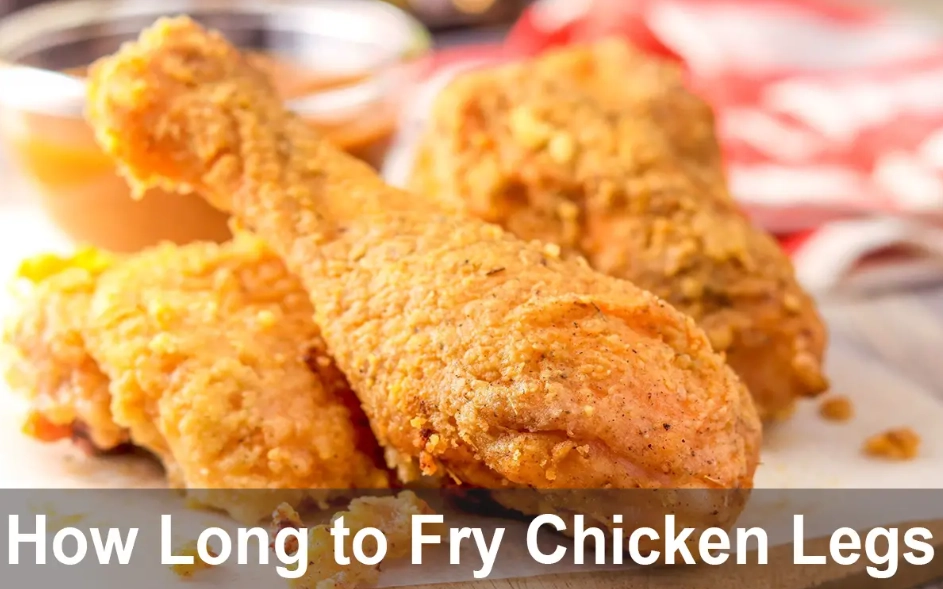
3 Common Mistakes That Ruin Fried Chicken at 350°F
Knowing what not to do is half the battle.
Mistake #1: Frying Straight from the Fridge. This is the #1 cause of undercooked interiors and overcooked exteriors. Cold chicken sucks heat from the oil, extending cook time and forcing the outside to over-brown before the inside is done. Always let it temper on the counter.
Mistake #2: Trusting Color Over Temperature. A beautiful golden brown crust can lie. I've seen chicken that looks perfect on the outside but is still pink near the bone. Your eyes are a good guide, but your thermometer is the judge. Always take the internal temperature.
Mistake #3: Not Letting the Oil Reheat Between Batches. After you pull out a batch, the oil temperature will be low. If you add the next batch immediately, you're starting at a disadvantage. Wait for the oil to climb back to a solid 350°F. This ensures each batch gets the same hot, quick fry for maximum crispness.
Your Fried Chicken Questions, Answered
 How does frying at 350°F compare to using an air fryer for chicken?
 The key to perfect deep-fried chicken at 350°F isn't memorizing a number. It's understanding that time is a variable controlled by size, temperature management, and your own eyes and tools. Start with the times in the chart, but let the thermometer and the golden-brown color be your final guides. Control the heat, don't overcrowd the pot, and let that chicken drain properly. Do that, and you'll move beyond just frying chicken to mastering it.
Related Articles