Whole Cooked Chicken: Your Ultimate Guide to Buying, Cooking, and Serving
Let's be honest. The sight of a golden-brown, perfectly cooked whole chicken – whether you picked it up hot from the grocery store rotisserie or pulled it from your own oven – is a beautiful thing. It's the ultimate kitchen shortcut and a cornerstone of home cooking. But most people barely scratch the surface of what this humble bird can do. They eat the legs and breasts for one meal, then stare at the carcass with mild guilt before tossing it. That stops today. This guide isn't just about buying or roasting a chicken; it's about mastering a system that saves you time, money, and countless weeknight dinner dilemmas.
What You'll Find in This Guide
How to Choose the Best Store-Bought Rotisserie Chicken
Not all rotisserie chickens are created equal. The $4.99 bird and the $12.99 bird serve different purposes. Your choice should depend on whether you need a quick protein fix or the foundation for a flavorful meal.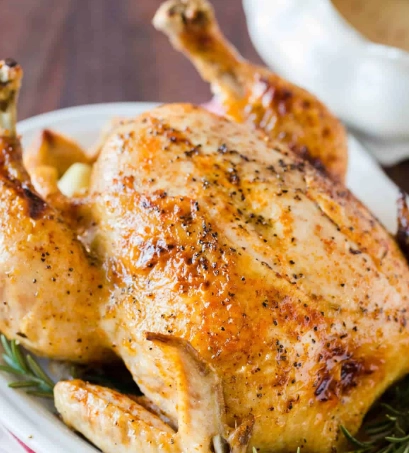
I've made it a point to try the major players. Here's the real breakdown, based on price, flavor, and best use case.
| Store | Average Price | The Vibe & Flavor | Best For | Hours (Hot) |
|---|---|---|---|---|
| Costco | $4.99 (huge size) | The undisputed value king. Seasoned simply, consistently juicy, massive (3lbs+). It's a beast. | Feeding a crowd, meal prep where chicken is a component (soups, salads, casseroles). | Usually until 7-8 PM, but they sell fast. |
| Whole Foods | $9.99 - $12.99 | The "premium" option. Often organic, no antibiotics. Herb seasoning is more pronounced. Skin is usually crisper. | When quality/organic is a priority, or when the chicken itself is the star of a simple dinner plate. | Most locations rotate them out until 9 PM. |
| Sam's Club | $4.98 | Very similar to Costco in size and value. Some find the seasoning a tad saltier. | Same as Costco—bulk meals and prep. | Similar evening hours, availability varies. |
| Kroger / Ralphs | $6.99 - $8.99 | The reliable weekday grab. Often have flavor varieties (lemon pepper, BBQ). Consistent and convenient. | A last-minute dinner solution on the way home from work. Good for 2-3 people. | Most delis keep them hot until store closing. |
A common mistake? Assuming the "premium" chicken is always better for every use. If you're going to shred the meat for a heavily seasoned chicken tinga or a pot pie, the subtle herb notes of a $12 chicken are completely lost. Save your money and go for the value bird. Conversely, if you're serving slices with just some roasted veggies, the better quality and flavor of the pricier option shines.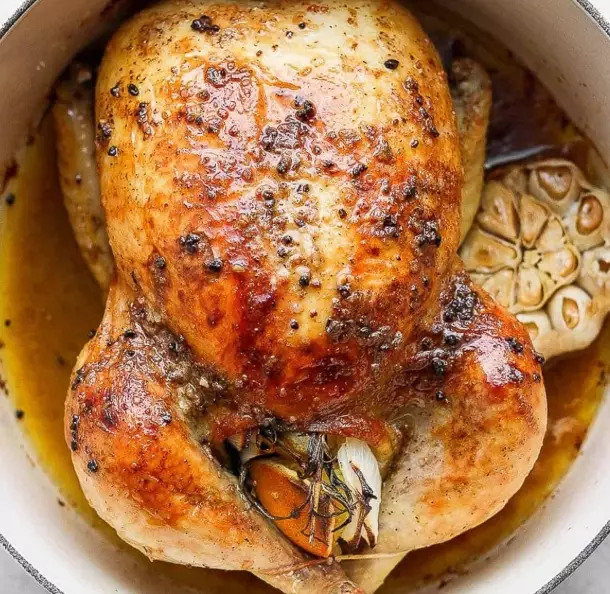
Pro Move: Ask the deli counter when their next batch is coming out. A chicken that's been sitting under the heat lamp for two hours is a sad, dried-out shadow of one that came out 20 minutes ago. Timing your purchase can make a world of difference in juiciness.
Leftover Magic: Transforming One Bird into Three Meals
This is where a whole cooked chicken pays for itself ten times over. The goal is strategic disassembly and purposeful planning.
Meal 1: The Immediate Feast
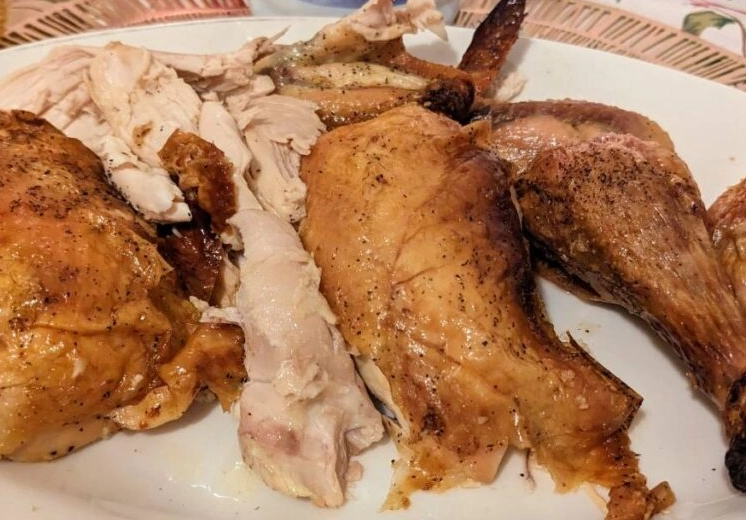
Night one is straightforward. Carve off the legs, thighs, and wings. Serve with a bagged salad and a loaf of crusty bread. Minimal effort, maximum satisfaction. Save the breasts for tomorrow—they dry out the fastest.
Meal 2: The Shredded Protein Boost
This is where you use the breast meat. Shred it with two forks. Now you have options:
- Chicken Salad: Mix with Greek yogurt, diced celery, grapes, almonds, and a squeeze of lemon.
- Quick Tacos: Sauté the shredded meat with a packet of taco seasoning and a splash of chicken broth. Done in 5 minutes.
- Soup Starter: Toss it into a pot of simmering broth with some noodles and frozen veggies for an instant chicken noodle soup.
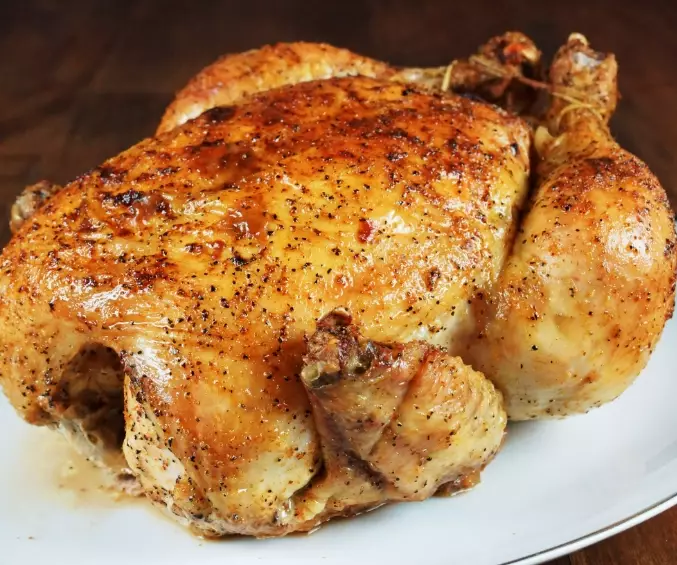
Meal 3: The Foundation (The Carcass)
Don't you dare throw that skeleton away. This is free gold. Throw the entire carcass (break it up if you need to), any remaining skin, and those jelly-like bits from the container into a pot. Cover with water, add a chopped onion, a carrot, a celery stalk, and a bay leaf. Simmer for 2-4 hours. Strain, and you have several quarts of rich, homemade chicken stock. It's infinitely better than anything from a box. Use it for risotto, soups, or to cook grains like rice or quinoa for a flavor upgrade.
How to Roast a Whole Chicken at Home (That's Actually Juicy)
Roasting your own chicken is a rite of passage. It seems intimidating, but it's one of the simplest, most rewarding things you can cook. Forget fancy brines or complicated spatchcocking for your first try. Let's nail the basics.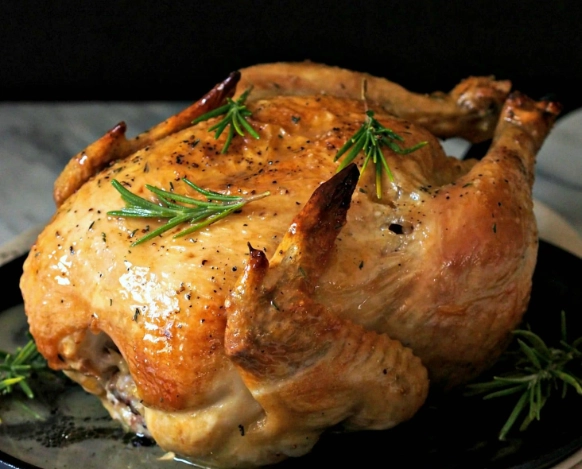
What you need: A 4-5 lb chicken, patted very dry with paper towels. Oil or softened butter. Salt and pepper. An onion and some garlic for the cavity. A roasting pan or oven-safe skillet.
The Critical Steps Everyone Messes Up:
1. Dry the Bird, Inside and Out. This is non-negotiable. Wet skin steams; dry skin roasts and gets crisp. Spend a good two minutes with paper towels.
2. Season Under the Skin. Gently slide your fingers between the skin and the breast meat to loosen it. Rub some of your oil or butter and salt directly onto the meat. This seasons the chicken itself, not just the skin.
3. Truss It. Or Don't. But Tie the Legs. Full trussing is for pros. Just take a short piece of kitchen twine and tie the drumstick ends together. This helps the bird cook evenly.
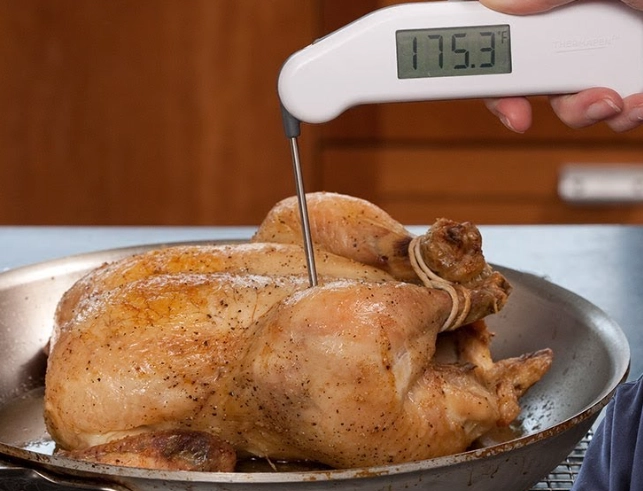
4. The Temperature Dance. Start high, finish low. Crank your oven to 425°F (220°C). Roast the chicken for 20 minutes. This blasts the skin with heat, starting the crisping process. Then, without opening the door, reduce the heat to 375°F (190°C) and roast for another 45-60 minutes, until a meat thermometer inserted into the thickest part of the thigh reads 165°F (74°C).
5. REST. FOR 15 MINUTES. I know it's hard. The smell is incredible. But if you carve it immediately, all the juices will flood onto the cutting board, leaving you with dry meat. Let it sit. The residual heat will finish the cooking perfectly and redistribute the juices.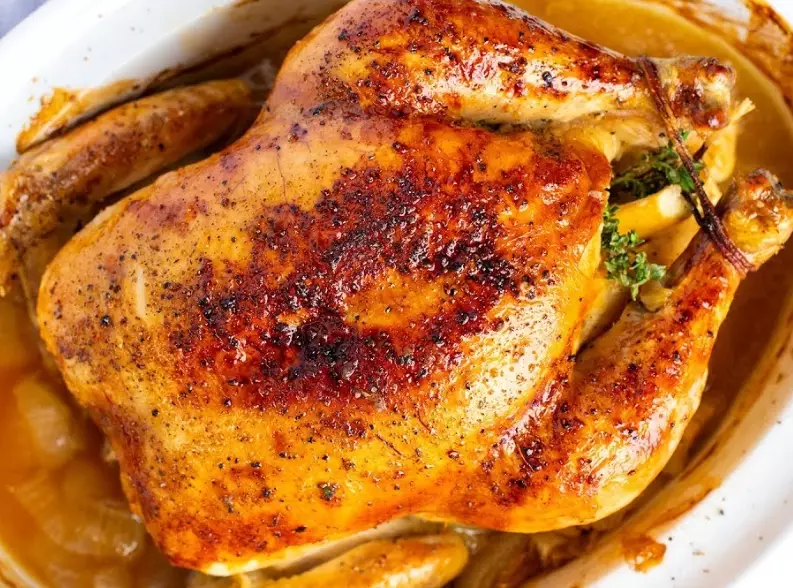
Expert Tricks You Won't Find on the Package
After roasting more chickens than I can count, here are the subtle game-changers.
For Crispier Skin on a Homemade Roast: After drying the chicken, leave it uncovered on a plate in your fridge for a few hours or overnight. This air-dries the skin even further, leading to an almost crackling-like crispness.
The "Herb Bomb" for Store-Bought Birds: Think grocery store rotisserie chicken is bland? Make a quick compound butter: mix softened butter with chopped rosemary, thyme, and a garlic clove. Slide pats of this under the skin of the warm chicken and let it melt in for 10 minutes. Instant flavor upgrade.
Salvaging Dry Breast Meat: It happens. Don't force down sawdust. Shred the dry breast meat and mix it with a generous amount of warm chicken broth or a creamy sauce. It will rehydrate and become perfectly usable for soups, pot pies, or chicken salad.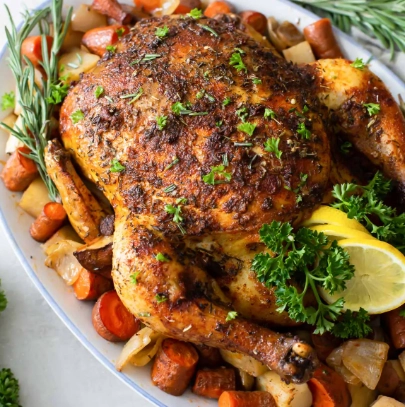
Your Whole Chicken Questions, Answered
Related Articles