The Perfect Roast Chicken and Vegetables: An Easy, Foolproof Guide
Let's be honest. A dry, bland roast chicken with soggy, undercooked vegetables is a weekend killer. We've all been there. You follow a recipe, but something goes wrong. The skin isn't crisp, the breast is like sawdust, and the potatoes are still hard. It feels like a culinary conspiracy.
But it doesn't have to be that way. Getting a juicy, flavorful roast chicken with deeply caramelized, tender vegetables on a single pan is not just for restaurant chefs. It's a simple, reliable process anyone can master. I've roasted hundreds of chickens over the years, and I'm here to tell you the secret isn't a fancy ingredient. It's a handful of non-negotiable techniques and understanding why you do each step.
This guide will walk you through the entire process, from picking the bird to carving it, with a focus on the mistakes almost everyone makes (and how to avoid them).
What You'll Learn in This Guide
How to Choose the Right Chicken for Roasting
This is where your meal's fate is often decided before you even turn on the oven. Grabbing any plastic-wrapped chicken is the first misstep.
Size matters. For a standard family meal, aim for a 4 to 5-pound bird. Anything smaller tends to dry out before the skin crisps properly. Anything much larger can cook unevenly. A 4.5-pounder is the sweet spot.
"Air-Chilled" is not just marketing. Most chickens are cooled in a cold water bath, which means they absorb water. You're paying for that water, and it steams in the oven, preventing crispy skin. Air-chilled chickens cost a bit more but have less retained water, leading to profoundly better browning and flavor concentration. It's the single biggest quality upgrade you can make.
Consider kosher chickens. They're pre-salted during processing, which seasons the meat from the inside. It's a great shortcut to well-seasoned meat, but remember to adjust any added salt in your recipe.
My personal rule? I'd rather roast a smaller, high-quality air-chilled chicken than a giant, water-logged one. The results are incomparable.
Preparing Vegetables That Actually Roast, Not Steam
Piling wet, unevenly cut veggies under a chicken is a recipe for a steamed, mushy mess. The goal is caramelization, the Maillard reaction that creates sweet, complex flavors.
Cut them right. Uniform size is non-negotiable. Aim for 1 to 1.5-inch chunks. Baby potatoes can be halved. Carrots and parsnips cut into similar-sized batons. If you cut some tiny and some huge, the small ones will burn while the big ones are raw.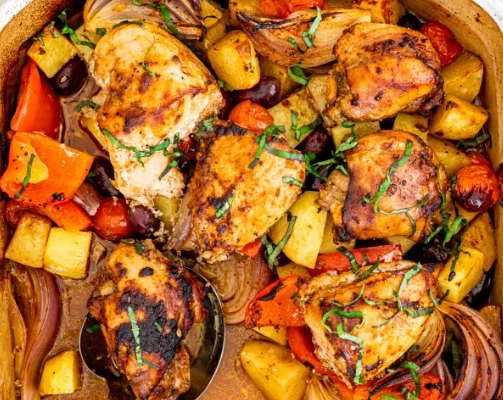
The moisture enemy. Wash your veggies, but then dry them thoroughly with a kitchen towel. Wet surfaces steam. I've ruined many a tray of potatoes by being lazy here.
Choose high-heat champions. Not all vegetables roast at the same rate. For a one-pan meal, stick to sturdy, medium-starch options:
- Potatoes: Yukon Golds or small red potatoes. Russets can fall apart.
- Root Vegetables: Carrots, parsnips, turnips, sweet potatoes.
- Alliums: Onions (cut into wedges), shallots (halved).
- Others: Fennel bulbs (quartered), whole garlic cloves.
Avoid watery vegetables like zucchini or broccoli for this method—they'll turn to slop under the chicken. Toss them in for the last 15-20 minutes if you must.
How do I get crispy chicken skin?
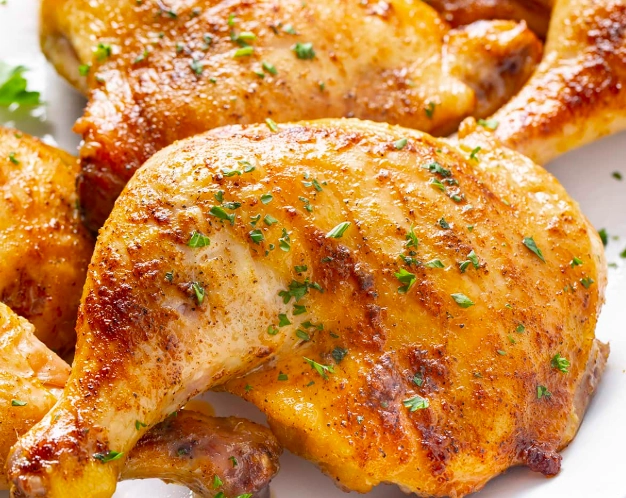
The holy grail. It comes down to two things: dryness and high heat. Pat the chicken skin completely dry inside and out with paper towels. Any moisture will turn to steam and prevent crisping. Then, ensure your oven is fully preheated, and don't crowd the pan. The skin needs direct, hot air.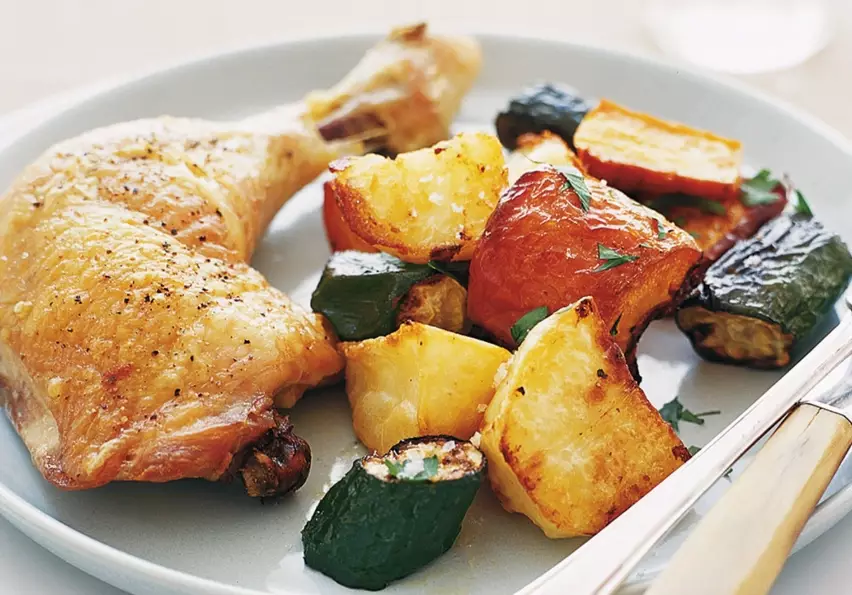
The Critical Pre-Roast Chicken Prep (Most People Skip This)
Here's the expert move that separates okay roast chicken from legendary roast chicken: Dry-brining. Forget wet brines (messy, dilutes flavor). Dry-brining is salting the chicken, uncovered, in the fridge for several hours or up to a day before roasting.
Why it works: The salt draws out moisture, which then dissolves the salt and gets re-absorbed back into the meat, seasoning it deeply and helping it retain juices during cooking. The uncovered fridge time also dries out the skin, which is the secret to ultimate crispiness.
How to do it: Pat the chicken very dry. Season generously inside the cavity and all over the skin with kosher salt (about 1 tsp per pound). Place it on a rack over a plate or tray and leave it in the fridge, uncovered, for at least 4 hours, but 12-24 is magic. You'll see the skin become papery and dry to the touch. That's exactly what you want.
Right before roasting, take the chicken out, let it sit at room temp for 45-60 minutes. Roasting a cold bird from the fridge leads to uneven cooking.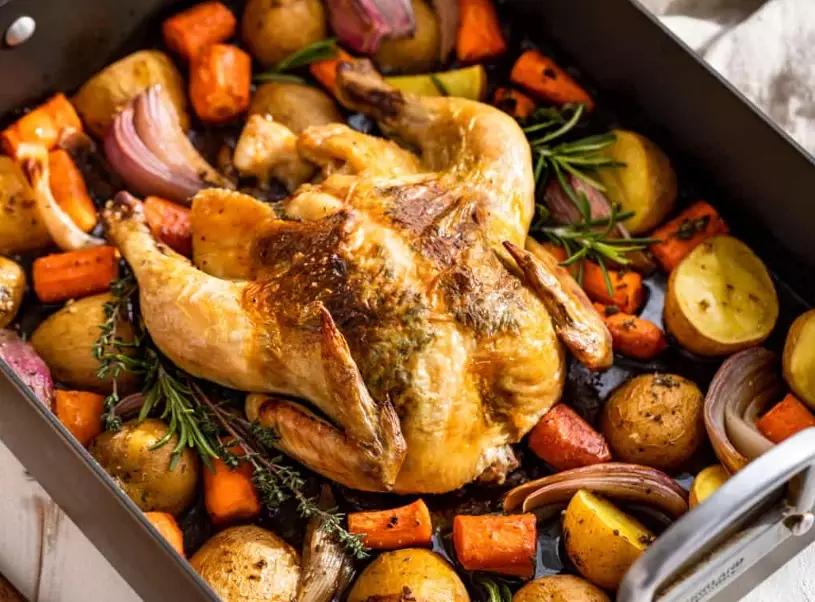
The Step-by-Step Roasting Process
Now we bring it all together. This is the simple, no-fuss method.
1. Oven and Pan: Preheat your oven to 425°F (220°C). Use a large, heavy-duty roasting pan or a rimmed baking sheet. Flimsy pans warp and cause hot spots. Don't line it with foil if you want browning—it steams the veggies. A light coat of oil is fine.
2. Season the Veggies: Toss your prepped, dry vegetables in a bowl with a good glug of olive oil, salt, pepper, and maybe some dried herbs like thyme or rosemary. Spread them in an even layer in the pan.
3. Prep the Chicken: Place your dry-brined chicken on top of the vegetables. Drizzle or rub a little oil over the skin. Add fresh pepper, and you can tuck some herbs (thyme, rosemary) and a halved lemon inside the cavity for aromatic steam.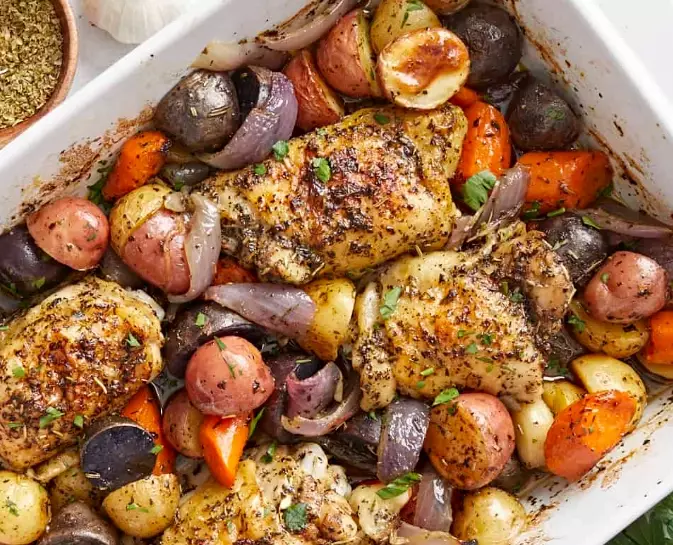
4. Roast: Put the pan in the hot oven. The high heat starts the browning. Roast for 20 minutes at 425°F, then without opening the door, reduce the heat to 375°F (190°C). Continue roasting.
5. The Doneness Test – USE A THERMOMETER: This is the most important tool. Guessing leads to dry chicken. Insert an instant-read thermometer into the thickest part of the thigh, avoiding the bone. The target is 165°F (74°C). The carryover heat will bring it up a few more degrees. Here's a rough guide, but always trust the thermometer:
| Chicken Size | Approx. Total Roast Time | Target Internal Temp (Thigh) |
|---|---|---|
| 4 lbs (1.8 kg) | 60-70 minutes | 165°F / 74°C |
| 4.5 lbs (2 kg) | 70-80 minutes | 165°F / 74°C |
| 5 lbs (2.3 kg) | 80-90 minutes | 165°F / 74°C |
6. Rest: Once done, transfer the chicken to a cutting board and tent loosely with foil. Let it rest for at least 15 minutes. This allows the juices to redistribute. If you cut it open immediately, all the juice runs out onto the board. While it rests, you can give the vegetables a stir and pop them back in the oven if they need more color.
7. Serve: Carve the chicken and serve it with those glorious, chicken-fat-roasted vegetables.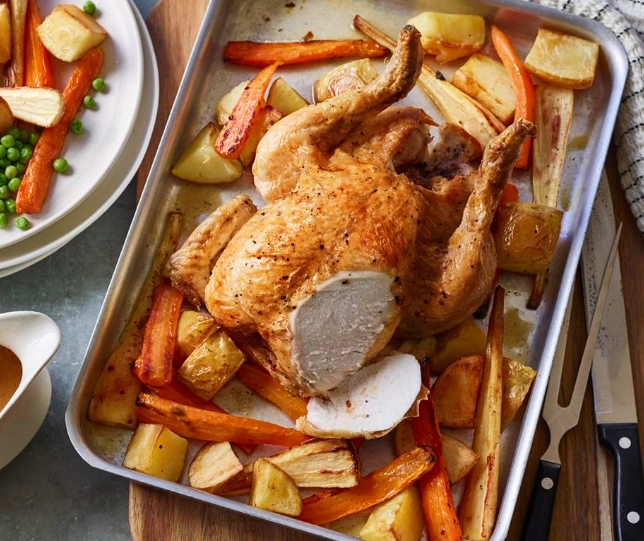
How do I prevent my vegetables from getting soggy?
Two things: space and fat. Don't overcrowd the pan. The vegetables should be in a single layer with a little room between them. If they're piled on top of each other, they'll steam. Also, make sure they're well-coated in oil. The oil conducts heat and promotes browning, not steaming.
Common Pitfall: Basting. Many recipes tell you to baste the chicken with pan juices. For crispy skin, this is a mistake. Opening the oven door lets heat escape, and wetting the skin with juices makes it soggy. Let the dry heat do its work.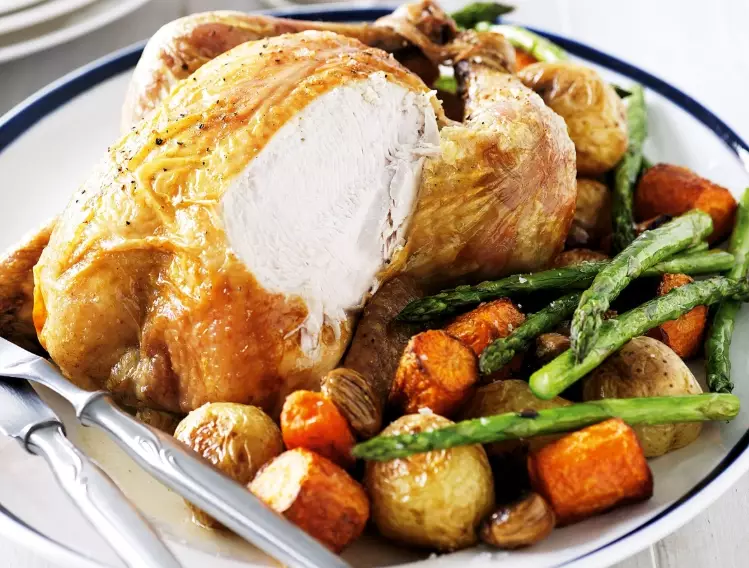
Your Roast Chicken Questions, Answered
Related Articles