Perdue Dino Nuggets with Veggies Review: The Ultimate Parent's Guide
Navigating This Review
- What Exactly Are Perdue Dino Nuggets with Veggies?
- The Nutrition Facts: A Closer Look
- The All-Important Taste and Kid Test
- How to Cook Them for Best Results
- How Do They Compare to Other "Healthy" Nuggets?
- The Price Check: Are They Worth the Cost?
- Answering Your Big Questions (FAQ)
- My Final, Unvarnished Opinion
Let's be honest. The phrase "healthy chicken nuggets" sounds about as believable as a toddler who says they didn't draw on the wall. As a parent constantly juggling work, life, and the eternal quest to get something green into my kids, I'm naturally suspicious of any food that promises to make my life easier while also being good for them. So when I first saw Perdue Dino Nuggets with veggies at the store, I did a double-take. Dinosaur-shaped chicken… with hidden vegetables? It felt too good to be true. Was this the holy grail for busy parents and picky eaters, or just another cleverly marketed freezer item?
I decided to find out. This isn't just a quick taste test. I bought multiple bags, fed them to my notoriously picky six-year-old and his slightly more adventurous four-year-old sister, scrutinized the label under a nutritional microscope, and even cooked them every which way. I also talked to other parents in my circle. What follows is everything I wish I knew before I bought my first bag of Perdue Dino Nuggets with veggies.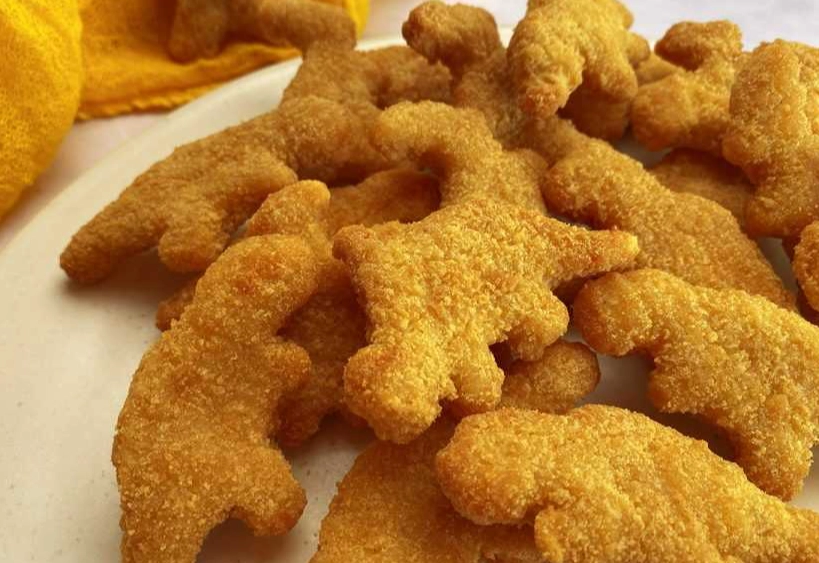
What Exactly Are Perdue Dino Nuggets with Veggies?
Before we get into the nitty-gritty, let's define what we're talking about. Perdue Dino Nuggets with veggies are exactly what they sound like: pre-cooked, frozen chicken nuggets shaped like dinosaurs (T-Rex, Stegosaurus, you name it) that have pureed vegetables mixed right into the chicken blend. The idea is genius in its simplicity—leverage the irresistible power of dinosaur shapes to deliver a bit of extra nutrition.
Perdue isn't the only one in this game, but they're a major player. As a company, they've been pushing their "no antibiotics ever" and higher-welfare chicken standards for a while. The "with veggies" line is part of that broader move toward what they call "better-for-you" options. But does the reality live up to the premise?
The Ingredient Breakdown: No Decoding Required
I hate ingredient lists that read like a chemistry exam. Thankfully, the list for Perdue Dino Nuggets with veggies is relatively straightforward. The primary ingredients are white meat chicken and chicken skin (for moisture and binding, I assume). Then come the veggies: butternut squash puree and carrot puree. That's it for the vegetable content—two types. Some folks online seem to think there's a secret garden in there, but it's just squash and carrots.
The rest is pretty standard nugget fare: wheat flour, seasoning, leavening agents, and oils (sunflower and/or canola). I was pleasantly surprised not to find a long list of unpronounceable preservatives. They use things like rice starch and yeast extract, which are fairly common. No artificial flavors or colors, which is a big plus in my book. The protein comes from the chicken, and the carbohydrates from the flour and veggie purees.
The Nutrition Facts: A Closer Look
Okay, let's talk numbers. This is where the rubber meets the road. How do Perdue Dino Nuggets with veggies stack up against regular nuggets and against our hopes for a slightly healthier option?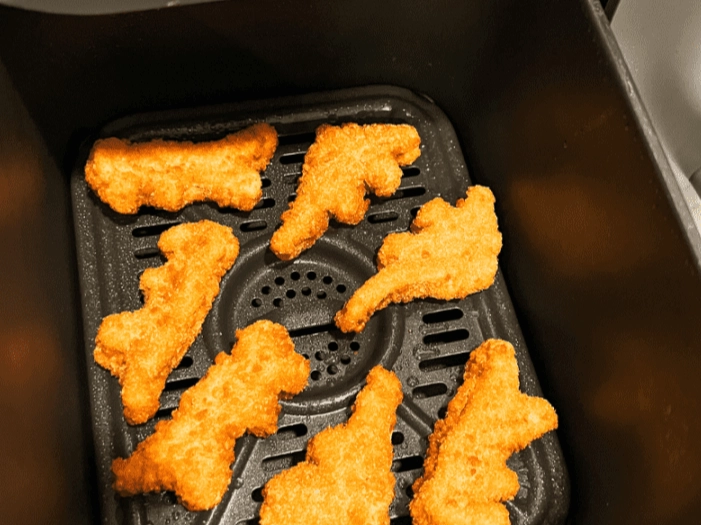
I've put the key data into a table because it's easier to see the comparisons side-by-side. I'm using the information from the Perdue packaging and the USDA FoodData Central for standard breaded chicken nuggets as a baseline. It's always good to check resources like the USDA's FoodData Central to understand general food composition.
| Nutrient (per 5 nuggets / 85g) | Perdue Dino Nuggets with Veggies | Standard Breaded Chicken Nuggets (USDA Avg.) | What This Means |
|---|---|---|---|
| Calories | 200 | ~250 | A noticeable savings. Every bit helps. |
| Total Fat | 11g | ~15g | Lower, likely due to cooking method and blend. |
| Saturated Fat | 2g | ~3.5g | Almost half, which is a positive mark. |
| Protein | 12g | ~14g | Slightly less, possibly from the veggie filler. |
| Carbohydrates | 13g | ~16g | Comparable, but the source differs (veggies vs. more breading). |
| Fiber | 1g | ~1g | No real fiber boost from the veggie purees, which is a letdown. |
| Sodium | 380mg | ~450mg | Lower, but still a significant amount (about 16% DV). |
Looking at this, the Perdue version is clearly a leaner option. Fewer calories, less fat, and less sodium than the average nugget. That's a tangible benefit. The protein content is still decent for a kid's meal. The real disappointment for me was the fiber. At only 1 gram, those vegetable purees aren't contributing much in the way of roughage. They're mostly adding moisture, color, and micronutrients.
So, nutritionally, it's a step in the right direction, but it's not a health food.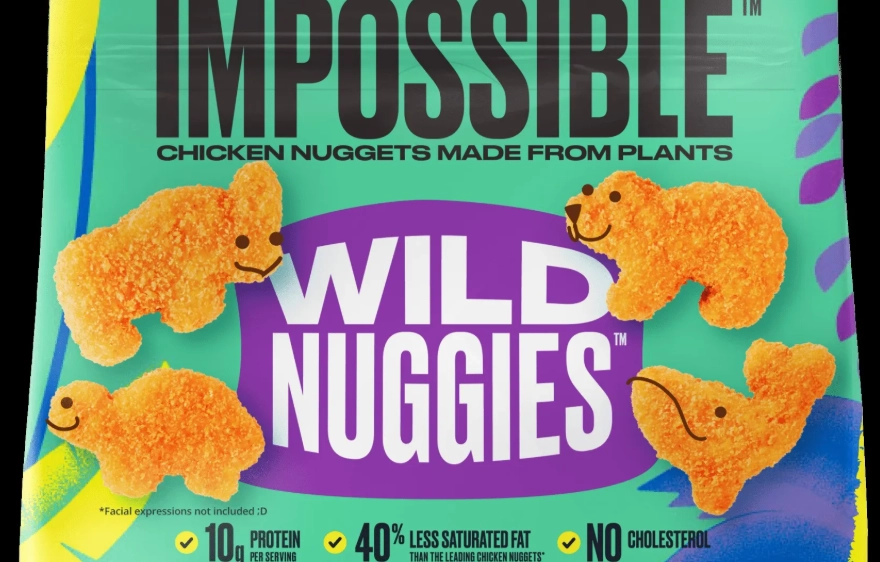
The Vitamin Boost: Where the Veggies Shine
Where the added vegetables make a difference is in vitamins. Butternut squash and carrots are powerhouses of Vitamin A (as beta-carotene). Sure enough, a serving of these dino nuggets provides 35% of the Daily Value for Vitamin A. That's substantial. They also offer 6% DV for calcium and 4% for iron. This is the hidden benefit that often gets overlooked in the "are they healthy?" debate. For a kid who might be skipping orange vegetables, this is a reliable way to get that crucial Vitamin A, which is important for vision and immunity. The Academy of Nutrition and Dietetics emphasizes the importance of Vitamin A for growth and development, which you can read more about on their resource page.
The All-Important Taste and Kid Test
None of the nutritional analysis matters if the kids won't eat them. The moment of truth at my house was… shockingly uneventful. I served the Perdue Dino Nuggets with veggies alongside some apple slices and milk, holding my breath.
The Verdict from the Picky 6-Year-Old: "These are good dinosaurs." No mention of vegetables. No suspicious probing. He ate all five without complaint. Major win.
The Verdict from the 4-Year-Old: "I like the Triceratops!" She focused on identifying the shapes. Also, clean plate.
From an adult palate perspective, they taste like… well, a decent chicken nugget. The texture is moist, which I attribute to the vegetable purees. The coating is crispy when baked properly. There's a very, very slight sweetness in the background—not sugary, but the natural sweetness of squash and carrots. It's not off-putting; it just makes the nugget taste a bit less salty and one-dimensional than some others. I tried them side-by-side with a leading regular nugget brand, and my husband and I both preferred the Perdue version for its more balanced flavor.
How to Cook Them for Best Results
You can follow the package instructions, but I found they're more of a guideline. Through trial and error (and a few soggy or burnt dinosaurs), here's what works best.
Oven/Baking (The Best Method): This gets you the crispiest exterior. Preheat your oven to 425°F. Don't crowd them on the baking sheet. The box says 12-14 minutes, but I found a full 14-15 minutes, flipping halfway through, gives a perfect golden brown crunch. Use a wire rack on the baking sheet for ultimate crispiness on all sides.
Air Fryer (The Fastest & Crispiest): This is my go-to method now. 400°F for 8-9 minutes, shaking the basket halfway. They come out incredibly crispy with less oil. It's a game-changer for texture.
Microwave (The Last Resort): Only if you're truly desperate. It makes them soft and chewy. The kids will still eat them, but you lose all the appealing texture. I don't recommend it.
How Do They Compare to Other "Healthy" Nuggets?
The market for better-for-you kids' food is growing. Here’s a quick, honest comparison based on my tries and research.
- Perdue vs. Regular Store-Brand Nuggets: Perdue Dino Nuggets with veggies wins on lower fat, sodium, and the vitamin boost. The ingredient list is also cleaner. It's a straightforward upgrade.
- Perdue vs. Other Veggie-Blend Nuggets (e.g., Bell & Evans): This is a tighter race. Some brands use more vegetable variety (spinach, broccoli). The nutritional profiles end up very similar. The tie-breaker might be shape (dinosaurs are a universal kid magnet) and availability in your local store.
- Perdue vs. Full Veggie Nuggets (e.g., Dr. Praeger's): Totally different category. Those are vegetable patties, not chicken. They're often lower in protein and won't satisfy a kid craving "chicken." They're a great option, but not a direct substitute.
- Perdue vs. Homemade Nuggets: Homemade will always win on ingredient control. You can use all breast meat, whole wheat panko, and bake them. But let's be real—who has time to make homemade nuggets shaped like dinosaurs on a busy Wednesday? The value of Perdue Dino Nuggets with veggies is in the convenience factor. It's a shortcut that doesn't feel like a total nutritional compromise.
The Price Check: Are They Worth the Cost?
This is a genuine pain point. A bag of Perdue Dino Nuggets with veggies costs more than a bag of standard nuggets. At my supermarket, it's about $1 to $2 more per bag. You're paying for the perceived health benefit, the "no antibiotics ever" chicken, and the dinosaur shapes.
Is it worth it? For me, on most weeks, yes. The peace of mind from a slightly better nutritional profile and the higher likelihood of my kids eating them without a battle justifies the extra couple of dollars. I view it as an investment in a smoother dinner time. However, if your budget is extremely tight, a regular nugget paired with a side of actual vegetables you steam might be a more cost-effective way to achieve a similar nutritional goal.
I wait for sales and stock up. That's my strategy.
Answering Your Big Questions (FAQ)
I scoured parent forums and my own brain for every possible question you might have before hitting "add to cart." Here are the answers.
Are Perdue Dino Nuggets with veggies actually healthy?
They are a healthier choice within the category of processed, breaded chicken nuggets. They are not a health food like grilled chicken breast and a salad. They offer less fat, fewer calories, and a good dose of Vitamin A compared to standard nuggets. Think of them as an improved convenience food.
What vegetables are in them?
Butternut squash puree and carrot puree. That's it. No hidden spinach or broccoli.
Will my picky eater notice the vegetables?
Probably not. The vegetables are pureed and integrated into the chicken mixture. The dominant flavor is still seasoned chicken with a crispy breading. The slight sweetness is subtle and most kids interpret it as just a tasty nugget.
How do I store and reheat leftovers?
Store cooked nuggets in the fridge for up to 3 days. Reheat in a toaster oven or air fryer at 350°F for 3-4 minutes to restore crispiness. The microwave will make them rubbery.
Are they gluten-free?
No. They contain wheat flour. Perdue does have gluten-free nugget options, but the Dino Nuggets with veggies are not one of them.
Where can I buy them?
Widely available in the frozen food section of major supermarkets like Walmart, Target, Kroger, and Safeway. You can also use the store locator on the Perdue website.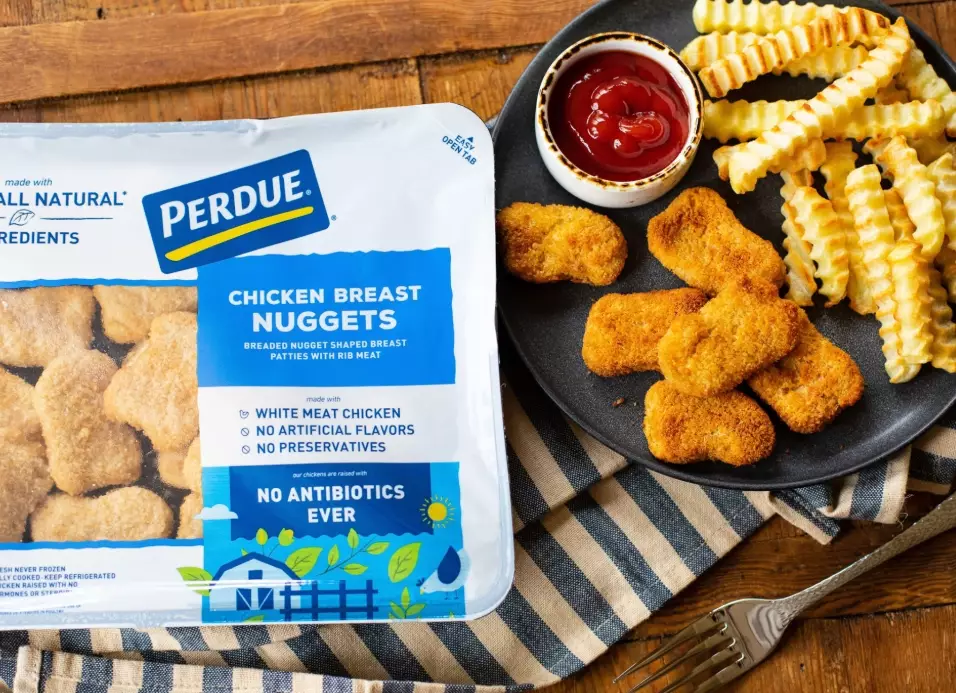
My Final, Unvarnished Opinion
After weeks of having these in my freezer, here's my bottom line. Perdue Dino Nuggets with veggies have earned a permanent spot in my rotation. They are not a magic bullet, and they shouldn't be the only vegetable source your child eats. But as a tool—a convenient, reliable, and slightly-better-for-you tool—they are excellent.
They solve the problem of "what's for dinner" on hectic nights. They increase the odds of my kids consuming something beyond carbs. They provide a protein and Vitamin A boost without a fight. That's a lot of value from a box of dinosaur-shaped food.
The biggest con is the price, followed by the wish that the fiber content was higher. But the pros—cleaner ingredients, lower fat, happy kids—far outweigh those cons for my family.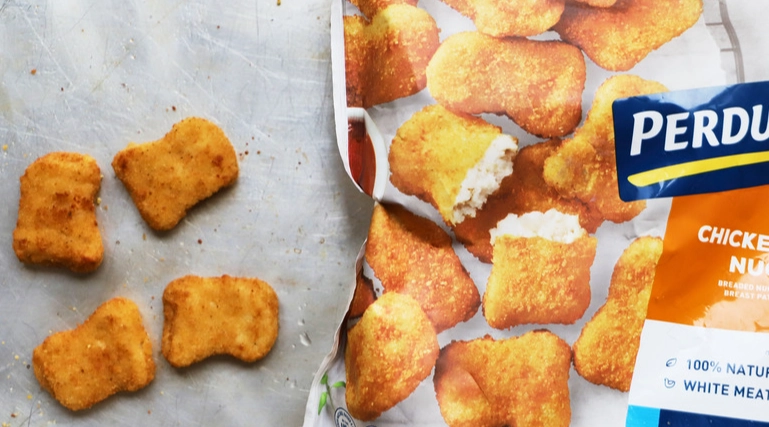
If you're on the fence, grab a bag next time you shop. Do your own taste test. You might just find your new favorite kitchen shortcut.
Related Articles