Chicken Defrosting in Fridge: A Complete Time & Safety Guide
You found a pack of chicken breasts buried in the back of your freezer. Dinner plans are set. Now, the real question hits: how long does chicken need to defrost in the fridge? Forget the vague "overnight" advice. The answer isn't one-size-fits-all. A whole chicken and a thin cutlet live in different worlds. Getting this wrong means either rock-hard chicken at 6 PM or, worse, a safety gamble.
As someone who's prepped more chicken than I care to admit, I can tell you the fridge method is the undisputed champion for safety and quality. The U.S. Department of Agriculture (USDA) agrees, stating it's the only recommended method for thawing chicken if you have the time. It keeps the meat at a safe, constant temperature (below 40°F or 4°C), slowing bacterial growth to a crawl. The cold water or microwave rush jobs? They're compromises, often leading to dry, tough, or partially cooked edges.
Let's break down exactly what you need to know, cut by cut, pound by pound.
Your Quick Thawing Guide
Why Your Fridge is the Undisputed Thawing King
It's slow. That's the whole point. Think of your fridge as a controlled, safe environment where time works for you, not against you.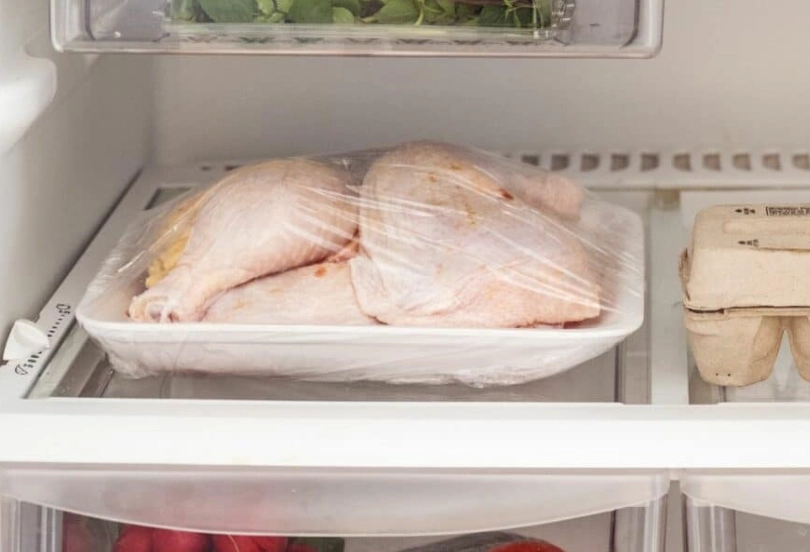
When you thaw at room temperature, the outer layers of the chicken warm up into the "danger zone" (between 40°F and 140°F) long before the inside is thawed. Bacteria love that zone and can multiply rapidly. The fridge keeps every part of the chicken cold throughout the process. The result? Meat that's safer and retains its moisture and texture much better. The cellular structure doesn't get shocked by rapid temperature changes, which is what causes those pools of murky liquid and a dry, stringy texture.
Here's a comparison most guides don't make clear:
- Fridge Thawing: Safe (below 40°F), preserves quality, requires planning. Outcome: Juicy, restaurant-quality chicken.
- Cold Water Thawing: Faster, but requires attention (changing water every 30 mins). Risk: Outer layers can warm up if neglected. Outcome: Good in a pinch, but texture can suffer slightly.
- Microwave Thawing: Fastest. High risk of partial cooking, creating rubbery spots and uneven thawing. You must cook it immediately after. Outcome: A last resort with compromised quality.
- Room Temperature Thawing: Just don't. The USDA explicitly advises against it due to food safety risks.
The fridge wins because it's set-and-forget. You put it in, plan your tomorrow's meal, and it's ready when you are.
The Ultimate Chicken Defrost Time Chart
Forget guesswork. This chart is based on standard packaging and a fridge temperature of 37°F (3°C). Times are approximate. A tightly packed freezer or a very full fridge can add a few hours.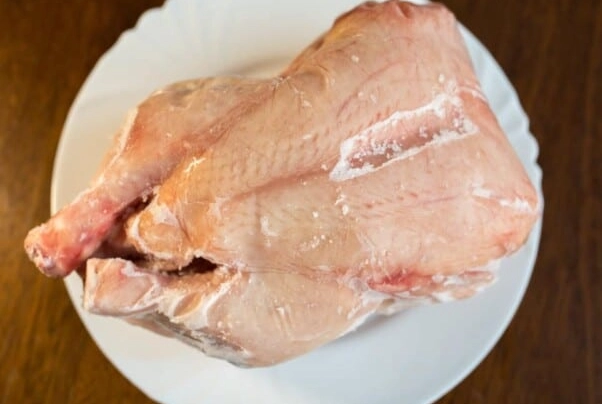
| Chicken Cut | Average Weight / Thickness | Estimated Fridge Thawing Time | Key Consideration |
|---|---|---|---|
| Boneless, Skinless Chicken Breasts | 6-8 oz each, 1-inch thick | 12 - 24 hours | Individually wrapped breasts thaw faster than a solid block. |
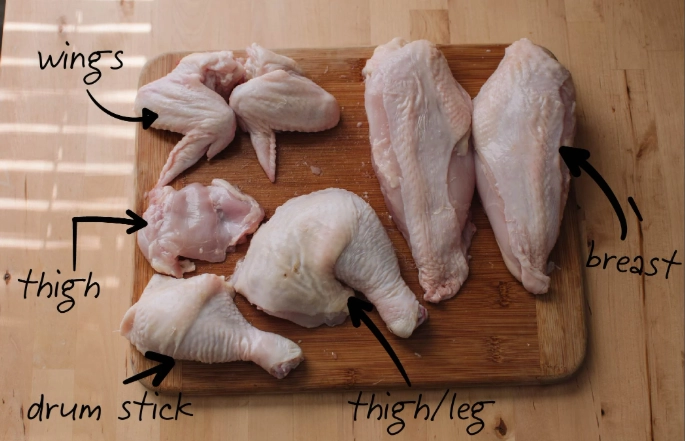
| Bone-in Chicken Breasts or Thighs | 10-12 oz each | 24 - 36 hours | The bone acts as an ice core, significantly slowing thawing. |
| Chicken Thighs or Drumsticks (Bone-in) | 4-5 oz each | 18 - 24 hours | Smaller bone-in pieces thaw quicker than large breasts. |
| Whole Chicken | 3 - 4 lbs | 24 hours (per 5 lbs) | Plan for at least 24 hours for a 3-pounder, often more like 36-48 hours. |
| Ground Chicken | 1 lb package | 18 - 24 hours | Dense packaging slows it down. Break apart gently in bag once partially thawed. |
| Chicken Tenders or Cutlets | 1/2-inch thick or less | 8 - 12 hours | The fastest to thaw due to thinness and high surface area. |
See the pattern? Bone and density are your main time variables. A common mistake is treating a 2-pound pack of bone-in thighs the same as boneless breasts. They're not. The bone-in pack needs that full extra day.
My personal rule, honed from many rushed evenings: For a standard dinner using boneless breasts, I move them from freezer to fridge before I go to bed. They're perfect by 6 PM the next day. For a whole chicken for Sunday roast? That goes in on Friday night, no later.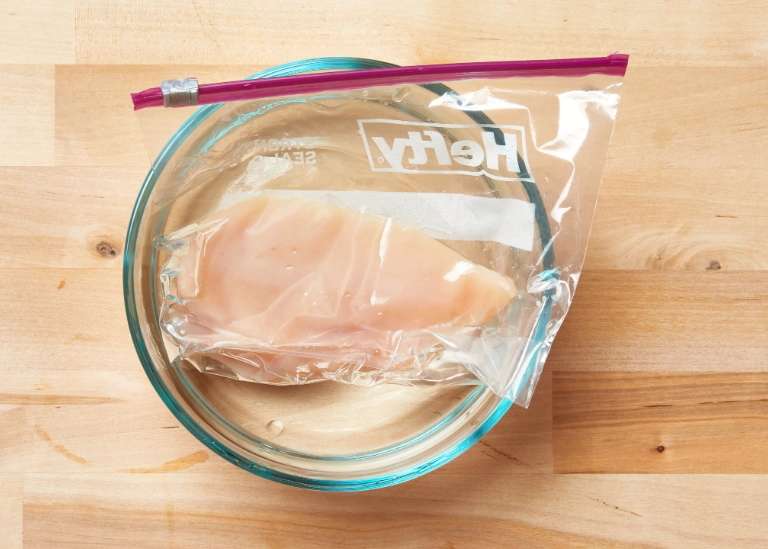
The Pro's Checklist: Doing It Right Every Time
Knowing the time is half the battle. How you set it up matters just as much. Follow this sequence.
2. Keep It Original (Mostly). Thaw the chicken in its original store packaging if it's secure and leak-proof. This minimizes handling and exposure. If the packaging is torn or you're paranoid (like me), place the entire package inside a zip-top bag or another container.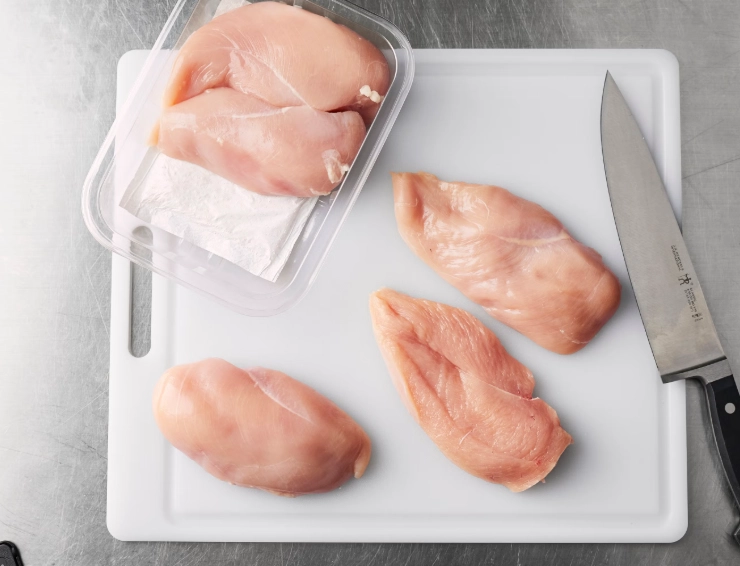
3. Location, Location, Location. Place the dish on the bottom shelf of your fridge, towards the back where it's coldest. This achieves two things: it keeps the chicken at the most consistent low temperature, and if any leakage occurs, it won't drip onto other foods below.
4. The "Flex" Test. How do you know it's done? Poking it with a finger is unreliable. The best method is a gentle flex. A fully thawed chicken breast will be pliable throughout, with no hard, icy core. For a whole chicken, carefully reach into the cavity to feel for any remaining ice. If it's still rigid, it needs more time.
5. The Paper Towel Trick. Once thawed, pat the chicken dry thoroughly with paper towels before seasoning or cooking. Excess surface moisture prevents proper browning and creates steam, which can lead to a pale, boiled taste instead of a flavorful sear. This is a small step with a huge impact on your final dish.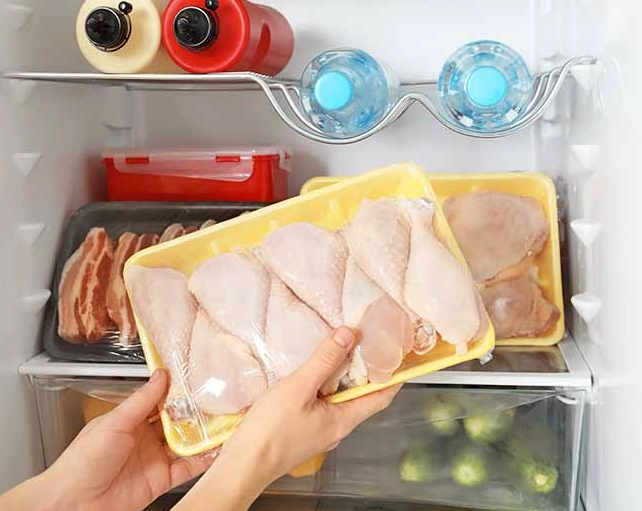
The Clock Starts Ticking: What Happens After It's Thawed?
This is critical. Thawed chicken is not a new product with a fresh clock. According to the USDA's Food Safety and Inspection Service, once thawed in the refrigerator, chicken can be kept safely for an additional 1 to 2 days before cooking. After that, the quality declines and safety risks increase.
If you thawed a whole chicken for Friday but plans change, you can safely re-freeze it before cooking, though you may lose some quality. The USDA states it's safe to refreeze if it was thawed in the refrigerator. The texture might suffer a bit from the double freeze-thaw cycle, making it better suited for soups, stews, or casseroles later rather than grilling.
My own system? I write the thaw date on the package with a marker when I put it in the fridge. No memory required.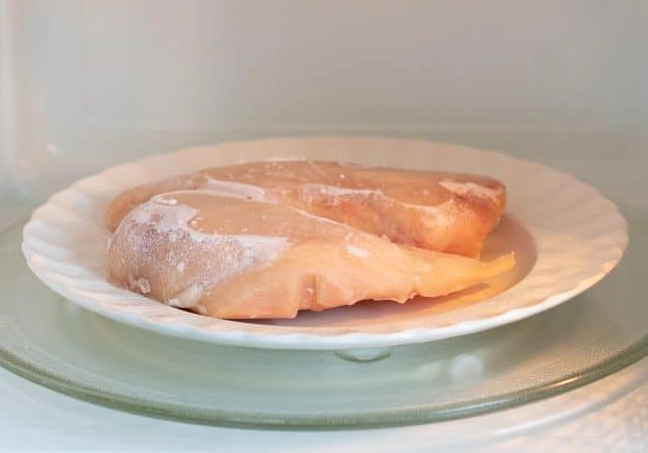
Your Thawing Troubles, Solved
Related Articles