How to Thaw Chicken Safely: Best Methods and Common Mistakes
What You’ll Learn in This Guide
Let’s cut to the chase: thawing chicken wrong can ruin your meal and make you sick. I’ve seen it happen—friends leaving chicken on the counter all day, then wondering why dinner tasted off. If you’re searching for how to thaw chicken, you’re likely worried about food safety or need a quick solution for dinner. This guide will walk you through everything, from the basics to expert tricks most blogs miss.
I’ve been cooking for over a decade, and trust me, thawing is where most home cooks slip up. It’s not just about speed; it’s about keeping bacteria in check. The USDA stresses that improper thawing can lead to foodborne illnesses, something I learned the hard way when I once rushed a thaw and ended up with a questionable chicken breast. We’ll cover methods that are both safe and practical, so you never have to risk it again.
Why Proper Thawing Matters More Than You Think
Thawing chicken isn’t just a step—it’s a safety checkpoint. Chicken harbors bacteria like Salmonella and Campylobacter, which multiply rapidly between 40°F and 140°F (the "danger zone"). If you thaw at room temperature, you’re inviting trouble. A study from the Food Safety and Inspection Service shows that improper thawing contributes to thousands of food poisoning cases yearly. I recall a neighbor who thawed chicken in a sink of warm water, only to serve undercooked pieces; let’s just say the aftermath wasn’t pretty.
Beyond safety, thawing affects texture and flavor. Ever bitten into a rubbery chicken breast? It might have been thawed too quickly. Slow, controlled thawing preserves moisture, making your dishes juicier. Think of it as prepping your chicken for success—skip this, and even the best recipe can fall flat.
The Three Safe Ways to Thaw Chicken: A Detailed Breakdown
There are only three methods recommended by experts: refrigerator thawing, cold water thawing, and microwave thawing. Each has its place, depending on your timeline and cut of chicken. I’ll break them down so you can pick what works for your kitchen.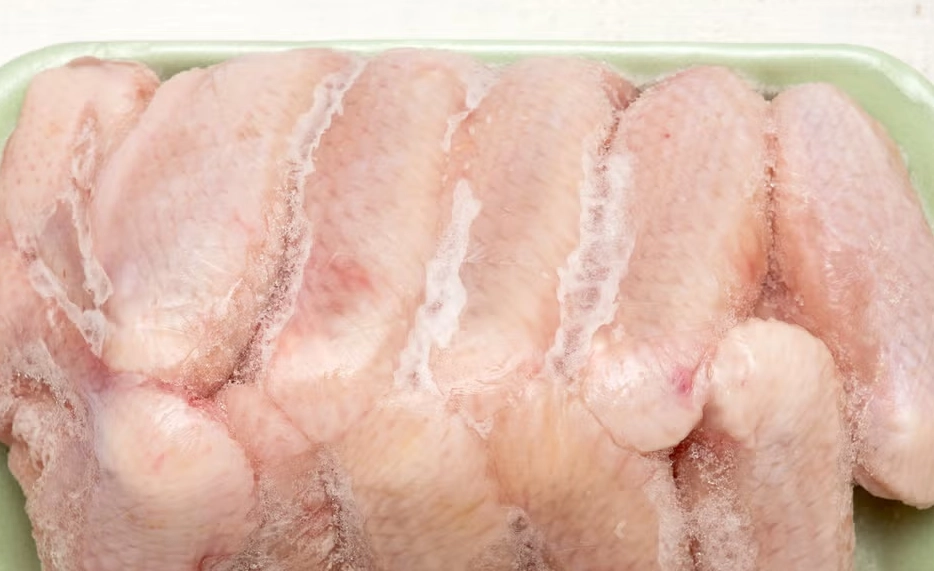
Method 1: Thawing in the Refrigerator – The Gold Standard
This is the safest method, hands down. It keeps chicken at a steady, cold temperature, slowing bacterial growth. Here’s how to do it right:
Place the chicken in its original packaging or a leak-proof container on a plate or tray to catch any drips. Put it on the bottom shelf of your fridge to prevent cross-contamination. Now, the timing—this is where people get impatient. A whole chicken can take up to 24 hours for every 5 pounds. For a typical pack of breasts (about 1 pound), give it 12-24 hours. Yes, it’s slow, but planning ahead saves hassle. I usually thaw chicken overnight if I know I’m cooking the next day.
One nuance: don’t assume it’s thawed just because time’s up. Press the thickest part; if it’s still icy, give it more time. Rushing leads to uneven thawing, and you might end up with frozen spots during cooking.
Method 2: Thawing in Cold Water – The Quick Fix
Need chicken thawed in a few hours? Cold water thawing is your friend. It’s faster than the fridge but requires attention. Submerge the chicken in its airtight packaging or a sealed bag in a bowl of cold water. Change the water every 30 minutes to keep it cold—this is crucial. Warm water accelerates bacterial growth, defeating the purpose.
For a pound of chicken, this takes about 1-2 hours. I’ve used this method for last-minute dinners, but it’s messy. Always use a large bowl to avoid spills, and never reuse the water for anything else. A pro tip: add a few ice cubes to the water to maintain a low temperature. I learned this from a chef friend who swears by it for maintaining texture.
Method 3: Thawing in the Microwave – The Last Resort
Microwave thawing is fast but risky. It can partially cook the chicken, creating hot spots where bacteria thrive. Only use this if you’re cooking immediately after. Set your microwave to the defrost setting, place the chicken on a microwave-safe plate, and follow your microwave’s weight guidelines. Typically, 5-8 minutes per pound, but pause halfway to flip or separate pieces.
My experience? Microwaved chicken often turns rubbery on the edges. If you must use this method, plan to cook it right away—don’t let it sit. And avoid thawing large cuts like a whole chicken in the microwave; it’s too uneven.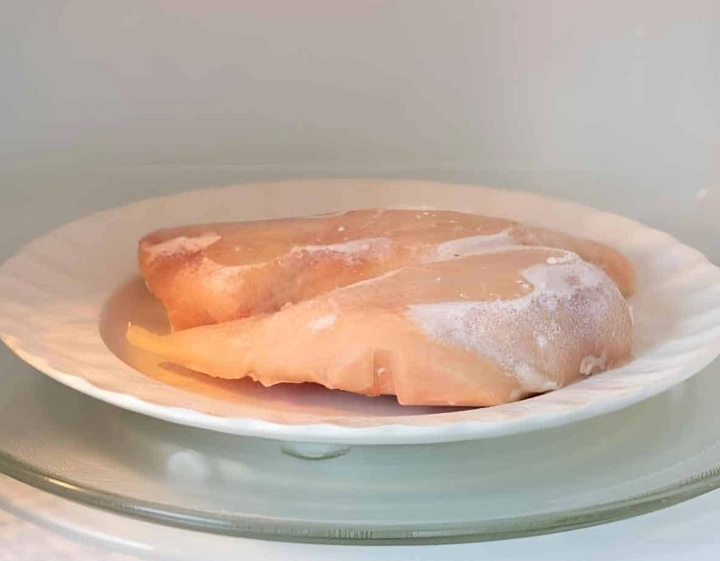
Common Mistakes and How to Avoid Them: An Expert’s Take
Most guides repeat the same warnings, but here are subtle errors I’ve seen even seasoned cooks make:
Using hot water to speed things up. It seems logical, but hot water pushes chicken into the danger zone fast. I once tried it to save time, and the chicken developed a slimy film—a sign of bacterial growth. Stick to cold water only.
Thawing on the counter overnight. This is a big no-no. Room temperature varies, and chicken can spend hours in the danger zone. I’ve had friends argue that "it’s always been fine," but it’s a gamble with your health.
Not accounting for packaging. If chicken is in a vacuum-sealed bag, puncture it before thawing in water to allow water contact. Otherwise, it floats and thaws unevenly. A small detail, but it matters.
Refreezing thawed chicken without cooking it first. This degrades quality and safety. If you thawed chicken but changed plans, cook it thoroughly, then you can freeze the cooked meat. I’ve done this with grilled chicken for later use in salads.
Key Insight: Thawing isn’t just about melting ice; it’s about controlling temperature from start to finish. Treat it like a science experiment—measure time, monitor coldness, and never cut corners.
How Long It Takes for Different Cuts: A Practical Table
Timing varies by cut and method. Here’s a table based on USDA guidelines and my own kitchen tests. Use this as a cheat sheet—I keep a printed version on my fridge.
| Chicken Cut | Approximate Weight | Refrigerator Thawing Time | Cold Water Thawing Time | Microwave Thawing Time |
|---|---|---|---|---|
| Boneless Breasts | 1 lb | 12-24 hours | 1-2 hours | 5-8 minutes |
| Bone-in Thighs | 2 lbs | 24-36 hours | 2-3 hours | 10-15 minutes |
| Whole Chicken | 5 lbs | 24 hours per 5 lbs | 3-5 hours | Not recommended |
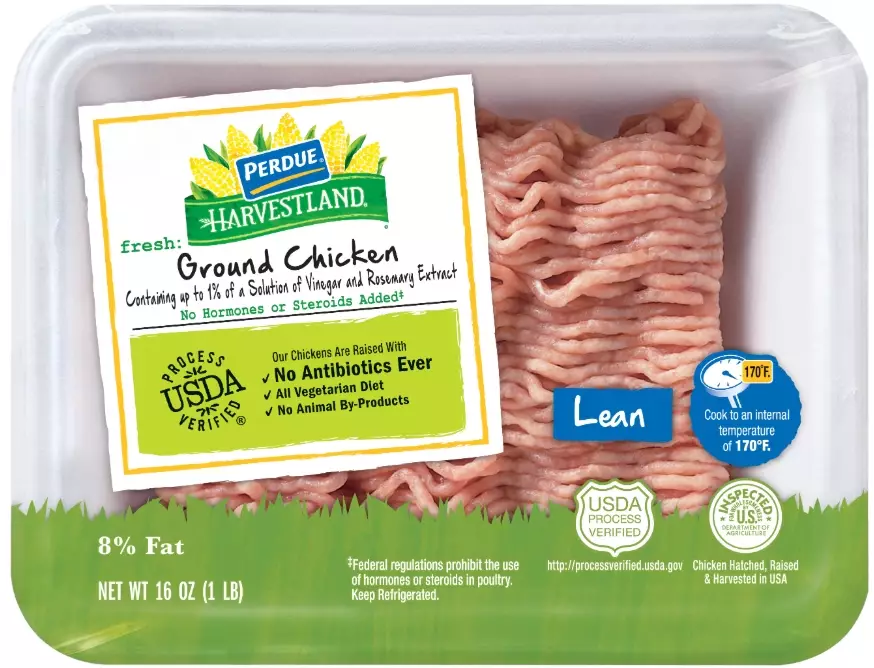
| Ground Chicken | 1 lb | 12-24 hours | 1-2 hours | 5-7 minutes |
Note: These times are estimates. Factors like fridge temperature or water freshness can affect them. For refrigerator thawing, I always add a buffer—if a recipe says thaw for 12 hours, I start 18 hours ahead. It beats rushing.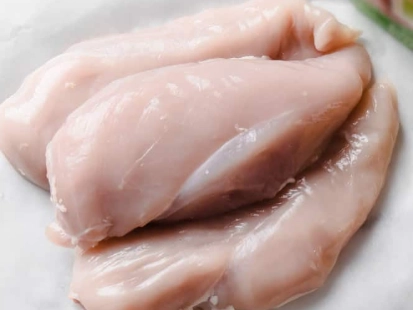
What to Do Once Your Chicken Is Thawed: Next Steps
Thawed chicken is perishable. Use it within 1-2 days if stored in the fridge. Pat it dry with paper towels before cooking—excess moisture can cause steaming instead of searing. I like to season immediately after thawing to let flavors penetrate.
If you’re not cooking right away, store it in the coldest part of your fridge. Avoid leaving it out. For meal prep, I often thaw chicken on Sunday, cook it Monday, and use it throughout the week. This workflow saves time and reduces waste.
Cooking tips: Thawed chicken cooks more evenly than frozen. Aim for an internal temperature of 165°F, checked with a meat thermometer. Don’t rely on color alone—I’ve seen pink chicken that’s fully cooked and white chicken that’s raw inside.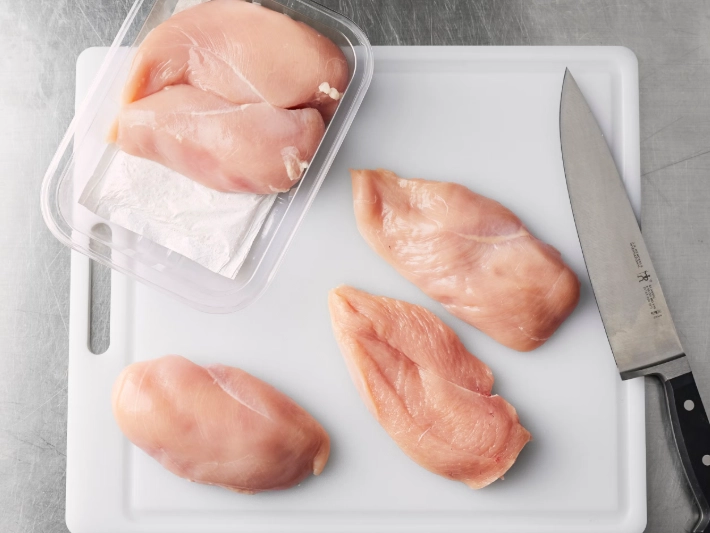
Your Burning Questions Answered
Thawing chicken doesn’t have to be a headache. With these methods, you can handle any situation, from planned meals to dinner emergencies. Remember, safety first—take your time when you can, and use quick methods wisely. Happy cooking!
Related Articles