What Parts of a Chicken Are White Meat? A Complete Guide
In This Guide
- Why the Confusion? White Meat vs. Dark Meat Explained
- The Definitive List: What Parts of a Chicken Are White Meat
- White Meat vs. Dark Meat: A Head-to-Head Comparison
- Cooking White Meat Chicken: How to Avoid the "Dry Breast" Tragedy
- Nutrition: Is White Meat Really Healthier?
- Your Questions Answered: White Meat Chicken FAQ
- Buying and Storing White Meat Chicken
- Putting It All Together: Final Thoughts
You're probably here because a recipe called for "white meat chicken" and you found yourself staring at a whole bird or a supermarket shelf, not entirely sure what to grab. Is it just the breast? What about the wings everyone loves? I've been there too. The confusion is real, and honestly, a lot of food blogs just repeat the same basic line without really digging into the why. Let's clear that up once and for all.
So, what parts of a chicken are white meat? The quick answer is the breast and the wings. That's the core of it. But if we stop there, we're missing the fascinating biology and practical kitchen wisdom behind it. The tenderloin, that little strip under the breast, is also white meat. Understanding this isn't just trivia—it changes how you cook, shop, and eat.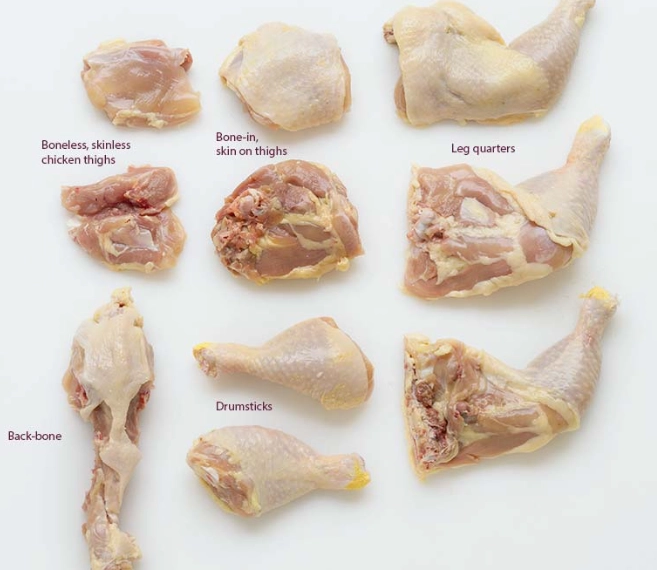
The White Meat Shortlist: When we talk about what parts of a chicken are white meat, we're specifically referring to muscles that are used less for sustained activity. These muscles rely on quick bursts of energy, which leads to a different protein and fat composition. The result? Those classic lean, pale, and quick-cooking cuts.
Why the Confusion? White Meat vs. Dark Meat Explained
It all boils down to myoglobin. Never heard of it? It's the protein that gives muscle its color and stores oxygen. Muscles that work constantly (like legs and thighs used for walking and standing) need more oxygen, so they pack more myoglobin, giving them a darker, reddish hue. They also have more fat and connective tissue for endurance, which translates to richer flavor and a tolerance for longer cooking.
White meat muscles, like the breast (used for brief flapping), are the sprinters. They use a different energy system, have less myoglobin, less fat, and far less connective tissue. This is the fundamental science that answers the question of what parts of a chicken are white meat. It's a functional classification, not just a color one.
I remember arguing with a friend who insisted the wing was dark meat because of the drumette part. We ended up cooking a batch, and sure enough, once cooked, the wing meat was just as pale as the breast. The skin gets crispy and dark, but the meat underneath tells the true story.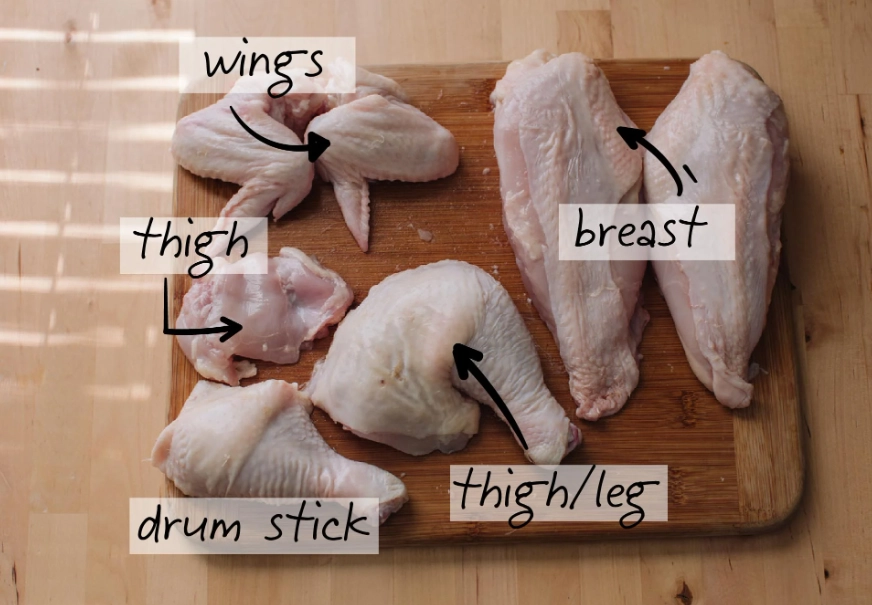
The Definitive List: What Parts of a Chicken Are White Meat
Let's get granular. Here are the specific cuts that fall under the white meat category.
The Primary White Meat Cuts
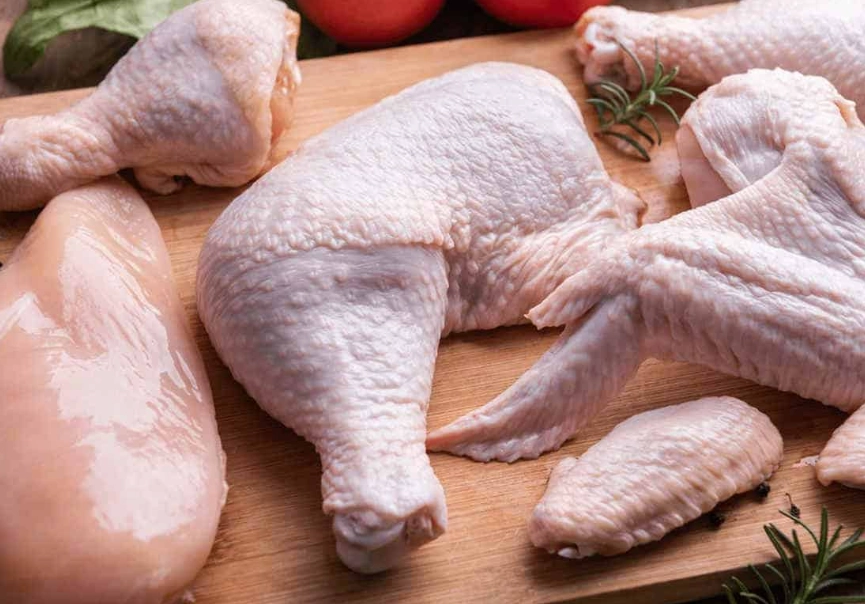
- Breast: The undisputed king of white meat. This includes the whole breast (both halves connected by the bone), split breasts (single half with bone and rib), and boneless, skinless breast fillets. It's the leanest, mildest part.
- Wings: The whole wing, including the drumette, flat (or wingette), and tip. Yes, the entire wing assembly is considered white meat. The drumette might look a bit darker when raw next to a breast, but its muscle fiber type and composition align it with white meat. This is a common point of confusion.
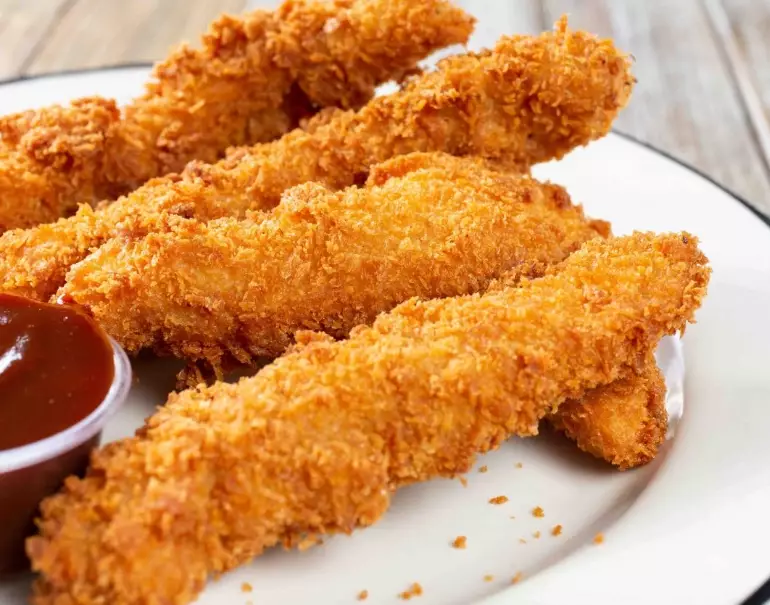
- Tenderloin: Also called the chicken tender or inner fillet. It's that small, tender strip of muscle that lies underneath the main breast. It's the most tender piece of all, pure white meat.
What about the back or the oyster? Nope. Those are part of the dark meat family, connected to the leg and thigh structure. The line is pretty clear once you look at the bird's anatomy.
White Meat vs. Dark Meat: A Head-to-Head Comparison
This isn't about which is better, but about knowing what you're working with. Choosing the right part makes or breaks a dish. I've ruined a few curries by using breast instead of thigh—it just turns dry and stringy.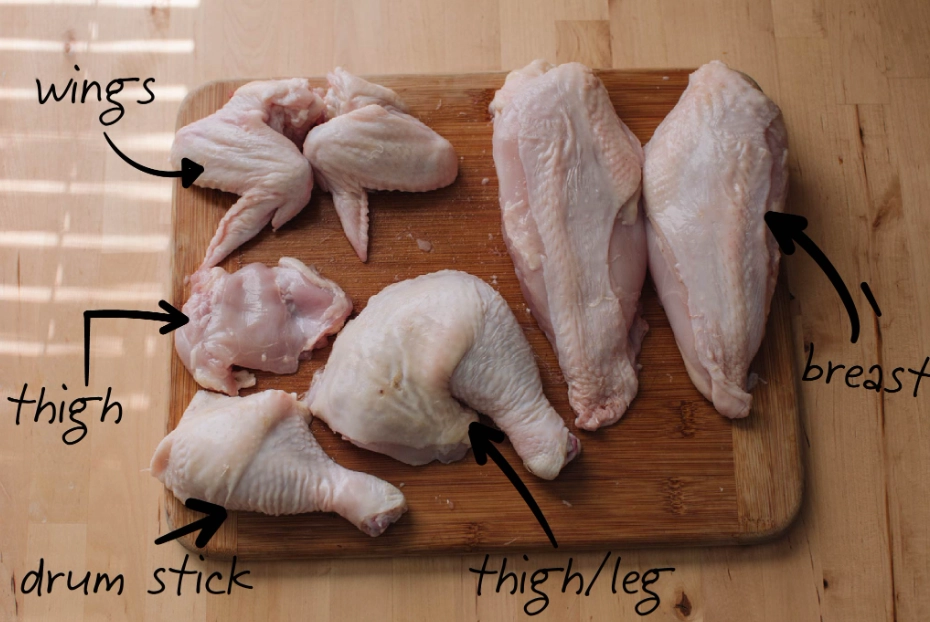
| Characteristic | White Meat (Breast, Wing) | Dark Meat (Thigh, Drumstick) |
|---|---|---|
| Primary Muscles | Pectoralis major (breast), Wing muscles | Leg muscles (Thigh, Drumstick) |
| Color (Raw) | Pale pink to very light beige | Deep pink to reddish-brown |
| Fat Content | Lower (~3-5% fat) | Higher (~9-15% fat) |
| Flavor Profile | Milder, more subtle | Richer, more robust, "chicken-y" |
| Texture | Lean, can be dry if overcooked | Juicier, more tender, forgiving |
| Best Cooking Methods | Quick-cook: Grilling, sautéing, baking (with care), poaching | Slower, moist-heat: Braising, stewing, roasting, frying |
| Key Challenge | Avoiding dryness | Rendering fat & breaking down connective tissue |
See the difference? It's night and day. Knowing that white meat parts of a chicken are the breast and wings tells you they need a gentle touch and precise cooking.
My personal take? For a quick weeknight dinner where I want something light, I grab a breast. But if I'm making a meal where flavor is the absolute priority, like a coq au vin or a rich curry, I'll always choose dark meat. The breast just can't compete in those long, slow dishes—it falls apart.
Cooking White Meat Chicken: How to Avoid the "Dry Breast" Tragedy
This is the biggest pain point for most home cooks. We've all suffered through a dry, chewy chicken breast. The reputation white meat has for being bland and dry is often a cooking problem, not an ingredient problem. Since white meat has less fat to self-baste, it needs a strategy.
Golden Rules for Perfect White Meat
First, get a good instant-read thermometer. Guessing is the enemy. The USDA recommends cooking poultry to 165°F (74°C) for safety. But here's a chef's trick: you can pull white meat off the heat at around 155-160°F (68-71°C). The residual heat will carry it to the safe temperature while keeping it incredibly juicy. Letting it rest for 5-10 minutes after cooking is non-negotiable—it allows the juices to redistribute.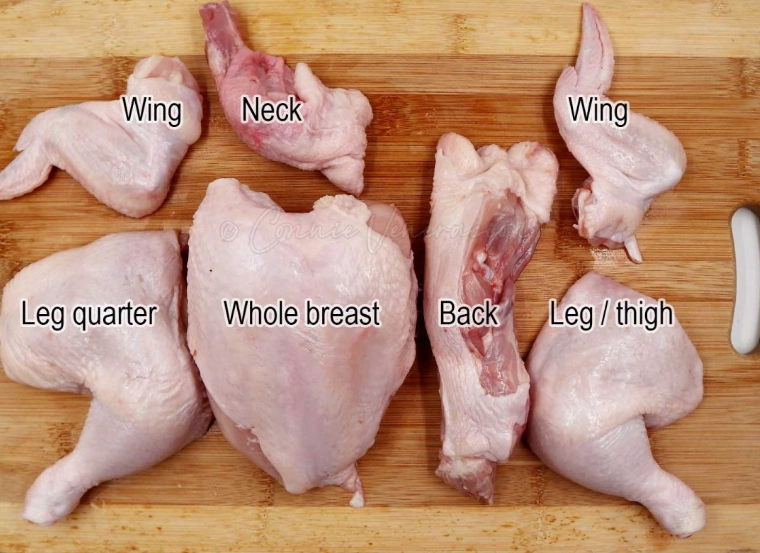
Brine it. A simple brine (1/4 cup salt dissolved in 4 cups water, soak for 30 mins to 2 hours) works wonders. It seasons the meat from the inside and helps it retain moisture during cooking. For a quicker fix, just salt your breast generously and let it sit on a rack in the fridge for an hour before cooking.
Pro Tip for Wings: Since wings are smaller and have more skin-to-meat ratio, they are harder to overcook. The key here is rendering the fat in the skin to get it crispy. Baking powder in your dry rub can help achieve an ultra-crispy skin without frying. Toss wings in a mix of baking powder and salt before baking on a rack at 425°F (220°C).
Moist-heat methods like poaching or cooking en papillote (in parchment) are virtually foolproof for breast meat. For the grill or pan, pounding a breast to an even thickness ensures it cooks evenly, so the thin end isn't leather by the time the thick part is done.
Nutrition: Is White Meat Really Healthier?
It depends on what you mean by "healthy." If your primary goal is lower calories and lower saturated fat, then yes, white meat wins. A boneless, skinless chicken breast is about as lean as it gets in the meat world. This makes it a staple in many fitness and weight management diets.
But "healthier" is a complex word. Dark meat has more iron, zinc, and B vitamins like B12 and riboflavin because of that higher myoglobin content. It also has more fat, but a significant portion of that is monounsaturated fat—the same kind found in olive oil. So if you're not strictly counting calories, dark meat offers a great nutritional profile.
The most important factor for health is often how you cook it. A deep-fried white meat cutlet is arguably less "healthy" than a roasted skin-on chicken thigh where the fat has rendered out. For solid, science-backed nutrient data, the USDA FoodData Central is an invaluable resource. You can look up the exact breakdown for any specific cut.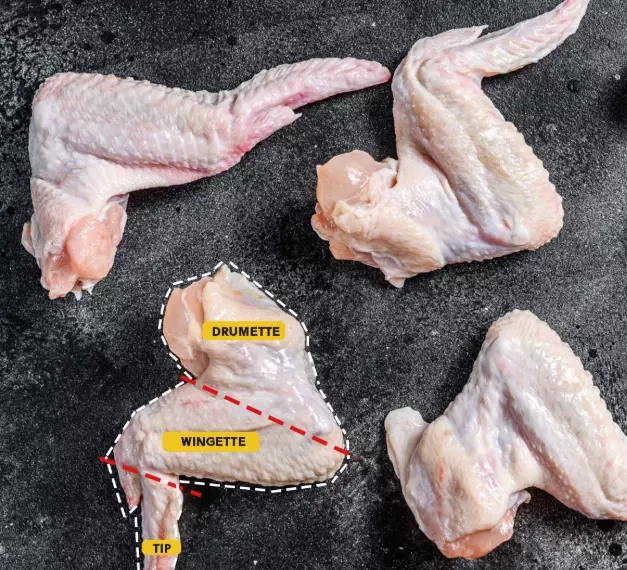
Myth Buster: The idea that white meat is "pure protein" and dark meat is "fatty" is a major oversimplification. Both are excellent sources of high-quality protein. The choice should be guided by your dietary needs, flavor preference, and the dish you're making.
Your Questions Answered: White Meat Chicken FAQ
Let's tackle the specific questions people have when they search for this topic. These are the things that kept me up when I was learning.
Is the wing white meat or dark meat?
This is the number one follow-up question. As we covered, the wing is white meat. Anatomically and biochemically, the wing muscles are designed for short bursts (flapping), not sustained work. The skin gets beautifully dark and crispy when cooked, but the meat underneath is pale and lean.
Why is my white meat sometimes tough and dry?
Almost always, it's overcooking. White meat has very little collagen, the connective tissue that breaks down into gelatin with long, slow cooking. Instead, its proteins coagulate and squeeze out moisture when heated too much or too long. Using a thermometer and learning to rest the meat are the two biggest fixes. Also, avoid cooking straight from the freezer.
Can I substitute white meat for dark meat in recipes (and vice versa)?
You can, but you have to adjust. Substituting breast for thigh in a stew? It will cook much faster and can easily become dry. You'd need to add it later in the process. Substituting thigh for breast in a quick stir-fry? The thigh might not cook through in the short time, and the texture will be different. It's best to follow the recipe's guidance on what parts of a chicken are white meat or dark meat the first time you make it.
Is ground chicken white meat?
It depends on the label. "Ground chicken" can be a mix of white and dark meat, often including skin for fat content. "Ground chicken breast" is specifically from white meat and will be much leaner. Always check the packaging.
Buying and Storing White Meat Chicken
When you're at the store looking for those white meat parts of a chicken, here's what to keep in mind. Look for meat that is pinkish and moist, not gray or slimy. The packaging should be tight with no excessive liquid (purge) in the bottom, which can indicate it's been frozen and thawed or is old.
If you buy in bulk, repackage it for the freezer. Portion breasts or wings into meal-sized amounts, wrap tightly in plastic wrap or freezer paper, and then place in a freezer bag, squeezing out all the air. Label it with the date. Properly stored, white meat chicken can last in the freezer for up to 9 months, but for best quality, try to use it within 3-4.
Thaw it safely—in the fridge overnight, in cold water (in a leak-proof bag), or in the microwave using the defrost setting. Never thaw on the counter.
Putting It All Together: Final Thoughts
So, we've answered it. What parts of a chicken are white meat? The breast, the wings, and the tenderloin. But more importantly, we've seen why they're different and how that knowledge makes you a better cook.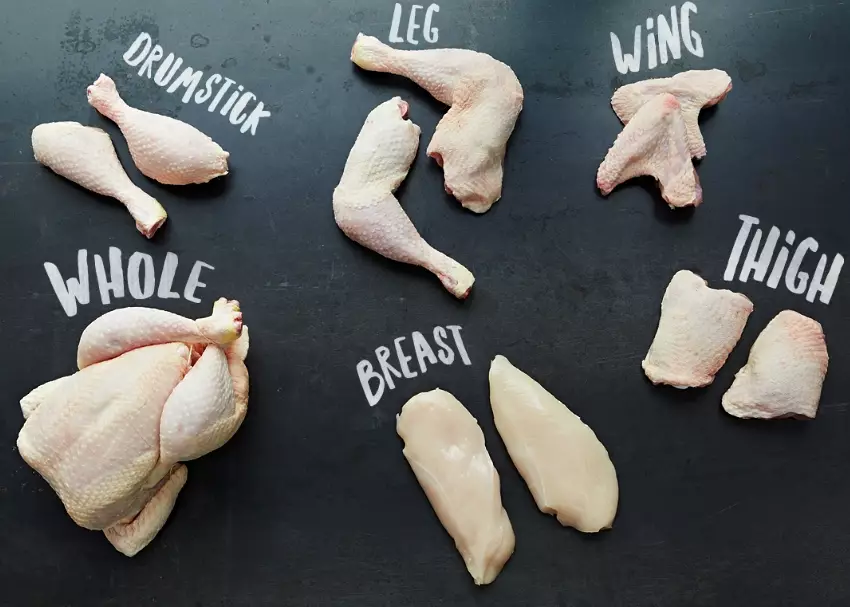
White meat isn't superior or inferior to dark meat—it's just different. It's a tool in your kitchen toolbox. It's the perfect choice for a light, high-protein salad, a quick grilled dinner, or those game-day buffalo wings. Respect its lean nature, cook it with precision, and it will reward you with clean, mild flavor and tender texture.
Next time you're planning a meal, think about the role you want the chicken to play. Need something sturdy for a long braise? Go dark. Want something quick, lean, and a blank canvas for sauces? That's when you reach for the white meat parts of a chicken. Happy cooking!
Knowing the difference changes everything in the kitchen.
Related Articles