The Ultimate Guide to Roasting a Chicken at 350°F
You've got a whole chicken, your oven is preheated to 350°F (177°C), and now you're staring at it, wondering how long this is going to take. The short, classic answer is about 20 minutes per pound. But if you stop there, you're setting yourself up for dry breast meat or undercooked thighs. I've roasted hundreds of chickens over the years, and the real secret isn't just a timer—it's understanding the process from the inside out. Let's ditch the guesswork and get you a perfectly juicy, golden-brown bird every single time.
What You'll Learn in This Guide
How to Prepare Your Chicken for Roasting
What you do before the chicken even hits the oven determines about 70% of your success. Rushing this part is the biggest mistake I see home cooks make.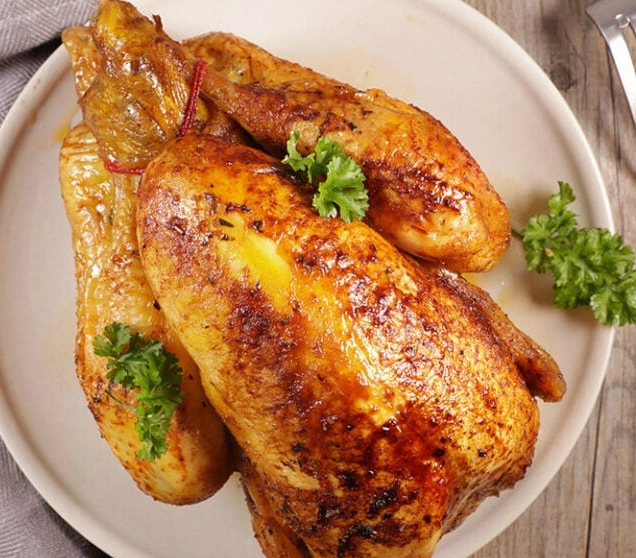
First, pat that bird dry. I mean, really dry. Use paper towels and get the skin, the cavity, everywhere. Moisture is the enemy of crispy skin. A dry surface is non-negotiable.
Next, seasoning. Salt and pepper are your best friends. Don't be shy. Season the cavity generously, and get under the skin on the breast if you can. Rubbing softened butter or a little olive oil on the skin helps it crisp up and brown beautifully. For flavor, you can stuff the cavity with a halved lemon, a few garlic cloves, and some herbs like rosemary or thyme. They perfume the meat from the inside.
Trussing (tying the legs together) is optional. I often skip it. It makes for a prettier presentation, but leaving the legs loose can actually promote more even cooking for the dark meat. Your call.
Roasting Time by Weight: A Detailed Chart
Okay, let's get to the numbers. At 350°F, here's a reliable starting point. Remember, an oven's true temperature can vary, and a cold chicken vs. a room-temp chicken changes things. I always pull my chicken from the fridge 30-45 minutes before roasting.
| Chicken Weight (lbs) | Approximate Roasting Time | Key Checkpoint |
|---|---|---|
| 3 lbs | 1 hour – 1 hour 10 mins | Start checking at 55 mins. |
| 4 lbs | 1 hour 20 mins – 1 hour 30 mins | The sweet spot for a family meal. |
| 5 lbs | 1 hour 40 mins – 1 hour 50 mins | Watch the breast; it can dry out. |
| 6 lbs (Roaster) | 2 hours – 2 hours 15 mins | Definitely use a meat thermometer. |
See how the 20-minutes-per-pound rule starts to wobble with larger birds? That's because the thermal mass increases. A 6-pound chicken isn't simply twice the cooking time of a 3-pounder. The chart accounts for that.
Place the chicken breast-side up on a rack in a roasting pan. The rack is crucial—it allows hot air to circulate all around, cooking evenly and preventing the bottom from steaming in its juices.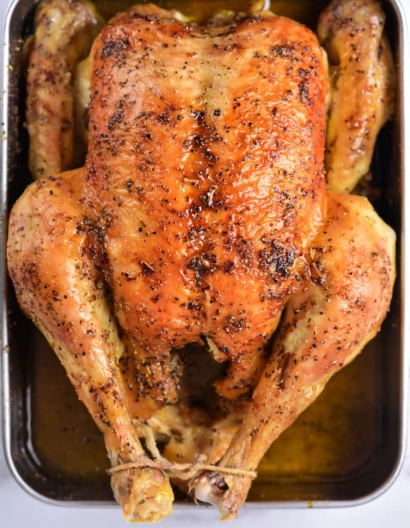
How Do I Know When the Chicken is Done?
This is where you graduate from a recipe follower to a competent cook. Throw away the idea of relying solely on time or color. I've seen golden-brown chickens that were raw inside, and pale ones that were overcooked.
You need a good instant-read meat thermometer. It's the single best investment for your kitchen, period. According to the USDA, poultry is safe to eat at 165°F (74°C). But here's the pro move: because carryover cooking will raise the temperature about 5-10 degrees after you take it out, you can pull it earlier.
Insert the thermometer into the thickest part of the thigh, avoiding the bone. Also check the thickest part of the breast.
- Target Temp for Thighs: Pull the chicken out when the thighs read 165-170°F. They'll coast to 170-175°F while resting, which is perfect for dark meat.
- Target Temp for Breast: Aim to pull it when the breast reaches 155-160°F. It will rise to 160-165°F, remaining juicy and tender, not dry and stringy.
The juices should run clear, not pink, when you pierce the thigh. And the leg should wiggle freely in its joint. These are good secondary signs, but the thermometer is your truth-teller.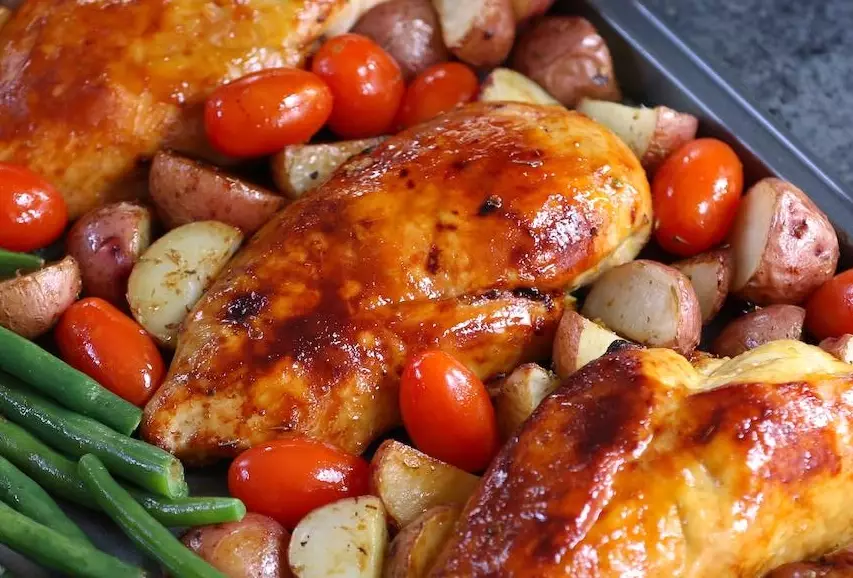
The Role of Oven Placement and Type
Where you put the rack matters. Middle position is almost always best for even heat. If your chicken is browning too quickly on top, tent it loosely with foil. Convection ovens cook faster and more evenly—reduce the estimated time by about 15-20% and expect more uniform browning.
The Crucial Steps After Roasting: Resting & Carving
Your instinct will be to carve immediately. Fight it.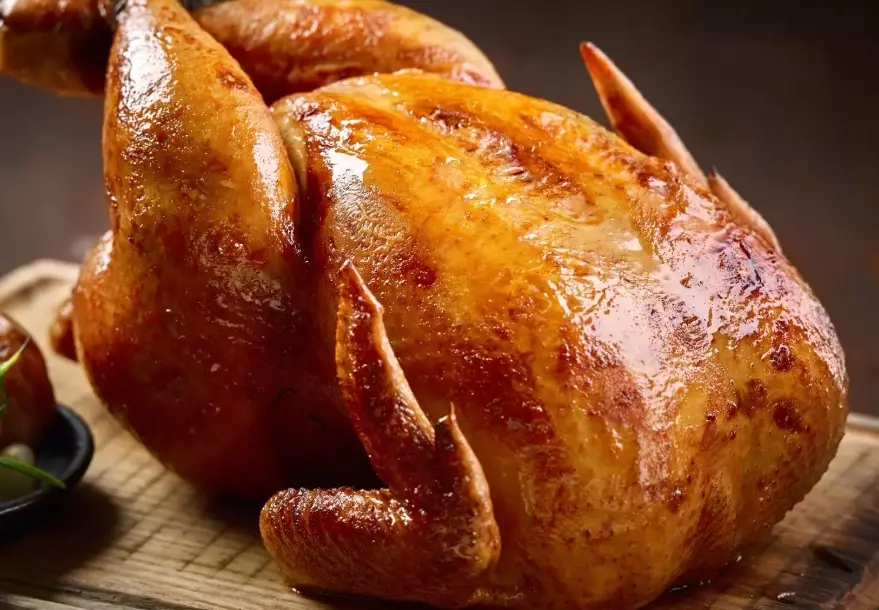
Transfer the chicken to a cutting board and let it rest for 15-20 minutes. Tent it loosely with foil to keep it warm. This allows the frantic, heated juices inside the muscle fibers to relax and redistribute. If you cut right in, all those precious juices will flood the cutting board, leaving you with dry meat.
Use this time to make a quick pan gravy with the drippings. It's easy: pour off excess fat, place the roasting pan on the stove over medium heat, add a cup of broth or stock, and scrape up all the browned bits (the fond). Let it simmer and thicken slightly. That's flavor gold.
Carving is simpler than it looks. Remove the legs (thigh and drumstick) by cutting through the skin between the leg and body and popping the joint. Separate the thigh from the drumstick if you like. Remove the wings. Then, slice down along one side of the breastbone and remove the entire breast half, then slice it crosswise. Repeat on the other side.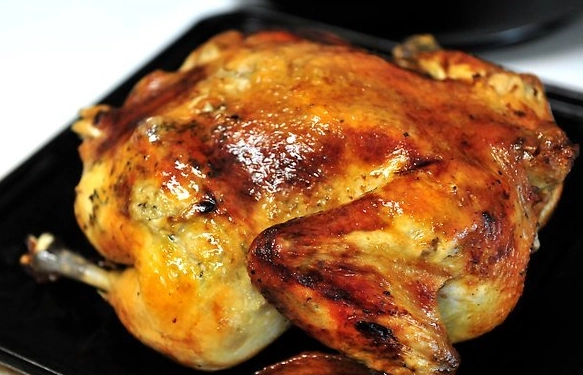
Your Roasting Questions, Answered
Related Articles