Perfect Roast Chicken Cooking Times: A Step-by-Step Guide
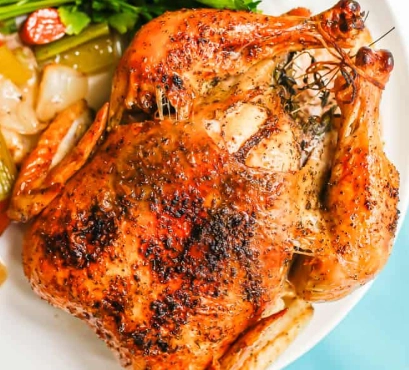
Let's cut to the chase: the perfect roast chicken isn't about slavishly following a clock. It's about hitting that sweet spot where the skin is crispy, the meat is juicy, and everyone at the table thinks you're a culinary genius. I've ruined more chickens than I care to admit by trusting generic timing charts alone. After a decade of tweaking, I've learned that roast chicken cooking times are a starting point, not the finish line. The real secret? Ditch the timer obsession and grab a meat thermometer.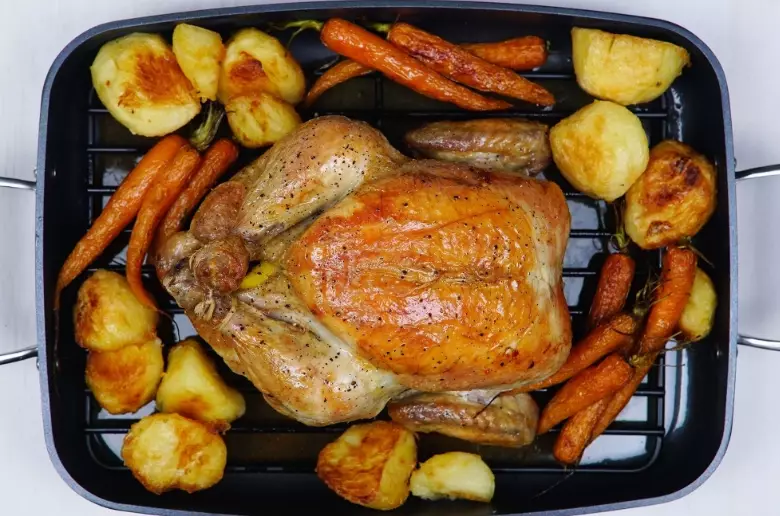
What You'll Find Inside
How to Calculate Roast Chicken Cooking Times
Most recipes throw a number at you—like 20 minutes per pound. That's fine for a rough estimate, but it's where many home cooks go wrong. They set the timer and walk away, hoping for the best. Here's a better way.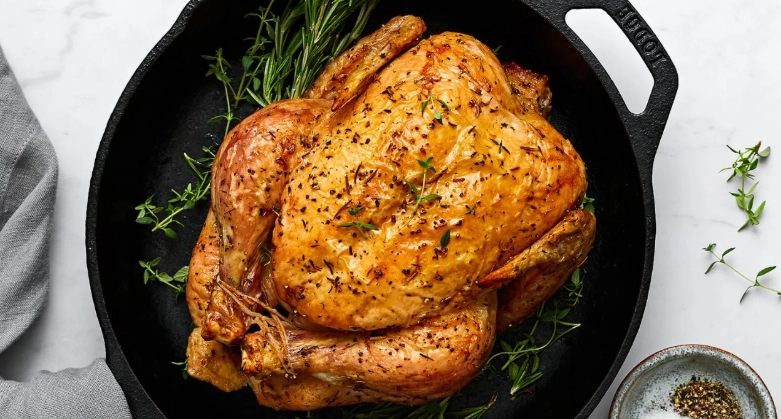
The Weight-Based Rule of Thumb
For a standard oven at 350°F (175°C), you can use this as a baseline. But remember, ovens lie. Mine runs hot, so I always knock off 10-15 minutes. Here's a chart I built from trial and error, combined with guidelines from sources like the USDA Food Safety guidelines.
| Chicken Weight (lbs) | Approximate Cooking Time at 350°F | Key Checkpoint |
|---|---|---|
| 3 lbs | 1 hour 20 minutes | Start checking at 1 hour |
| 4 lbs | 1 hour 40 minutes | Check at 1 hour 20 minutes |
| 5 lbs | 2 hours | Check at 1 hour 40 minutes |
| 6 lbs | 2 hours 20 minutes | Check at 2 hours |
See how I added checkpoints? That's because a stuffed chicken or one straight from the fridge will need more time. I once roasted a 4-pounder that took nearly two hours because I forgot to bring it to room temperature first. The center was still chilly when it went in.
The Role of Oven Temperature
Cranking the heat to 400°F or 425°F can shave off time, but it's risky. High heat gives great skin but can dry out the breast before the thighs cook through. I prefer a moderate 375°F for even cooking. If you're short on time, start at 425°F for 20 minutes to brown the skin, then drop to 350°F. It's a trick I picked up from a chef friend who runs a busy bistro.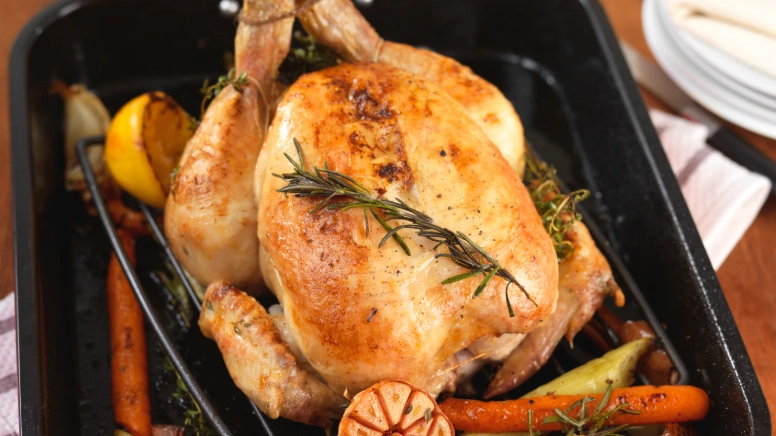
Why Internal Temperature is Your Best Friend
Here's the non-consensus part: most home cooks fear undercooked chicken, so they overcook it. They poke the meat, see clear juices, and think it's done. Wrong. Juices can run clear even when the bird is undercooked. The only reliable method is an instant-read thermometer.
I used to skip this, thinking it was for pros. Then I served a slightly pink chicken to guests—embarrassing. Now, I never roast without my Thermoworks Thermapen. It's pricey, but worth it. Insert it into the thickest part of the thigh, avoiding bone. The USDA recommends 165°F for safety, but I pull it at 160°F. Carryover cooking will bump it up 5 degrees while resting. For the breast, aim for 155-160°F to keep it moist.
Why does this matter? Time-based recipes assume your chicken, oven, and environment are identical to the recipe writer's. They're not. My kitchen in humid summer affects cooking differently than dry winter. The thermometer cuts through all that guesswork.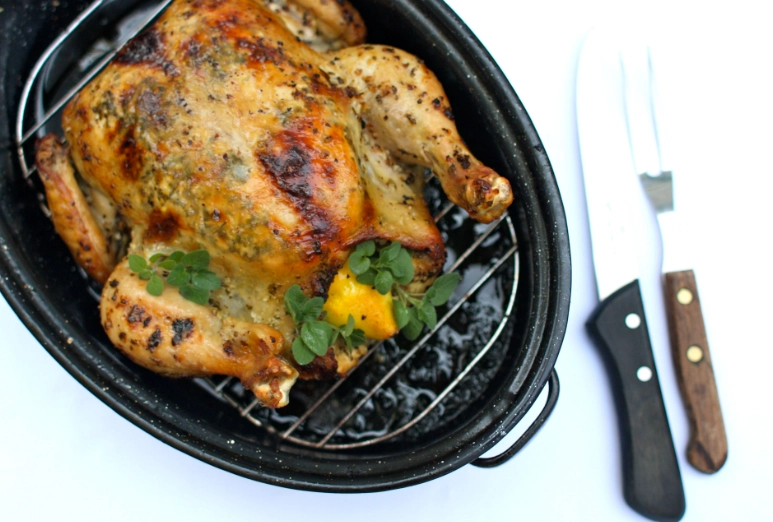
Common Roast Chicken Mistakes (And My Blunders)
Let's get personal. I've made every mistake in the book, so you don't have to.
Mistake 1: Not trussing the chicken. I thought it was fussy. But a trussed bird cooks evenly. Loose legs burn before the breast is done. Use kitchen twine—it takes 30 seconds.
Mistake 2: Skipping the rest period. I'd carve right away, and all the juices pooled on the cutting board. Rest the chicken for 15-20 minutes after roasting. It reabsorbs the juices. Cover loosely with foil to keep warm.
Mistake 3: Relying on pop-up timers. Those little gadgets that come with some chickens? Useless. They often pop at 180°F or higher, way past dry. Toss them.
Another subtle error: roasting on a flat pan. Use a rack in a roasting pan. It allows air circulation, so the bottom doesn't steam. I tried a baking sheet once—soggy skin disaster.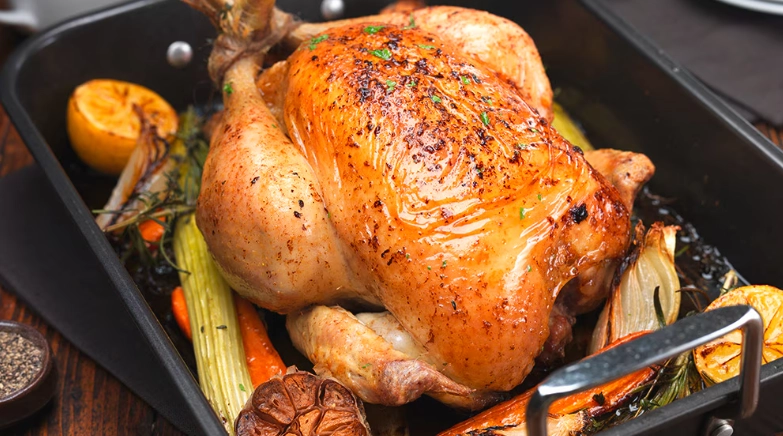
Your Burning Roast Chicken Questions
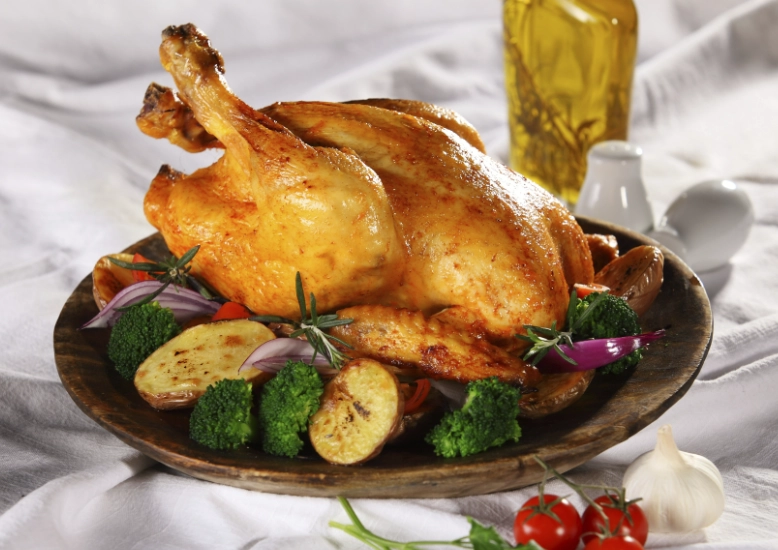 Roast chicken cooking times are more art than science. Start with the charts, but let temperature guide you. Keep notes on what works in your kitchen. My first perfect chicken came after I stopped watching the clock and started trusting the thermometer. Now, it's a weekly staple—juicy, flavorful, and never dry. Give it a try this weekend, and tweak from there. Happy roasting!
Related Articles