The Ultimate Guide to Roasting a Perfect Whole Chicken at Home
Let's be honest. The first time I tried to roast a whole chicken, it was a disaster. The skin was pale, the breast was dry as cardboard, and the legs were somehow still pink near the bone. I followed a recipe to the letter, but it felt like a culinary conspiracy. That was years ago. Now, after roasting probably hundreds of birds—from simple weeknight dinners to holiday centerpieces—I can tell you the secret isn't in some magic ingredient. It's in understanding a few non-negotiable principles of heat, time, and patience. Forget the anxiety. Roasting a whole chicken to juicy, golden-brown perfection is one of the most rewarding and economical skills you can master in the kitchen. This guide will walk you through every step, point out the subtle mistakes most beginners make, and deliver a roast chicken recipe that works every single time.
Your Roasting Roadmap
Picking Your Chicken: Size and Type Matter
This is where most recipes just say "a 4-pound chicken." But the choice here sets the stage for everything. Walk into any grocery store and you'll see a confusing array: fryers, roasters, organic, air-chilled, basted. What's the difference?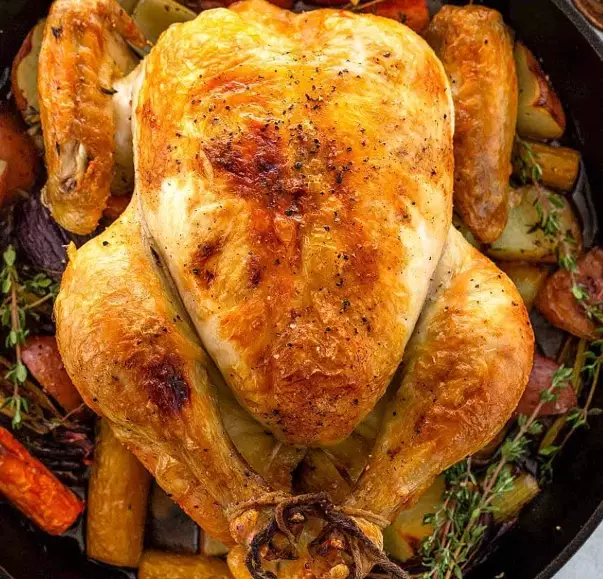
A "roaster" chicken is typically older and larger (5 to 7 pounds), with more fat and flavor, ideal for... roasting. A "fryer" or "broiler" is younger, smaller (3 to 4 pounds), and more tender, suited for quicker cooking methods. For your first few attempts, stick with a 3.5 to 4.5 pound fryer/broiler. It cooks more evenly and quickly.
Now, here's a specific point most home cooks miss: look for air-chilled chickens. Most conventional chickens are water-chilled in large tanks after processing. They absorb water, which can dilute flavor and make the skin harder to crisp. Air-chilled birds cost a bit more, but they have more concentrated flavor and their drier skin crisps up magnificently. It's a game-changer for texture.
Pro Tip: If you can only find water-chilled birds, pat the chicken insanely dry, inside and out, with paper towels. I mean, go through half a roll. A dry surface is the non-negotiable first step to crispy skin.
The Preparation Step Everyone Rushes
You've got your chicken. Before you even think about seasoning, there's prep work. This isn't just busywork; it's about ensuring even cooking.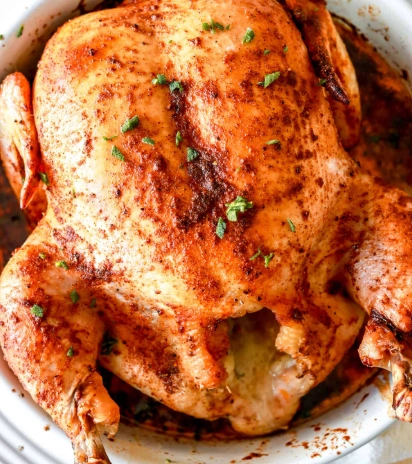
1. Remove the extras. Reach into the cavity and pull out the neck and the bag of giblets (heart, liver, gizzard). Save them for gravy or stock. I've forgotten once. The smell of melting plastic is... memorable.
2. Trussing is optional, tucking is essential. Full-on trussing with twine is beautiful but not critical for a beginner. What is critical is tucking the wingtips behind the chicken's back and tying the legs together with a bit of twine or even just tucking them under the skin flap at the tail. This creates a compact shape so the skinny wings and legs don't burn before the thick breast is done.
3. To brine or not to brine? A simple dry brine (salting the bird heavily 12-24 hours in advance) is the single best insurance policy against dry meat. The salt seasons deeply and helps the muscle fibers retain moisture. If you have the time, do it. Just salt the bird all over, place it on a rack on a baking sheet, and leave it uncovered in the fridge. The skin will dry out even more, leading to ultimate crispiness.
Beyond Salt and Pepper: Flavoring Your Bird
Seasoning is where you make it yours. The foundation is always salt (if you didn't dry brine) and black pepper. From there, the world is yours.
Under the skin is your flavor highway. Gently slide your fingers between the skin and the breast meat, loosening it all the way to the legs. You can smear softened butter or olive oil mixed with herbs (thyme, rosemary, sage) directly onto the meat. This bastes it from the inside and infuses flavor where it counts.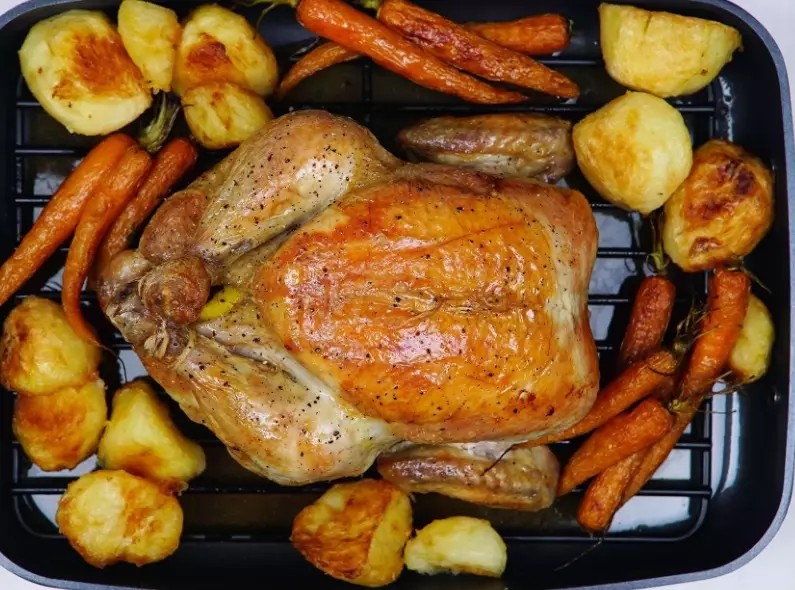
The cavity is a scent chamber. Don't just leave it empty. Stuff it with aromatics that will steam and perfume the meat from the inside. A quartered lemon, a halved head of garlic, a bunch of herbs, a chunk of onion. This isn't about eating the stuffing; it's about creating a fragrant environment.
For the outside, after patting dry, rub the skin all over with a little oil or butter. This promotes browning and crispness. Then, apply your dry seasoning rub generously.
Classic Herb Rub Formula
Mix these together for a can't-go-wrong blend:
- 2 tbsp kosher salt (reduce to 1 tbsp if dry-brined)
- 1 tbsp black pepper
- 1 tbsp dried thyme or poultry seasoning
- 2 tsp paprika (for color and sweetness)
- 1 tsp garlic powder
How to Roast Your Chicken: Time and Temperature
This is the heart of the operation. Forget the low-and-slow vs. high-heat debate. The method I've found most reliable is a moderately high start to brown the skin, followed by a gentler finish to cook the interior evenly without drying it out.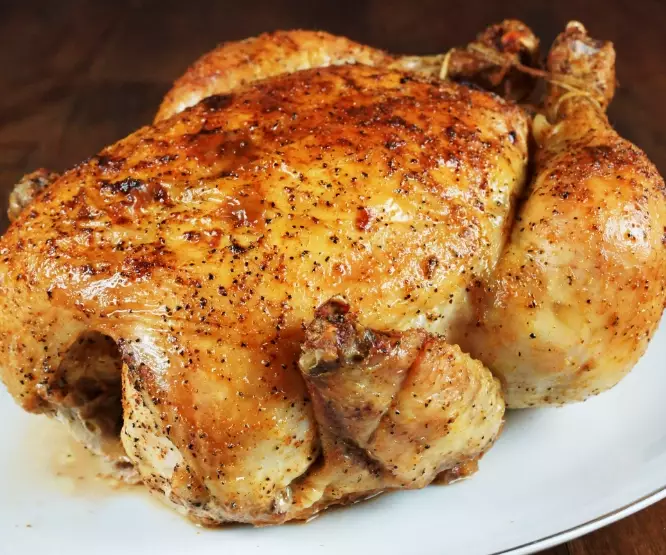
Equipment: A heavy-duty roasting pan or oven-safe skillet, preferably with a rack. The rack isn't mandatory, but it allows hot air to circulate all around the bird, preventing the bottom from steaming.
The Process:
- Preheat your oven to 425°F (220°C). Let it get fully hot.
- Place your prepared chicken, breast-side up, on the rack in the pan.
- Roast at 425°F for 30 minutes. This initial blast gives you that gorgeous, deep golden color.
- Without opening the door, reduce the oven temperature to 375°F (190°C). Continue roasting. Now, the timing depends on size.
| Chicken Weight | Approximate Total Roasting Time | Internal Temp to Target |
|---|---|---|
| 3.5 lbs (1.6 kg) | 60-70 minutes | 165°F (74°C) in breast, 175°F (79°C) in thigh |
| 4.0 lbs (1.8 kg) | 70-80 minutes | 165°F (74°C) in breast, 175°F (79°C) in thigh |
| 4.5 lbs (2.0 kg) | 80-90 minutes | 165°F (74°C) in breast, 175°F (79°C) in thigh |
| 5.0 lbs (2.3 kg) | 90-100 minutes | 165°F (74°C) in breast, 175°F (79°C) in thigh |
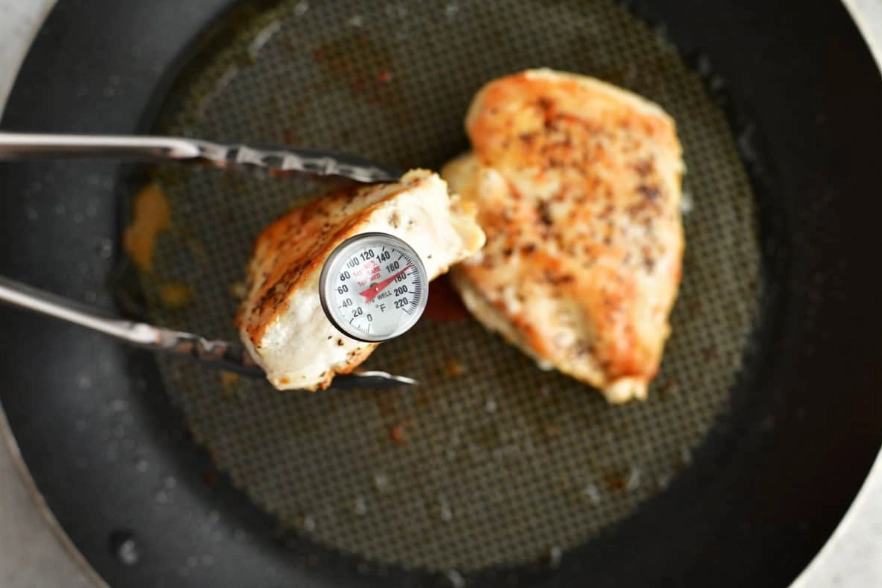
The only way to know it's done is with a good meat thermometer. Guessing leads to dry chicken or, worse, unsafe chicken. Insert the thermometer into the thickest part of the thigh, not touching bone. It should read at least 175°F. The breast should be 160-165°F. According to the USDA, poultry is safe to eat at 165°F, but the dark meat is more tender at a slightly higher temperature.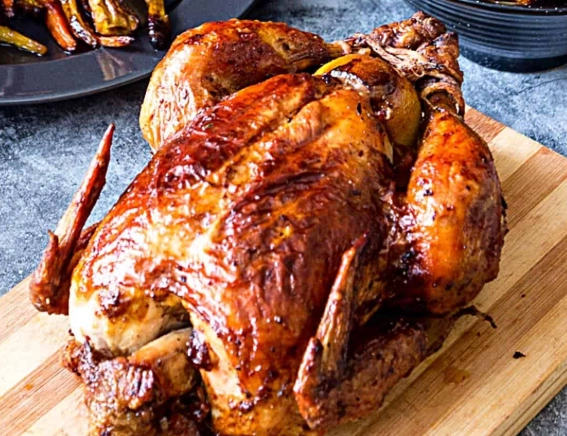
The Biggest Mistake: The number one reason for dry breast meat is overcooking because you're terrified of undercooking. Trust the thermometer, not a fixed time. Those times in the table are guides, not rules.
The Critical Final Acts: Resting and Carving
You've hit the perfect temperature. The chicken is beautiful. Do not carve it immediately.
Resting is mandatory, not a suggestion. When meat cooks, its juices are driven to the center. If you cut it open right away, those juices will flood out onto the cutting board, leaving the meat dry. Let the chicken rest, tented loosely with foil, for 15-20 minutes. This allows the juices to redistribute back throughout the meat. The chicken will also continue to cook a little (carryover cooking), raising the internal temperature another 5 degrees or so.
How to Carve a Whole Chicken:
It's easier than you think. You need a sharp knife and a sturdy fork or pair of tongs.
- Remove the twine. Place the chicken on a stable cutting board.
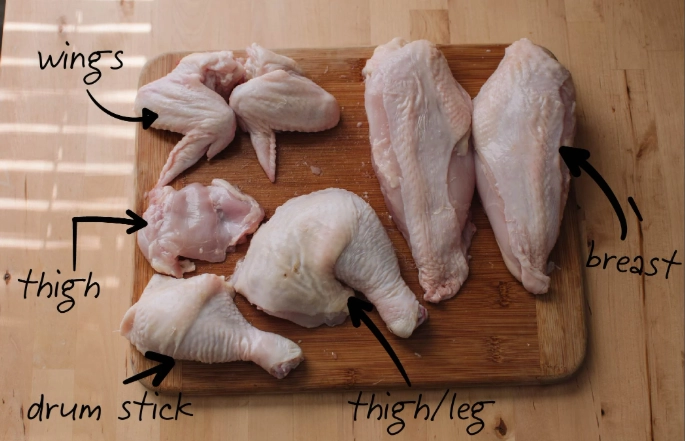
- First, remove the legs. Pull a leg away from the body and cut through the skin and joint connecting it. Separate the thigh from the drumstick if you like.
- For the wings, pull them out and cut through the joint.
- For the breasts, make a long cut down the center of the breastbone. Then, sliding your knife along the rib cage, remove one entire breast half. You can slice it crosswise on the board.
- Don't forget the "oyster"—that juicy, tender piece of dark meat on the back. Flip the carcass over and find it near the hip sockets. It's the cook's treat.
Save the carcass! Throw it in a pot with water, the leftover aromatics, and any vegetable scraps to make an incredible chicken stock.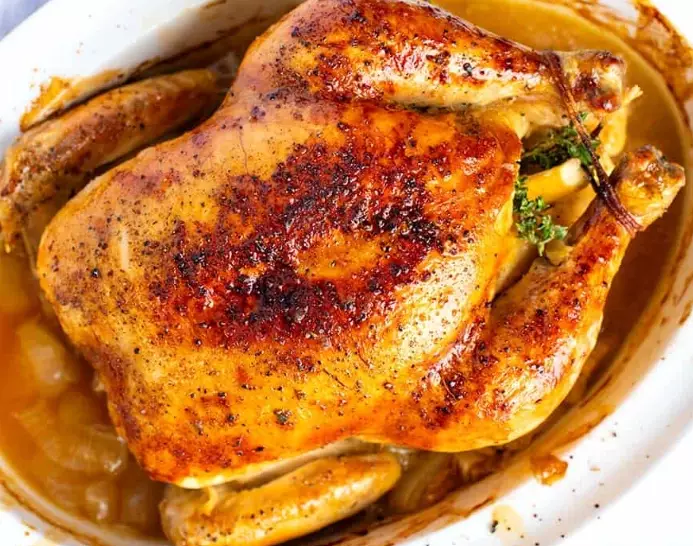
Your Roasting Questions, Answered
Related Articles