Perdue Whole Chicken: Your Complete Buying, Cooking & Storage Guide
Quick Guide
- What Exactly Are You Buying? Decoding the Perdue Whole Chicken
- The Supermarket Face-Off: How to Pick the Best Bird
- Your Cooking Method Toolkit: Roast, Spatchcock, Slow Cook, or Instant Pot?
- From One Chicken, Many Meals: The Leftover Strategy
- Straight Talk: Common Questions (and Some Honest Answers)
- Final Thoughts: Is It Worth It?
Let's talk about the humble whole chicken. It's sitting there in the cooler section, and if you're like me, you've probably walked past it a hundred times, maybe picked one up, put it back, and grabbed some chicken breasts instead. Easier, right? Less fuss. But then you get home and realize you're paying a premium for those boneless, skinless pieces, and you're missing out on something.
That something is flavor, value, and the satisfaction of making a real meal from scratch. And when it comes to whole chickens, one name you see everywhere is Perdue. The yellow packaging is practically iconic. But what are you really getting with a Perdue whole chicken? Is it worth it? How do you even cook the thing without drying it out or serving it undercooked?
I've been there. I've bought a Perdue whole chicken on a whim, brought it home, and then stared at it in the sink, suddenly realizing I had no solid plan. Over the years, through some successes and a few... well, let's call them learning experiences, I've figured it out. This guide is everything I wish I'd known from the start. We're going beyond the basic recipe. We're talking about picking the right bird, breaking down the labels, mastering a few cooking methods, and turning one chicken into multiple meals. No fancy chef skills required, just some straightforward advice.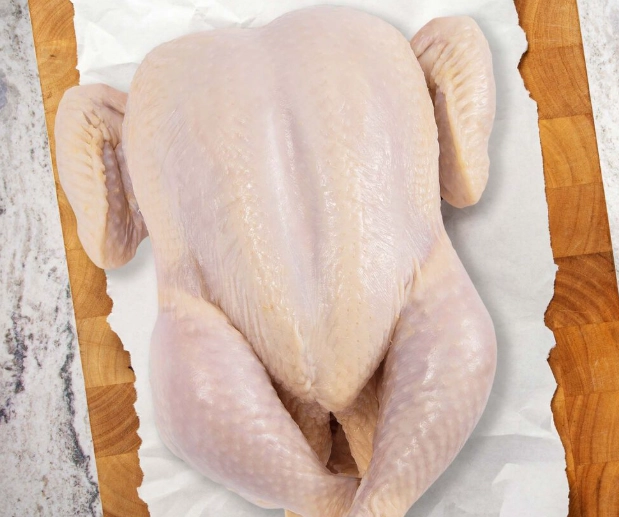
What Exactly Are You Buying? Decoding the Perdue Whole Chicken
You grab a Perdue whole chicken from the case. It says "Fresh," "No Hormones Added," maybe "Harvestland" or "Simply Smart." What does it all mean? It's not just marketing; these labels tell you about how the chicken was raised and processed, which directly affects quality and price.
First, the "No Hormones Added" thing. This is a big one, but it's also a bit of a legal requirement. The USDA actually prohibits the use of hormones in raising poultry (like chickens and turkeys) in the United States. So all chicken sold in the U.S. is hormone-free. Perdue puts it on the label because it's a key consumer question, but it's not a unique feature. It's good to know, but don't pay extra just for that phrase alone.
Where Perdue does differentiate itself is with its antibiotic-use policies. For years, they've marketed themselves on raising chickens without any antibiotics, ever. This is a legitimate claim and a major point for them. They have detailed information on their website about their animal care standards, which is worth a look if you're concerned about that sort of thing.
Then you have the different product lines. This is where your choice matters.
- Perdue Fresh Whole Chicken: This is the classic, the standard bird. It's what most people picture.
- Perdue Harvestland: This line promises chickens raised on a 100% vegetarian diet (no animal by-products) and are USDA Organic. They're also free-range (with access to the outdoors). This comes with a higher price tag, obviously.
- Perdue Simply Smart: This is their "lower fat" line. The chickens are reportedly bred to be leaner, and the skin is removed. Honestly, I find removing the skin yourself is just as effective and cheaper, but if convenience is key, it's an option.
So, which one should you buy? For your first time roasting a whole chicken, or for a standard weeknight meal, the classic Perdue whole chicken is perfectly fine. It's reliable, widely available, and affordable. If organic and free-range are important pillars of your food values, then the Harvestland line is where you'll want to look, understanding the cost difference.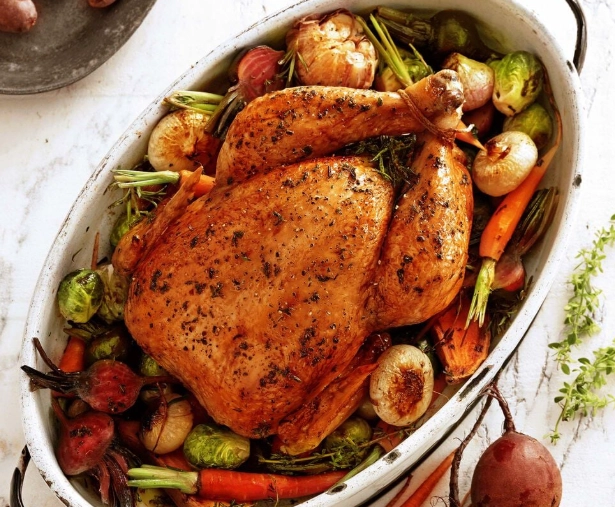
The Supermarket Face-Off: How to Pick the Best Bird
Okay, you've decided on a type. Now you're in front of the cooler, and there are five seemingly identical Perdue whole chickens. How do you choose the champion? It's not random. A few simple checks can make the difference between a so-so roast and an amazing one.
First, check the date. Look for the "Sell By" or "Use By" date and pick the one with the furthest-out date. This is Chicken Buying 101, but it's surprising how many people just grab the first one. Fresher bird, longer shelf life at home.
Now, look at the color of the skin. It should be a creamy, consistent white or light yellow. Avoid packages where the skin looks grayish, splotchy, or has any dark spots. The meat you can see (usually around the cavity) should be pink, not gray or dull.
Feel the package (gently!). The chicken should feel firm and cold, not soft or squishy. The plastic should be tight against the bird, with no big air pockets. A big air pocket can mean it wasn't packaged well or has been handled a lot.
Finally, think about size. A standard Perdue whole chicken usually weighs between 3 and 5 pounds.
- 3-4 lbs: Perfect for a family of 4. Cooks faster, easier to handle.
- 4-5 lbs: Great for a bigger family or if you want more leftovers. Will take longer to cook through.
My personal go-to is a 4-pounder. It's a good middle ground. Big enough for dinner and leftovers for a couple of lunches, but not so huge it overwhelms my pan or takes forever to cook.
Your Cooking Method Toolkit: Roast, Spatchcock, Slow Cook, or Instant Pot?
Here's the fun part. You've got your perfect Perdue whole chicken home. Now what? You have options, and the best one depends on what you want: crispy skin, hands-off ease, or speed.
The Classic Roast: For That Sunday Dinner Feel
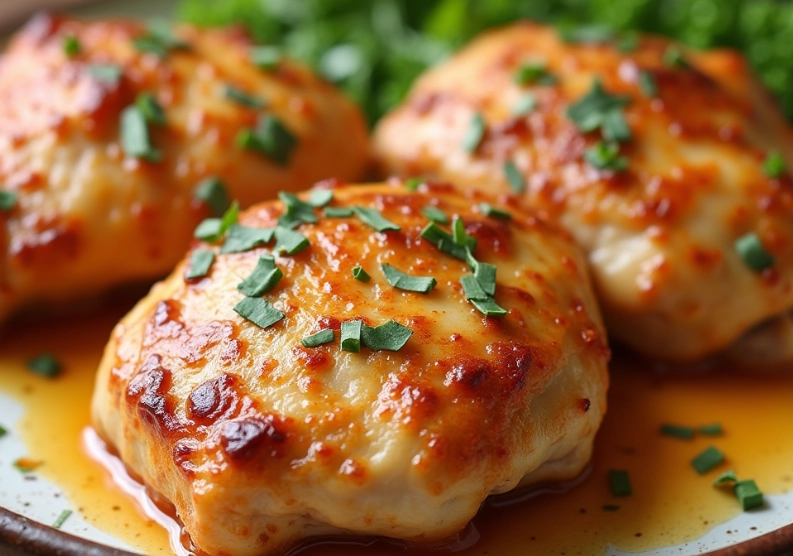
This is the traditional method. It's simple, reliable, and fills your house with an incredible aroma. The goal is crispy, golden skin and juicy meat.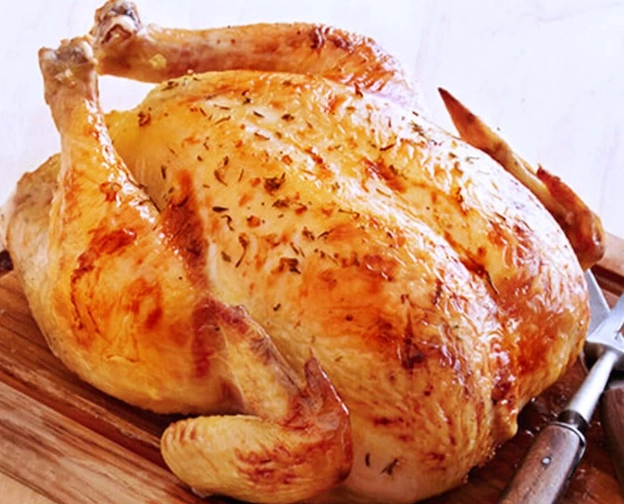
First, always pat the chicken extremely dry with paper towels, inside and out. This is the single most important step for good skin. Wet skin steams; dry skin roasts and crisps. Then, season generously. I'm talking salt and pepper everywhere—under the skin on the breasts, inside the cavity, all over the outside. Don't be shy. You can add herbs like thyme or rosemary, and garlic is always a friend.
Trussing (tying the legs together) is optional, but it helps the bird cook evenly. I often just tuck the wingtips under and call it a day. Place it breast-side up on a rack in a roasting pan or even a cast-iron skillet. The rack lets hot air circulate.
Roast at 425°F (220°C) for the first 20-30 minutes to kickstart browning, then reduce to 375°F (190°C) until done. How long? The old rule is 20 minutes per pound, but never go by time alone.
Let it rest for 15-20 minutes before carving. This lets the juices redistribute. If you cut right in, all those flavorful juices will just run out onto the cutting board.
Spatchcocking (Butterflying): The Game-Changer for Even Cooking
This sounds fancy, but it's just cutting out the backbone so the chicken lays flat. It looks a bit wild, but it cooks faster and more evenly because the breast and thighs are on the same level. No more dry breast meat while you wait for the thighs to cook.
You need kitchen shears. Flip the chicken breast-side down and cut up along one side of the backbone, then the other, and remove it. (Save it for stock!). Flip the bird over and press down firmly on the breastbone until it flattens. That's it. Season as usual.
Now you can roast it flat on a sheet pan at 425°F. It will cook in about 45 minutes for a 4-pound bird. The skin gets incredibly crisp all over because it's all exposed to the hot air. This is my favorite method for a weeknight. It feels clever, and the results are consistently great.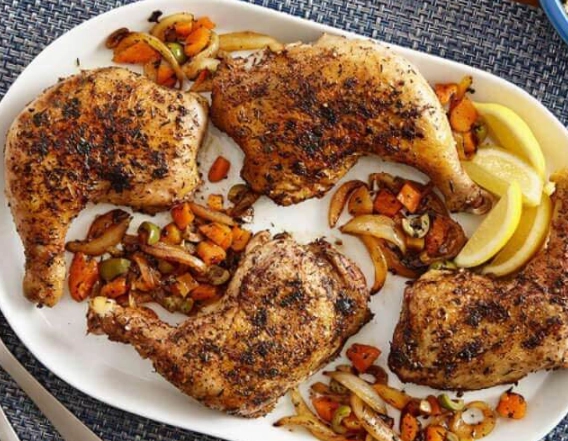
The Hands-Off Heroes: Slow Cooker and Instant Pot
These methods won't give you crispy skin, but they deliver incredibly tender, fall-off-the-bone meat with almost no effort.
Slow Cooker: You can literally put a whole, seasoned chicken in the pot, add a half-cup of liquid (broth, wine, water), and cook on Low for 6-8 hours. It will be swimming in its own juices and be super tender. Perfect for shredding for tacos, soups, or chicken salad. The skin will be flabby, so I usually remove it before serving.
Instant Pot/Pressure Cooker: This is the fastest way to cook a whole chicken. Place it on the trivet with a cup of liquid. For a 4-pound chicken, high pressure for 25-30 minutes, with a natural pressure release for 10-15 minutes. It's done. Again, no crispy skin, but the meat is moist and ready in under an hour total. You can then take the liquid, reduce it on the sauté function with some cornstarch, and make a killer gravy in minutes.
Here’s a quick cheat sheet to help you decide:
| Method | Best For | Skin Result | Hands-On Time | Total Time (for 4lb bird) |
|---|---|---|---|---|
| Classic Roast | Traditional meals, crispy skin, presentation | Golden & Crispy | 15 mins prep | ~1.5 hours |
| Spatchcock & Roast | Faster, even cooking, maximum crispiness | All-Over Crispy | 20 mins prep | ~1 hour |
| Slow Cooker | Easiest, tender shredding meat, all-day cook | Soft/Remove | 5 mins prep | 6-8 hours |
| Instant Pot | Speed, tender meat, making stock/gravy after | Soft/Remove | 5 mins prep | ~45 mins |
From One Chicken, Many Meals: The Leftover Strategy
This is where the Perdue whole chicken truly shines in terms of value. You're not just buying dinner; you're buying ingredients for days.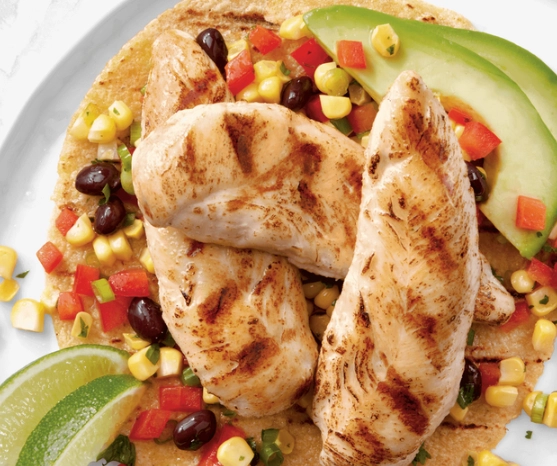
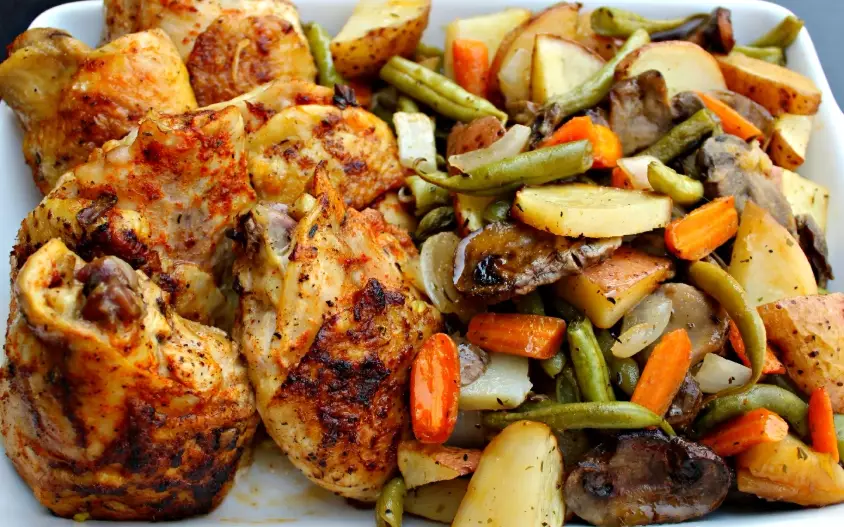
Night 1: The grand roast (or spatchcock) dinner. Carve it up, serve with veggies and potatoes. Enjoy.
After dinner, pick the carcass clean. Get all that meat off. You'll be surprised how much is left—thigh meat, bits from the back, the oysters (those two juicy nuggets on the back). Store this meat in the fridge.
Now, take the bare bones, skin, and any pan drippings. Throw them in a pot. Cover with water. Add an onion (halved), a carrot, a celery stalk if you have it, a bay leaf, a few peppercorns. Bring to a boil, then simmer for at least 2 hours, up to 4. Strain it. You now have homemade chicken stock that is infinitely better than anything from a box. Freeze it in containers or ice cube trays.
With your leftover meat and fresh stock, the possibilities are endless.
- Chicken Soup: The classic. Sauté some mirepoix (onion, carrot, celery), add stock, leftover chicken, maybe some noodles or rice. Dinner in 20 minutes.
- Chicken Salad: Chop the meat, mix with mayo, celery, grapes, nuts—whatever you like. Great for sandwiches or lettuce cups.
- Chicken Tacos/Enchiladas: Shred the meat, warm it with some taco seasoning, and use it as a filling.
- Pot Pie: Use the meat and stock as the base for the filling. Top with store-bought puff pastry for an easy upgrade.
- Fried Rice or Pasta: Toss chopped chicken in at the end for a protein boost.
One chicken, three or four meals. That's the real magic. It makes that initial purchase feel incredibly smart.
Straight Talk: Common Questions (and Some Honest Answers)
I had a ton of questions when I started. Here are the ones that come up all the time.
Final Thoughts: Is It Worth It?
Look, a Perdue whole chicken isn't some mystical ingredient. It's a straightforward, quality piece of meat from a company that's been doing this for a long time. Is it the absolute cheapest option? Sometimes not. But for the reliability, their specific standards, and the fact that it's widely available, it's a solid choice.
The value isn't just in the price per pound on the tag. It's in the experience of cooking a whole animal, understanding where your food comes from, and the incredible versatility it offers. It teaches you basic kitchen skills—seasoning, roasting, using a thermometer, making stock—that apply to so much other cooking.
My advice? Next time you're planning a week of meals, skip the pre-cut packs. Grab a Perdue whole chicken. Roast it, spatchcock it, or throw it in the slow cooker. Enjoy that first meal, then get creative with the leftovers. You might just find it becomes a regular in your rotation. I know it did in mine.
Got a question I didn't cover? Drop it in the comments below. Happy cooking!
Related Articles