How to Cook a Whole Chicken Perfectly: A Step-by-Step Expert Guide
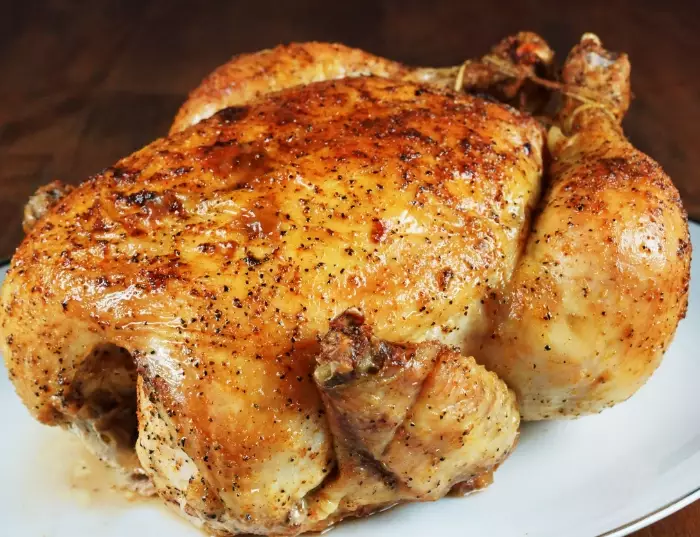
I remember the first time I tried cooking a whole chicken. It looked gorgeous coming out of the oven, golden brown and promising. But when I carved into it, the breast was so dry it could have doubled as sawdust. Sound familiar? Cooking a whole chicken doesn't have to be a gamble. With a few simple techniques—ones most recipes gloss over—you can achieve juicy, flavorful meat every single time. Let's cut through the noise and get to what actually works.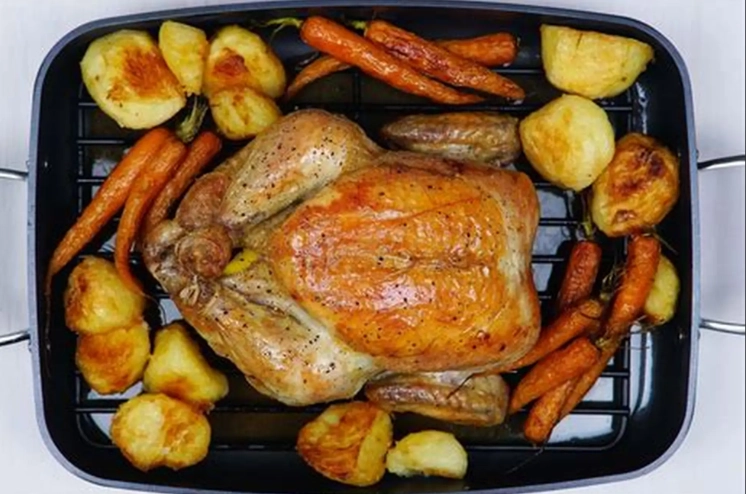
What You'll Learn in This Guide
Why Cooking Whole Chicken is a Game-Changer
You might think, why bother with a whole bird when you can buy parts? Here's the thing: a whole chicken is cheaper per pound, often more flavorful because bones and skin add depth, and it gives you leftovers for days. I've saved money by roasting one on Sunday and using the meat in salads, soups, and sandwiches all week. Plus, there's something satisfying about serving a beautifully cooked centerpiece. But if you're just throwing it in the oven with salt and pepper, you're missing out. The key is in the details—like patting the skin dry (more on that later) and using a thermometer religiously.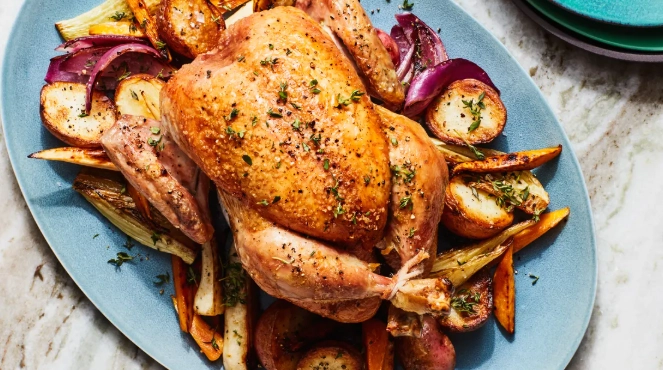
Essential Tools and Ingredients You Really Need
Don't overcomplicate this. You don't need fancy gear, but a few items make a huge difference. I learned this the hard way when I tried to wing it without a thermometer.
Must-haves: A roasting pan or cast-iron skillet (I prefer cast-iron for even heat), an instant-read meat thermometer (this is non-negotiable—trust me), kitchen twine (optional, but helpful for trussing), and paper towels for drying.
Ingredients: A whole chicken (aim for 4-5 pounds for even cooking), kosher salt, black pepper, olive oil or butter, and any herbs you like. Garlic, rosemary, and thyme are classics, but don't be afraid to experiment. One trick I picked up from a butcher: use a mix of salt and baking powder on the skin for extra crispiness. It sounds weird, but it works by drawing out moisture.
Step-by-Step Guide to Roasting a Whole Chicken
This is where most guides get too vague. I'll break it down so you can follow along without second-guessing.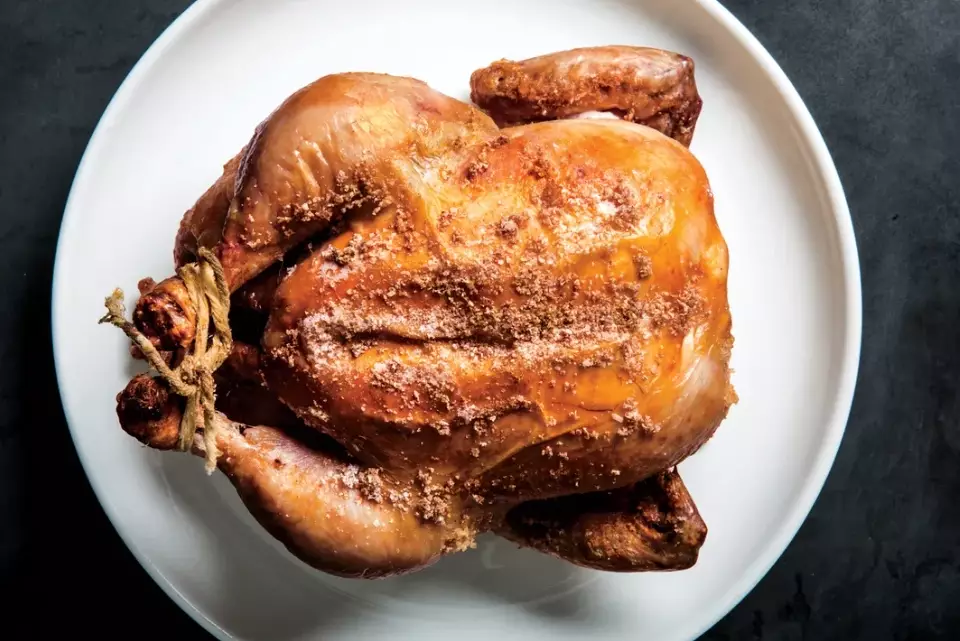
Step 1: Preparing the Chicken—The Dryness Killer
Take the chicken out of the fridge at least 30 minutes before cooking. Pat it completely dry with paper towels, inside and out. This is crucial. Moist skin steams instead of roasts, leading to soggy results. I've skipped this step before, and the skin turned out rubbery. Not worth it.
Step 2: Seasoning Techniques Beyond Salt and Pepper
Don't just sprinkle seasoning on top. Loosen the skin over the breast and thighs gently with your fingers, then rub salt and herbs underneath. This flavors the meat directly. For the outside, mix salt with a bit of oil to help it stick. Some people inject marinades, but I find that overkill for home cooking.
Step 3: Roasting Time and Temperature—The Science Part
Preheat your oven to 425°F (220°C). High heat starts the crisping process. Place the chicken breast-side up in the pan. Now, here's a table based on USDA guidelines and my own tests. It's more reliable than guessing.
| Chicken Weight | Approximate Roasting Time | Internal Temperature Target |
|---|---|---|
| 3-4 pounds | 60-75 minutes | 165°F in the thickest part of the thigh |
| 4-5 pounds | 75-90 minutes | 165°F in the thickest part of the thigh |
| 5-6 pounds | 90-105 minutes | 165°F in the thickest part of the thigh |
Use that thermometer! Insert it into the thigh without touching bone. Once it hits 165°F, pull it out. The carryover heat will bring it up a few degrees. Overcooking is the number one reason for dry chicken.
Step 4: Resting is Non-Negotiable
Let the chicken rest on a cutting board for 15-20 minutes after roasting. This allows juices to redistribute. If you carve immediately, all those juices end up on the board. I've made that mistake—it's heartbreaking.
Top 3 Mistakes Everyone Makes (And How to Fix Them)
Based on my experience and talking to other home cooks, these pitfalls are common but easy to avoid.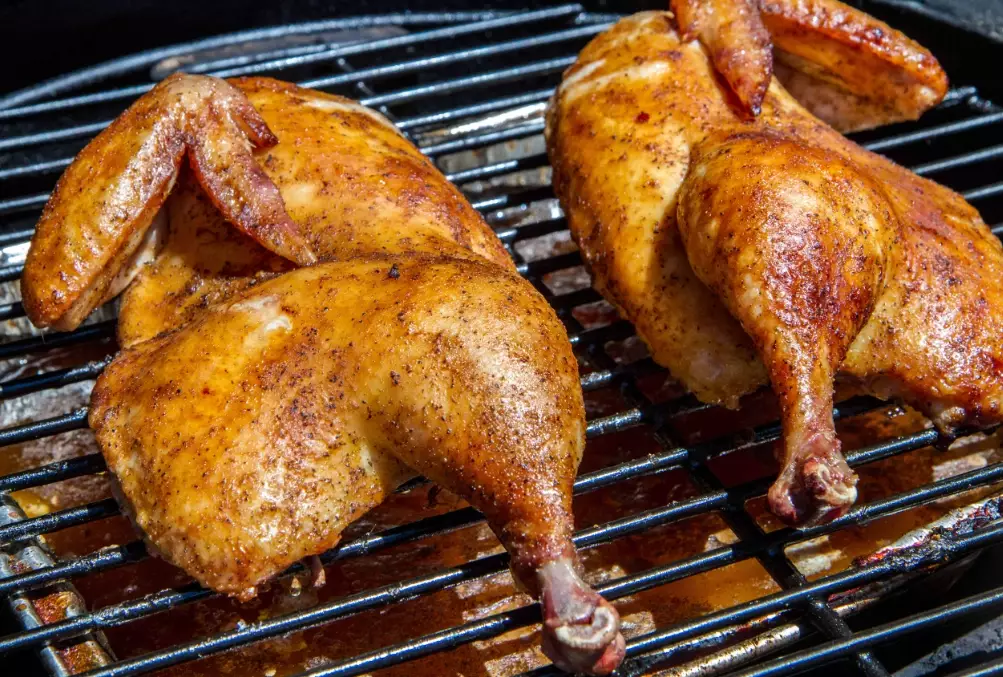
Mistake 1: Skipping the thermometer. Guessing doneness leads to overcooked meat. Fix: Buy an instant-read thermometer. It's $15 and saves every meal.
Mistake 2: Crowding the pan. If you add vegetables around the chicken, make sure they're in a single layer. Otherwise, they steam and the chicken doesn't crisp. Fix: Use a larger pan or roast veggies separately.
Mistake 3: Not seasoning under the skin. Surface seasoning alone won't penetrate. Fix: Get your hands in there and rub salt and herbs directly on the meat.
Pro tip from a chef friend: For extra flavor, place lemon halves or onion inside the cavity. It adds moisture and aroma without making the meat soggy.
Other Ways to Cook a Whole Chicken
Roasting is classic, but it's not the only way. Here are two alternatives I use regularly.
Slow Cooker Whole Chicken
Great for hands-off cooking. Season the chicken, place it in the slow cooker with a quarter cup of water or broth, and cook on low for 6-8 hours. The meat falls off the bone, but the skin won't be crispy. To fix that, broil it for a few minutes after cooking. I do this on busy weekdays—minimal effort, maximum reward.
Grilled Whole Chicken
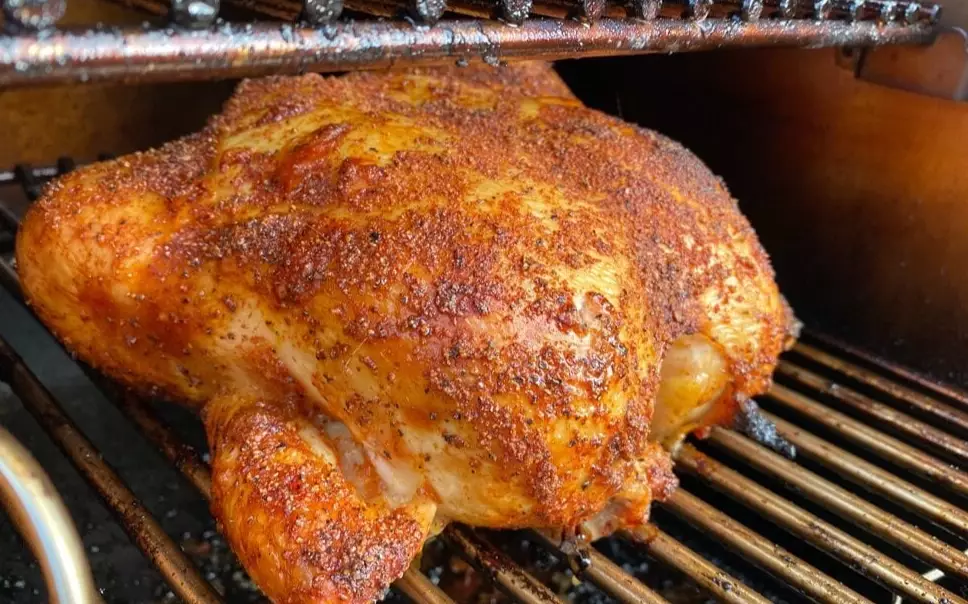
For smoky flavor, spatchcock the chicken (remove the backbone and flatten it). Grill over indirect heat at 350°F for about 45-60 minutes, turning occasionally. Use a drip pan to avoid flare-ups. It's a summer favorite at my house, but watch the temperature closely—grills can have hot spots.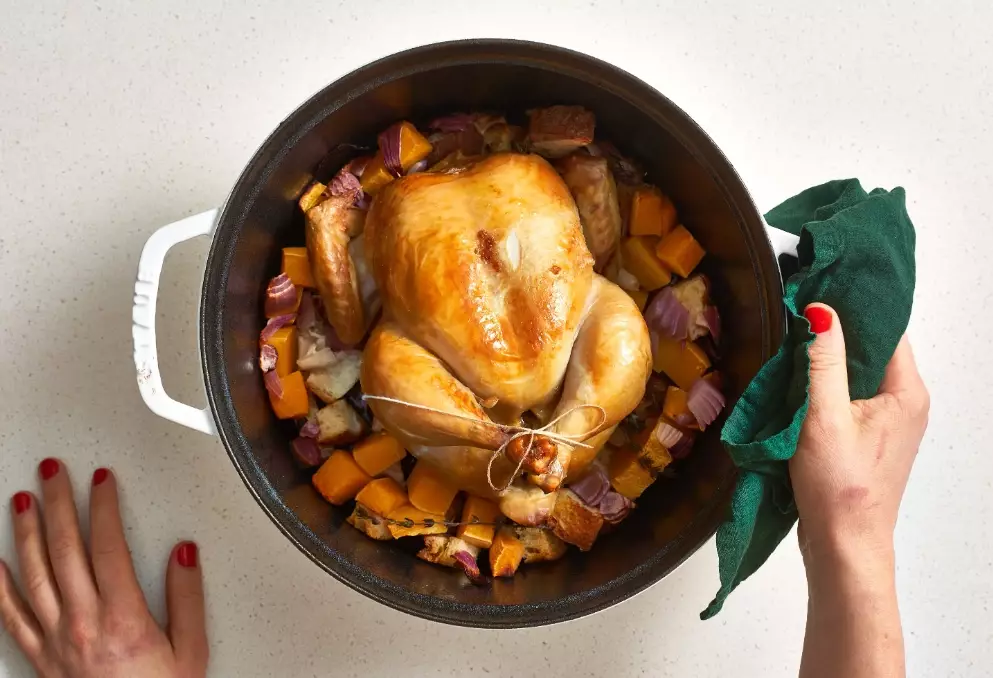
Your Burning Questions Answered
 How do I know when the chicken is done without a thermometer?
At the end of the day, cooking a whole chicken is about confidence. Start with a good bird, use a thermometer, and don't rush the resting. Once you nail it, it becomes a weekly staple. I still mess up sometimes—like that time I forgot to turn the oven on—but that's part of the learning. Give these tips a try, and let me know how it goes.
Related Articles