Tyson vs Perdue Chicken: Which Brand Tastes Better & Is Worth Your Money?
Quick Guide
- The Core Comparison: Breaking Down the Heavyweights
- Round 1: Price & Availability – The Wallet Check
- Round 2: Taste & Texture – The Plate Doesn't Lie
- Round 3: Farming Practices & The "Feel Good" Factor
- Round 4: The Practicalities of Cooking & Prep
- The Final Verdict: It's Not One-Size-Fits-All
- Your Questions, Answered (The FAQ Corner)
- Wrapping It Up: Trust Your Own Kitchen
So you're standing in the meat section, freezer door open, staring at the wall of chicken. Tyson on the left, Perdue on the right. Both have those reassuring logos, both promise quality. Your hand hovers. Which bag do you grab? It's a question that pops up more often than you'd think: which is better, Tyson chicken or Perdue chicken?
It's not just about price, though that's a huge part of it. It's about taste when it hits your plate on a Tuesday night after a long day. It's about whether the chicken stays juicy or turns into a sad, rubbery puck. It's about what you're comfortable feeding your family, and what you believe about how the animals were raised. That's a lot of weight for a package of chicken breasts to carry.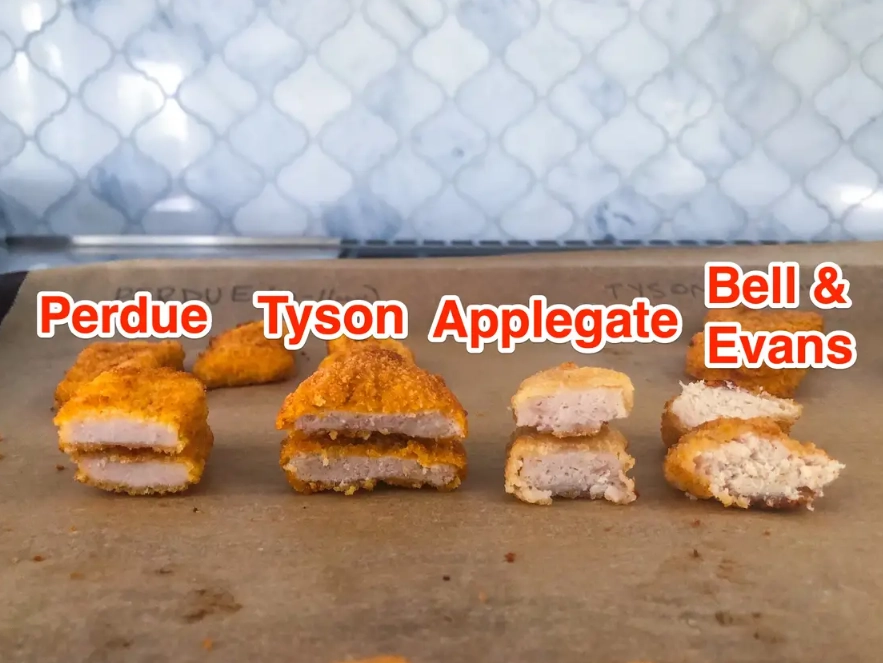
I've been there. I've bought both, cooked both, and been disappointed by both at different times. I've also had wins with both. This isn't some distant, clinical review. It's a deep dive from someone who cooks chicken probably three times a week, has a family to feed, and watches the grocery budget like a hawk. We're going to tear this question apart from every angle you can think of.
The Core Comparison: Breaking Down the Heavyweights
Before we get into the nitty-gritty stories and personal fails, let's lay out the battlefield. Tyson and Perdue are the two giants you'll find in virtually every supermarket in America. They're like the Coke and Pepsi of the poultry case. But unlike soda, the differences here matter a lot more to your dinner.
Here’s a quick snapshot of how they stack up on paper. Keep this in mind as we go deeper.
| Comparison Point | Tyson Chicken | Perdue Chicken |
|---|---|---|
| Price Point (Generally) | Often the more affordable option, especially on bulk packs and commodity items. | Tends to be slightly more expensive, positioning itself as a premium brand. |
| Product Variety | Massive. From basic cuts to fully cooked nuggets, strips, wings, and meal kits. | Focused more on raw, fresh cuts. Also has prepared items but a narrower range. |
| Key Brand Promise | Reliability, affordability, and convenience. | No antibiotics ever, animal care, and family-owned heritage. |
| Animal Welfare Claims | Has various programs but is a large-scale producer. Commits to responsible antibiotic use. | Heavily markets "No Antibiotics Ever" and has its own welfare standards. |
| Common Consumer Complaint | Can be inconsistent in size/tenderness; sometimes has a "woody" breast texture. | Higher price doesn't always guarantee better taste or texture. |
See? Already the picture isn't simple. One is cheaper and everywhere, the other charges more and talks a big game about care. But does that talk translate to your fork? Let's dig in.
Round 1: Price & Availability – The Wallet Check
Let's be real, this is where the rubber meets the road for most of us. When you're doing the weekly shop, that price per pound is staring you right in the face.
Tyson almost always wins on pure price. I can walk into my local Walmart or Kroger right now and guarantee the Tyson family pack of boneless, skinless breasts will be a good 10-20% cheaper per pound than the equivalent Perdue pack. For big families or meal preppers, that adds up fast. Tyson's strategy is volume and ubiquity. They're in every store, in every format, and they often have the value-sized bags that make budget-conscious shoppers nod in approval.
Perdue positions itself differently. You're paying a premium. They want you to believe that premium buys you something better—better care, better quality, better peace of mind. In my experience, that price gap is real and persistent. It's not astronomical, but it's enough to make you pause and think, "Is this worth the extra couple of bucks?"
Availability is a tie. You will find both brands in nearly every major grocery chain. However, I've noticed Perdue sometimes has a stronger presence in stores that cater to a more "natural" or health-conscious audience, like some branches of Whole Foods or Sprouts, though they're absolutely in conventional stores too.
The Hidden Cost of Convenience
This is where Tyson pulls way ahead. If you want anything pre-marinated, pre-cooked, or shaped into a fun dinosaur, Tyson is your go-to. Their portfolio of ready-to-cook and ready-to-eat items is enormous. Perdue has some—like their shortcuts or ready-to-go grilled strips—but the variety and shelf space dedicated to Tyson's convenience foods is just bigger.
So, if your life runs on quick fixes and frozen appetizers for game day, Tyson's ecosystem is hard to beat.
Round 2: Taste & Texture – The Plate Doesn't Lie
Okay, forget the money for a second. Which one actually makes a better meal? This is subjective, messy, and where my own kitchen experiments come in.
I've cooked hundreds of pounds of chicken from both brands. Here's the unfiltered take.
With Tyson, the experience can be a lottery. When it's good, it's fine—perfectly serviceable, mild-tasting chicken that does its job as a protein. But the inconsistency drives me nuts. You can get a pack where some breasts are beautifully tender, and others in the same bag are tough and have that unpleasant, crunchy "woody breast" texture. It's a real problem in the industry, especially with larger birds, and in my experience, Tyson seems to be a more frequent offender. Nothing ruins a chicken piccata faster than chewing on a rubbery, grainy piece of meat.
Perdue, in general, has been more consistent for me in terms of texture. The breasts tend to be more uniform in size and less prone to that woody toughness. The flavor is… well, it's still chicken. It's mild. But I find it has a slightly cleaner, less "watery" taste. Some of that might be psychosomatic because I'm paying more and expecting more—the placebo effect is real at the dinner table.
For dark meat—thighs and legs—the difference is less pronounced. Both brands do a decent job here, as thighs are more forgiving. The price difference often pushes me back to Tyson for thighs.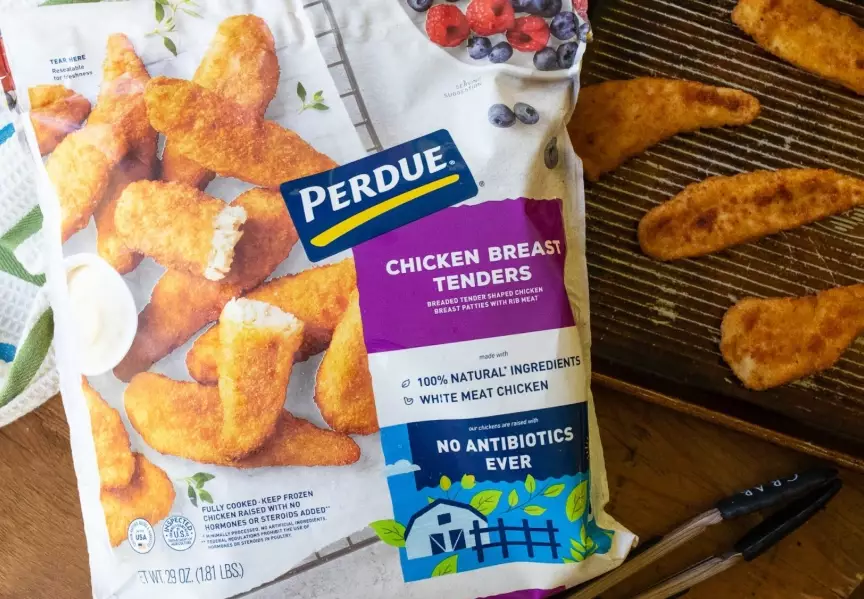
Round 3: Farming Practices & The "Feel Good" Factor
This is Perdue's home turf in the marketing game. Their whole brand is built on the image of a family farm (even though they're a massive corporation now) and their "No Antibiotics Ever" pledge. They talk about animal care, their vegetarian-fed feed, and traceability. For a shopper who's increasingly concerned about where food comes from, this messaging is powerful.
Tyson has made strides here too, responding to consumer demand. They have their "Tyson Farm Check" program and have committed to responsible antibiotic use in their chickens. But the messaging isn't as front-and-center as Perdue's. Tyson feels more like an industrial food producer (which it is), while Perdue works hard to feel like a concerned farmer.
Who's actually better? It's incredibly difficult for a regular consumer to verify. Both companies publish animal welfare reports and standards. Perdue's "no antibiotics ever" claim is simple and easy to understand, which gives it a big advantage in the mind of a shopper scanning labels quickly.
If this is your primary concern, Perdue's marketing makes the choice feel easier. You can read about Perdue's animal care standards on their official animal care page, and review Tyson's stance on responsible practices on their raising responsibly page. For independent benchmarks, organizations like the USDA's Agricultural Marketing Service provide context for various marketing claims used in the industry.
Round 4: The Practicalities of Cooking & Prep
This is the stuff you only learn after buying the same product a dozen times. Little quirks that affect your cooking routine.
- Excess Moisture (The "Wet" Chicken Problem): Both brands sometimes sell chicken packed in water or saline to add weight. It's annoying. You get less actual meat for your money, and it steams instead of sears. I've found this to be a slightly bigger issue with economy packs from Tyson, but it's an industry-wide practice. Always pat your chicken breasts dry thoroughly with paper towels, no matter the brand.
- Size Consistency: For recipes where cooking time is critical (like pan-searing breasts), uniform size is a godsend. Perdue tends to win here. Their breasts are often more consistently sized within a pack, leading to more even cooking. Tyson packs can have one breast that's a half-pound monster and another that's a thin little cutlet.
- Trimming: I've found Perdue breasts often need less trimming of excess fat and tendon. Tyson sometimes feels a bit more "rough and ready," requiring a bit more work at the cutting board.
The Final Verdict: It's Not One-Size-Fits-All
So, which is better, Tyson chicken or Perdue chicken? After all this, my answer is frustratingly practical: it depends on your priority for that specific shopping trip.
Let me break it down by scenario, which is how I actually shop.
Choose Tyson Chicken If...
- Your budget is the #1 driver. You'll save money, especially on bulk purchases.
- You need convenience foods. Their array of frozen, pre-cooked, and pre-marinated options is superior.
- You're cooking a dish where the chicken is heavily seasoned or shredded. In a stew, curry, or casserole where texture is less critical, the price savings of Tyson make total sense.
Choose Perdue Chicken If...
- Consistent texture and avoiding "woody breast" is your top concern. In my experience, it's a safer bet for a guaranteed tender bite.
- The "No Antibiotics Ever" claim matters deeply to you. It's a clear, simple differentiator that provides peace of mind.
- You're making a simple dish where the chicken is the star. Think grilled chicken breast, chicken scallopini, or a basic bake where flavor and texture are front and center.
- You value uniform sizing for even cooking. This is a real time and frustration saver.
My personal pattern? For weekly meal prep where I'm grilling or baking a lot of plain breasts, I lean Perdue. The consistency is worth the premium to me. For everything else—soups, casseroles, feeding a crowd, or buying frozen wings—I go Tyson and pocket the difference.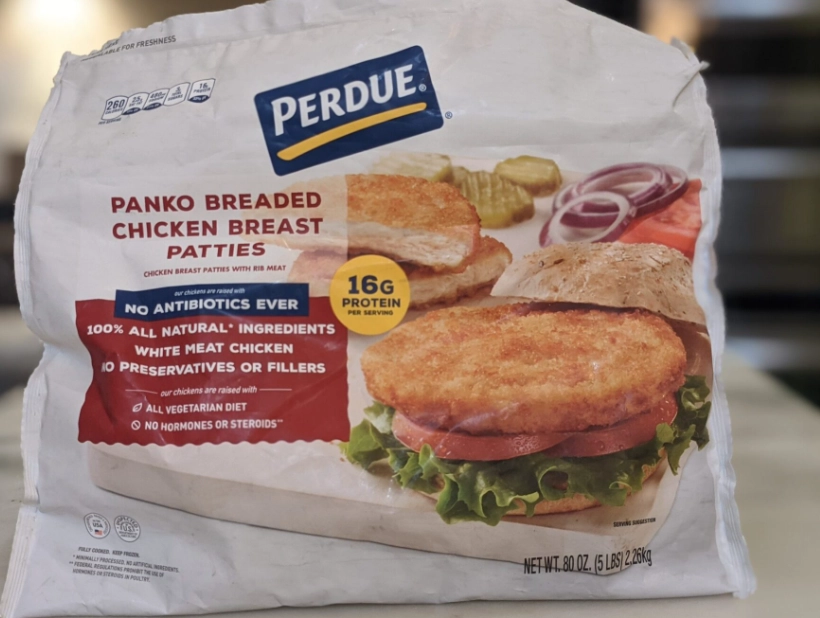
Your Questions, Answered (The FAQ Corner)
1. Air-Chilled Chicken: Brands like Bell & Evans or Smart Chicken use air-chilling instead of water baths, resulting in more concentrated flavor and better browning.
2. Local Butchers or Farmers Markets: Source chicken from smaller, local farms. You can often ask direct questions about practices.
3. Organic Brands: Certified organic chicken (like from Simple Truth or Nature's Promise store brands) must meet specific feed and housing requirements.
These options come at a significant price increase, putting them in a different category than the Tyson vs. Perdue debate.
Wrapping It Up: Trust Your Own Kitchen
The debate over which is better, Tyson chicken or Perdue chicken, won't be settled by a blog post. It's settled by your own experience, your budget, and what you had planned for dinner tonight.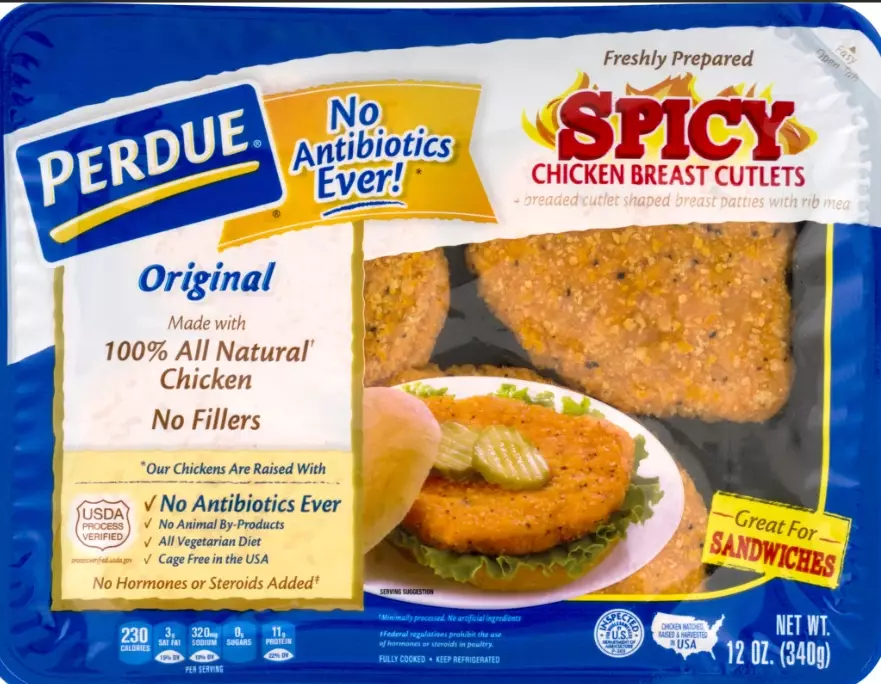
My best advice? Don't swear allegiance to one brand forever. Buy a pack of Perdue. See how it goes in your kitchen with your recipes. Then buy a pack of Tyson. Do a side-by-side comparison if you're really curious. Pay attention to the texture, the ease of cooking, and how your family reacts. Your own taste buds and routine are the ultimate judge.
For what it's worth, my freezer usually has a mix. A value pack of Tyson thighs for long-cooked dishes and a pack of Perdue breasts for quick, reliable weeknight grilling. That hybrid approach lets me balance cost and quality without feeling like I'm always compromising.
Next time you're in that grocery aisle, you won't just be staring. You'll know exactly what you're paying for, and what you might be giving up, no matter which way you reach.
Related Articles